Culture & Customs · Bermuda
Bermuda: Good Morning Before Anything Else
A greeting owed to every stranger, shorts worn with a blazer and tie, kites that hum on Good Friday, and masked Gombey dancers whose drums carry the memory of emancipation
By Worldlore Editorial · 30 September 2026
It is Good Friday, and families have been out since early morning on hilltops, beaches and open fields. Above them the sky is filling with kites: hexagons and many-sided "roundies" of coloured tissue paper on light wooden frames, with long tails trailing below. Some make a deep, insistent whine, the sound of the "hummers" built into them, and the competition is friendly but real: whose kite flies highest, and whose is loudest. Kite makers have spent weeks, sometimes months, preparing. The scene sums up something about Bermuda. It is a small, closely knit island where tradition is kept up by families and passed on to children, where faith and festivity sit easily together, and where public life still runs on a strong sense of courtesy.
Faith, identity and values
Faith remains an important part of Bermudian life. The 2010 census found that the Anglican Church was the largest single denomination, followed closely by the Roman Catholic Church, then by the African Methodist Episcopal Church, the Seventh-day Adventists and a growing number of non-denominational congregations. Around one in five residents reported no religious affiliation, a share that had risen over the previous decade.
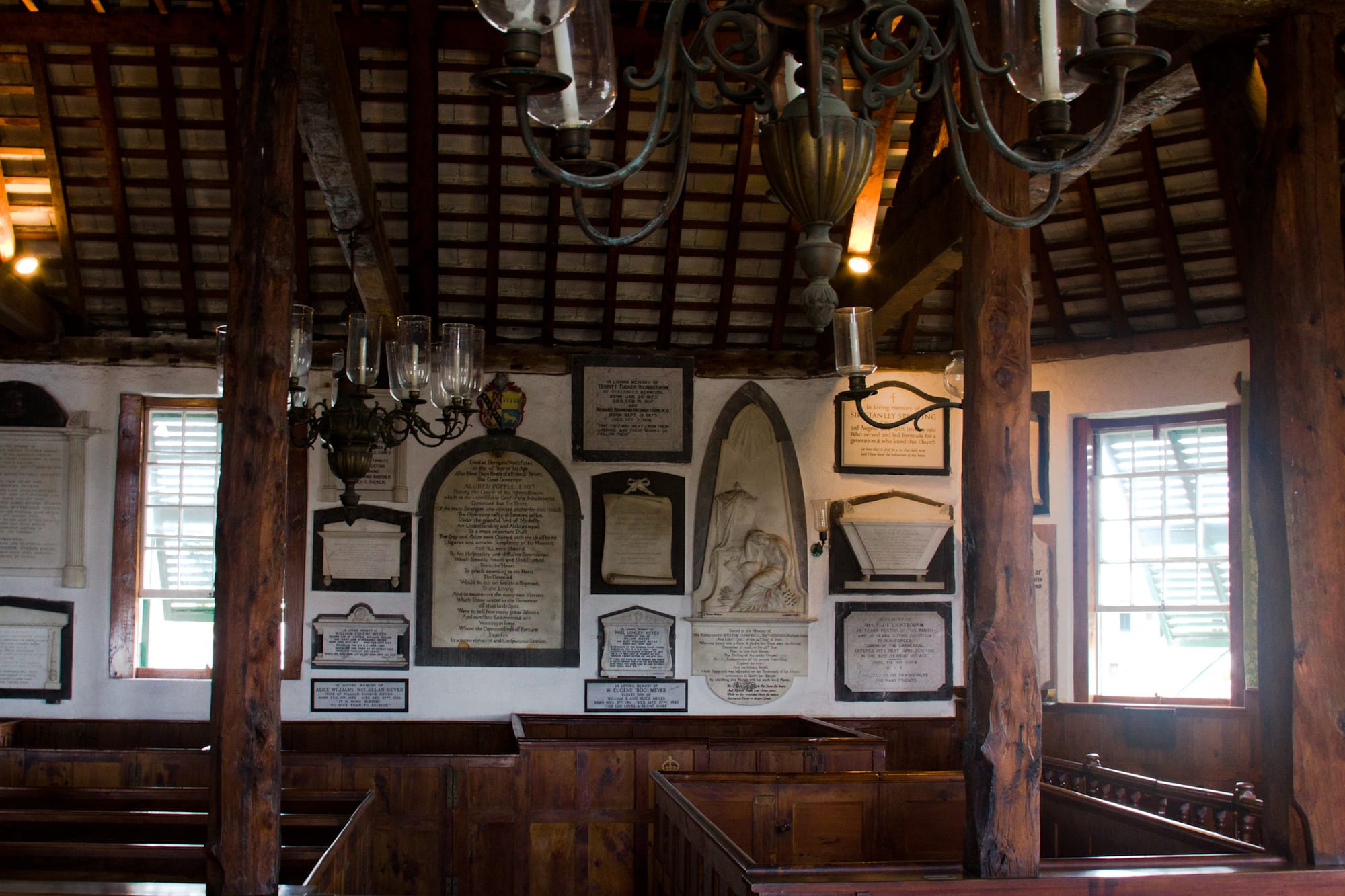
The population reflects several strands of heritage. In the 2010 census, just over half of residents described themselves as black and nearly a third as white, with the remainder of mixed or other backgrounds. Many trace their roots to Britain, to the West Indies or, in the case of a significant minority, to Portugal, largely through migration from the Azores. The Portuguese community keeps its own traditions alive, most visibly in the festival of the Senhor Santo Cristo dos Milagres, an Azorean devotion that has been celebrated on the island for almost half a century. On the fifth Sunday after Easter, a statue of Christ is carried in procession through the streets over carpets of flower petals, followed by Portuguese food, drink and music.
Running through Bermudian life is a strong emphasis on good manners. Visitors often remark on how consistently Bermudians greet strangers, how naturally schoolchildren give up their seats on buses, and how firmly adults expect children to follow their example. Courtesy is treated not as an optional extra but as part of what it means to be Bermudian.
Greetings and meeting people
The single most important custom for a visitor to understand is the greeting. Bermudians say "good morning", "good afternoon" or "good evening" to people they pass and, above all, before starting any conversation. Walking up to a shop counter, a bus driver or a stranger and asking a question without first offering a greeting is considered rude, and it can sour the exchange before it begins. A simple "hi" is less common than the fuller form, and taking a moment to greet someone properly is noticed and appreciated. The same courtesy extends to apologies: children are taught to say sorry directly to anyone they have inconvenienced, and adults are expected to set the example.
Dress carries its own conventions, and Bermuda has a famous one. Bermuda shorts, tailored and cut to end just above the knee, are worn with knee-length socks, a shirt and tie and a blazer, most classically a navy one. The combination has long been accepted business dress for men, and it was once normal at dinners and even weddings. According to the Bermuda Tourism Authority, the style dates from the First World War, when a local tearoom owner cut down his staff's trousers to cope with the heat. They became office wear during the Second World War, when a Bermudian bank put its male staff in shorts and long socks amid clothing shortages. More casual office dress has made the full outfit less universal than it once was, but it is still worn by many men at work and at official events.
Hospitality and being a guest
Bermudian hospitality is warm but orderly, and it rests on the same courtesy as the greeting. Visitors who are invited to a Bermudian home or gathering will find that good manners are expected on both sides: a proper greeting on arrival and a thank-you on leaving go a long way.
Much of the island's hospitality is shared outdoors, among family and friends. Over the Cup Match holiday in particular, families set up camp on beaches, in parks and along the roadside for days on end, with food, music and games, and the celebrations spill out onto the water as boats raft up together in the bays. For many Bermudians this is the most sociable time of the year, and the atmosphere is open and welcoming.
Traditional family occasions were once largely held at home. Wedding receptions, for instance, were customarily given at the house of the bride's parents, with cocktails and homemade refreshments rather than a formal dinner, and the couple's wedding presents of china, crystal and silver were chosen to last for generations.
Festivals and life's big moments
The calendar is punctuated by a small number of much-loved holidays. Good Friday belongs to the kites. No one knows exactly how the custom began, but a popular story tells of a Sunday school teacher who made a kite with a cross on it, flew it from a hilltop and then cut the string, so that his pupils could watch it rise towards heaven as a lesson about the Ascension.
May is Heritage Month, which ends on Bermuda Day, celebrated on the fourth Friday of May and widely regarded as the first day of summer. The first Bermuda Day parade was held in 1979, replacing the old Empire Day, and the day now begins with a half-marathon, followed by a parade of bands, majorettes, decorated floats and Gombey troupes. It is also traditionally the day on which many Bermudians take their first swim of the year.
Cup Match is the biggest celebration of all. The two-day holiday at the end of July or start of August marks Emancipation Day, commemorating the abolition of slavery, and Mary Prince Day, honouring the Bermudian-born abolitionist whose account of her life in slavery became a landmark of the anti-slavery movement. It centres on a cricket match between two rival clubs, St. George's from the east end and Somerset from the west, whose supporters wear their team colours: red and navy for St. George's, light blue and navy for Somerset. Around the ground, crowds play Crown and Anchor, a traditional dice game, while much of the island takes to the beaches and boats.
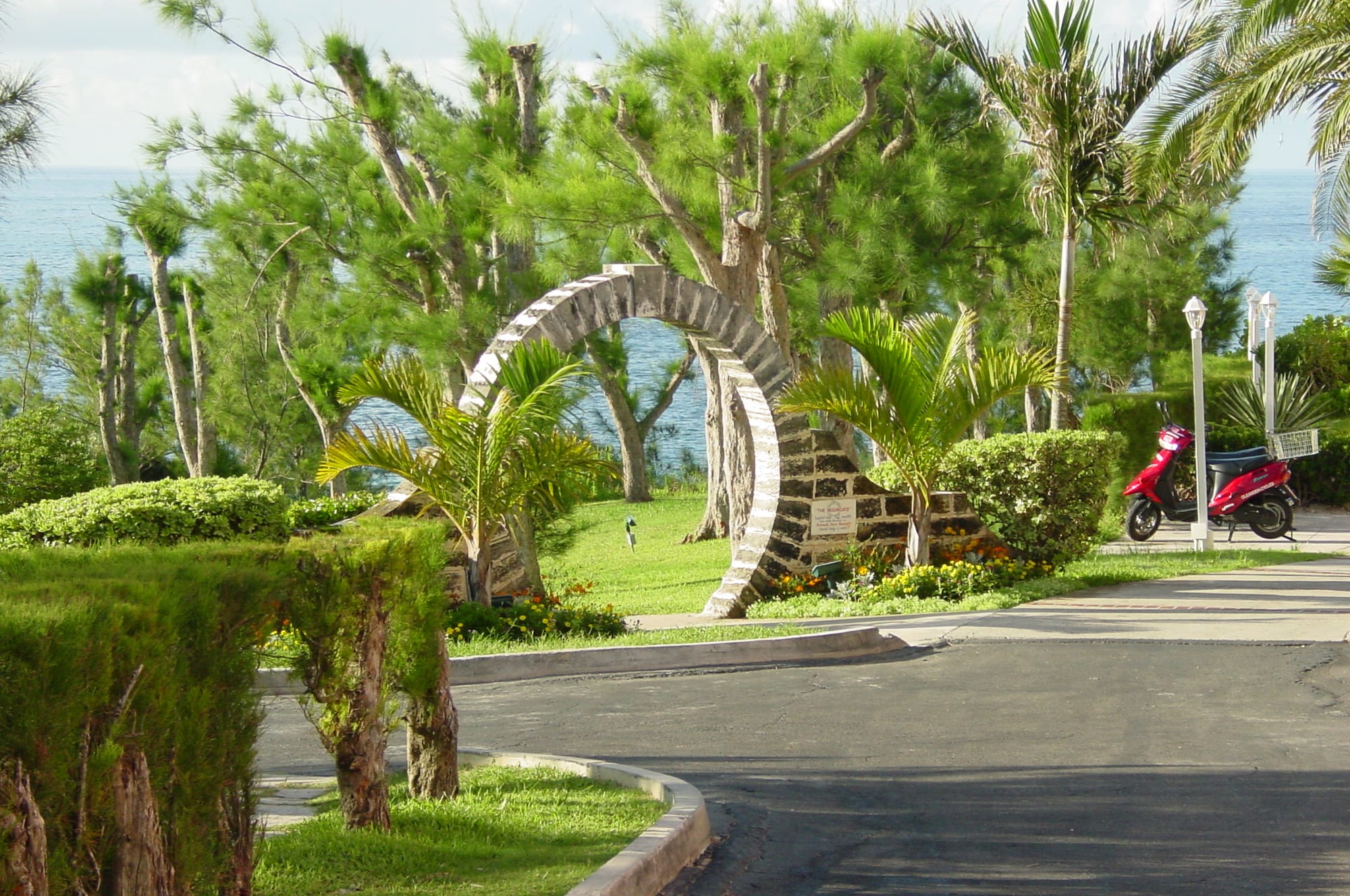
Weddings keep several distinctive customs. Couples traditionally plant a Bermuda cedar sapling on their wedding day as a symbol of growing love, a custom that took on extra meaning after a blight that began in the 1940s killed almost all the island's native cedars. Many brides and grooms arrive or leave by horse and carriage, and walk hand in hand through a moongate, a circular stone arch found in many Bermudian gardens, which is said to bring luck to those who pass through it.
Arts, crafts and music
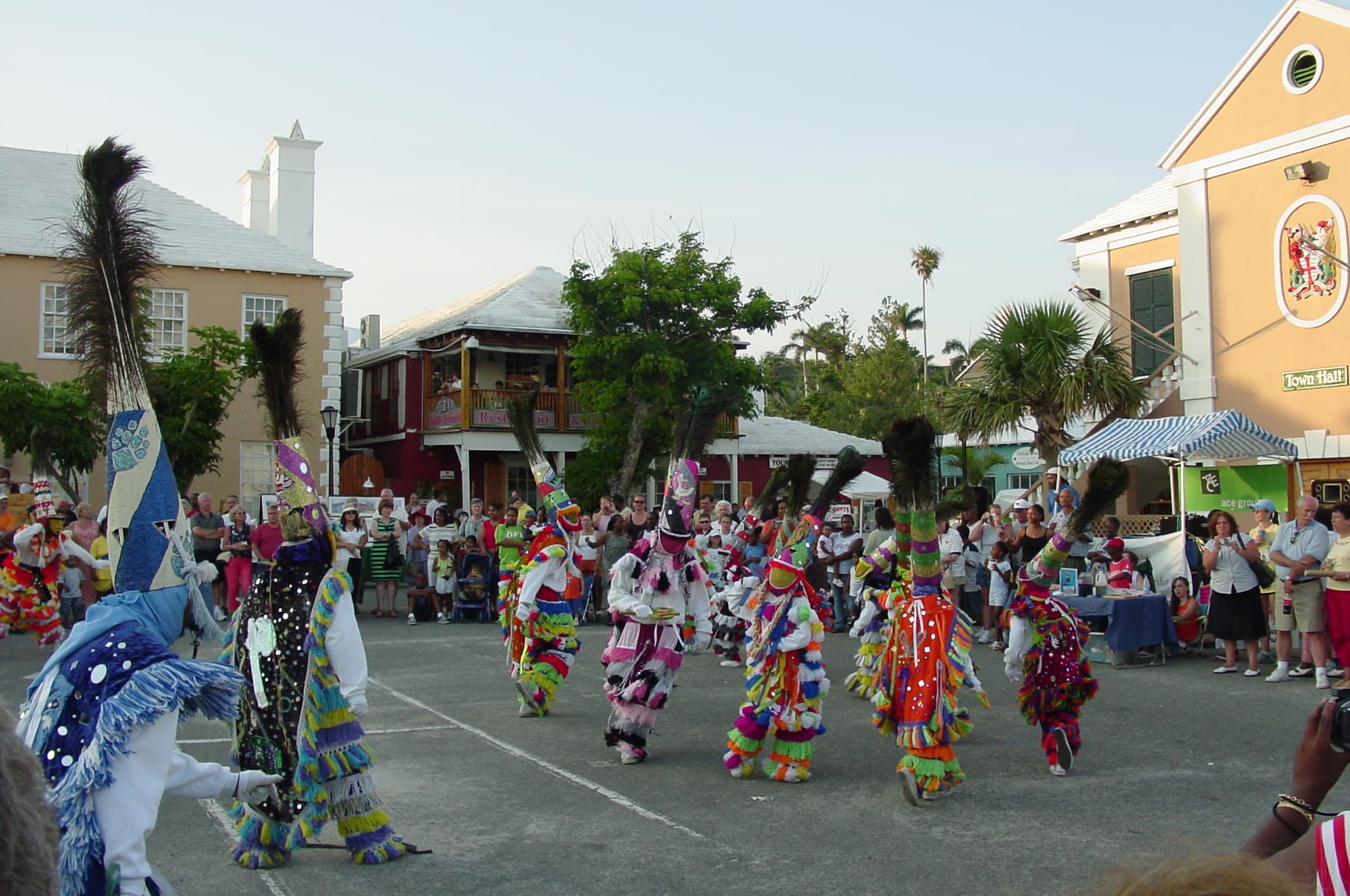
Bermuda's most distinctive living tradition is the Gombey. The dance grew out of the island's enslaved communities, drawing on African and Native American roots and on British military drumming, and it developed a style found nowhere else. Enslaved people were given a few days off at Christmas, and they used them to dance; masks hid their identities, allowing them to mock those who held them in bondage. Authorities were wary of the tradition's power: in 1761, after a planned revolt was uncovered, all Black celebrations were prohibited. The tradition survived regardless, handed down within families through the generations.
Each troupe, usually of ten to thirty dancers, is led by a captain who directs the dance with whistle calls and carries a whip as a symbol of his authority. Costumes are extraordinarily detailed. Tall headdresses are topped with peacock feathers, said to stand for pride and strength; painted masks conceal the dancers' faces; capes are embroidered with motifs from the folklore of Bermuda's root cultures; and small mirrors, which by legend ward off evil spirits, catch the sun. Bells at the wrists and ankles are said to recall the sound of chains. The rhythm comes from snare and bass drums and fifes. Gombeys traditionally took to the streets on Boxing Day and New Year's Day, and they now appear at Bermuda Day, at Easter, at festivals and at public events throughout the year. Once largely a male tradition, it now also includes troupes of women. Spectators follow the troupes along their route, shout "Ayo!" in appreciation and toss money into the circle, where collectors gather it up.
Kite making is a craft in its own right. Traditional Bermuda kites are built from coloured tissue paper on frames of white pine, with bamboo or rattan for flexibility and tails made from strips of old sheets, and their construction has been handed down through the generations. Just how the loudest hummers are made remains a closely guarded secret among some makers.
Dos and don'ts for visitors
- Do say "good morning", "good afternoon" or "good evening" before asking anyone a question.
- Do return greetings from strangers in the street; it is normal and expected.
- Do give up your seat on the bus for those who need it, as Bermudians do.
- Do shout "Ayo!" and drop money into the circle when the Gombeys dance.
- Do expect Bermuda to slow almost to a halt over Cup Match, and join in if invited.
- Don't launch straight into a request without a greeting; it is considered rude.
- Don't mistake Bermuda shorts for casual wear; worn properly, with knee socks and a blazer, they are formal dress.
What to take away
Bermuda's customs are a matter of small courtesies and treasured family traditions, and a visitor who starts every conversation with a proper "good morning" will find the island's warmth readily returned.