Daily Life · Bermuda
Bermuda: An Island That Drinks Only What It Catches
One car per household, an economy built on international insurance rather than the beaches, and every roof in the country engineered by law to fill the tank beneath the house
By Worldlore Editorial · 30 September 2026
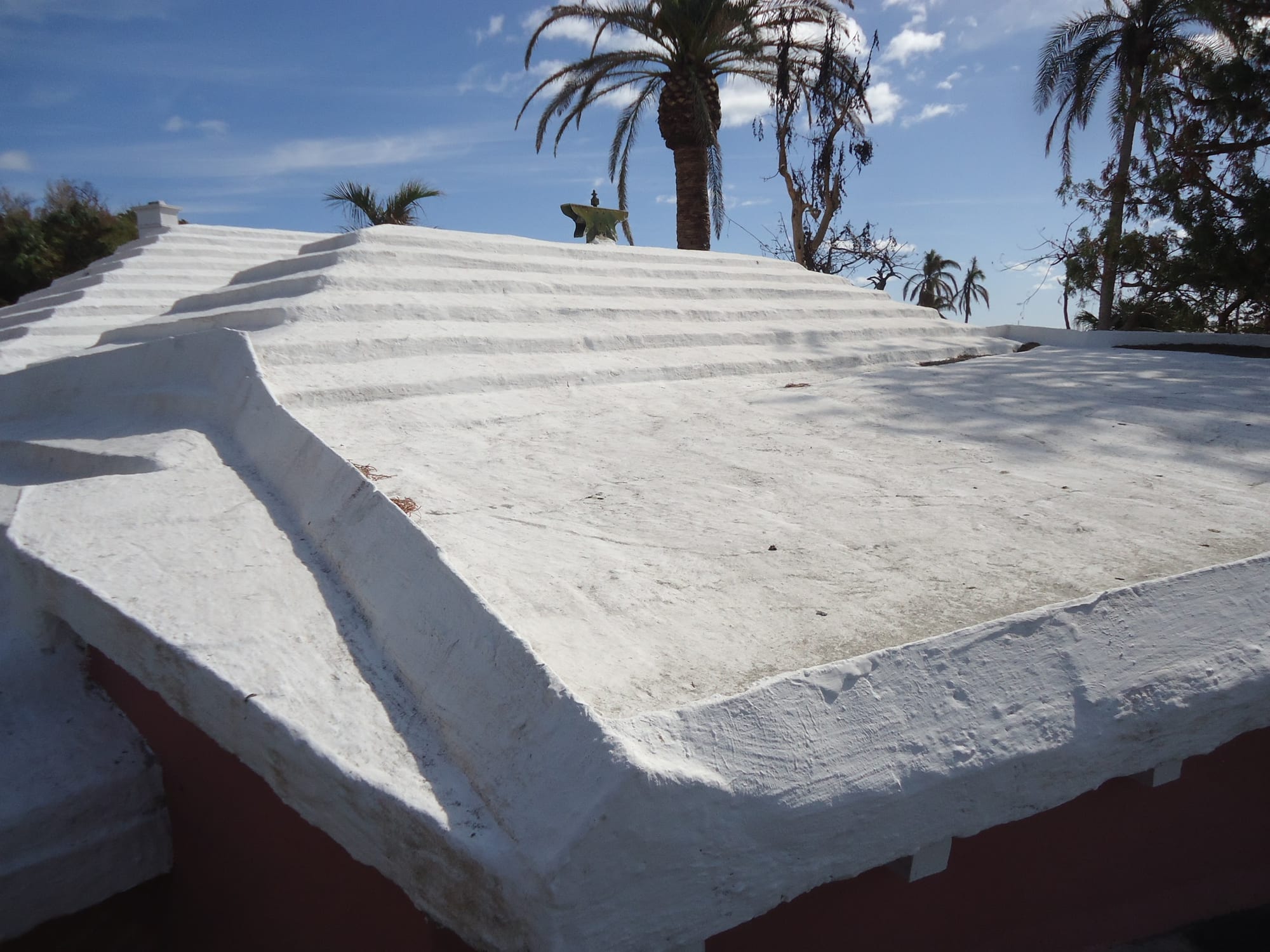
Bermuda has no rivers or freshwater lakes, and only thin underground lenses of fresh water, so every building on the island is, by law, a small piece of water infrastructure: its white, stepped roof is built to funnel rain into an underground tank that supplies much of the household's fresh water. Around that one unavoidable fact of geography sits a densely populated, high-income island where the economy runs on international insurance rather than the tourism it was once known for, where households are limited to a single car, and where the cost of nearly everything, imported from overseas, shapes daily decisions most other countries never have to make.
Family and home life
With around 64,000 people on roughly 54 square kilometres, Bermuda is one of the most densely populated territories in the world, and housing is correspondingly scarce and expensive. By law, at least four-fifths of a house's roof must be guttered to catch rain, channelled through painted, stepped limestone slabs into an underground cistern that typically holds many thousands of gallons and supplies a large part of the household's fresh water. Awareness of the tank level is a normal part of household life, and a run of rain is genuinely welcomed as a practical necessity rather than simply weather. Housing costs and a tight rental market mean many people live in multi-generational or shared households, and many working residents are foreign professionals whose right to remain is tied to a specific employer's work permit.
Work, school and the rhythm of the day
The economy has shifted decisively from tourism to international business, above all insurance and reinsurance, which now dominates the economy, and there is no personal income tax: the government relies on payroll tax and customs duties. There is no formal daily commute in the way larger countries know it: households are limited to a single car, so many residents rely on the pink-and-blue public buses, ferries across the Great Sound, or a hired or personally owned scooter. Work permits tie many foreign professionals' residence directly to their job, and the balance between international business and opportunities for Bermudians is a constant undercurrent in daily and political life. The cost of living, among the highest in the world, shapes routine choices about where to live and how to get to work more than the clock does.
Community life and public spaces
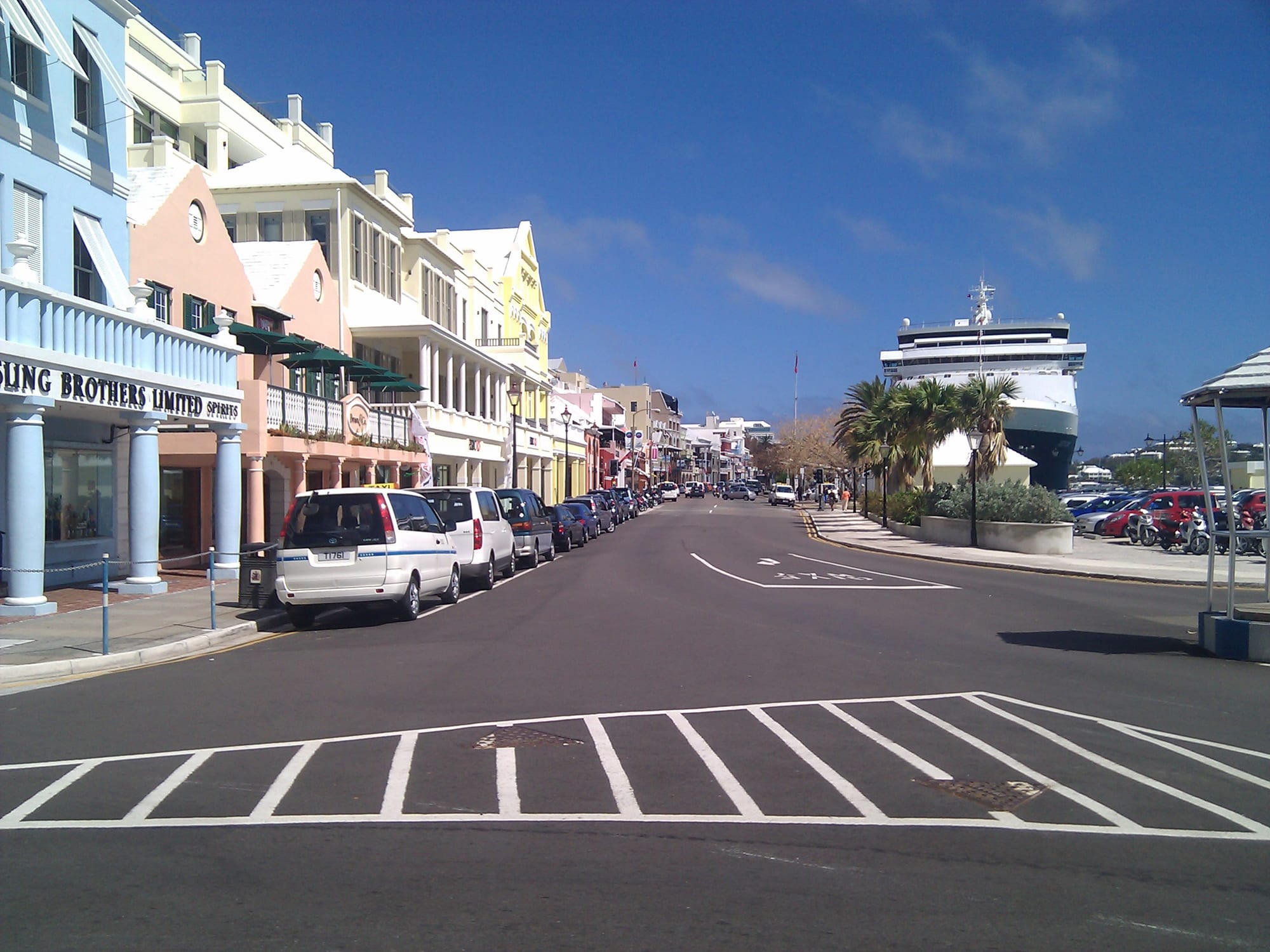
Hamilton, the small capital, is the centre of commerce, government and the insurance industry, its harbourfront lined with pastel-painted buildings housing offices, shops and restaurants. Because private car ownership is restricted, the bus and ferry network functions as genuinely shared public space, used across income levels rather than mainly by those without a car. St George at the island's eastern end and the Royal Naval Dockyard at the western end anchor community and commercial life outside the capital, the latter redeveloped from its historic role as a Royal Navy base into a hub with shops, a museum and the cruise-ship pier.
Free time and weekends
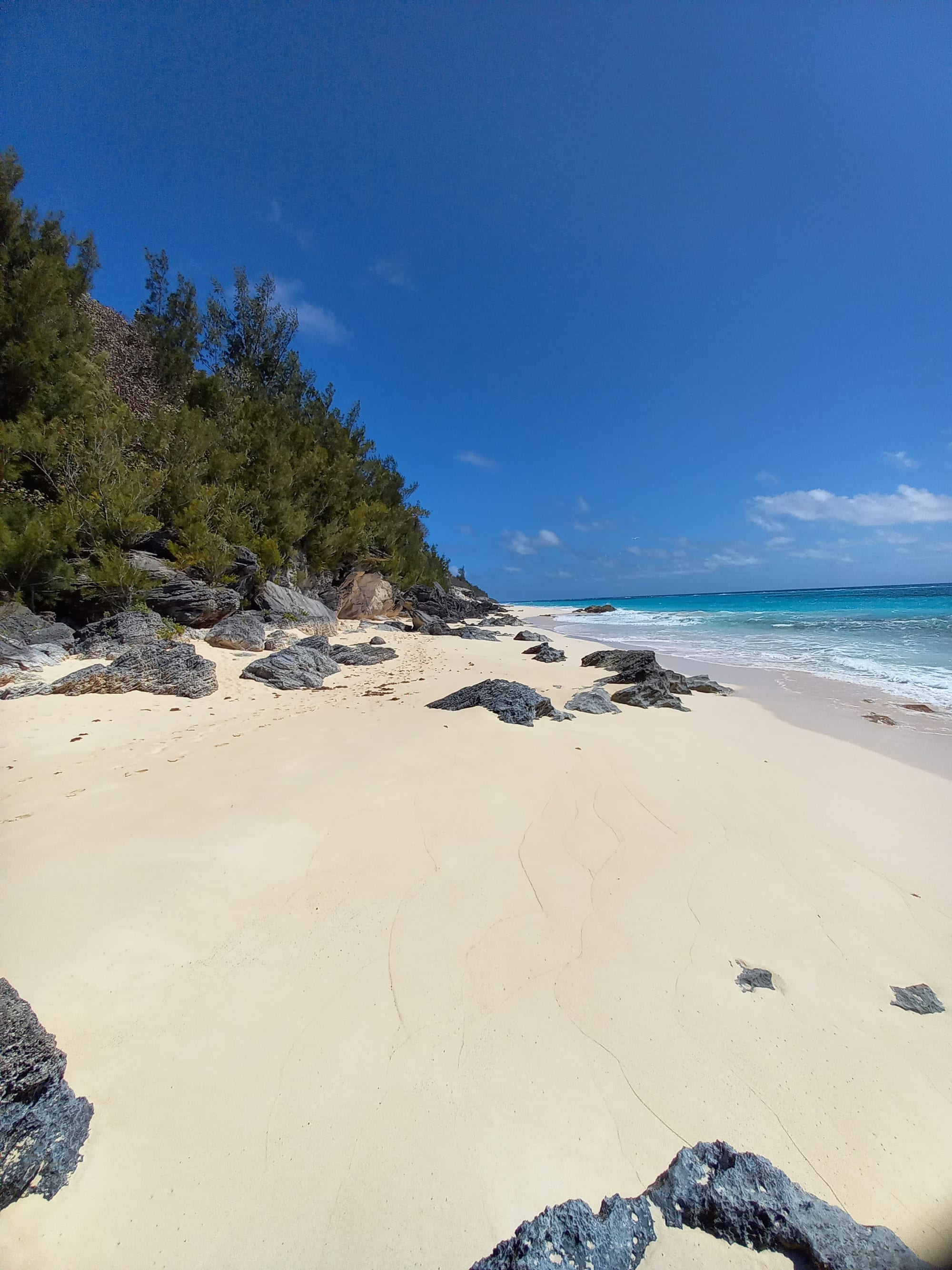
The south-shore beaches are the default destination once the working week ends, from the well-known pink sand of Horseshoe Bay to the smaller, quieter coves along the same coastline, most of them a short bus or scooter ride from anywhere on the island. Sailing and small-boat racing are woven into island life on the calmer, reef-protected north shore, and the annual Cup Match cricket fixture, played over a two-day public holiday that marks Emancipation, draws islandwide attention. Given the mild winters, outdoor leisure runs for much of the year, though the swimming season itself narrows to roughly May through October.
A visitor's ordinary day
There are no rental cars for visitors, so getting around means the buses and ferries, a taxi, or a hired scooter or small electric minicar, and a multi-day transport pass is worth buying on arrival. Cards are widely accepted and the Bermudian dollar trades one-to-one with the US dollar, which also circulates freely, so currency exchange is rarely necessary. Expect prices for food, drink and lodging to run well above those of most destinations, since nearly everything is shipped in. Tap water, drawn from household rainwater tanks, is safe to drink throughout the island.
What to take away
What defines an ordinary day in Bermuda is a set of practical adaptations to a small, isolated island: a single household car, a roof that doubles as a water source, and an economy built on international finance rather than the postcard coastline that visitors come to see.