Food · Benin
Benin: Food and the National Dish
A red corn dough eaten with chicken or fish, a rare West African cheese made by Fulani herders, and a kingdom's cooking shaped by the coast and the Sahel alike
By Worldlore Editorial · 16 September 2026
Between the coast and the Sahel
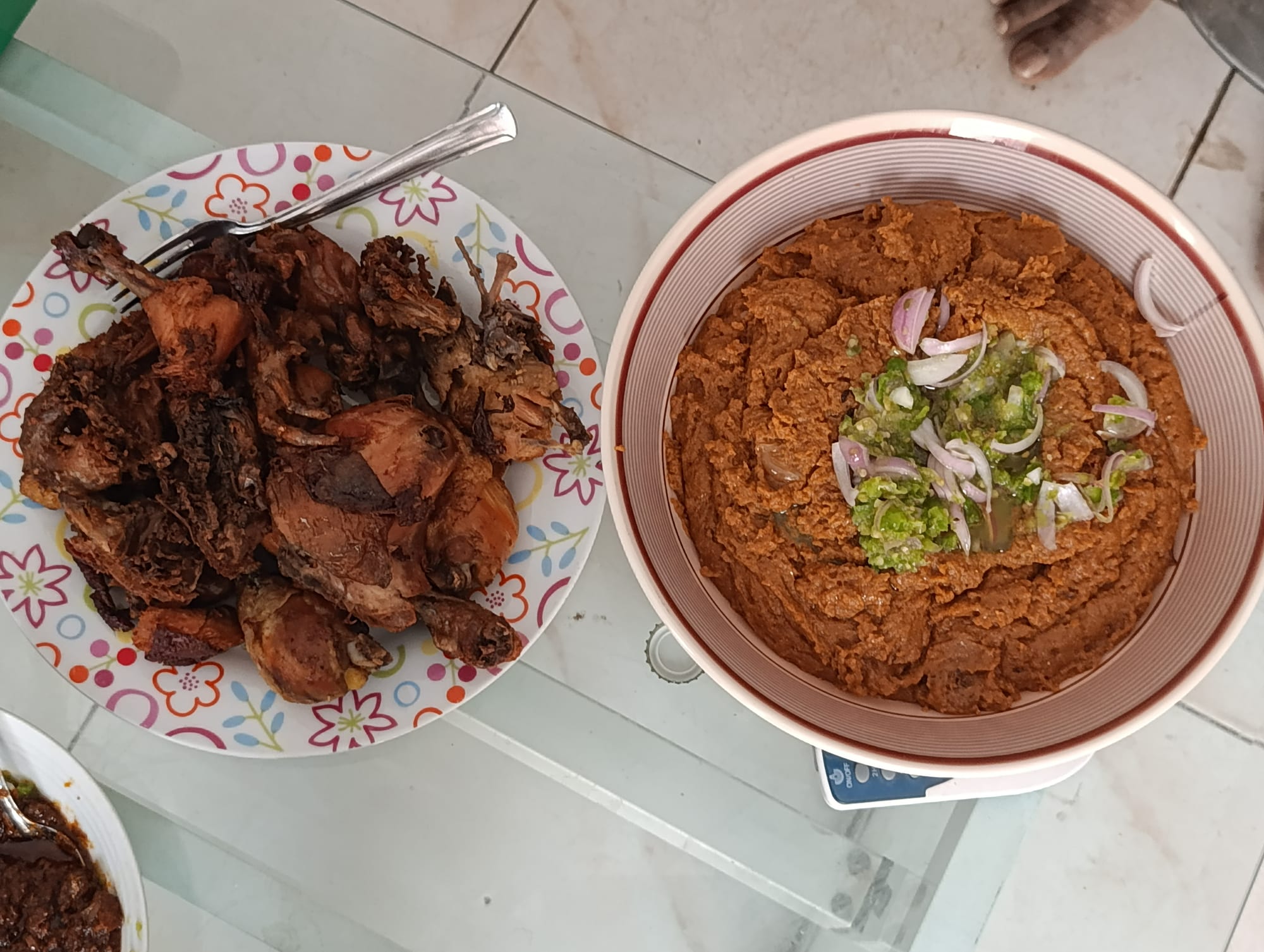
Benin runs in a long strip from the Atlantic coast up into the drier Sahel borderlands, and its food changes with that geography: palm oil, fish and tropical produce in the south, millet, sorghum and Fulani dairy farming further north. Corn and cassava provide the everyday starch nearly everywhere, cooked into a dense dough eaten with a well-seasoned sauce — the basic shape of most Beninese meals, whatever the specific version.
The national dish: pâte rouge
Pâte rouge, a thick corn dough cooked with tomato paste until it turns a deep red, is widely considered Benin's national dish, known in different regions as djinkoumé or amiwo. It is typically topped with fish, chicken or meat and its own accompanying sauce, and eaten by tearing off a piece of the dough with the fingers and using it to scoop up the rest.
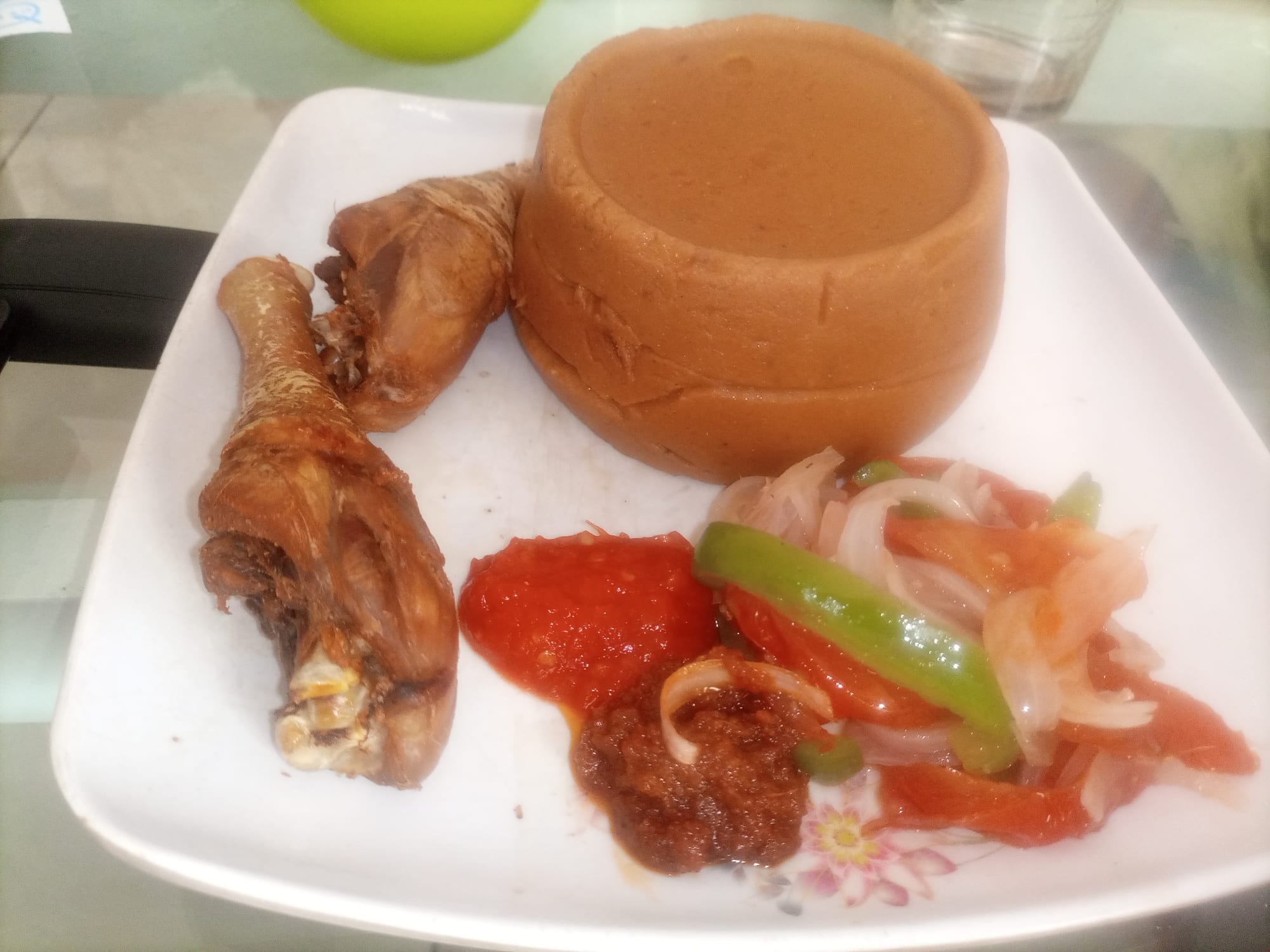
Plain white pâte, made the same way without the tomato, is just as common day to day, served with any number of sauces: peanut sauce, okra sauce, or sauce feuille made from leafy greens. Which sauce goes with which pâte is a matter of household habit and regional preference more than any fixed rule.
Wagasi and the northern dairy tradition
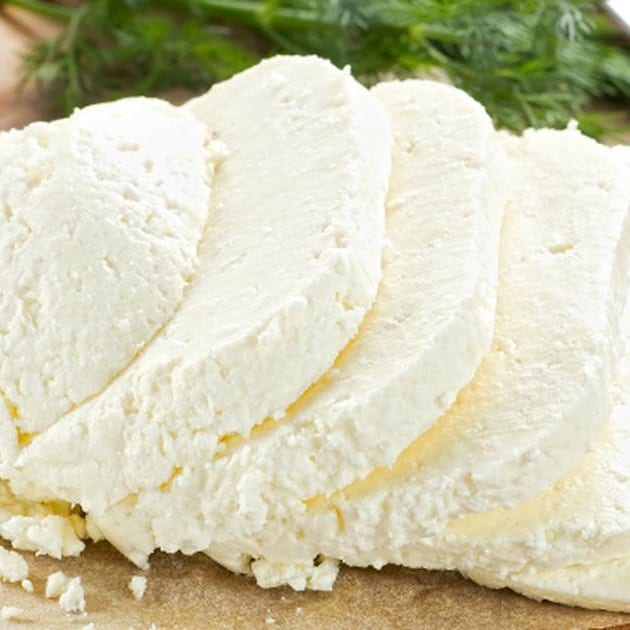
One ingredient sets Benin apart from most of West Africa: wagasi, a fresh cheese made by Fulani herders in the north, using cattle-herding knowledge that most of the region's farming cultures never developed. It is usually fried or added to stews rather than eaten raw, taking on a texture closer to firm tofu or halloumi than to a soft cheese.
Dishes to know
Five more to recognise across Benin:
- Ayimolou — rice cooked with beans, shared with neighbouring Togo and
Ghana under names including watchi and waakye.
- Sauce graine — a rich palm-nut sauce, found across the wider Gulf of
Guinea region, eaten with rice or pâte.
- Akassa — fermented corn dough wrapped and steamed in leaves, a tangier,
more sour relative of everyday pâte.
- Kluiklui — small fried peanut crackers, a common snack sold by street
vendors.
- Yovo doko — small, sweet fried dough balls sold as a popular street
snack; the name is often translated as "white man's bread".
Drinks and history on the table
Sodabi, a strong spirit distilled from palm wine, is Benin's own contribution to the region's drinking culture, alongside palm wine itself, drunk fresh and lightly fermented. Benin's food and religious life are closely linked to its history as the historical Kingdom of Dahomey and to Ouidah, one of the major ports of the transatlantic slave trade; the Vodun religion that originated in this region, with its own traditions of ritual food and drink offerings, later travelled with enslaved people to Haiti and Brazil, where it shaped Vodou and Candomblé.
Eating as a traveller
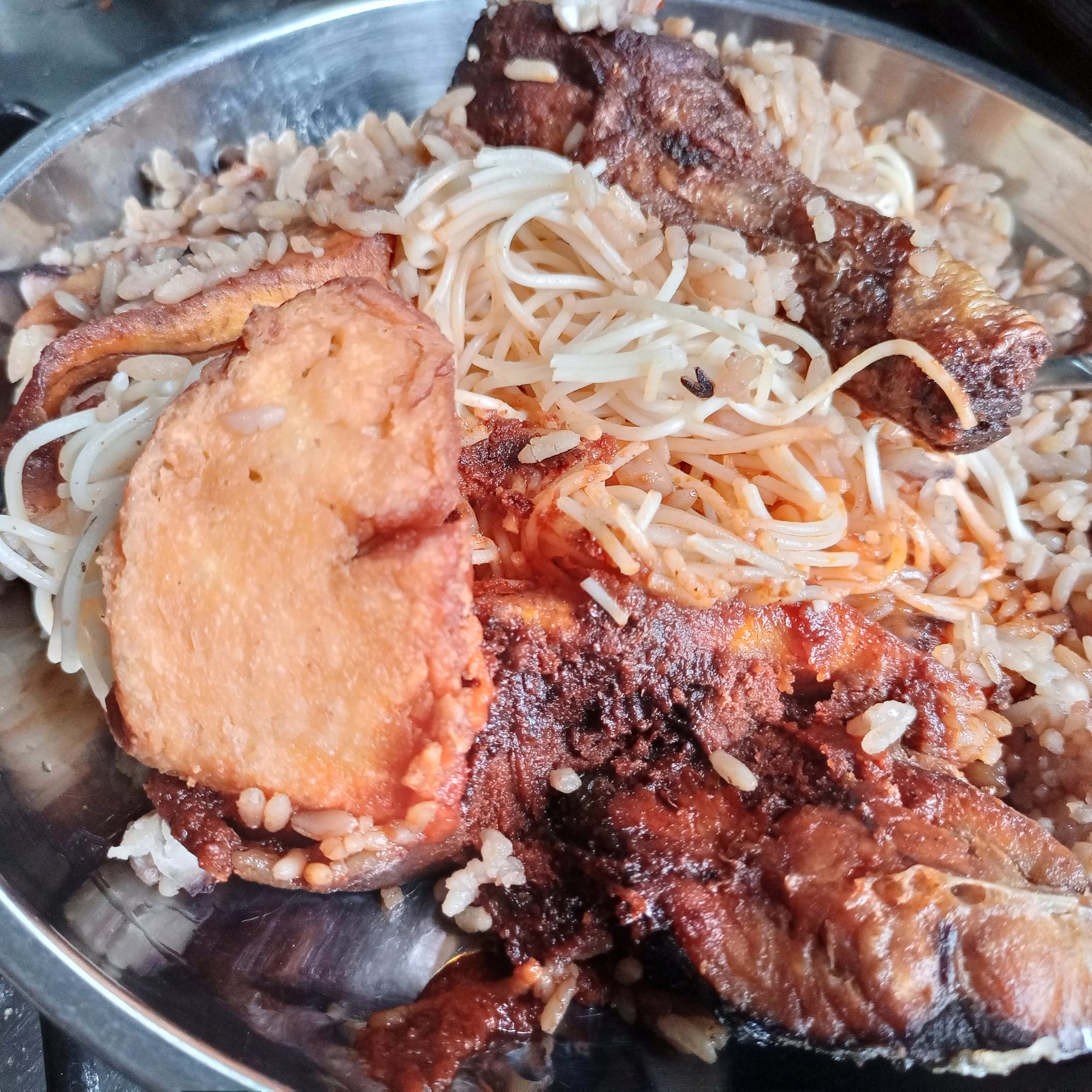
Vegetarians can rely on plain pâte with vegetable-based sauces, though peanut and palm-nut sauces are often cooked with fish stock, so it is worth asking. Tap water is not safe to drink; stick to bottled or boiled water. Street food — grilled fish, roasted plantain, yovo doko and kluiklui — is cheap and widely available in Cotonou and other towns.
What to take from the table
Pâte, in its red or white form, with whichever sauce a household favours, is the meal to try first — and wagasi is worth seeking out specifically, because it is genuinely unusual in a part of the world where fresh cheese is otherwise rare.