Daily Life · Benin
Benin: A Country That Moves by Motorcycle
Extended families still gathered under one roof, a formal working week set against a much larger informal economy, and the yellow-shirted motorcycle taxis that carry most of an ordinary day's journeys
By Worldlore Editorial · 30 September 2026
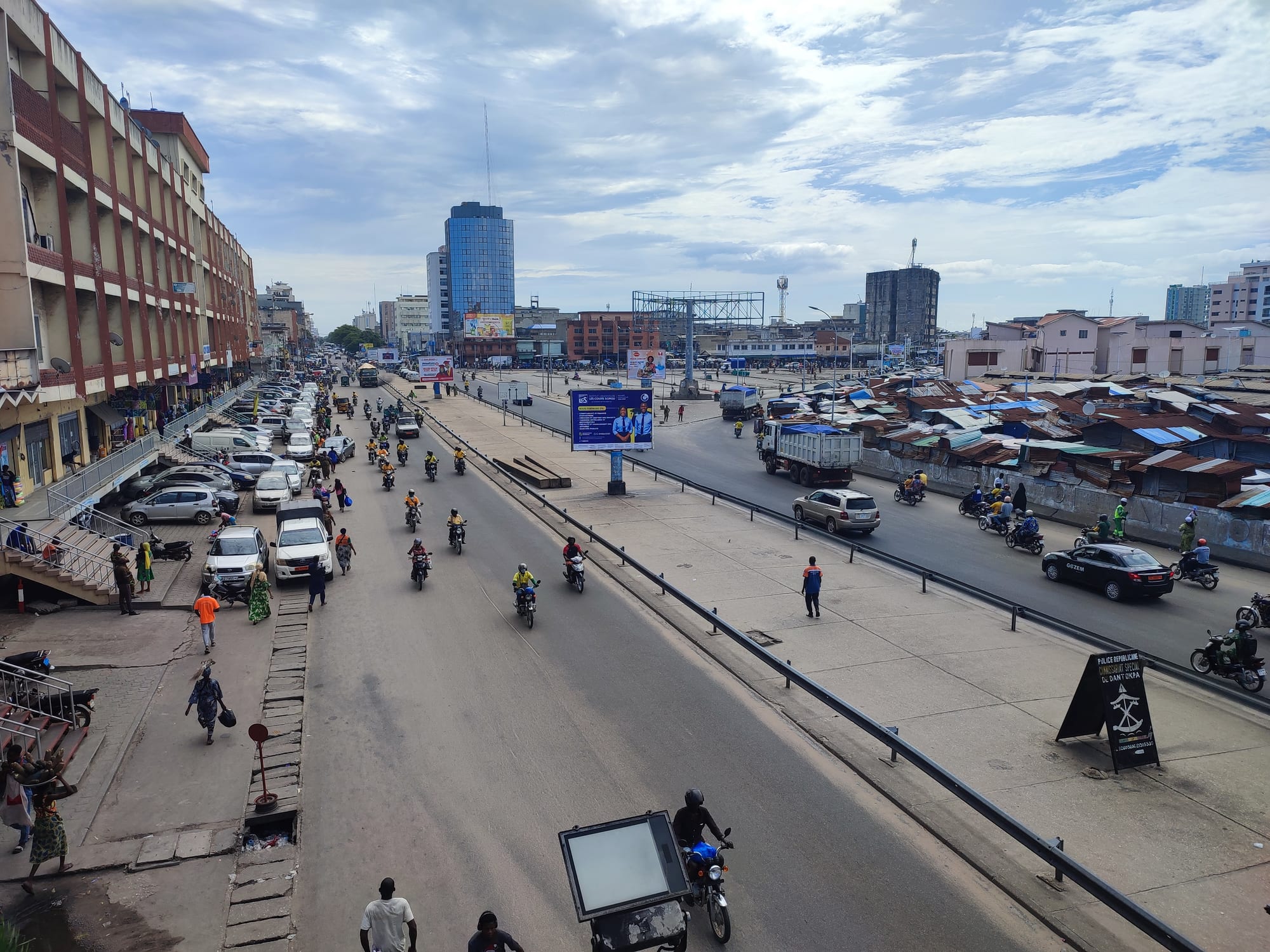
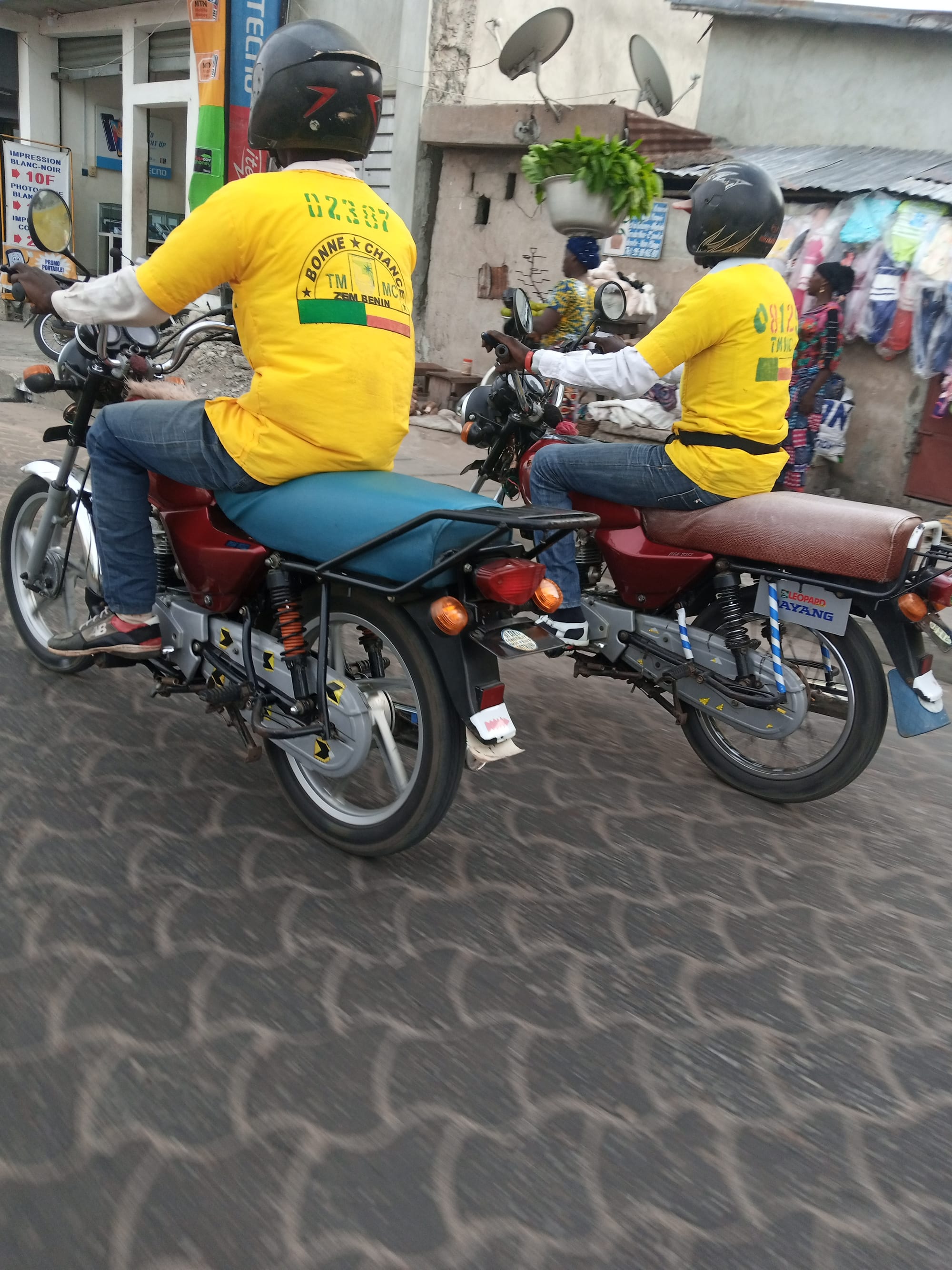
Most journeys in Benin begin with a raised hand and a motorcycle pulling over. The zémidjan, a motorcycle taxi whose name means roughly take me there quickly in Fon, is how a very large share of people actually move around a town on an ordinary day, one passenger perched behind a driver in a colour-coded shirt. Around that constant flow of traffic sits a country still heavily agricultural, where cotton, subsistence farming and brisk informal trade with neighbouring Nigeria shape daily income far more than any formal payslip, and where the extended family, rather than the single household, remains the basic unit that daily life is organised around.
Family and home life
Households in Benin are typically large and extended, and it remains common for grandparents, adult children and their own families to share a compound or a cluster of nearby rooms rather than live entirely apart. Polygamous marriage, once more common, has declined over recent decades, though it has not disappeared, and extended kin networks continue to shape who lives with whom and who helps raise whose children. Fertility remains high by global standards, about 4.6 children per woman in 2023, though it has been falling for years. Much of the population is rural, farming maize, cassava, yams and beans, while urban households in Cotonou and Porto-Novo are more likely to be smaller and nuclear, shaped by migration for work.
Work, school and the rhythm of the day
Formal labour law sets a standard working week, usually spread across five or six days, with a weekly day of rest, typically Sunday. In practice, a large share of working life sits outside that formal structure entirely: market trading, motorcycle-taxi driving, small-scale farming and cross-border trade with Nigeria, whose currency and fuel policies ripple directly into Beninese household budgets, employ far more people than any office does. Schooling is conducted in French, the country's official language, alongside Fon, Yoruba and dozens of other languages spoken at home depending on the region. In Cotonou, the working day is inseparable from its traffic: tens of thousands of zémidjan riders carry commuters, schoolchildren and goods through streets that have little in the way of a public bus network to rely on instead.
Community life and public spaces
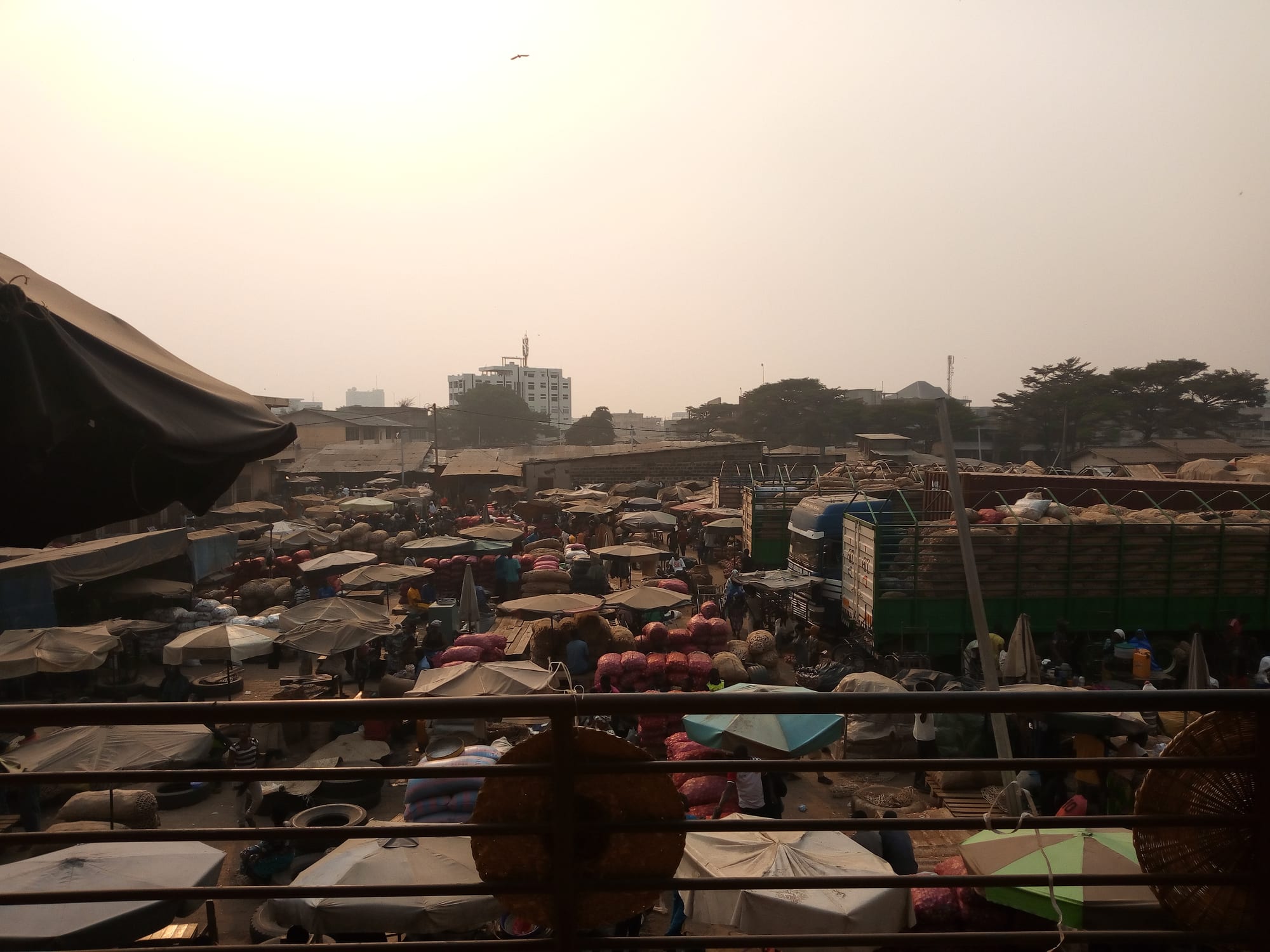
Markets are the country's real public square: Dantokpa in Cotonou, one of the largest open-air markets in West Africa, draws traders and shoppers from across the region and beyond daily commerce into a genuine civic space. Smaller daily and weekly markets play the same role in towns and villages nationwide, the place where news, goods and casual contact with neighbours actually happen. Streets themselves double as public space in a way formal parks rarely do, dense with roadside vendors, zémidjan stands and the constant movement of motorcycle traffic that defines the visual character of any Beninese town.
Free time and weekends
Sunday is the most widely shared day of rest, given over to family visits, church for Christian households and shared family meals. The calendar through the year is also punctuated by both Christian and Islamic holidays depending on the region and household, and by Vodun ceremonies that remain part of public life in the south, National Vodun Day on 10 January among them. Music, drumming and masquerade performances are common at community gatherings and festivals rather than confined to formal venues, and football is followed closely and played informally in streets and open ground nationwide.
A visitor's ordinary day
Cash dominates outside the largest hotels, and CFA francs, pegged to the euro, are the only practical currency to carry once outside Cotonou, Porto-Novo or Parakou. Zémidjan riders are the default way to cover short distances in any town; agreeing the fare before setting off is standard practice, since there are no meters. Roads are good on the main routes linking the coast to the north but rough and slow elsewhere, and night travel outside the cities is best avoided. Since around 2021 armed groups have carried out attacks in parts of the far north, and most governments advise against travel to the northern border areas and national parks. Expect markets and roadside stalls to be the most reliable source of food and everyday goods, often open longer hours than formal shops.
What to take away
What shapes an ordinary day in Benin is less any single institution than the sheer amount of daily life that happens outside formal structures altogether — in the market, on the back of a motorcycle taxi, and within an extended family network that still does much of the work a state safety net might elsewhere.