Food · Belize
Belize: Food and the National Dish
Rice and beans cooked together in coconut milk for Sunday lunch, a Garifuna dish of mashed plantain and fish, and a food culture split between more communities than almost anywhere else its size
By Worldlore Editorial · 16 September 2026
A food culture built from many communities
Belize is small but genuinely one of the most ethnically layered countries in the Americas: Creole, Garifuna, Maya (Mopan, Yucatec and Q'eqchi'), Mestizo, Mennonite, East Indian and Chinese communities all live here, and each has kept its own distinct food traditions rather than fully blending into one. English is the official language, a legacy of Belize's history as British Honduras, but the food leans as much on the wider Caribbean and on neighbouring Mexico and Guatemala as it does on Britain.
The national dish: rice and beans
Rice and beans, cooked together in coconut milk rather than boiled separately, is Belize's national dish, traditionally served with stewed chicken, potato salad and coleslaw for Sunday lunch. Cooking the rice and beans in the same pot, so the rice takes on the beans' colour and the coconut milk's richness, is what distinguishes it from similar dishes elsewhere in the Caribbean, where rice and peas are more often cooked apart and combined afterward.
Garifuna food
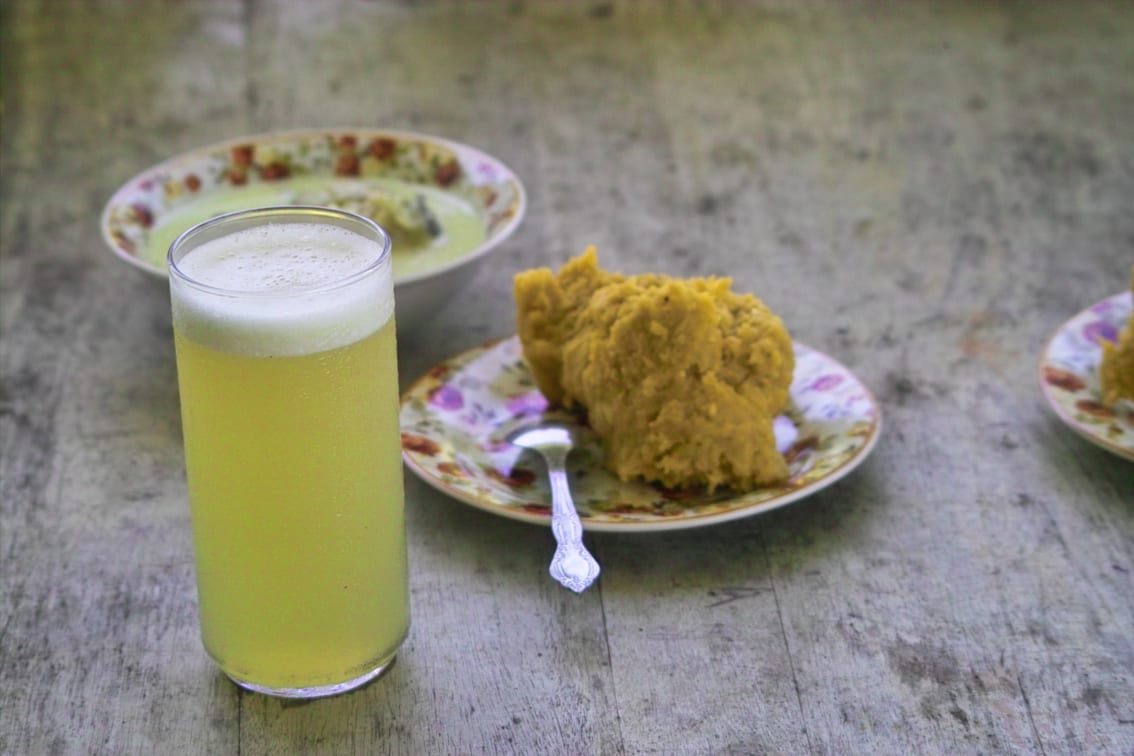
The Garifuna, descendants of West African and Indigenous Carib and Arawak peoples who settled Belize's southern coast in the 18th and 19th centuries, keep one of the country's most distinct cuisines, recognised alongside their language, dance and music as part of a UNESCO-honoured cultural heritage. Hudut, mashed plantain served with fish cooked in a coconut broth, is their best-known dish, and cassava bread, made from grated and pressed cassava root, is a Garifuna staple found nowhere else in the country in quite the same form.
Dishes to know
Five more to recognise across Belize's different communities:
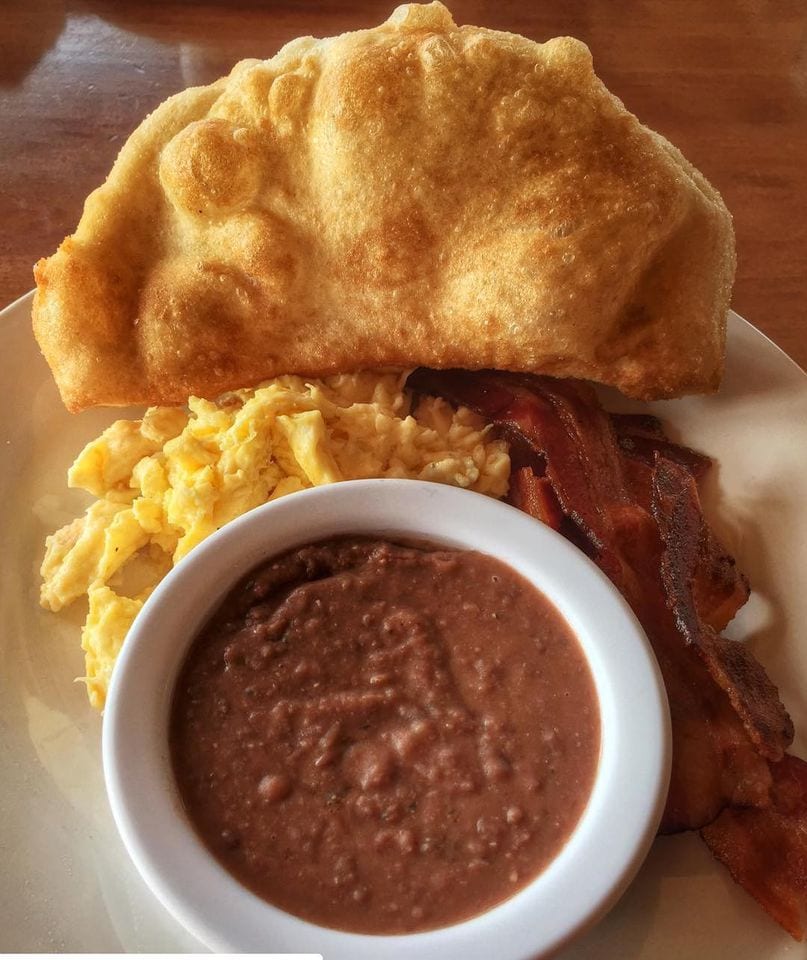
- Fry jacks — puffed fried dough, split and filled with refried beans, eggs
or cheese, the standard breakfast nationwide.
- Panades — fried corn tortilla turnovers filled with fish or beans, a
common snack with roots in the country's Yucatec Maya and Mestizo communities.
- Salbutes and garnaches — fried tortilla-based snacks topped with shredded
meat, cabbage and pickled onion, shared with neighbouring Yucatán.
- Escabeche — a tangy onion soup with Mexican roots, popular in the
Mestizo north near the Mexican border.
- Cassava bread — a flat, dense Garifuna staple made from pressed grated
cassava, traditionally baked on a griddle.
Marie Sharp's and other flavours
Coconut, lime and habanero chilli run through cooking from nearly every community here, and Belikin, the country's only domestically brewed beer, holds a similar place of pride to Marie Sharp's — there being effectively no local rival gives it an outsized role in Belizean identity.
Eating as a traveller
Vegetarians can rely on rice and beans, tortilla-based snacks and fried plantain, though most main dishes and the national dish itself are built around meat, fish or coconut-based broths with fish stock. Tap water is generally safe in Belize City and the main tourist areas, though bottled water is common practice. Seafood on the cayes and coast — conch, lobster, snapper — is a genuine highlight and usually very fresh.
What to take from the table
Rice and beans with stewed chicken is the dish to try first, but Belize's real culinary story is its range — a plate of hudut on the southern coast and a plate of salbutes near the Mexican border can come from the same small country and taste like two entirely different places.