Daily Life · Belgium
Belgium: Living on Either Side of the Line
Small, shrinking households in terraced streets, a school week broken by a free Wednesday afternoon, and a language border that quietly decides which classroom, which news bulletin and which side of a shop counter a family grows up on
By Worldlore Editorial · 30 September 2026
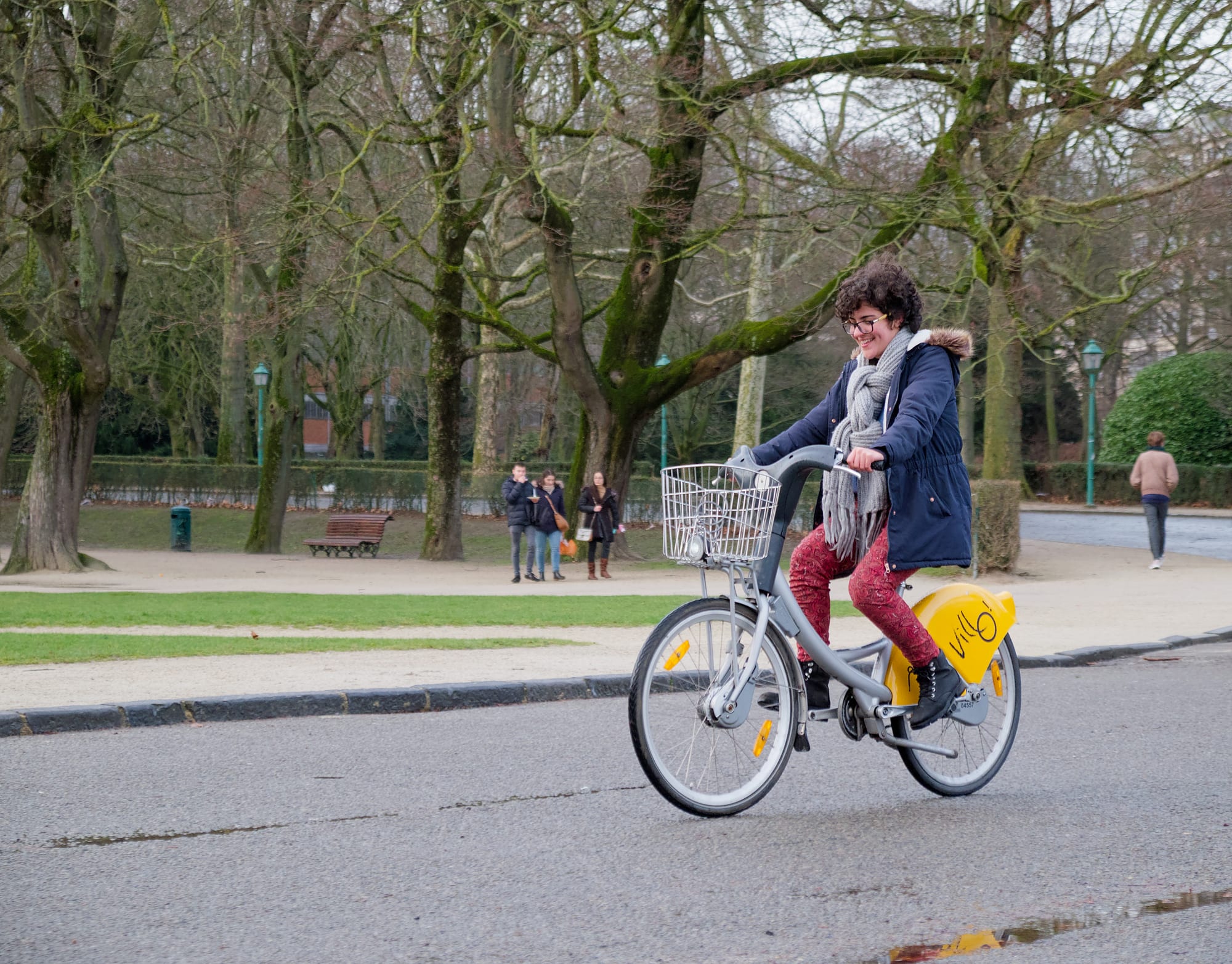
An ordinary day in Belgium is short on drama and long on small, practical rhythms. Bicycles share the road with trams and delivery vans from the first commute onward, and some of the week's shopping still happens not in a supermarket aisle but at a stall in the town square, where a weekly market sets up early and packs away again a few hours later. Many people live close to their neighbours, often in narrow terraced houses that run in unbroken rows down older village and city streets, in households that have grown steadily smaller for decades. Running through the middle of it all, invisible but entirely real, is the line between Dutch-speaking Flanders and French-speaking Wallonia, a border that decides which language a child is taught in, which news bulletin plays in the kitchen, and which side of a shop counter someone is served on.
Family and home life
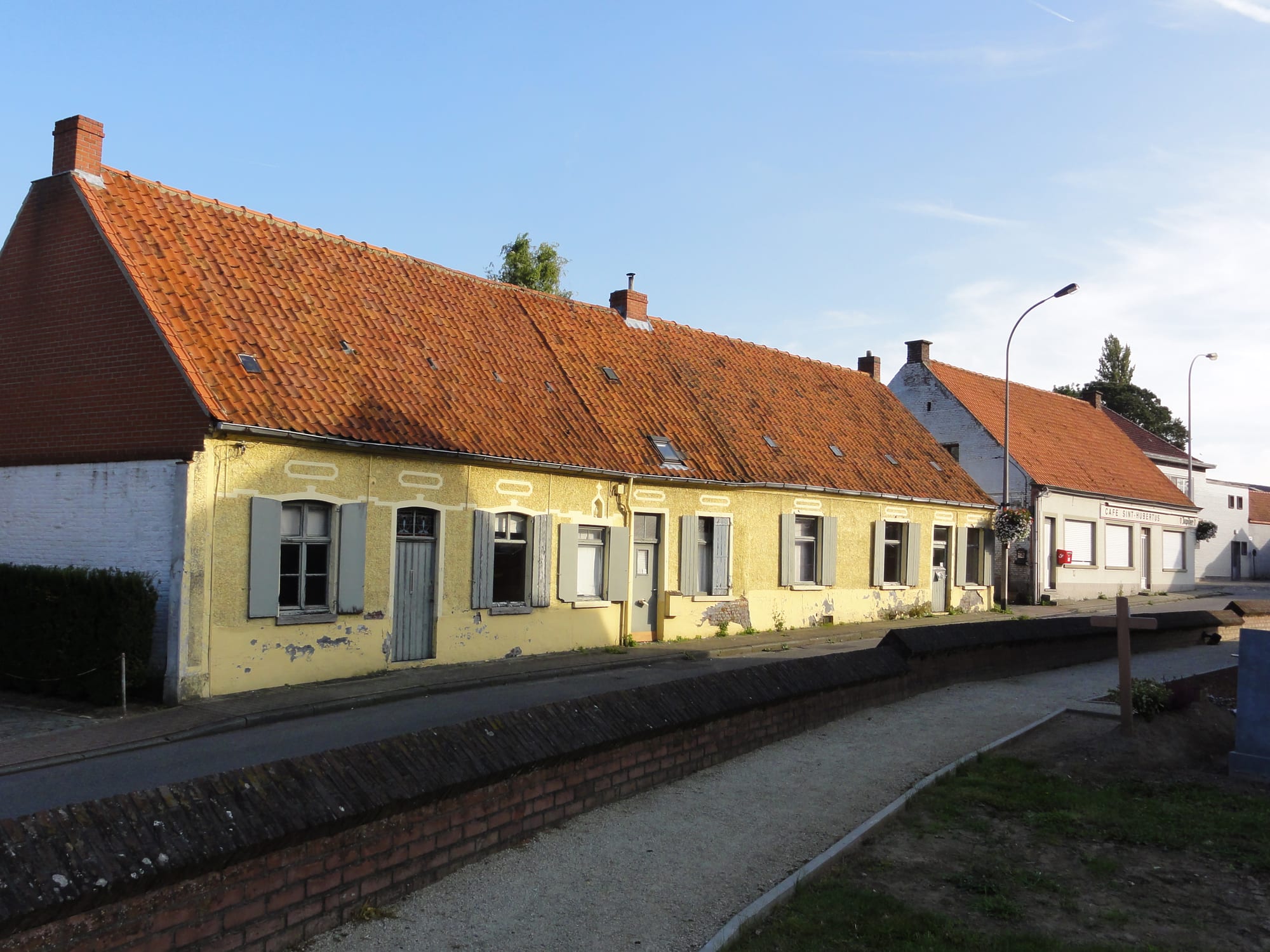
Belgian households have been shrinking for decades: the average size fell from 2.43 people in 1995 to 2.25 by 2025, and just over a third of all households now consist of one person living alone, according to Statbel, the national statistics office. Where families do share a home, they tend to be small, and lone-parent families are a familiar part of the picture. Terraced housing is common, narrow brick houses standing wall to wall along a street, each with its own front door directly onto the pavement, alongside the semi-detached and detached houses that line many newer streets and village roads. Multigenerational households, common in many parts of the world, are the exception here rather than the rule.
Work, school and the rhythm of the day
The standard working week is 38 hours, and since 2022 many employees have had a legal right to disconnect from work email and messages outside working hours, first for federal civil servants and, from 2023, through written policies that private employers with 20 or more staff must adopt. Workers can also request to compress their hours into a four-day week, taking one weekday off in exchange for longer shifts on the others. School follows its own rhythm: education is compulsory from age five to eighteen, primary pupils are typically in class from around 8:30 in the morning to 3:30 in the afternoon with a long midday break, and Wednesday afternoons are traditionally free of lessons nationwide, a long-standing gap in the week that many families fill with sport, music lessons or a scout-style youth movement. Schooling itself runs through one of three separate systems, Dutch-medium, French-medium or German-medium, depending on which side of the language border a family lives.
Community life and public spaces
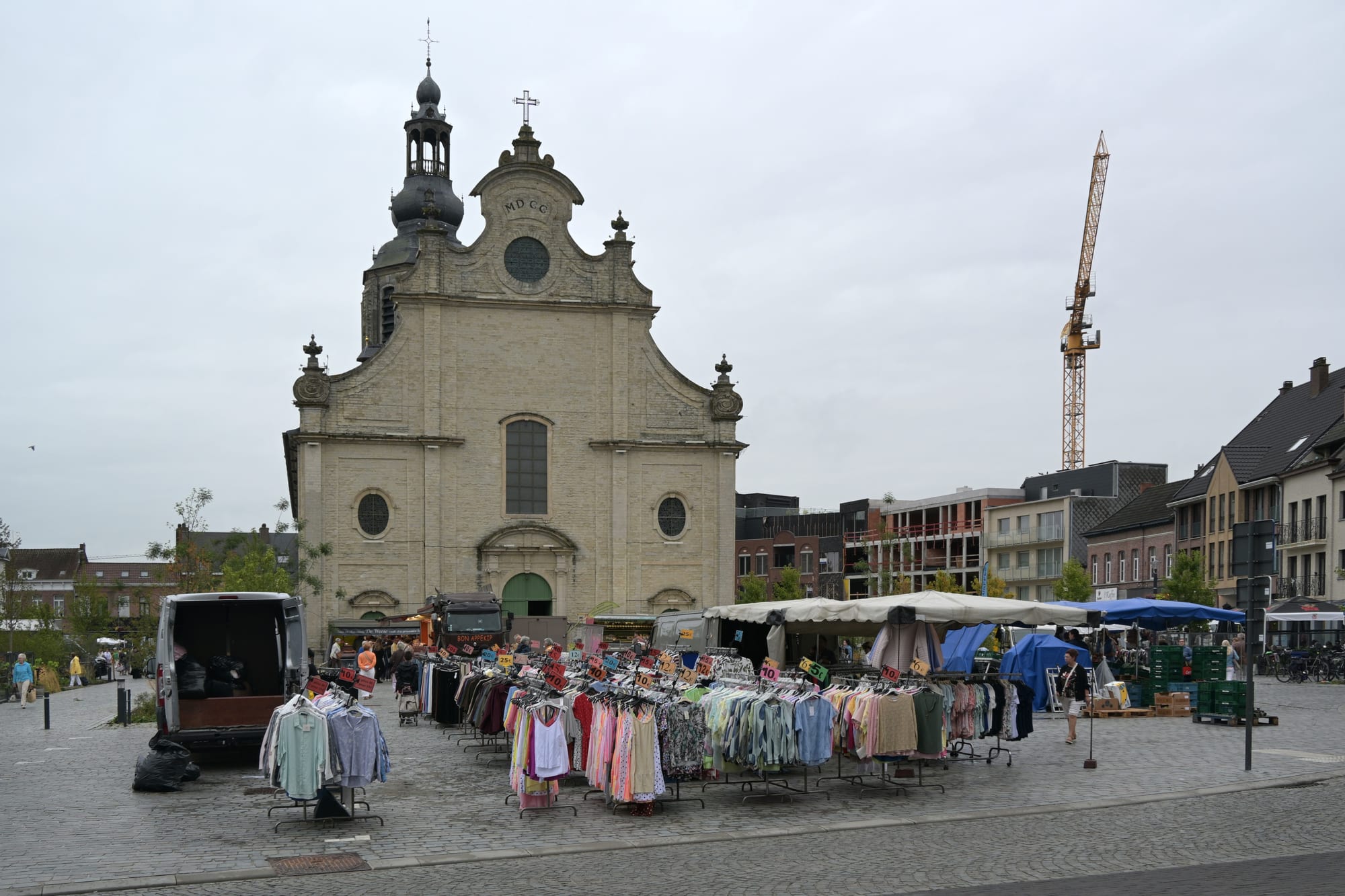
Many towns, large and small, still hold a weekly outdoor market, stalls set up in the main square from early morning selling food, flowers, clothes and household goods before packing away again a few hours later. Cafés and their pavement terraces function as a kind of extra living room for the street, filling through the afternoon and early evening whenever the weather allows. Belgium's rail network is dense for the size of the country, carrying around 245 million passengers in 2024, and trains, trams and buses do much of the work a car would elsewhere. Cycling is a genuine mode of transport rather than only a leisure activity, especially in Flanders, where close to one in five of all journeys is made by bike and around one worker in six commutes by bicycle alone.
Free time and weekends
Weekends and evenings are when cycling shifts from commute to leisure, whether that means a family ride along a dedicated cycle path or, in cities, picking up a shared bike from an automated docking station rather than owning one outright. Youth movements play an outsized role in how Belgian children and teenagers spend their free time: scouting-style groups across the country count roughly 160,000 members between them, spread across more than a dozen separate organisations. Football is followed closely nationwide, watched at home or in a café as often as at the stadium, and a Sunday lunch that runs long into the afternoon remains a common fixture of family life.
A visitor's ordinary day
Card and phone payment are accepted almost everywhere, though it is worth carrying some cash for small bakery purchases, market stalls and the odd older café that has not gone fully cashless. Trains link every sizeable town, running frequently enough that many visitors never need a car; buses, trams and metros cover the cities themselves. Many shops close on Sundays outside tourist areas, so errands are best done on other days. Drivers should know that traffic coming from the right generally has priority at unmarked junctions, a rule that catches out visitors used to different conventions, and it is worth keeping bags closed and in sight around Brussels's main stations and on the metro, where pickpocketing is the most common problem travellers actually encounter.
What to take away
What defines an ordinary day in Belgium is less any single custom than its careful smallness: small households, small distances between towns linked by rail and cycle path, and a language border running quietly through the middle of it that shapes a family's daily life more than almost anything else does.