Food · Belarus
Belarus: Food and the National Dish
A nation built so thoroughly around the potato that its people are nicknamed after it, served alongside sour cream, forest mushrooms and a vodka flavoured with bison grass
By Worldlore Editorial · 16 September 2026
A country built on the potato
Belarusians sometimes call themselves "bulbashi" — people of the potato, from bulba, the Belarusian word for it — and the joke carries real truth. Belarus's flat, forested, lake-dotted land suits potatoes, rye, dairy and pork far better than it suits the wheat and sunshine crops of southern Europe, and the cuisine that has grown from that is hearty, simple, and built to get a family through a long winter, with a deep foraging tradition of mushrooms and berries filling out what the fields don't provide.
The national dish: draniki
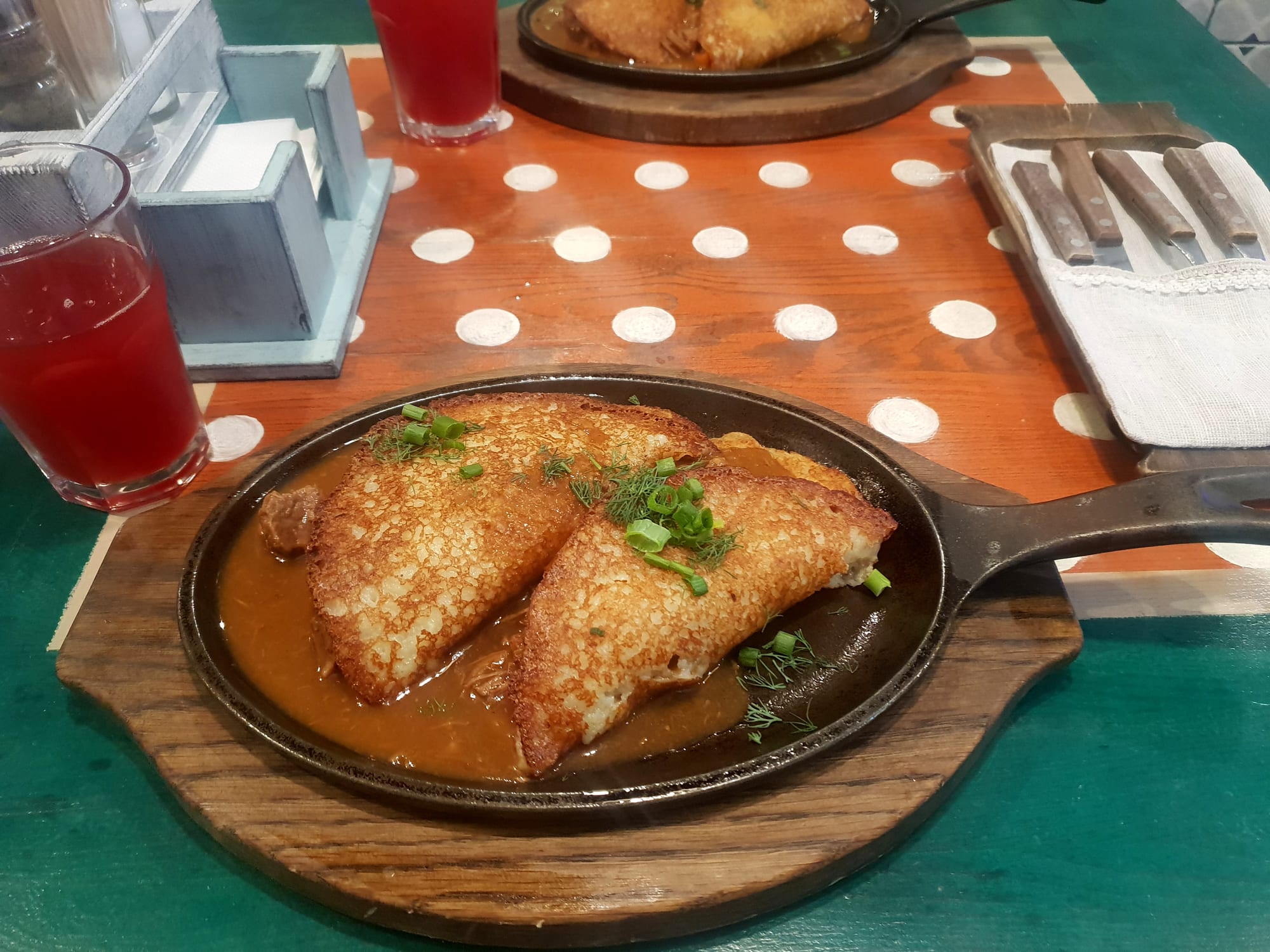
Draniki — potato pancakes made from grated raw potato, egg and a little flour, fried until the edges turn crisp and brown — are Belarus's clearest national dish, eaten everywhere from home kitchens to the country's smartest restaurants.
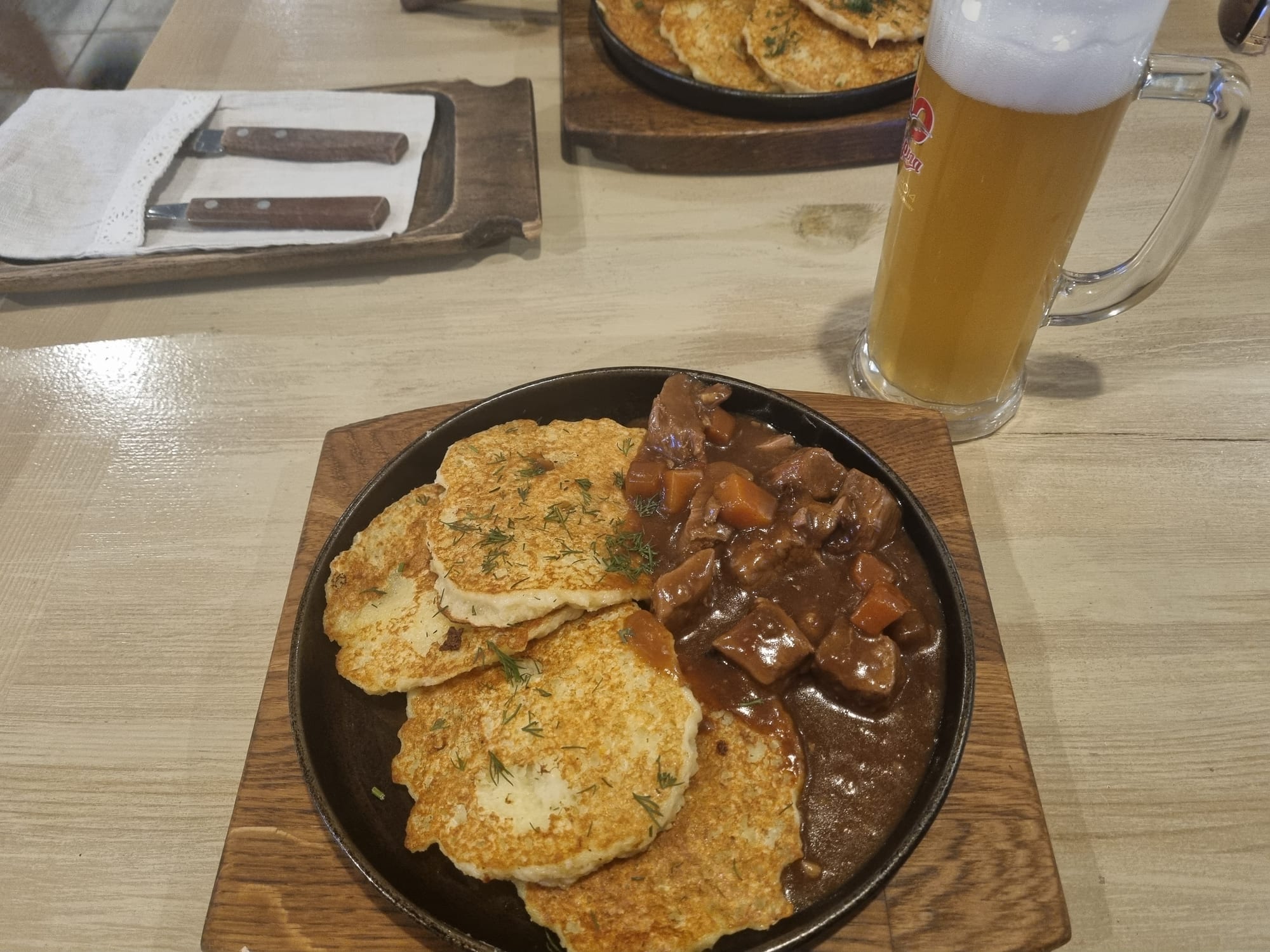
They are usually topped with sour cream, sometimes with cracklings or mushrooms, and occasionally filled with meat rather than served alongside it. Simple as the dish is, Belarusians take real pride in it, and arguments over whose grandmother made the best draniki are a genuine national pastime.
Sour cream, mushrooms and the forest larder
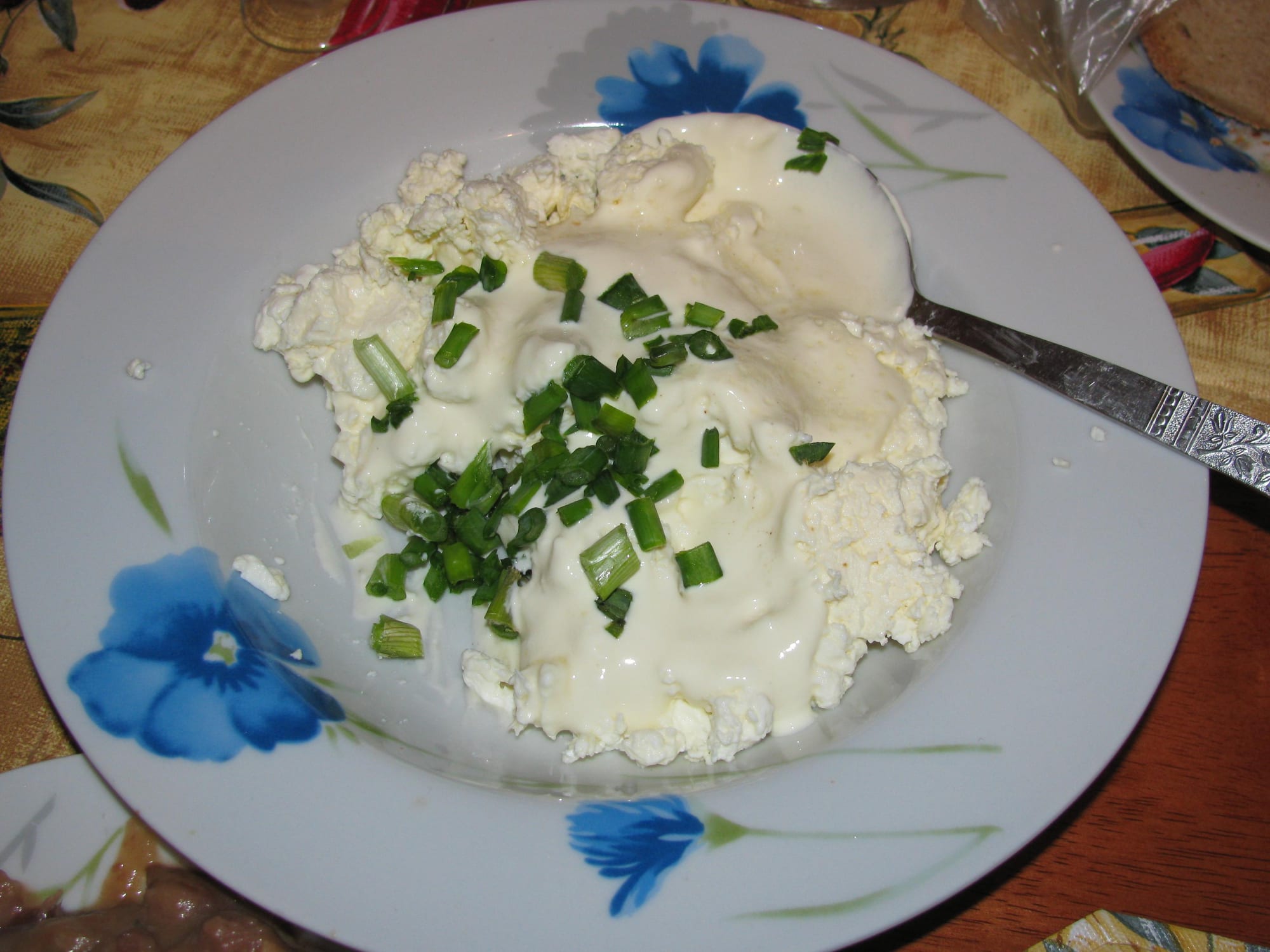
Sour cream, smetana, is close to a condiment for everything here, stirred into soups and spooned over pancakes and dumplings alike. Belarus's forests cover roughly two-fifths of the country, and mushroom and berry foraging is a serious, widely practised hobby rather than a niche interest — pickled and marinated wild mushrooms are a fixture of the table, especially in winter, when little else is fresh.
Dishes to know
Five more to recognise on any Belarusian table:
- Machanka — a pork stew in a thick, flour-bound gravy, traditionally
served with draniki or thin pancakes for dipping rather than plain bread.
- Kolduny — dumplings filled with meat or mushrooms, part of the same wider
Eastern European dumpling family found under different names right across the region.
- Kholodnik — a cold beetroot soup finished with sour cream, kefir or
buttermilk, eaten chilled through the summer months.
- Draniki babka — a baked, grated-potato casserole, sometimes layered with
meat, distinct from the sweet babka cake found elsewhere in Eastern Europe.
- Borscht — the beetroot soup shared across the wider Slavic world, made and
argued over in Belarus just as fiercely as in Ukraine, Russia and Poland.
Kvass, vodka and drinking customs
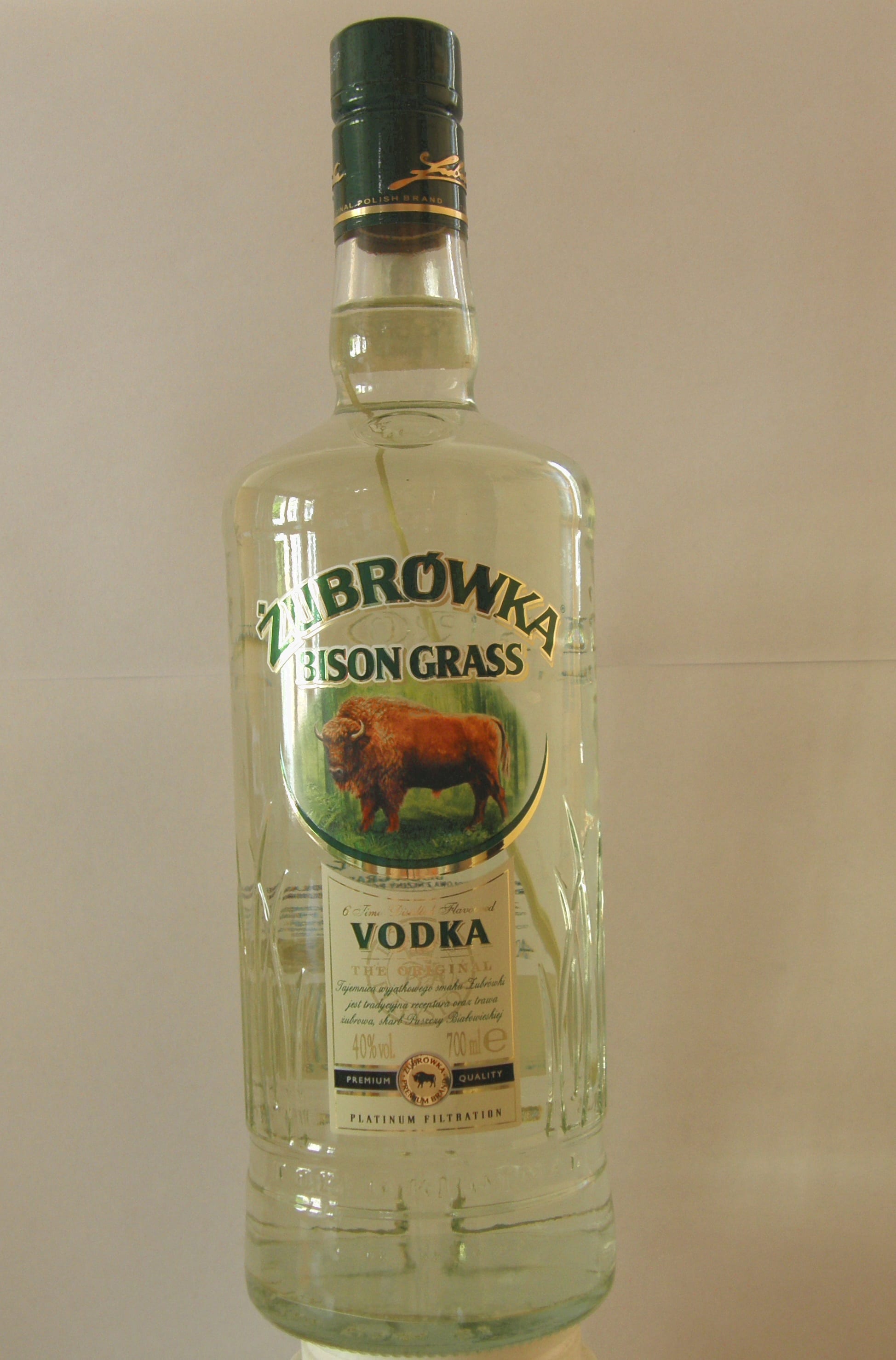
Kvass, a lightly fermented drink made from rye bread, is the everyday non-alcoholic staple, sold from tanks on street corners in summer the way lemonade might be elsewhere. Vodka is the serious drink, often flavoured — bison-grass vodka is the best known abroad — and toasting customs at a shared table follow the same rhythm found across the wider Slavic world: small glasses, frequent toasts, and food always on hand to go with them.
Eating as a traveller
Vegetarians can rely on potato dishes, mushroom preparations, and vegetable-based borscht, though sour cream and animal fat show up in unexpected places, so it is worth asking. Tap water is generally treated as safe in Minsk, though many people drink bottled or filtered water out of habit rather than necessity. Belarusian hospitality runs toward generous portions and a genuine expectation that guests eat and drink well, so pace yourself accordingly.
What to take from the table
Draniki, made properly and eaten hot with sour cream, is the dish that explains Belarusian food better than any other — simple, filling, and built from what the land here actually provides in abundance.