Daily Life · Barbados
Barbados: Where the Bus Leaves When It's Full
Grandparents helping raise the children while parents work, a school day bookended by uniforms and the bus fare, and a privately run minibus system that pulls out only once every seat is taken
By Worldlore Editorial · 30 September 2026
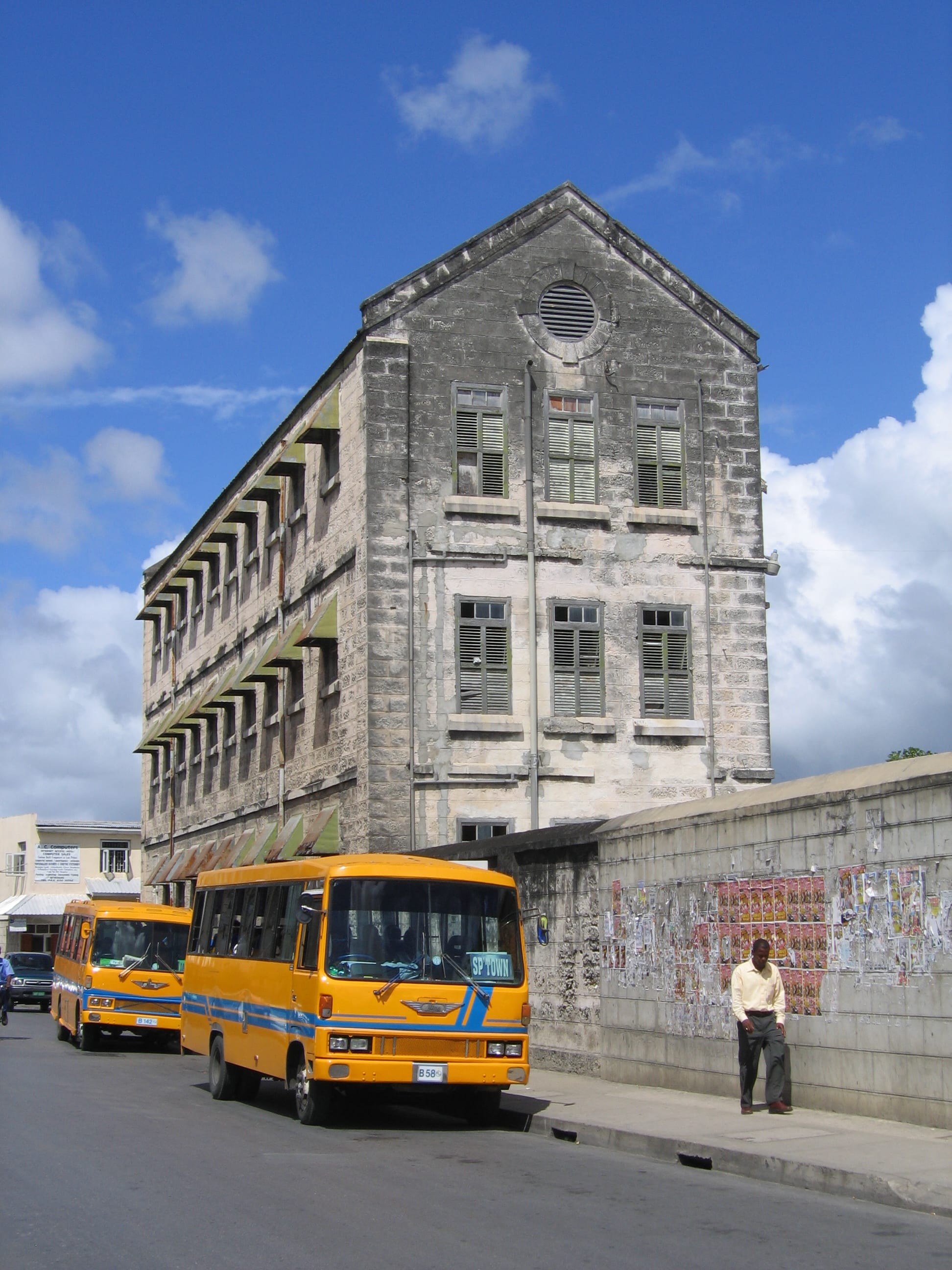
On an ordinary morning in Barbados, the day starts with a uniform, a bus fare kept ready in a pocket, and, somewhere on the route into town, a privately run minibus that will not pull away from the kerb until every seat, and often the folding jump seats too, is filled. With around 280,000 people on one of the most densely populated islands in the world, nearly everyone lives within reach of a bus stop, a village shop and a rum shop, and the day's rhythm is set less by the clock than by when the next vehicle is ready to go.
Family and home life
Households in Barbados vary more than a single model suggests. Many are built around a married couple and their children, but a large share are organised around a mother and her children, sometimes spanning three generations of women in one house. Grandparents routinely help raise grandchildren, particularly when a mother is young or when parents are working long hours or living abroad, a pattern researchers call child-shifting rather than a departure from family life. Many Bajan families also keep close, active ties to relatives who have settled in the United Kingdom, the United States or Canada, corresponding regularly and returning for weddings, funerals and Crop Over.
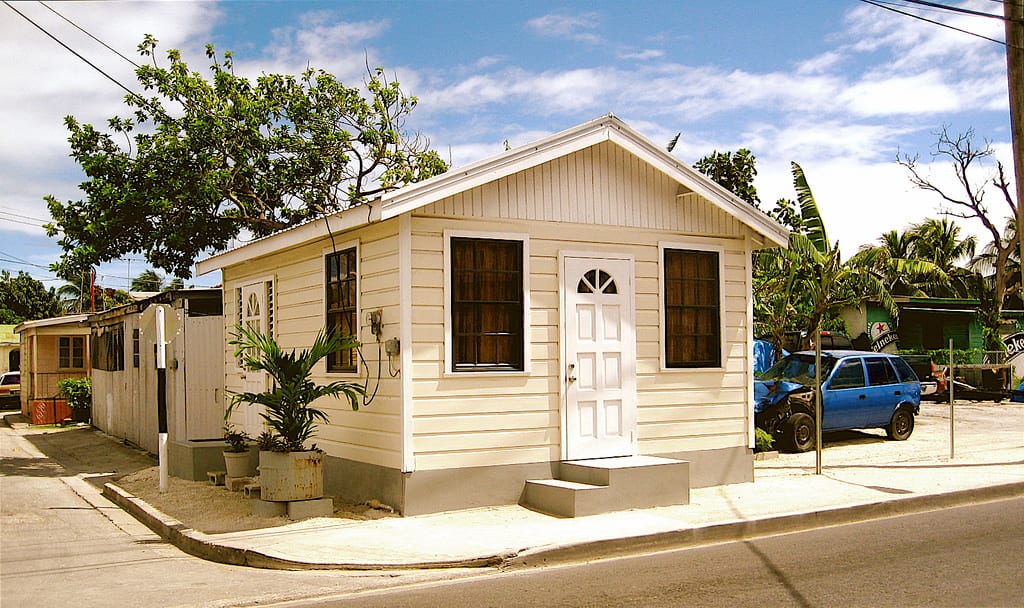
Housing is mostly low-rise despite the island's density: single-storey homes, many descended from the moveable wooden chattel house, line village roads rather than stacking into towers, and it remains common for adult children to live near, if not always with, their parents and grandparents.
Work, school and the rhythm of the day
The working week generally runs Monday to Friday on something close to a standard 40-hour, eight-hour-day pattern, with roughly a dozen paid public holidays through the year. Tourism and financial services are the two mainstays of the economy, alongside a sizeable civil service, and both keep fairly conventional office hours even as hotels, restaurants and the minibus system run on a longer and less fixed day.
School generally starts between eight and nine in the morning and lets out in the early-to-mid afternoon, and uniforms are worn at both government and private schools nationwide. Barbados is also home to the Caribbean Examinations Council, and the region-wide exams it sets, the CXC/CSEC, are what most secondary students sit at around sixteen, after five years of secondary school, a shared academic milestone across the English-speaking Caribbean rather than a purely Barbadian one.
Community life and public spaces
The minibus system carries much of the island's daily contact between strangers. Government-run blue buses follow fixed routes and timetables, but the privately operated yellow minibuses and white-and-maroon ZR vans that fill in the gaps run set routes but often wait at the terminal until they are full rather than keeping to a strict timetable, with music, often played loud, as standard rather than exceptional. Fares are a flat rate regardless of distance, so a short hop and a cross-island trip cost the same.
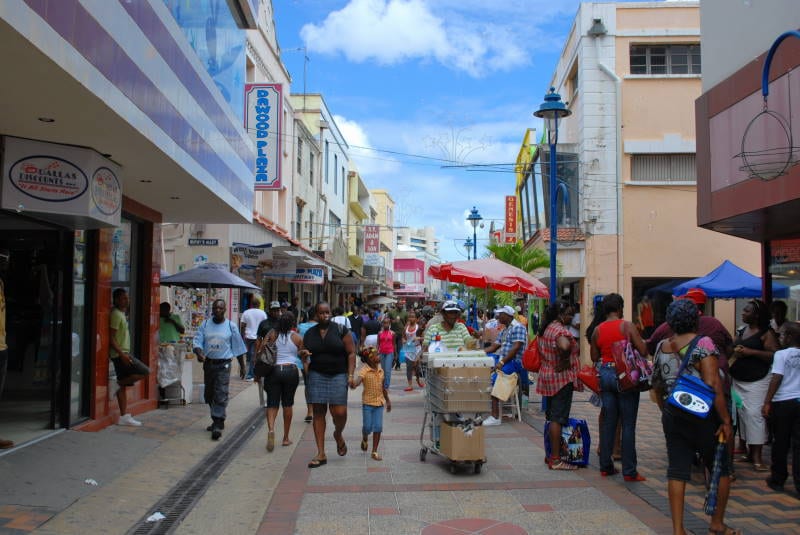
Beyond Bridgetown's pedestrianised shopping streets and its markets, the rum shop is the other fixture of public life: a small, often family-run shop-cum-bar found in effectively every village, by some estimates well over a thousand of them island-wide, functioning as general store, pub and informal meeting place rolled into one.
Free time and weekends
Cricket is followed with real intensity nationwide, and Kensington Oval in Bridgetown, one of the region's oldest grounds, draws crowds for international matches that spill over into homes and rum shops tuned to the same broadcast. One of the island's busiest roundabouts, at Wildey, is named after Sir Garfield Sobers, a measure of how deeply the game is woven into everyday geography, not just weekend leisure. Church remains a common part of the Sunday routine for many Bajans, though the picture has diversified sharply: the Anglican church, once the overwhelming majority faith, now counts under a quarter of the population, with Pentecostals close behind and many other denominations active on the island. Weekends otherwise centre on family lunches and, for those near enough, time at the beach.
A visitor's ordinary day
The Barbadian dollar is pegged to the US dollar at a fixed rate of two to one, US dollars are widely accepted, and cards work at most hotels, restaurants and shops, though small notes are useful for buses and minibuses. A ride on a government bus, yellow minibus or ZR van costs the same flat fare regardless of distance, paid in cash; government buses take exact fare only and give no change, while minibuses and ZRs usually can, and children in school uniform ride government buses free. Because many roads and rural addresses are still identified by parish, landmark or historic plantation name rather than a street number, a GPS pin or ride-hailing app can struggle where a taxi driver or a local would not. And on the coast, every beach is legally open to the public, so if a resort's own frontage is awkward to reach, a nearby public beach access point leads to the same sand.
What to take away
An ordinary day in Barbados is organised less by a fixed timetable than by what is actually full or open at a given moment, whether that is a minibus, a rum shop, or a household stretched across three generations and sometimes three countries.