History · Barbados
Barbados: Sugar Island to Republic
The colony that invented the English plantation system — three centuries of sugar and slavery, then a Black-majority democracy, and in 2021 a republic
By Worldlore Editorial · 10 September 2026
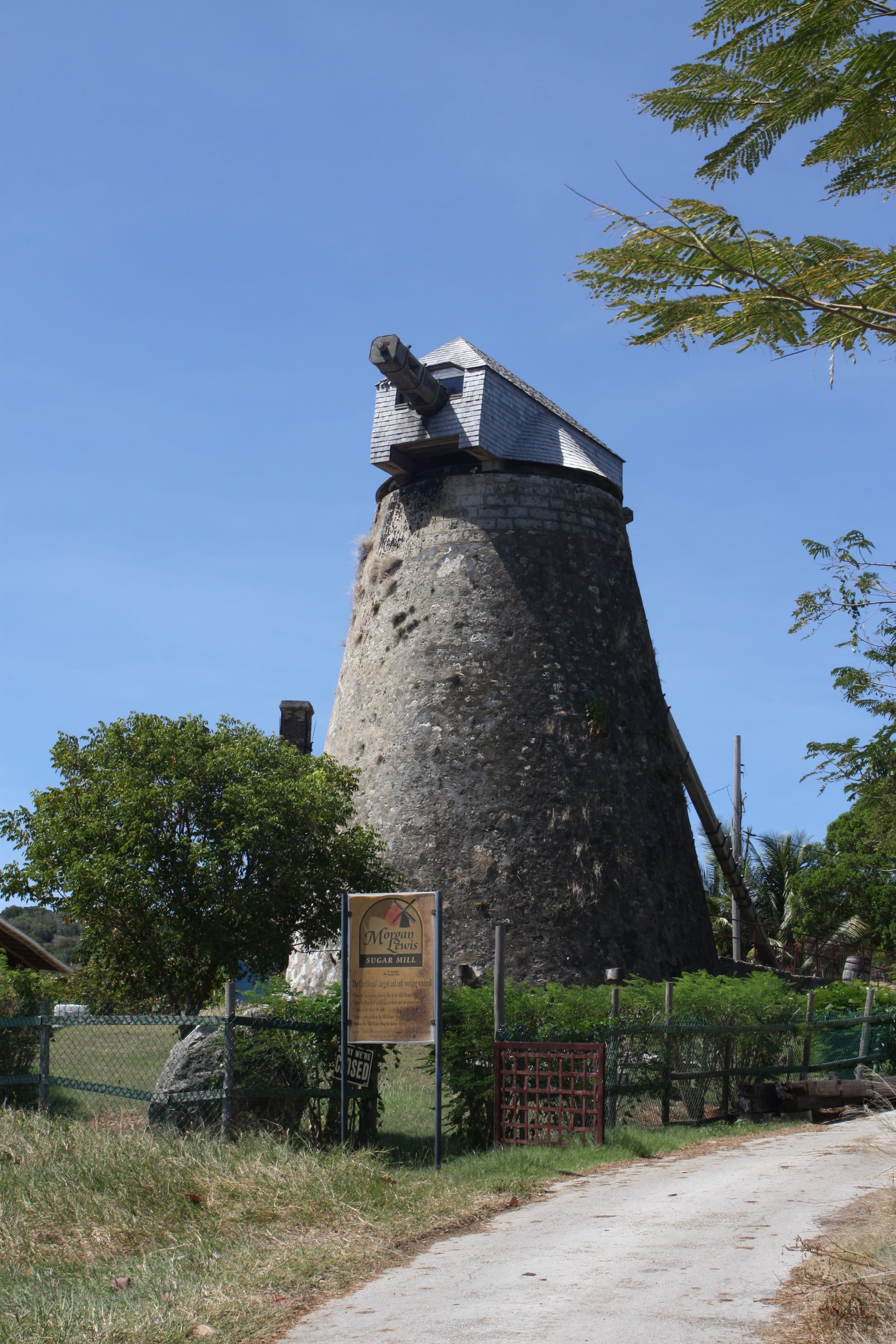
The island that made a system
Barbados is a small, flat island of coral limestone, out on its own in the Atlantic east of the main Caribbean chain. It has no mountains, no rivers to speak of, and — once the forest was cleared — nearly every acre was suitable for sugar cane. In the middle of the 17th century, English planters here worked out how to combine large estates, imported African slave labour, and a cash monopoly crop into a single machine for making money. That machine, the plantation system, was then exported across the English Americas. Barbados was where it was assembled, and its whole subsequent history has been about living with the results.
A short history
- c. 350–1500 CE
The first islanders
Arawak and later Kalinago peoples settle Barbados, which is empty by the time Europeans arrive.
- 1627
English settlement
Colonists land and grow tobacco and cotton with indentured labour.
- 1640s
The sugar revolution
Dutch capital and enslaved Africans turn Barbados into the first English plantation colony.
- 1661
The slave code
Barbados enacts the first comprehensive slave law in English America.
- 1816
Bussa's rebellion
The largest slave revolt in the island's history is crushed.
- 1834–1838
Emancipation
Slavery ends, but a landless wage-labour society remains.
- 1937
The riots
Labour unrest gives rise to trade unions and mass politics.
- 30 November 1966
Independence
Barbados becomes a sovereign state under Errol Barrow.
- 30 November 2021
Republic
Barbados removes the British monarch as head of state.
Settlement and the sugar revolution
Barbados was inhabited for over a thousand years by Arawak and then Kalinago people, but by the time an English ship claimed it in 1625 the island was empty — its population had gone, taken as slaves by the Spanish or driven off. English settlers arrived in 1627 and spent the first two decades growing tobacco and cotton on modest farms worked by indentured servants, many of them shipped out against their will from Britain and Ireland.
Then, in the 1640s, Dutch merchants driven out of Brazil brought sugar-cane technology, credit, and access to the Atlantic slave trade. Within a generation Barbados was transformed. Smallholdings were bought up into large plantations; white servants were pushed off the land and out of the colony; and enslaved Africans, imported in ever-greater numbers, became the majority of the population. By 1660 Barbados was the richest English colony in the Americas.
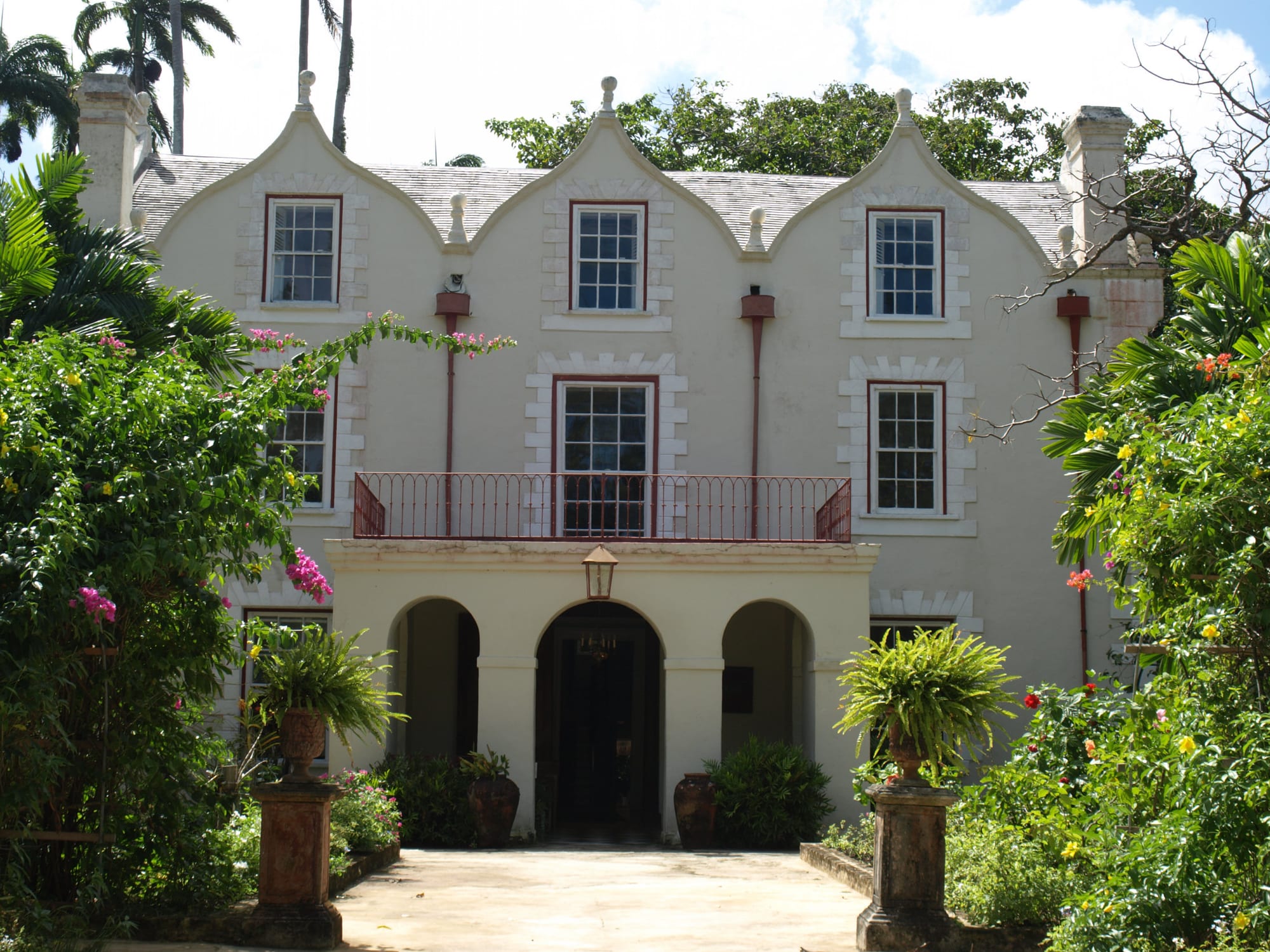
Houses like this were the visible top of the sugar economy; the people who made that wealth lived in barracks and yards nearby, and their names went mostly unrecorded.
The slave code and its copies
In 1661 the Barbados assembly passed "An Act for the Better Ordering and Governing of Negroes" — the first comprehensive slave code in English America. It defined enslaved people as chattel property, placed them almost entirely outside the law's protection, and gave masters near-total power. Other colonies copied it: Jamaica, the Carolinas, Antigua and more built their own slave laws on the Barbadian template. In that sense Barbados wrote the legal foundation of slavery across the English-speaking Americas.
The plantation regime was lethal — the enslaved population died faster than it was born and had to be constantly replenished from Africa — and it was resisted, in plots through the late 17th century and, most seriously, in 1816. That year thousands rose across the south and east of the island in what is remembered as Bussa's rebellion, after an African-born ranger who died leading it. It was put down within days, and around 140 people were executed afterward. Bussa is now a National Hero of Barbados.
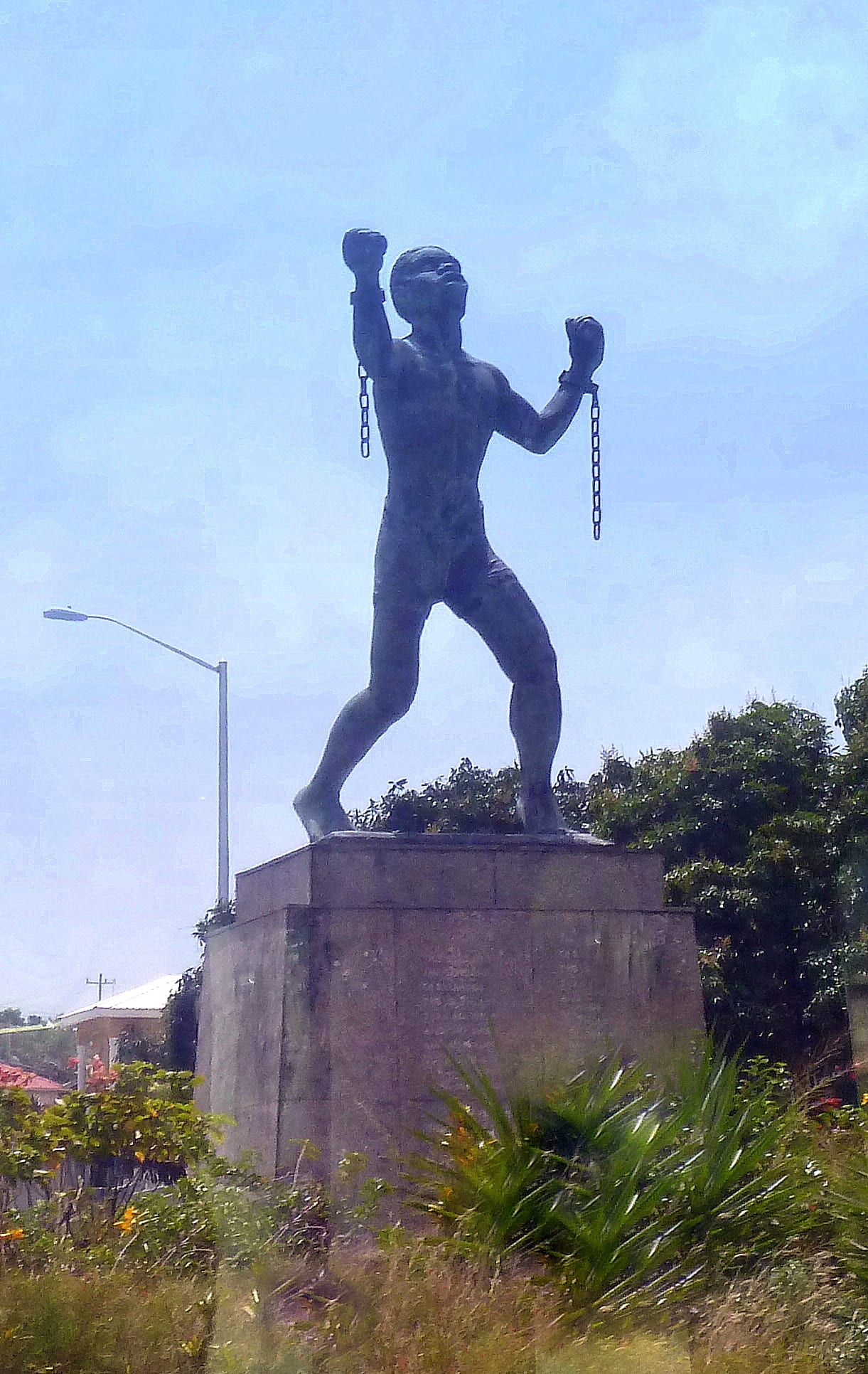
Unveiled in 1985, the statue stands at a busy roundabout on the road out of Bridgetown and has become the island's best-known monument.
Emancipation without land
Slavery was abolished across the British Caribbean in 1834, with a four-year "apprenticeship" that ended in 1838. In Barbados, freedom changed less than elsewhere. Every acre of the island was already under cane, so freed people had almost nowhere to go and little choice but to keep working the same estates for low wages, living in "chattel houses" — small wooden houses they owned but which sat on rented plantation land, and could be dismantled and moved if a worker was evicted. Poverty pushed generations of Barbadians abroad: to dig the Panama Canal, to the Trinidad oilfields, and after the Second World War to Britain.
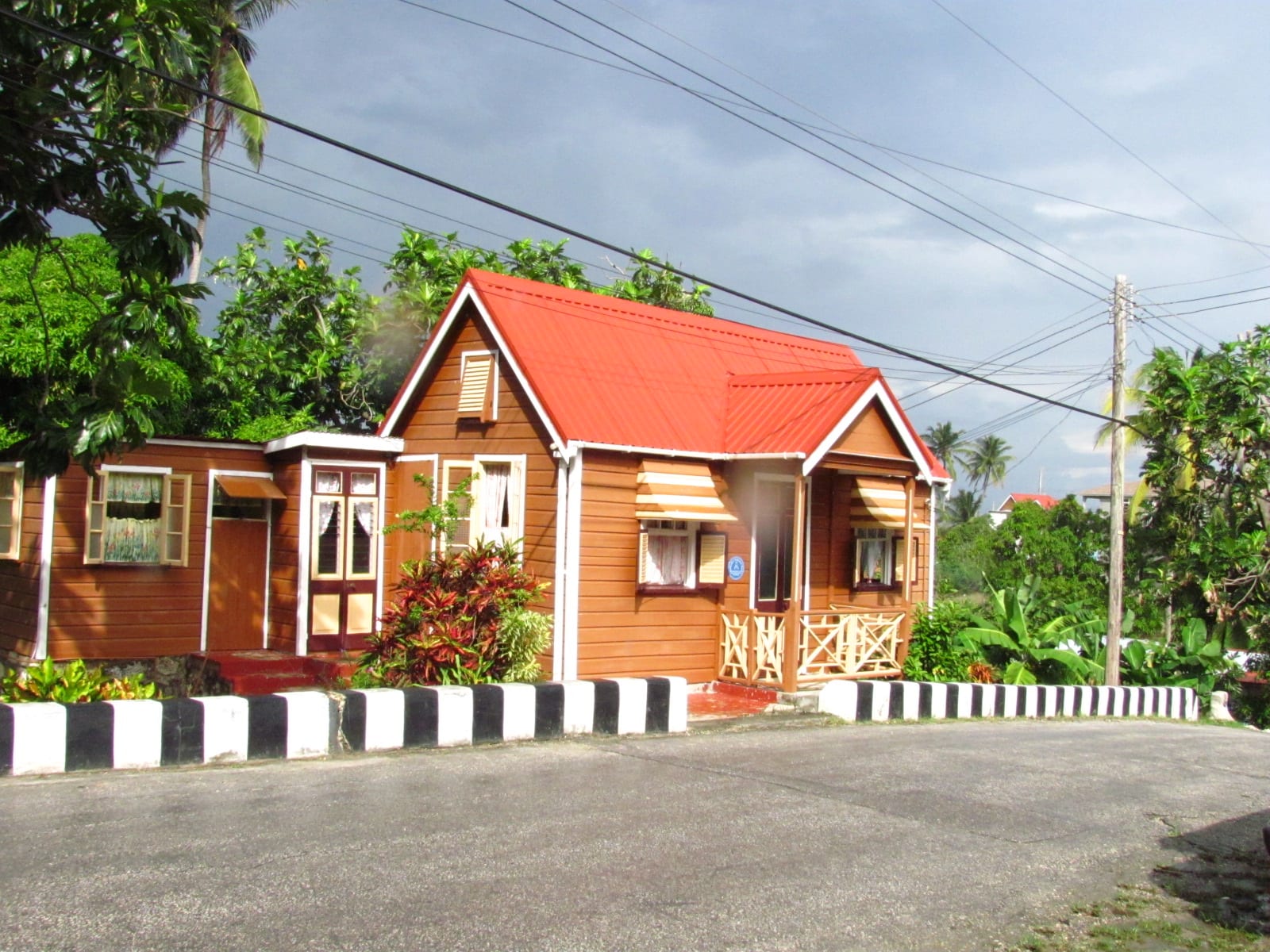
The design — a timber box on loose coral-stone blocks, expandable by adding a second unit behind the first — spread across the island and is now consciously preserved as heritage architecture.
From the riots to independence
Barbados had a parliament — the House of Assembly, meeting since 1639, one of the oldest in the world — but it was elected on a property franchise that kept it in the hands of the white planter class into the 20th century. The break came in 1937, when island-wide riots, part of a wave of unrest across the British Caribbean, forced open the political system. Trade unions and mass parties followed; universal adult suffrage came in 1951.
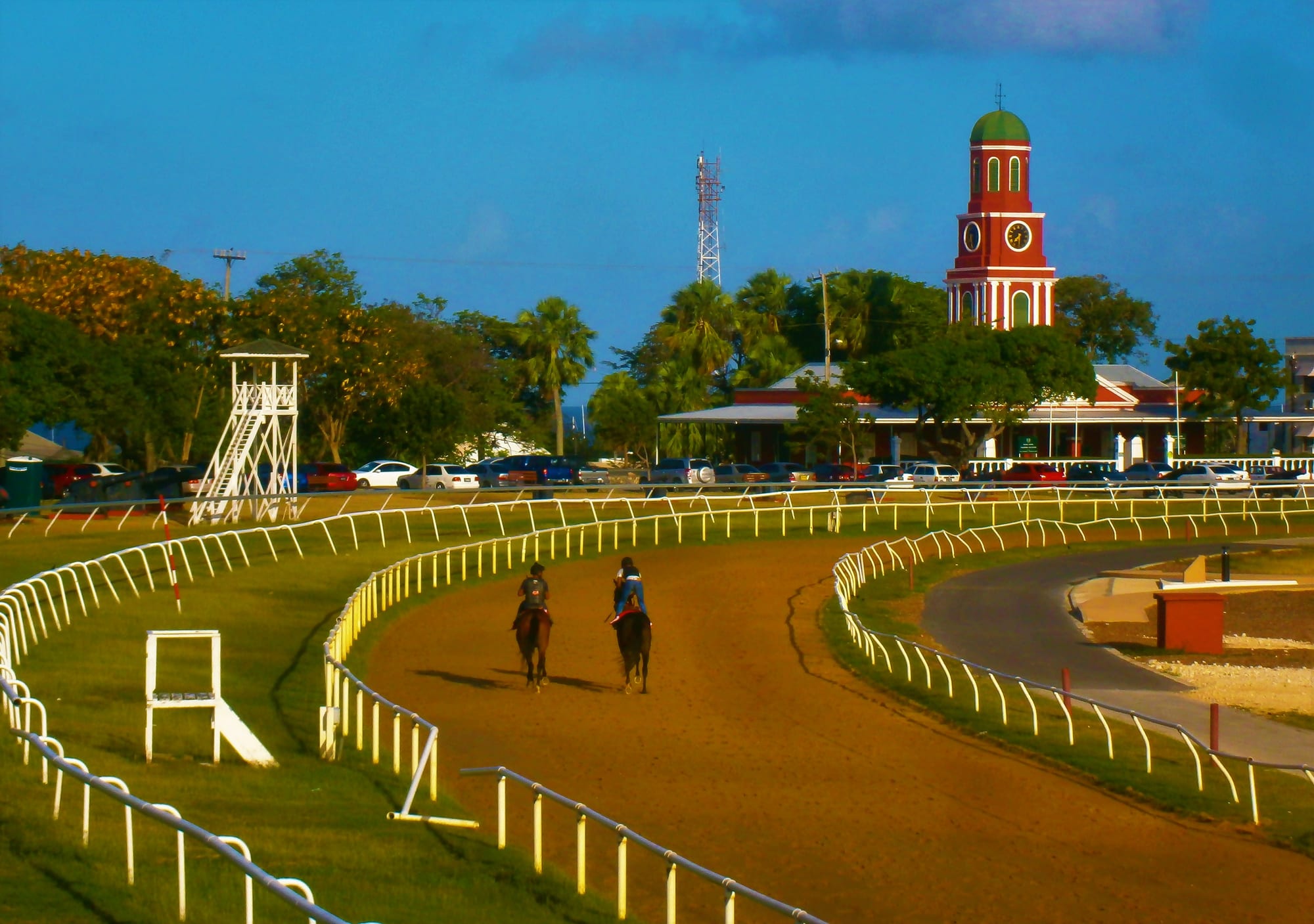
After a short-lived attempt at a wider West Indies Federation, Errol Barrow led Barbados to full independence within the Commonwealth on 30 November 1966. The new country kept a stable two-party democracy and invested heavily in schooling and health, building one of the highest standards of living in the Caribbean as sugar gave way to tourism and offshore finance.
Republic
On 30 November 2021 — the 55th anniversary of independence — Barbados removed Queen Elizabeth II as head of state and became a parliamentary republic, with a Barbadian president in her place. The move, driven by Prime Minister Mia Mottley, was framed as completing the work of 1966. Mottley has since become a leading international voice for climate finance and for reparations for slavery, arguing Barbados's own history as the case.
What Barbados carries
Barbados is a small island with an outsized place in the history of the Atlantic world: it is where the English plantation and its slave law were invented and from which they spread. The society that produced — overwhelmingly of African descent, landless at emancipation, then educated and enfranchised in the 20th century — has become one of the most stable democracies in the hemisphere, and in 2021 it closed the constitutional circle by cutting its last formal tie to the British Crown.