History · The Bahamas
The Bahamas: From Guanahaní to Independence
The first land Columbus touched, an emptied archipelago, a pirates' base, and a Black majority's long fight for the vote
By Worldlore Editorial · 19 September 2026
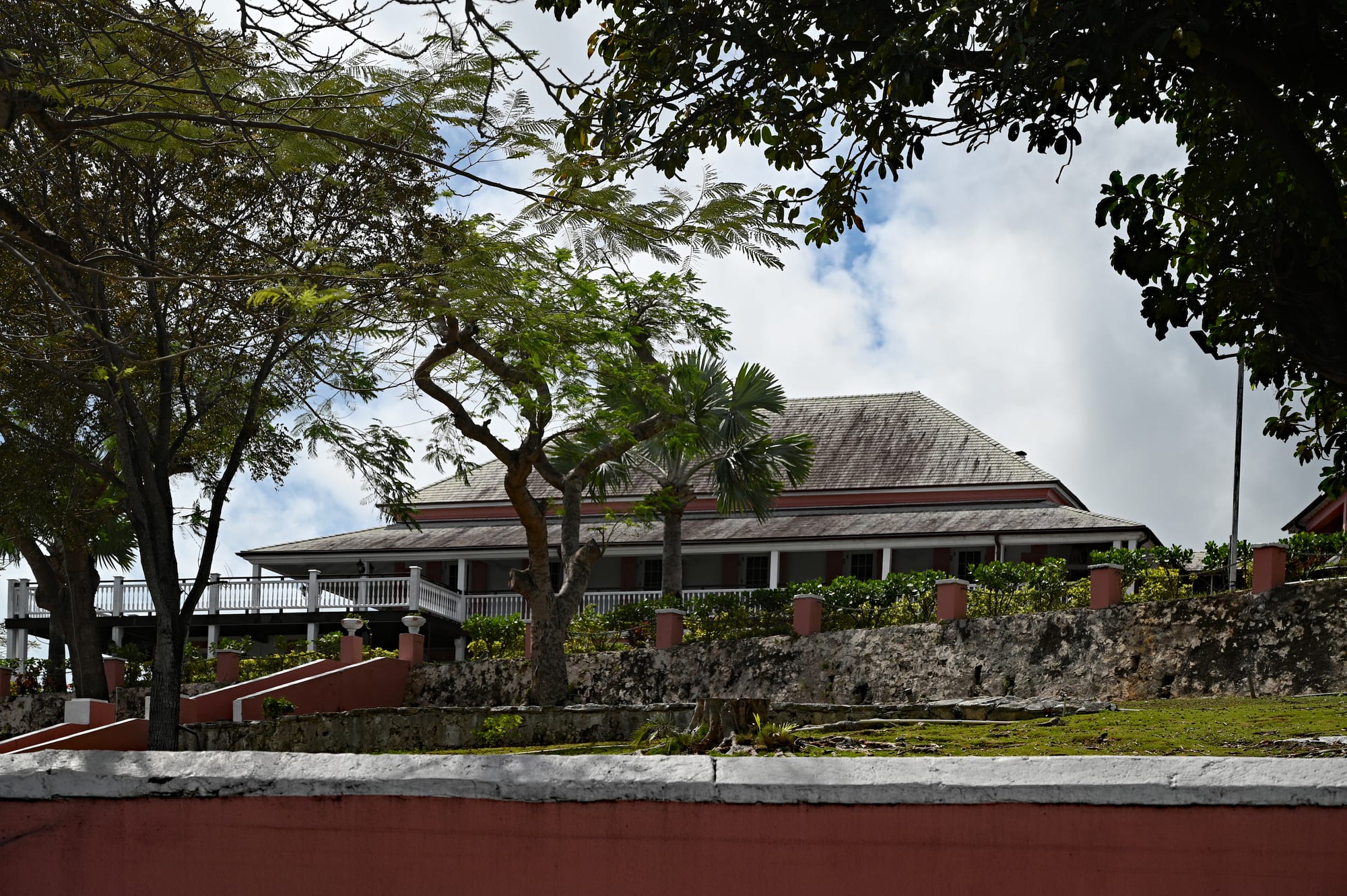
Seven hundred islands on the edge of the Atlantic
The Bahamas is a chain of about 700 low coral islands and thousands of cays running 1,000 kilometres from off the Florida coast towards Hispaniola. Only around 30 are inhabited, and most of the roughly 400,000 Bahamians live on New Providence, the small island that holds the capital, Nassau. The land is thin and dry, with no rivers and little farming soil, so the country's history has been made less by what grows there than by what passes through: treasure fleets, pirates, refugees, smugglers, and now cruise ships.
A short history
- c. 700–1500 CE
The Lucayans
Taíno people settle the islands from the south; perhaps 40,000 live here by 1492.
- 12 October 1492
Columbus
His first American landfall is on a Bahamian island the Lucayans called Guanahaní.
- by 1520
Depopulation
The entire Lucayan population is enslaved and shipped away; the islands are left empty.
- 1648
The Eleutheran Adventurers
English religious refugees from Bermuda make the first lasting settlement.
- 1690s–1718
The pirate base
Nassau becomes a haven for pirates until a royal governor clears them out.
- 1780s
The Loyalists
American Loyalists arrive with enslaved people and set up cotton plantations that soon fail.
- 19th–20th c.
Wrecking and running
Salvaging wrecks, Civil War blockade-running and Prohibition rum-running sustain Nassau.
- 10 January 1967
Majority Rule
The Black-majority Progressive Liberal Party wins power for the first time.
- 10 July 1973
Independence
The Bahamas becomes a sovereign country within the Commonwealth.
The Lucayans and the emptying of the islands
The first Bahamians were the Lucayans, a branch of the Taíno who moved up the island chain from Hispaniola and Cuba over several centuries and lived by fishing, farming cassava, and trading. When Columbus made his first Atlantic crossing in 1492, the island where he landed — which the Lucayans called Guanahaní — was the first American land he saw. Within a generation the Lucayans were gone. The Spanish, who had no other use for the islands, carried the entire population off to work the mines and pearl beds of the Greater Antilles, where they died. By about 1520 the Bahamas were uninhabited, and they stayed nearly empty for over a century.
Adventurers and pirates
The first lasting settlers were English Puritans from Bermuda, the "Eleutheran Adventurers", who founded a colony on the island of Eleuthera in 1648. Nassau, on New Providence, followed in the 1690s. But the islands' maze of reefs and channels, close to the shipping lanes out of the Caribbean, made them ideal for a different trade. From the 1690s Nassau became the base for hundreds of pirates — Blackbeard, Charles Vane, Anne Bonny and Calico Jack among them — operating in the vacuum left by a weak or absent government.
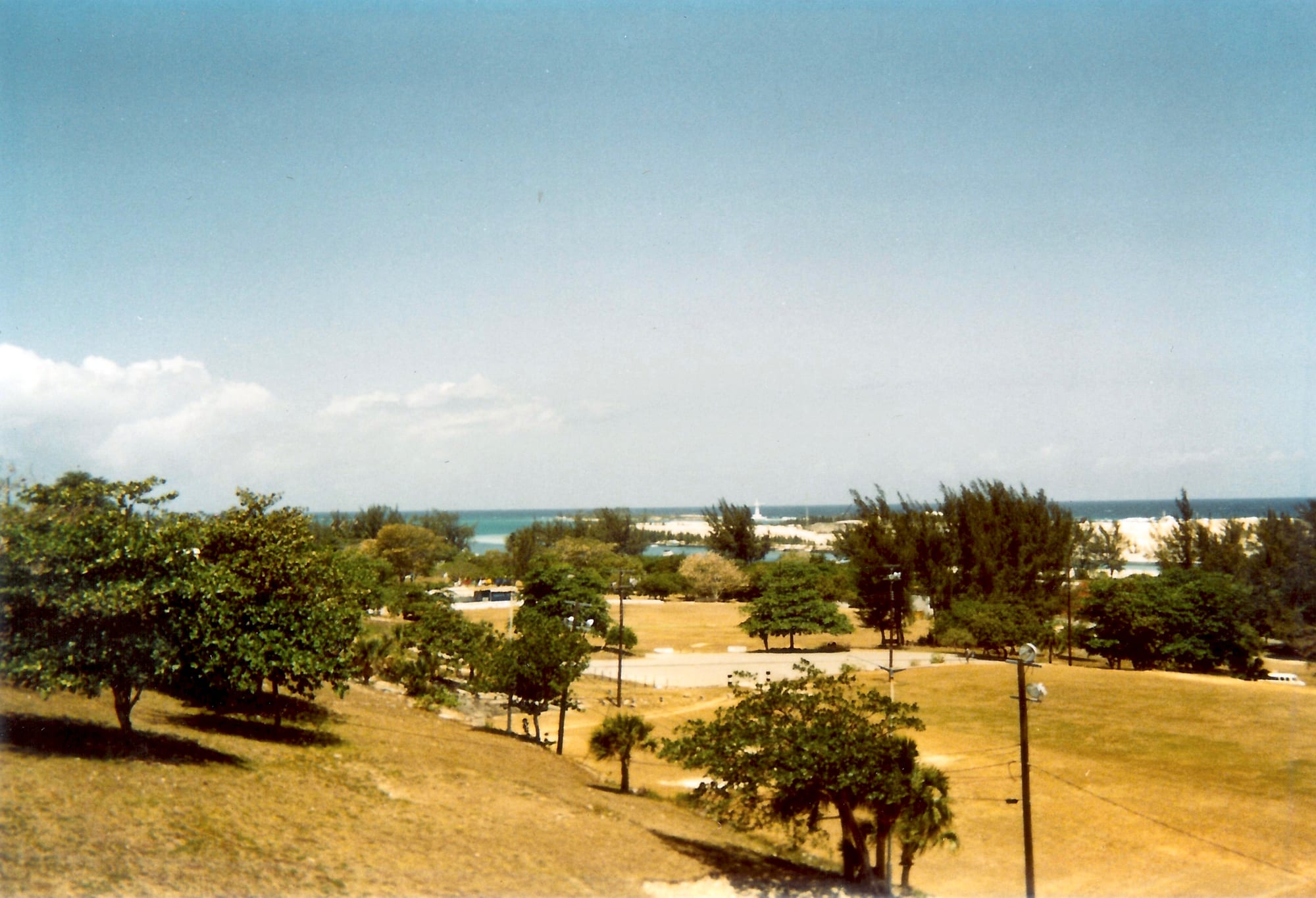
In 1718 the Crown made the Bahamas a royal colony and sent Woodes Rogers as its first governor with orders — and a squadron — to end the piracy. He offered a pardon, hanged those who refused it, and within a few years the pirate republic was finished. The colony's new motto put it plainly: "Pirates expelled, commerce restored."
Loyalists, wrecking, and running
After the American Revolution, several thousand Loyalists fled the new United States for the Bahamas in the 1780s, bringing enslaved Africans with them and tripling the colony's population. They tried to grow cotton on the Out Islands, but the soil exhausted quickly and the plantations collapsed within a generation, leaving behind a scatter of settlements and a population that was now overwhelmingly of African descent. Slavery was abolished in 1834, and the freed population turned to fishing, sponging, boatbuilding, and "wrecking" — legally salvaging the cargo of ships that came to grief on the reefs, an industry important enough to have its own laws and its own court.
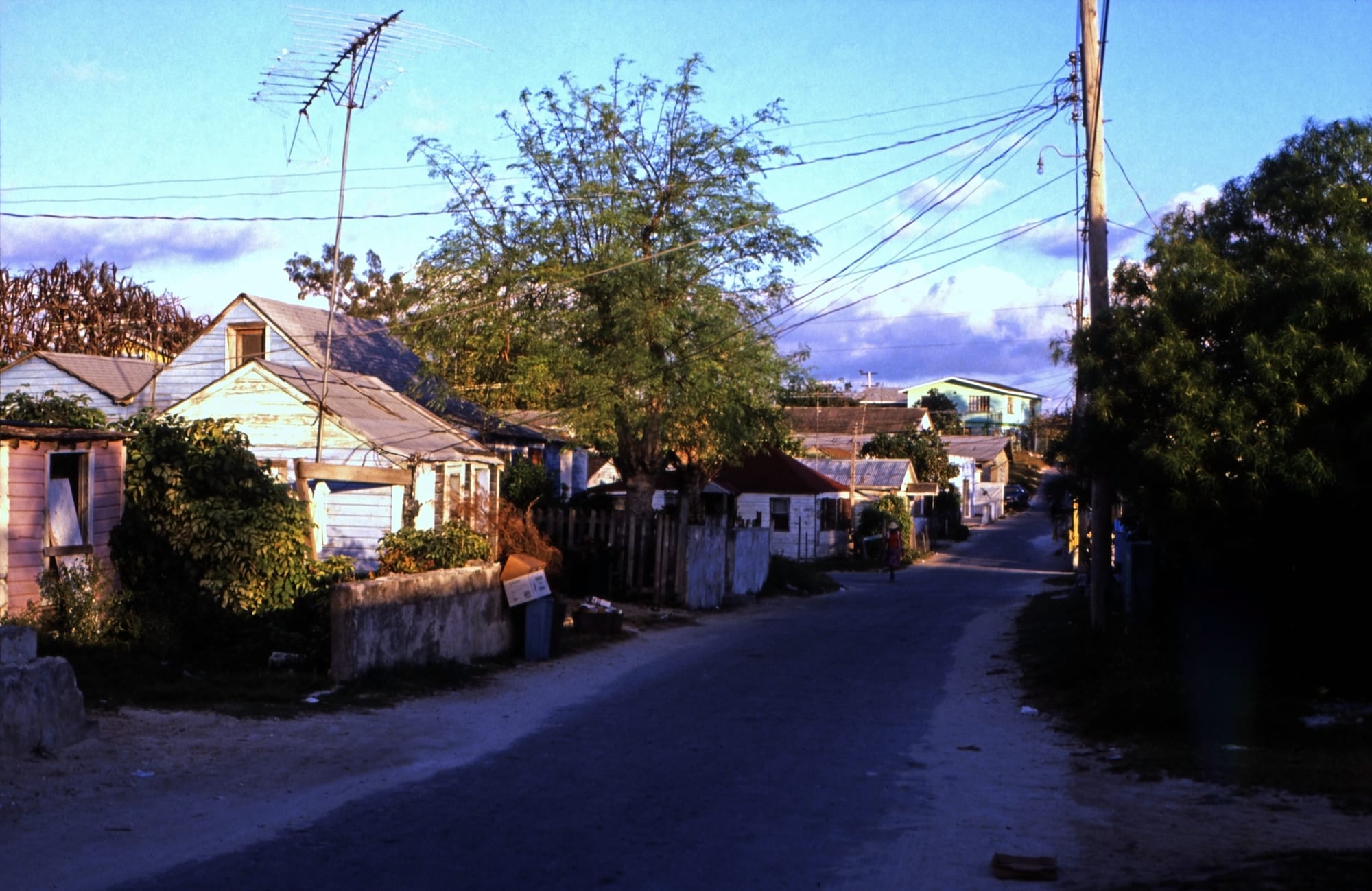
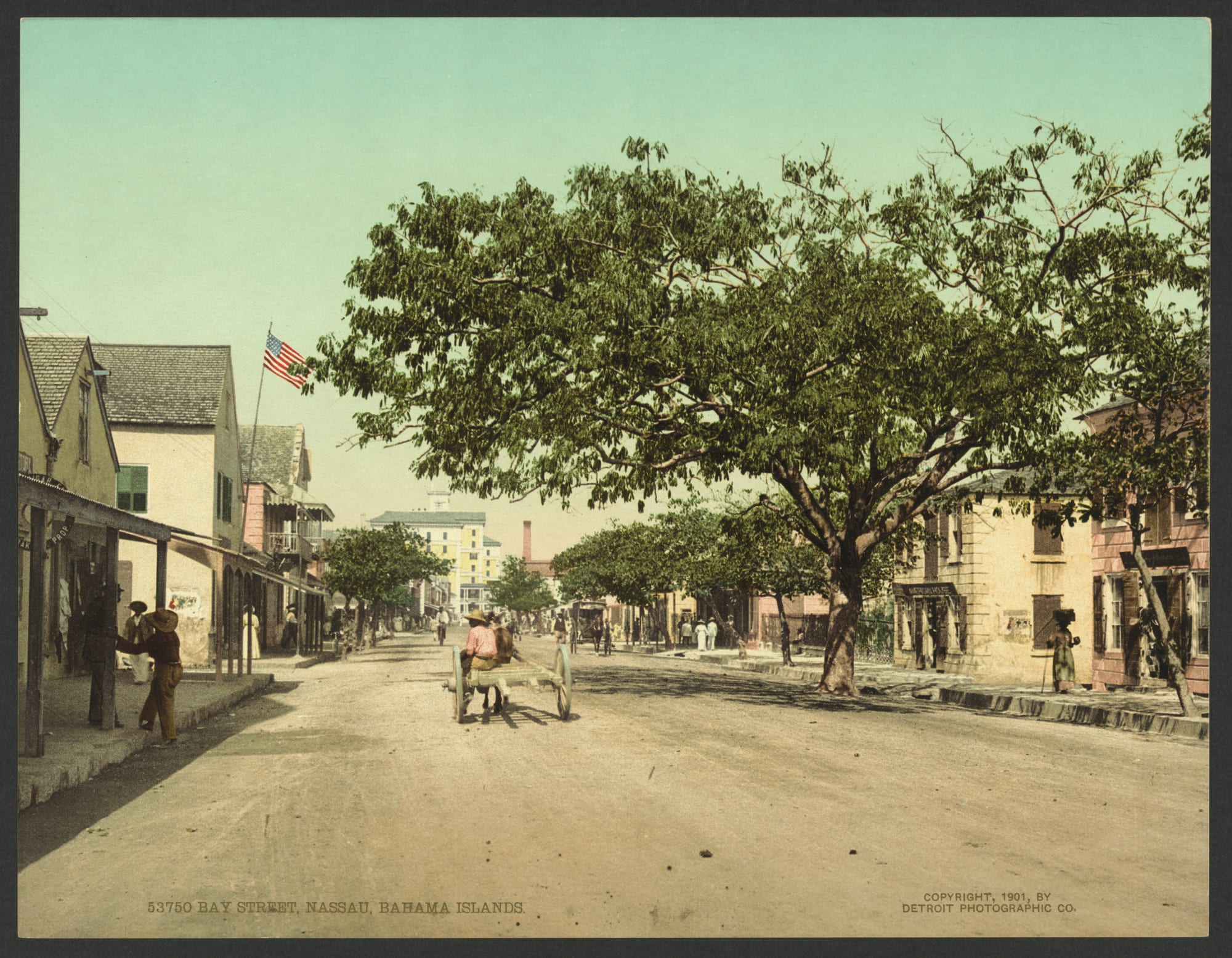
Nassau's biggest windfalls came from other people's prohibitions. During the American Civil War it boomed as a transfer point for blockade-runners carrying cotton out of the Confederacy and weapons in. Sixty years later, American Prohibition turned it into a warehouse for liquor bound illegally for the United States. Each boom faded when the law that created it changed.
Majority Rule
For most of the colonial period the Bahamas was run by a small clique of white Nassau merchants — known as the "Bay Street Boys" — through an assembly elected on a property franchise that kept the Black majority out. Change came through the labour movement and the Progressive Liberal Party, founded in 1953. A general strike in 1958 forced reforms; universal adult suffrage, including for women, followed in 1962; and on 10 January 1967 the PLP won a general election and formed the first government led by the Black majority, under Lynden Pindling. Bahamians mark the date as Majority Rule Day.
Full independence, within the Commonwealth, came on 10 July 1973, with Pindling as the first prime minister. He would govern for 25 years.
The modern country
Independent Bahamas built one of the highest incomes in the Caribbean on two industries: tourism, which now brings millions of visitors a year, most of them on cruise ships, and offshore financial services, which have repeatedly drawn international pressure over secrecy and tax. The 1980s brought a serious problem with drug trafficking through the islands. In 2019 Hurricane Dorian, one of the strongest Atlantic storms ever recorded, sat over Abaco and Grand Bahama for two days and devastated them.
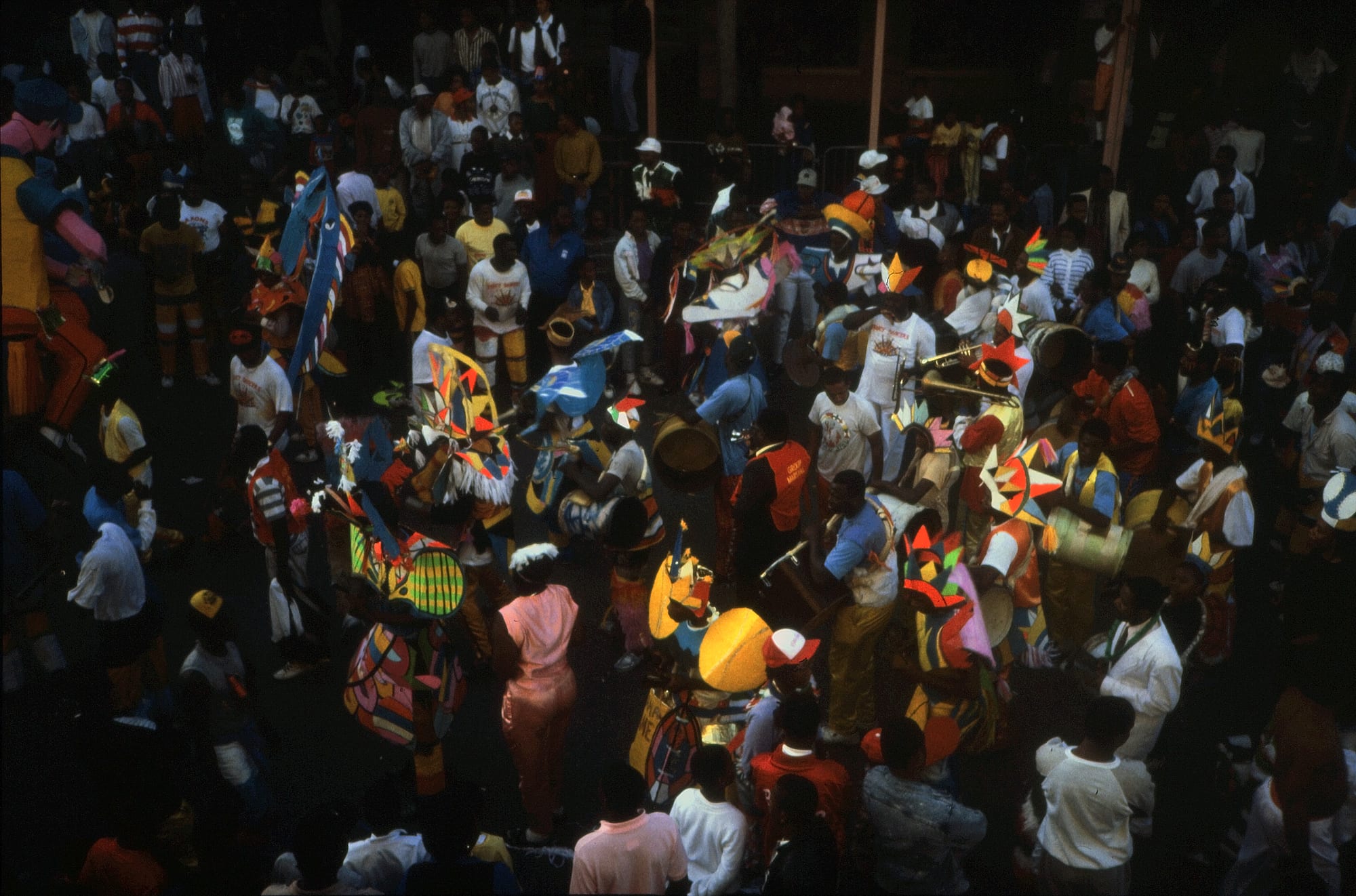
Once discouraged by the authorities, Junkanoo is now a national institution, with rival groups spending months building costumes for the pre-dawn parades on Boxing Day and New Year's Day.
What the Bahamas keeps
The Bahamas is a country that was emptied once, completely, and rebuilt from outside — by English dissenters, by pirates, by Loyalist refugees and the people they enslaved. The population that resulted, overwhelmingly of African descent, spent almost two centuries governed by a tiny merchant elite before winning the vote and then the country. Its modern prosperity still depends, as its whole history has, on its position between the Caribbean and the North American mainland.