Food · The Azores
Azores: Food and the National Dish
A stew cooked underground using the heat of a volcano, cheese and pineapple grown nowhere else quite like it, and a Portuguese table set on nine green Atlantic islands
By Worldlore Editorial · 16 September 2026
Nine volcanic islands, one Portuguese table
The Azores were uninhabited until Portuguese settlers arrived in the 15th century, so unlike much of the wider Atlantic world there is no older, indigenous food tradition underneath the Portuguese one — the cuisine here is Portuguese cooking adapted, island by island, to volcanic soil, Atlantic isolation and a climate wetter and milder than the mainland's. That isolation cuts both ways: some islands went for centuries with limited contact even with each other, which is part of why Terceira, Pico and São Jorge in particular each ended up with a dish or product distinctly their own rather than one shared Azorean cuisine.
The Azores are Portuguese through and through — the language, the bread, the salt cod, the wine culture are all recognisably continental Portuguese — but nine isolated volcanic islands in the middle of the Atlantic have bent that base cuisine to fit what actually grows and swims around them. Dairy farming covers most of the green hillsides, seafood is caught a short walk from where it is eaten, and, most strikingly, the islands' volcanic heat is put to work in the kitchen rather than just under it.
The signature dish: cozido das Furnas
The dish the Azores are best known for is cozido das Furnas, a meat and vegetable stew — beef, pork, chicken, black pudding, cabbage, carrots, potatoes and more, all packed into large pots — that is cooked using nothing but geothermal heat. In the town of Furnas, on São Miguel, the pots are lowered into holes dug in the ground near the area's natural steam vents and left to cook slowly for several hours, using the same volcanic heat that powers the local hot springs.
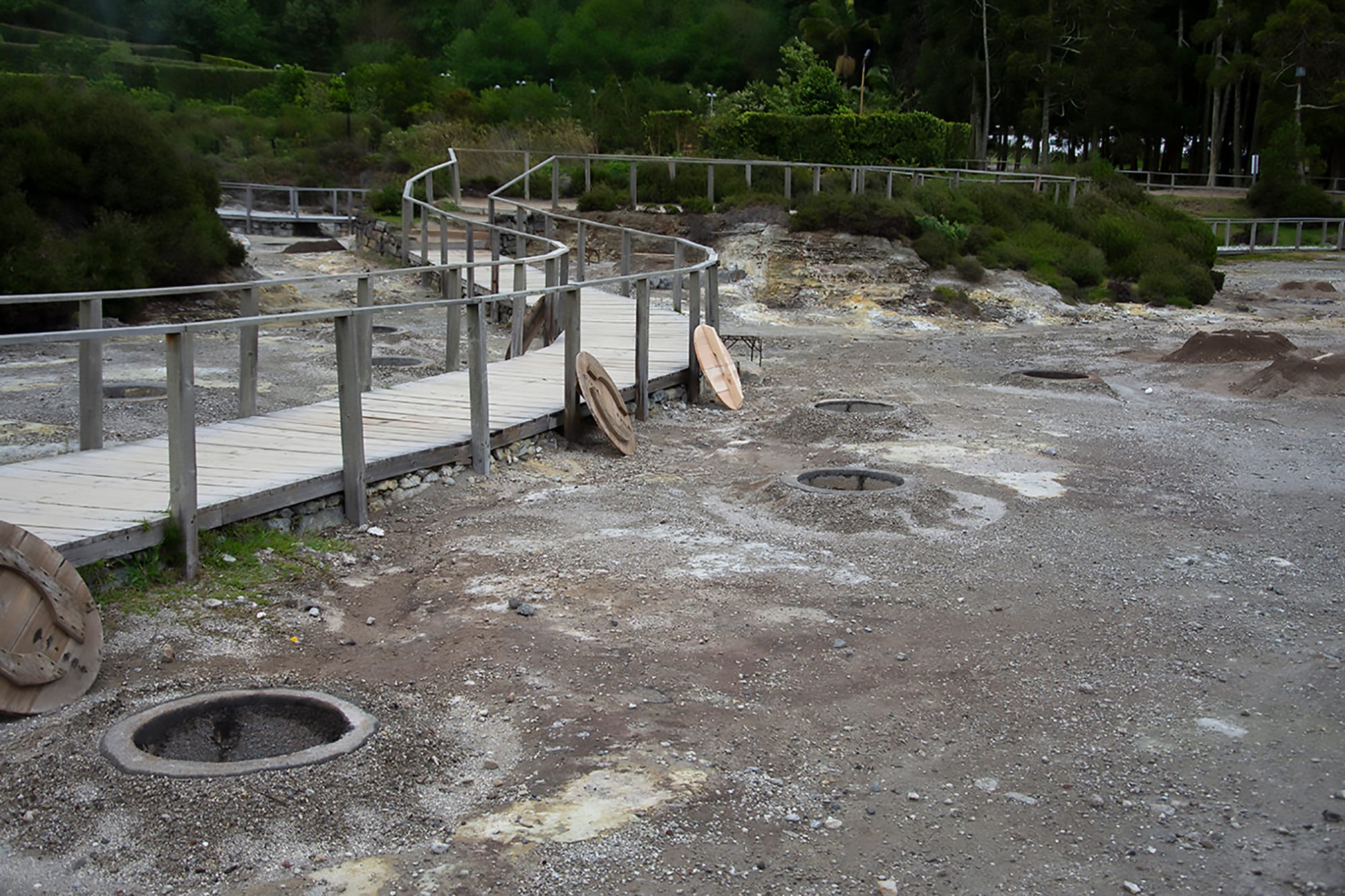
It is not a dish anyone cooks quickly, and it is really specific to Furnas rather than made this way across the islands, but it is the thing every visitor to São Miguel is told to try, precisely because nowhere else can replicate the cooking method.
What grows and swims here
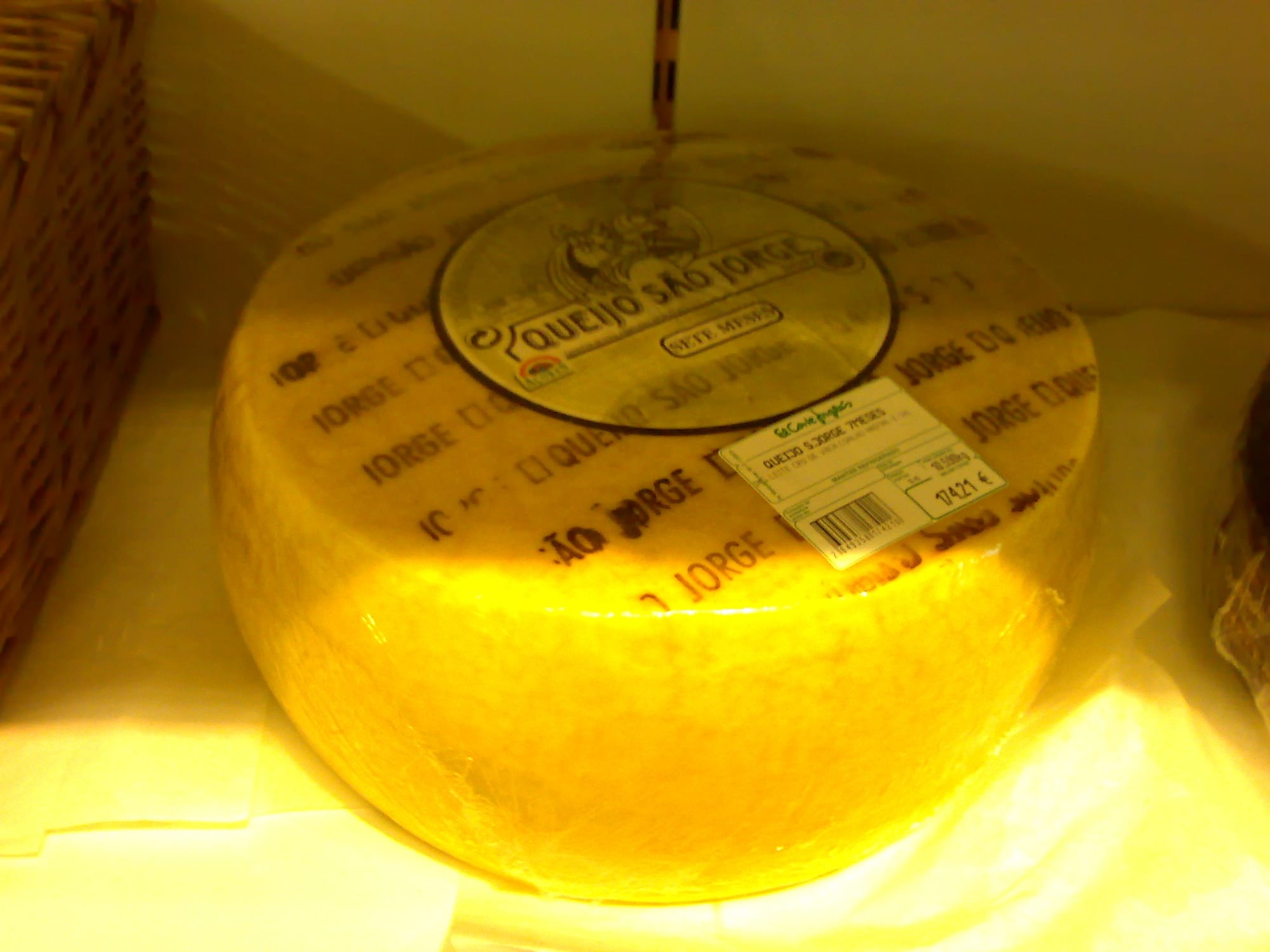
Green pasture and a mild, wet Atlantic climate make the Azores one of Portugal's great dairy regions, and Queijo de São Jorge, a firm, tangy cow's milk cheese aged for months, is the best known of several protected local cheeses.
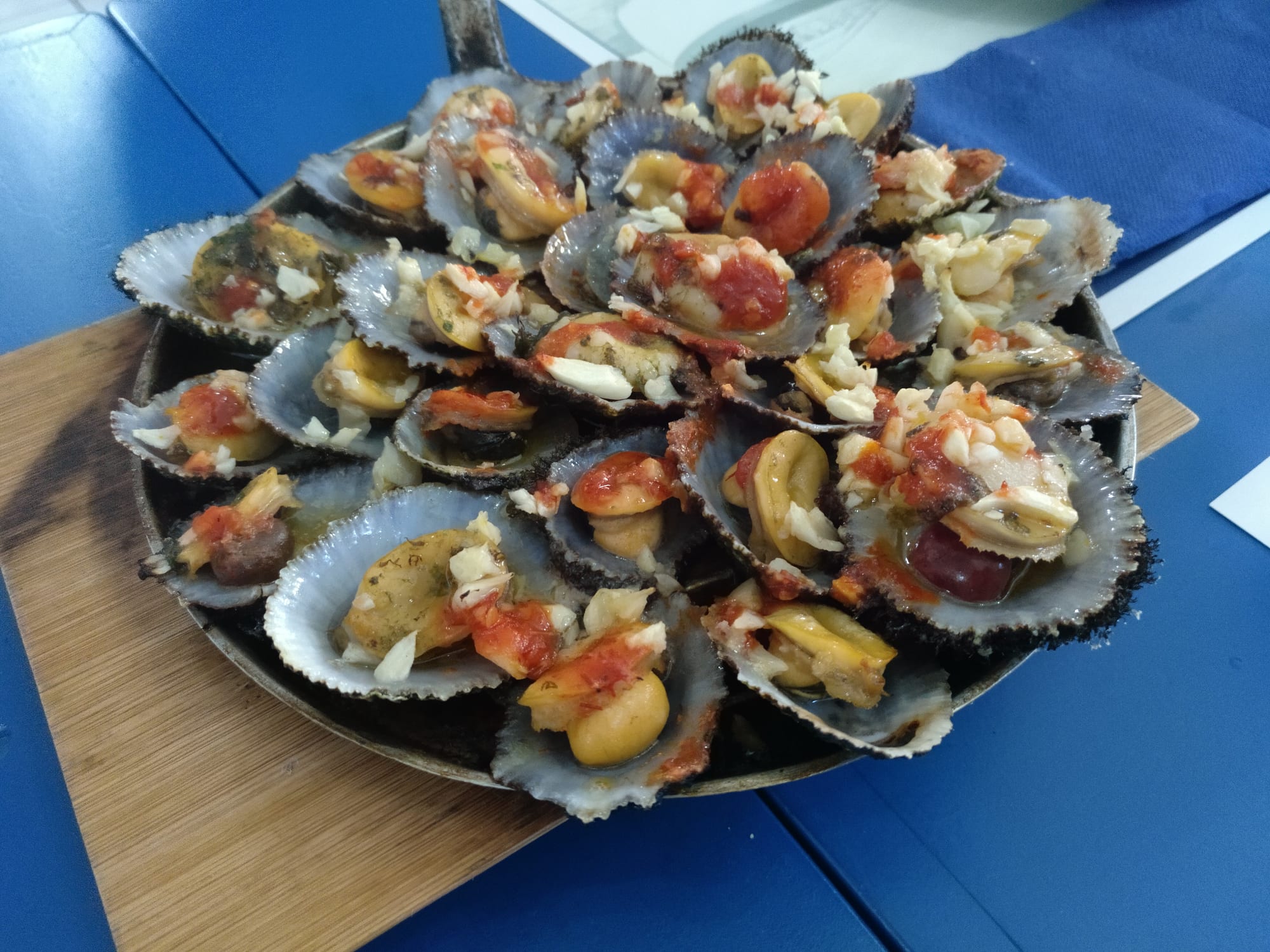
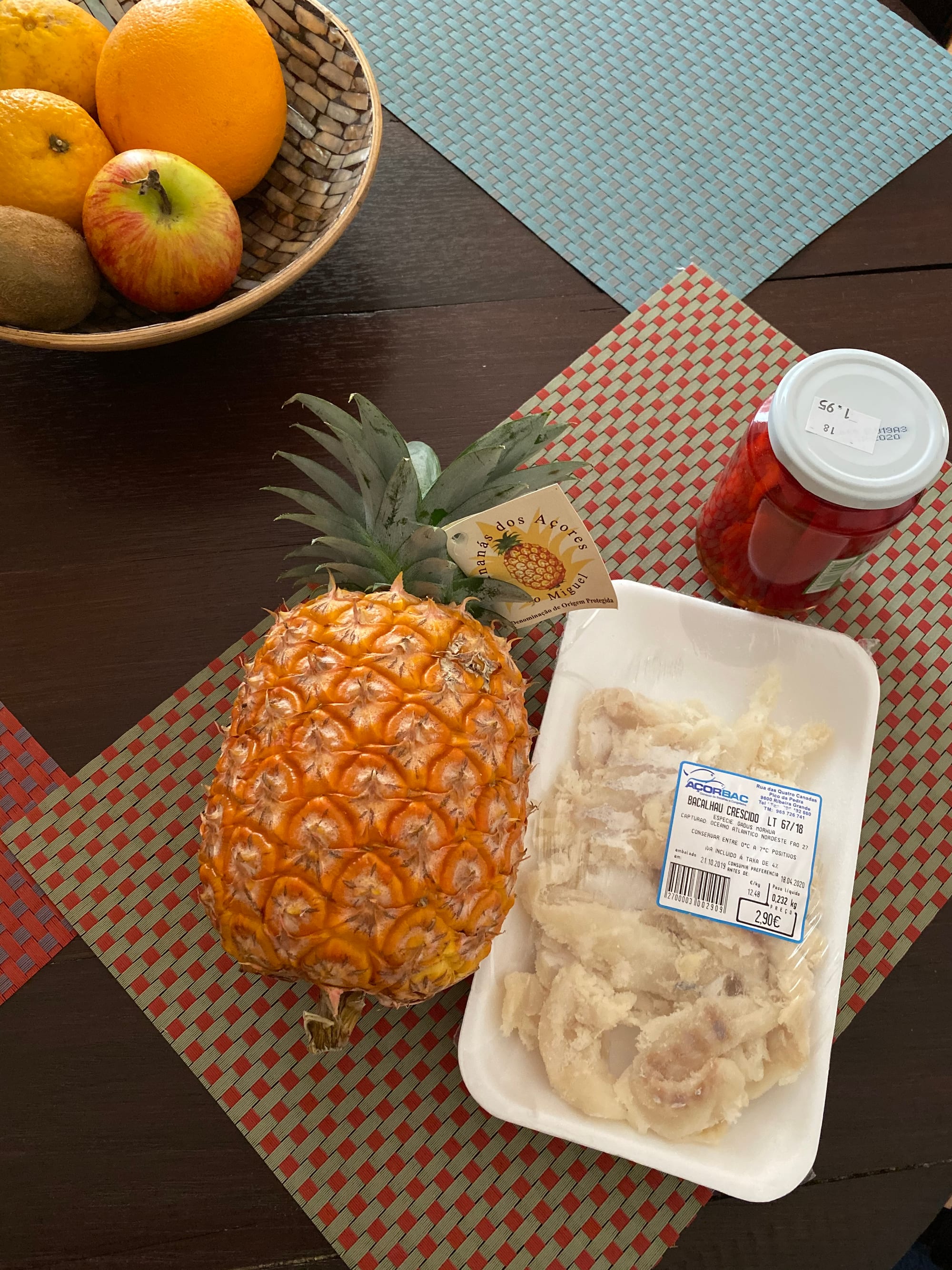
São Miguel is also known for its pineapple, grown not in open tropical fields but in specially built greenhouses that manage the islands' cooler climate; Azorean pineapple is smaller, denser and sweeter than the tropical fruit most people know, and carries its own protected name. Seafood is a constant — tuna, octopus and reef fish all feature — and lapas, limpets pried off coastal rocks and grilled with garlic, butter and a little chilli, are one of the most-ordered starters on any of the islands.
Dishes to know
Five to recognise across the islands:
- Lapas grelhadas — grilled limpets with garlic, butter and lemon, a
standard starter almost everywhere.
- Queijo de São Jorge — a firm, aged cow's milk cheese, the islands' best
known dairy export.
- Alcatra — a slow-cooked beef dish from Terceira island, braised for hours
in a clay pot with wine, bacon and spices.
- Bolo lêvedo — a griddle-cooked, muffin-like sweet bread, split and
buttered; a breakfast staple carried abroad by the large Azorean-American diaspora, especially in New England.
- Ananás dos Açores — the local greenhouse-grown pineapple, eaten fresh or
used in desserts and liqueurs.
Wine, tea and drinks
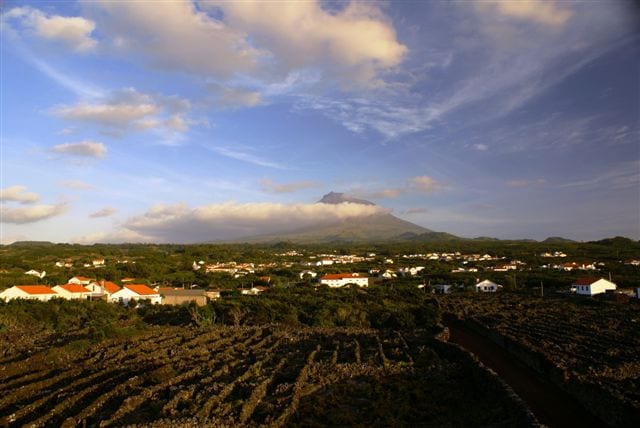
Pico island's vineyards are themselves a UNESCO World Heritage Site: vines are grown in small plots enclosed by black volcanic stone walls, called currais, built to shelter the grapes from Atlantic wind and salt spray. The wine produced this way, along with passion-fruit liqueur (licor de maracujá) and the islands' dairy-forward diet generally, rounds out a food culture that leans heavily on what the volcanic ground and the surrounding ocean can produce.
Bread, sweets and everyday meals
Corn and wheat bread, salt cod prepared much as it is on the Portuguese mainland, and a strong tradition of soups and stews round out the everyday table. Sweets lean on eggs and sugar in the old Portuguese convent style — small custard tarts called queijadas, made in several island-specific versions, are the most common. Massa sovada, a soft, slightly sweet bread, is an Easter tradition with its own strong presence in Azorean-descended communities overseas, alongside bolo lêvedo, both carried to New England and elsewhere by generations of Azorean emigrants who kept baking them exactly as their grandparents had.
Eating as a traveller
Seafood and dairy are the strongest suits here, and vegetarians will find cheese, bread, fruit and vegetable soups easier going than the meat-heavy cozido. Tap water is safe throughout the islands. Each island has developed its own small specialities beyond what is listed here — Terceira's alcatra, Pico's wine, São Jorge's cheese — which the region pages will cover individually.
What to take from the table
A pot of cozido dug straight out of the ground in Furnas is the one experience genuinely unique to the Azores; everything else — the cheese, the pineapple, the grilled limpets — is worth seeking out for its quality rather than its novelty.