Daily Life · The Azores
The Azores: A Day Ruled by the Weather
Cows on the country roads, dairy herds and fishing boats worked around a sky that can turn from sun to fog inside an hour, and a clock kept one hour behind the Portuguese mainland
By Worldlore Editorial · 30 September 2026
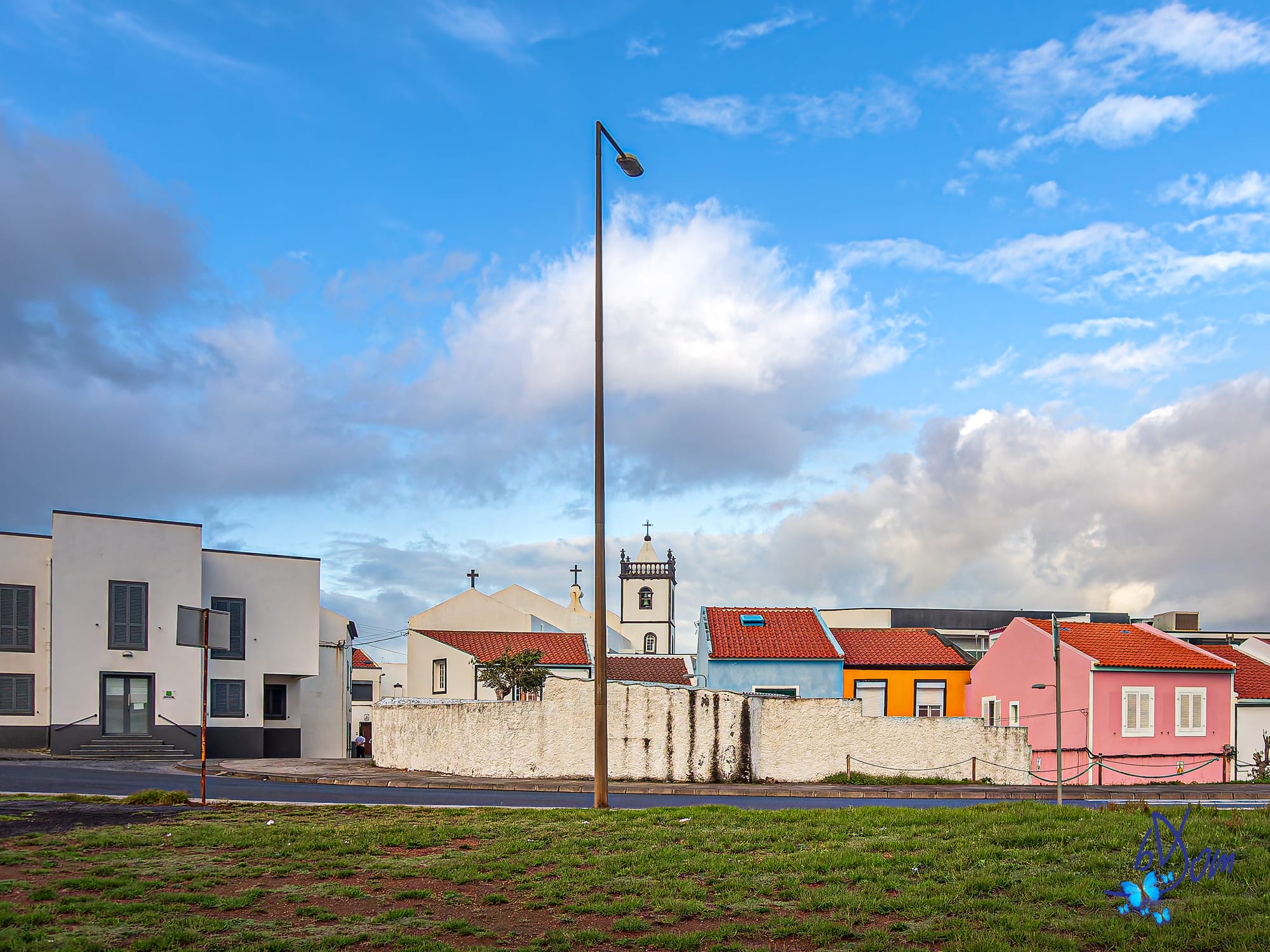
An ordinary day in the Azores starts by checking the sky rather than a forecast on a screen, because the forecast can be wrong within the hour. Fog often sits on the higher ground at dawn and burns off by mid-morning, only for a fast-moving Atlantic front to bring rain, then sun, then wind, all before lunch. Farmers time the milking around it, fishermen time the crossing around it, and everyone else keeps a coat within reach regardless of what the morning looked like. The islands are Portuguese through and through, in language and in the rhythm of a working week, but the ordinary day here is shaped, more than almost anywhere else in the country, by weather that changes its mind constantly.
Family and home life
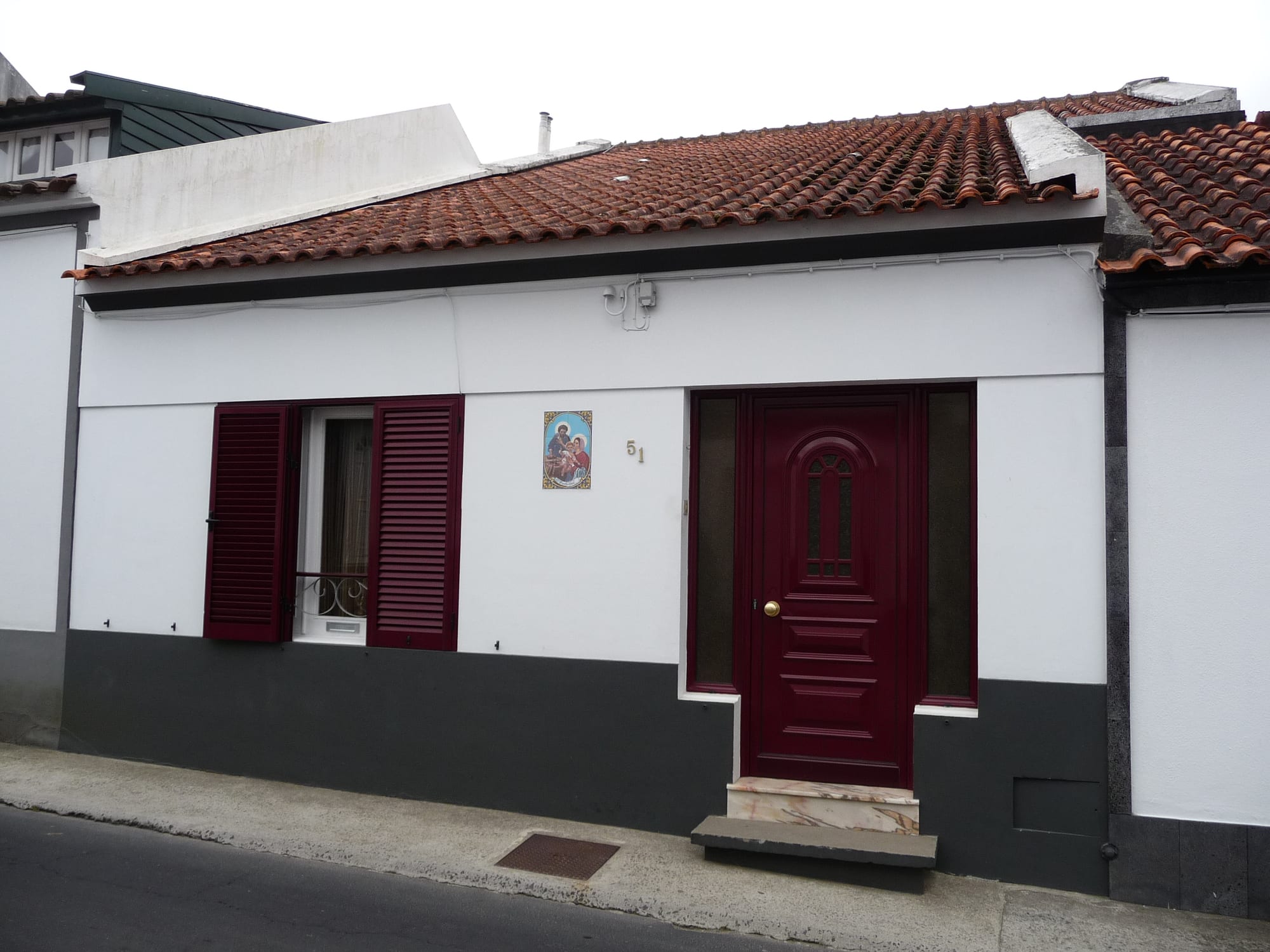
Most Azoreans live in small, single-storey or two-storey houses rather than apartment blocks, clustered into villages and small towns rather than spread across the countryside, a settlement pattern that runs across all nine islands. Houses are commonly built close to the road, painted white with coloured trim, and roofed in the same red clay tile seen across mainland Portugal. Family life, as elsewhere in Portugal, tends to keep adult children and parents in close contact even after a household splits into its own home, and it is common for grandparents to live nearby and share in raising grandchildren, particularly in smaller villages where the whole extended family may live within a short walk. A distinctive feature of Azorean family life today is how many households have a close relative, a sibling, a parent, a cousin, living in North America, above all in south-eastern Massachusetts, Rhode Island and Canada; a two-way traffic of phone calls, money and summer visits keeps that connection active rather than symbolic, and many Azorean families have someone abroad.
Work, school and the rhythm of the day
The standard working week in the Azores follows the same rules as the rest of Portugal, up to eight hours a day and forty a week, generally Monday to Friday, though farm and fishing work start long before any office does. Dairy farming, the mainstay of the islands' agriculture, sets its own clock: many farms are small family operations, milking twice a day, with cattle grazed on open pasture rather than kept in barns, a practice that is itself shaped by the islands' famously mild, wet climate. Fishing crews go out before dawn to make the most of calmer morning seas. School follows a calendar set by the regional government, generally starting in mid-September, and the school day, as across the country, runs from morning into the afternoon. Beyond farming and fishing, tourism and the public sector are large employers, especially on São Miguel and Terceira, and the islands' unpredictable weather is a genuine variable in the working day, grounding flights, delaying ferries and rearranging outdoor jobs at short notice.
Community life and public spaces
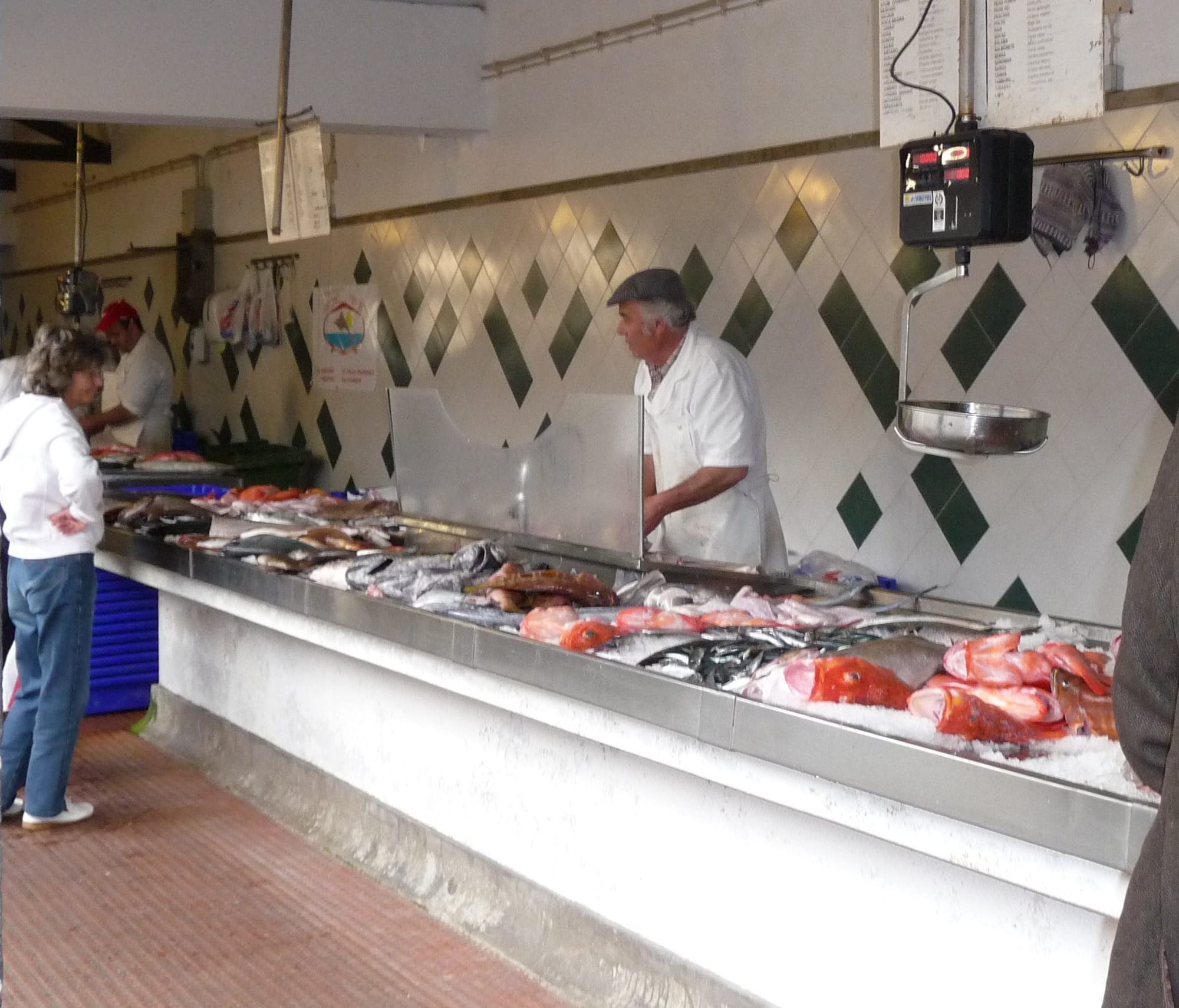
Village and small-town life still runs through a handful of fixed points: the parish church, the café, and, in the larger towns, a covered municipal market. Ponta Delgada's Mercado da Graça, built in 1848, is the best known of these, selling fresh fish, meat, cheese, and island produce such as pineapples, and is at its liveliest towards the end of the week. Cafés open early and stay open through the day, functioning as a genuine meeting point in towns too small to have much else. Getting between villages, and especially between islands, is a real feature of daily life: buses exist on the larger islands but run on schedules built for commuters rather than convenience, a car is close to essential for most people's daily errands, and travelling between islands generally means a flight or, where islands sit close together, a short ferry crossing: boats run year-round between Faial and Pico, with a summer service also linking São Jorge and Terceira, but there is no ferry network reaching every island.
Free time and weekends
Weekends bring family lunches that run long, and, weather allowing, trips out to a crater lake, a stretch of coast, or a thermal pool. From late spring into summer, one of the more distinctly Azorean weekend sights is the whaleboat regatta: the same open wooden boats once used to hunt sperm whales are raced today in rowing and sailing competitions, especially on Pico and Faial, with crews practising on summer evenings through the season. Football is followed closely, as it is across Portugal, whether played locally or watched on television in a café. Hiking is a genuine local pastime as well as a visitor draw, since the crater trails and coastal paths that appear in guidebooks are also where islanders walk on a free afternoon.
A visitor's ordinary day
Card payment is accepted almost everywhere, though it is still worth carrying some cash for small bakeries and market stalls. Renting a car is close to essential for seeing much beyond a single town, since public buses run infrequently and are built around local commuters rather than sightseeing routes; watch for livestock, including cattle being moved between pastures, on rural roads. Shops in smaller towns can be quiet in the early afternoon, and it is worth checking opening hours for anything outside the largest towns. Moving between islands takes planning: flights connect the main airports, and only a few neighbouring islands, such as Faial and Pico, have a quick direct ferry; there is no single network linking all nine. Pack for four seasons in one day regardless of the forecast, and remember that Azorean clocks run an hour behind the Portuguese mainland, which matters for connecting flights and any calls home.
What to take away
What shapes an ordinary day in the Azores is less any single custom than the weather itself, a constant, active force that farmers, fishermen, commuters, and visitors alike simply build their plans around rather than against.