Attractions & Natural Wonders · Ascension Island
Ascension Island: Seven Attractions and Natural Wonders
A raw volcanic island in the mid-Atlantic, a green garden planted on its one peak, and beaches that fill each year with nesting green turtles
By Worldlore Editorial · 19 September 2026
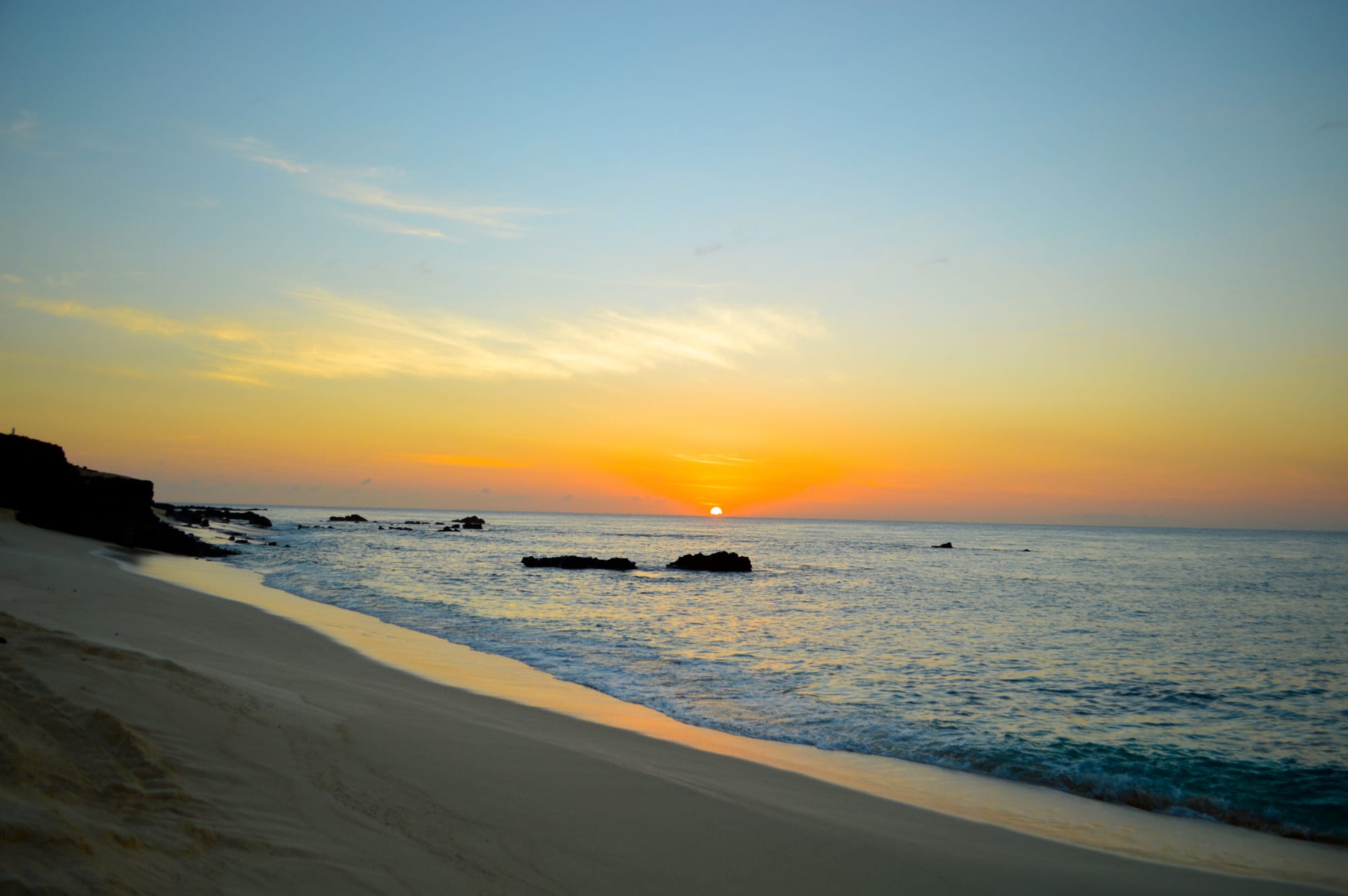
A cinder heap in the middle of the ocean
Ascension is a small volcanic island roughly halfway between Brazil and Africa, with no indigenous population and no tourism industry to speak of. It has been a British base since 1815 — first a Royal Navy garrison, later a cable station, and today a joint UK–US airfield and communications site. There is no commercial scheduled flight for tourists; visitors need a permit, a reason, and somewhere to stay, and most come on the RAF airbridge or the occasional ship.
For the few who make it, the rewards are unusual: raw volcanic scenery, one of the world's stranger man-made forests, huge seabird colonies, and a green-turtle nesting beach on the doorstep of the only village. The seven entries below are what there is to see. It is warm and dry year-round; turtle season runs roughly December to May.
1. Green Mountain National Park
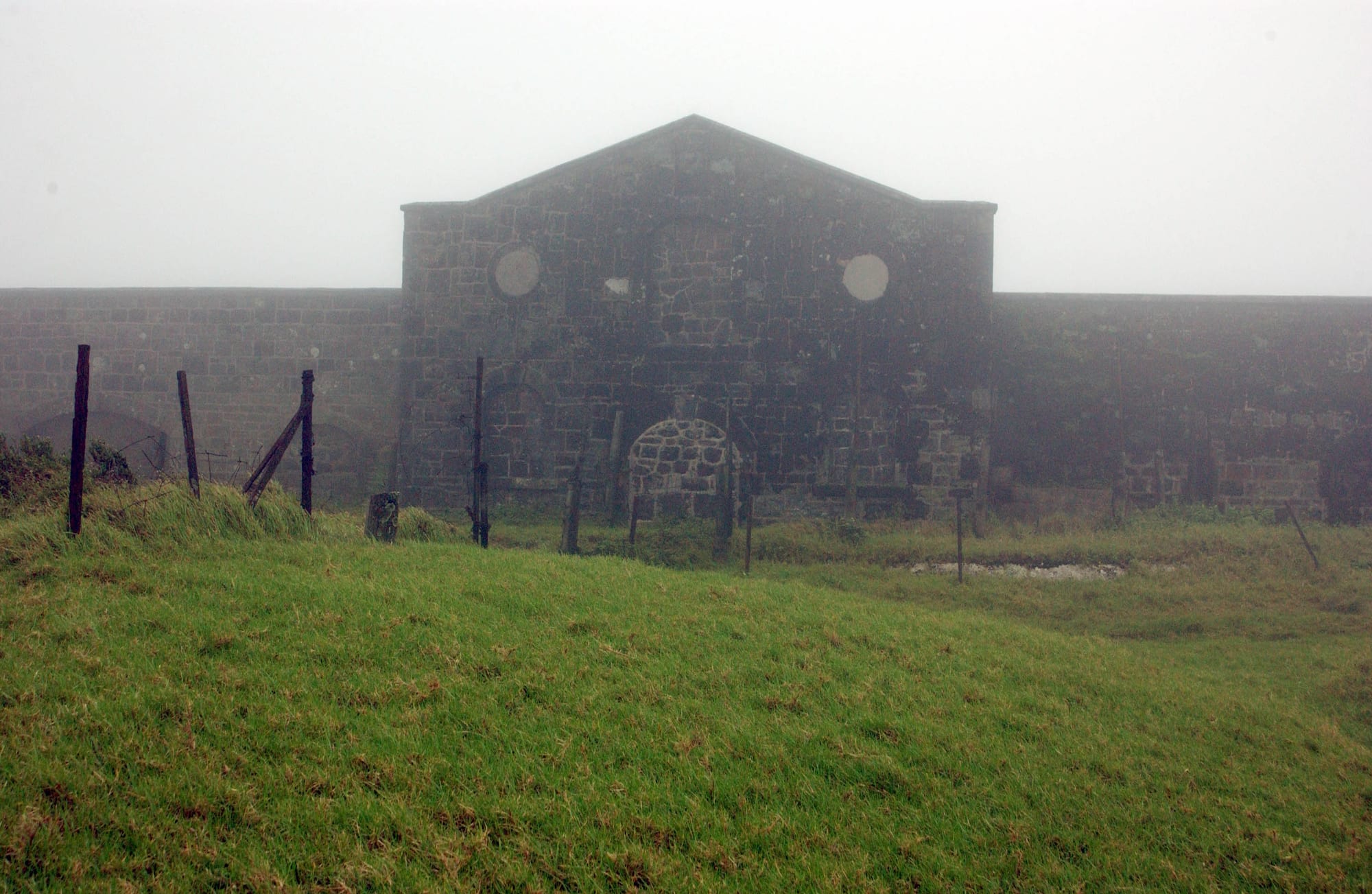
When the Beagle naturalists visited in the 1830s, Ascension's single peak was as bare as the rest of the island. On the advice of Joseph Hooker and Charles Darwin, the Royal Navy began shipping in plants from around the world and planting them on the summit. Within decades the top of the mountain had a working cloud forest — bamboo, banana, ginger, eucalyptus, Norfolk pine — that traps its own water. It is often cited as the first deliberately created, self-sustaining ecosystem.
Today it is a national park. A road climbs most of the way; from the top, the "Dew Pond" crater path and the narrow "Elliot's Pass" cut around the summit give views over the whole island.
2. The green turtle beaches
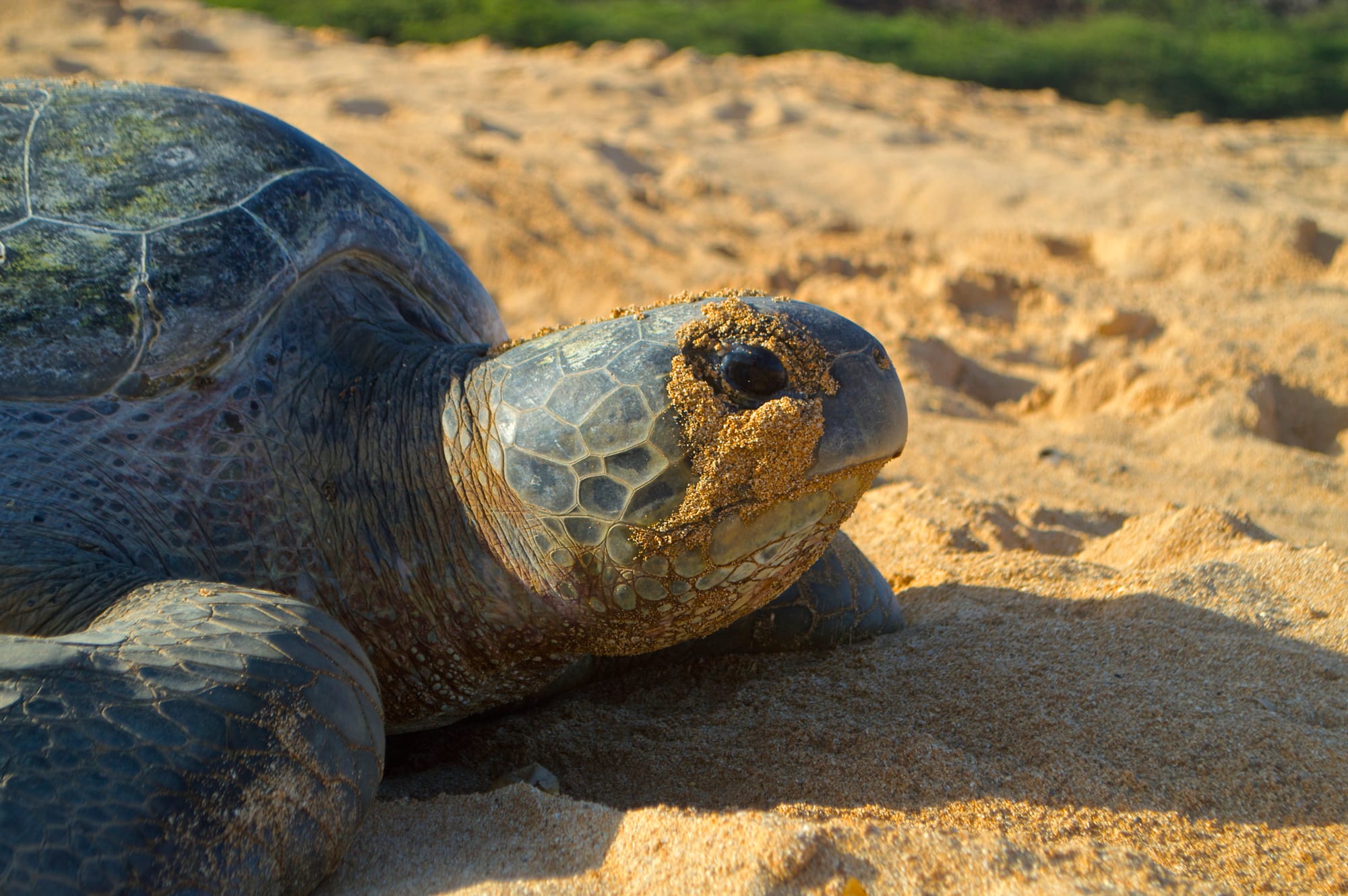
Every year, thousands of green turtles swim more than 2,000 kilometres from the coast of Brazil to breed at Ascension, the beach where they themselves hatched. From about December to May the island's sandy bays — Long Beach, right in front of Georgetown, is the easiest — fill at night with females hauling out to dig nests, and later with hatchlings scrambling for the sea.
Viewing is managed: no white lights, no flash, keep your distance and let guided groups lead. The conservation team runs regular evening turtle walks in season.
3. Boatswain Bird Island
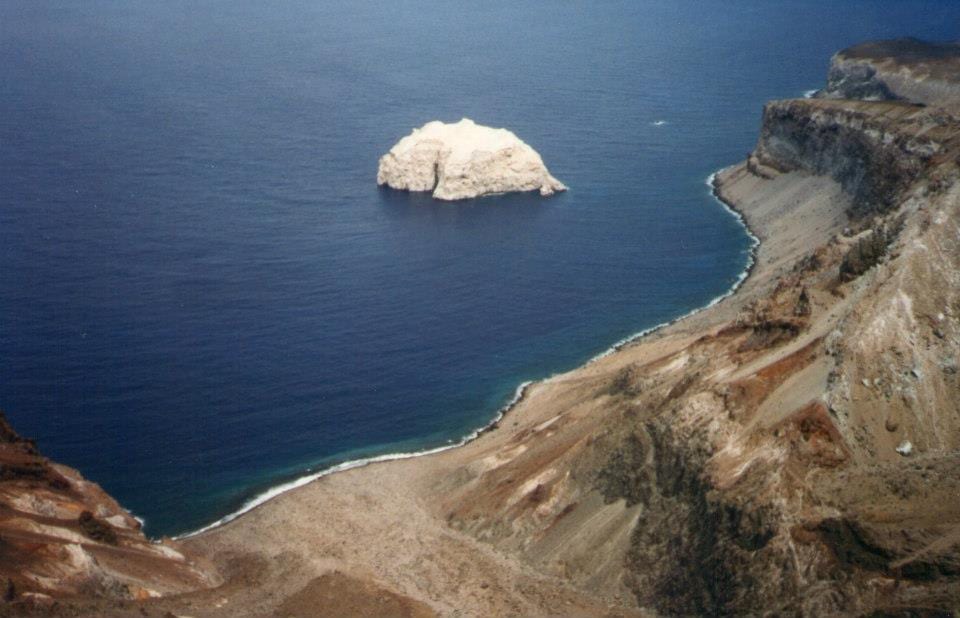
Rats and, later, cats brought ashore by ships wiped out most of Ascension's ground-nesting seabirds on the main island by the 20th century, and the colonies retreated to this one sheer-sided rock stack off the eastern shore. After a multi-year project removed the feral cats from the mainland in the 2000s, seabirds — masked and brown boobies, frigatebirds, tropicbirds, terns — began returning to the cliffs opposite.
You can't land on the island, but the clifftop viewpoint at Letterbox, on a peninsula of weird eroded lava, looks straight across to it and is one of the best walks on Ascension.
4. Comfortless Cove
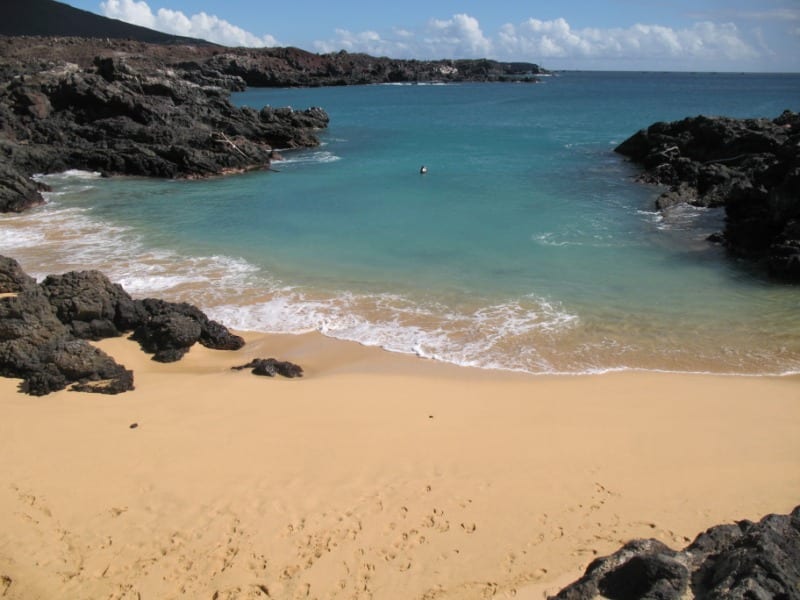
A cluster of small sandy coves on the northwest coast makes the island's main swimming and snorkelling spot, with clear water and reef fish just offshore. The bleak name is real history: in the 1820s–30s, ships with yellow fever aboard were quarantined here, and the sailors who died are buried in the little "Bonetta Cemetery" behind the beach.
Nearby English Bay and the beach below the NASA site round out the safe-swimming options; much of the rest of the coast has dangerous surf and undertow.
5. Georgetown
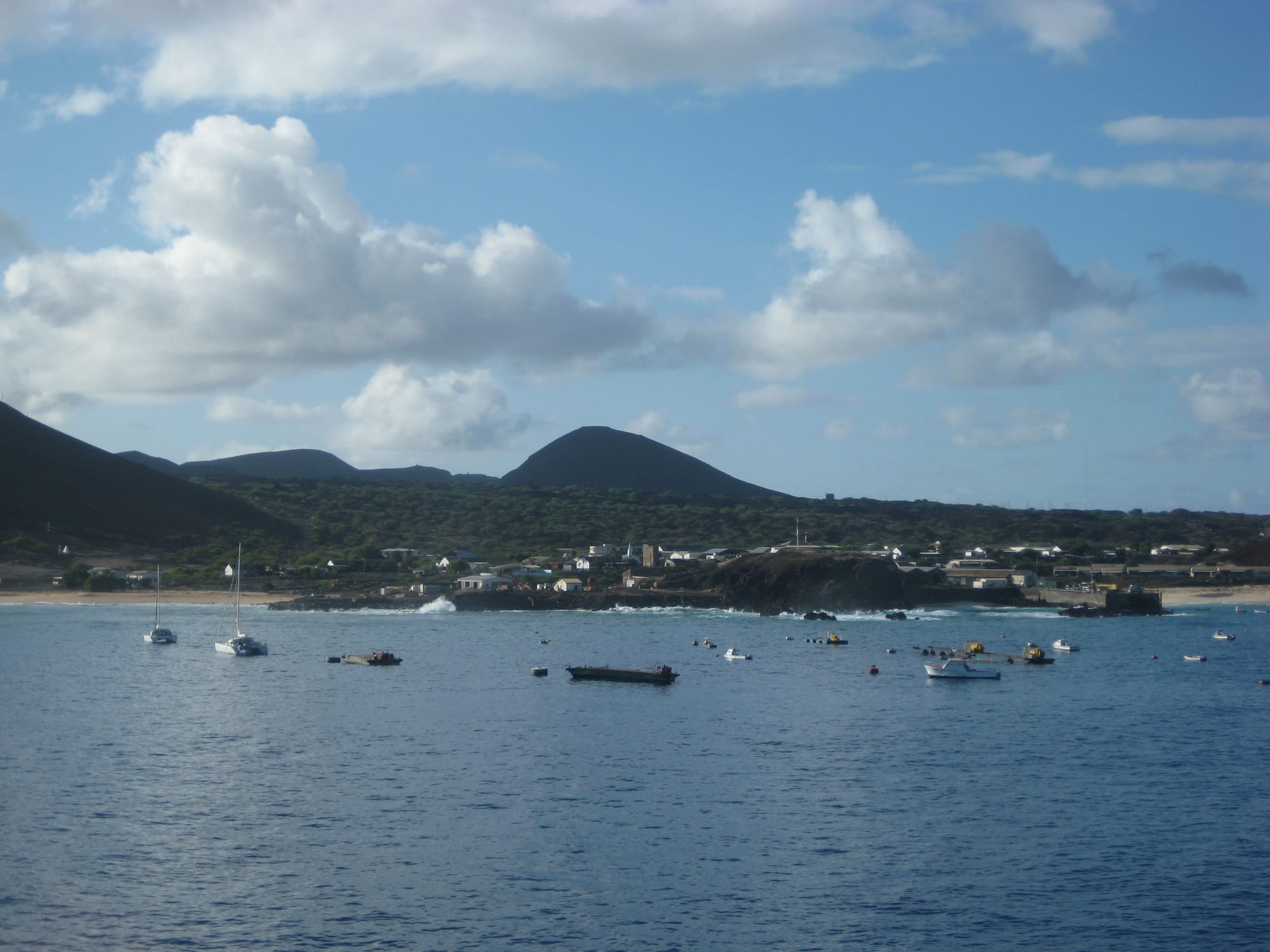
Georgetown is the island's capital and about as small as a capital gets: a couple of streets of Victorian barracks, stores, and workshops on a black lava shore, built by the Royal Navy in the 19th century. The landmarks are St Mary's church, the old fort and cannon on Cross Hill above, the barracks, and the museum in the former Island Council building, which tells the story of the garrison, the cable station, and the wartime airfield.
It has a couple of small shops, a club or two, and the island's main pier, where landing from a ship still means timing a jump between swells.
6. The volcanic landscape and lava walks
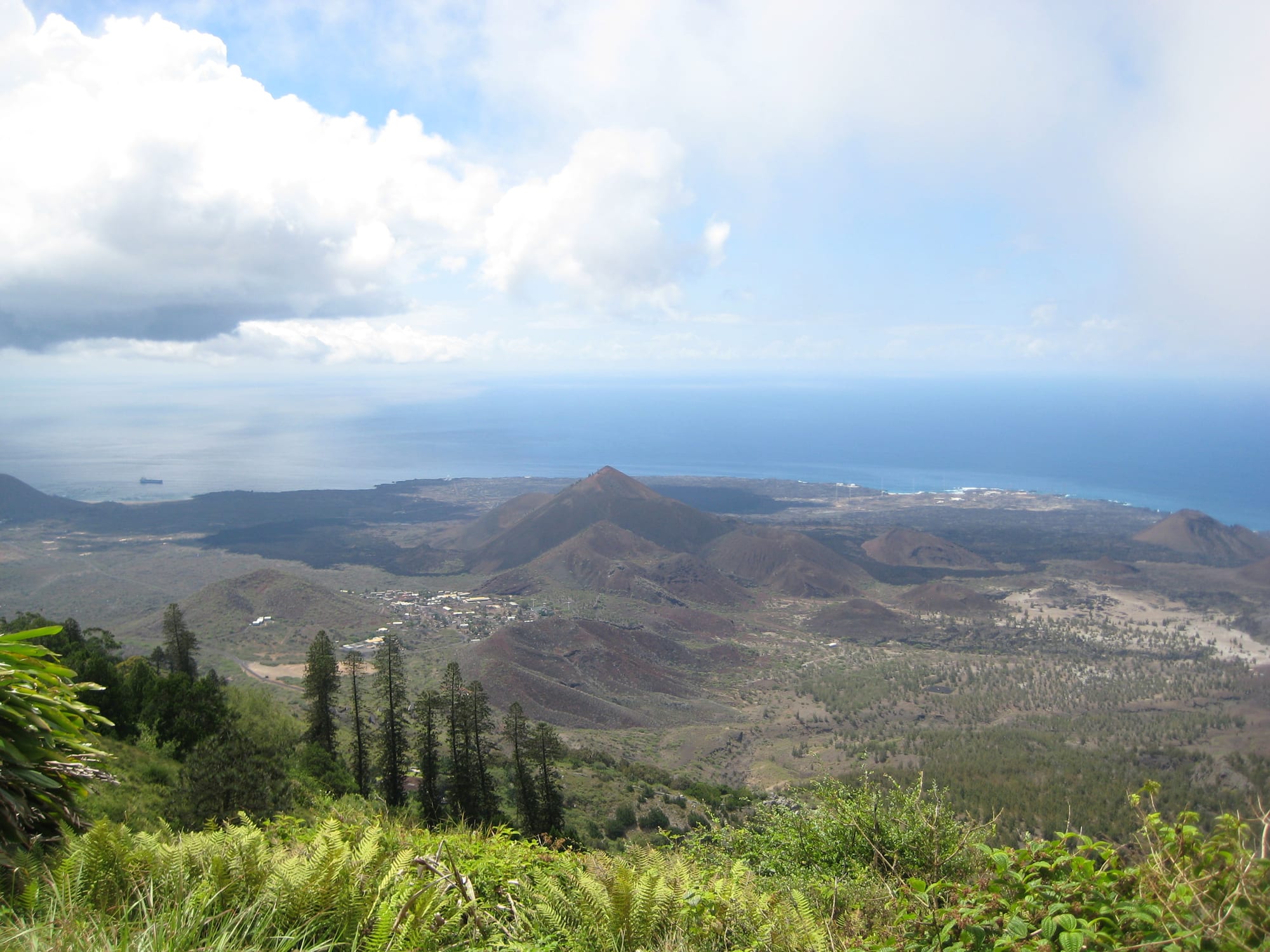
Away from the green summit, Ascension is a young volcanic island of almost lunar starkness: 44 separate cinder cones, black and red ash slopes, and rough lava fields, some of the flows only a few centuries old. Marked trails — collected in the island's "Letterbox" walk network, with stamps to collect at each — lead to craters like the Devil's Riding School and the Broken Tooth, to the sand dunes of the "White Hill," and along the coast.
The bare terrain is why NASA and the ESA have tracking dishes here, and why the island doubled as a Mars-landscape stand-in for early space missions.
7. The Wideawake sooty tern colony
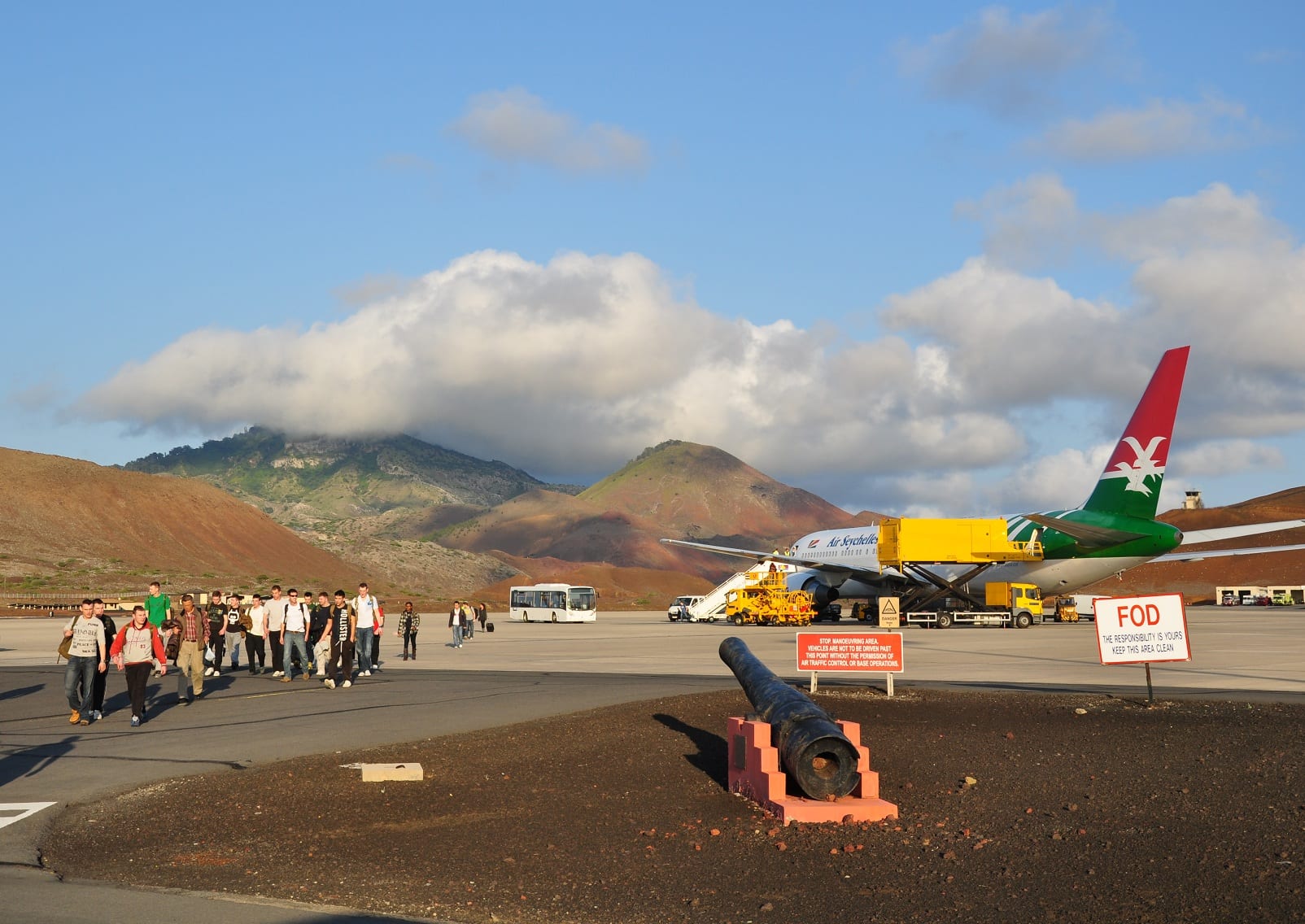
The airfield takes its name from the sooty terns — locally "wideawake birds," for their ceaseless calling — that nest on the open ground beside the runway in their hundreds of thousands. Roughly every ten months the whole colony arrives, lays, and raises its chicks on the bare cinder, then vanishes back out to sea.
When the birds are in, the noise and the wheeling clouds of them are extraordinary. The colony sits on the "Wideawake Fairs," and the conservation team can advise on when and where to view it without disturbance.
Ascension is genuinely hard to visit and has almost no infrastructure for tourists, but for anyone who can arrange it, it is one of the last places in the Atlantic that still feels like the edge of the map.