Culture & Customs · Ascension Island
Ascension Island: An Island of Contracts and Turtles
A small working community with no permanent residents, one parish church, a friendly wave for everyone, and a shared set of rules built around the turtles and seabirds that were here first
By Worldlore Editorial · 30 September 2026
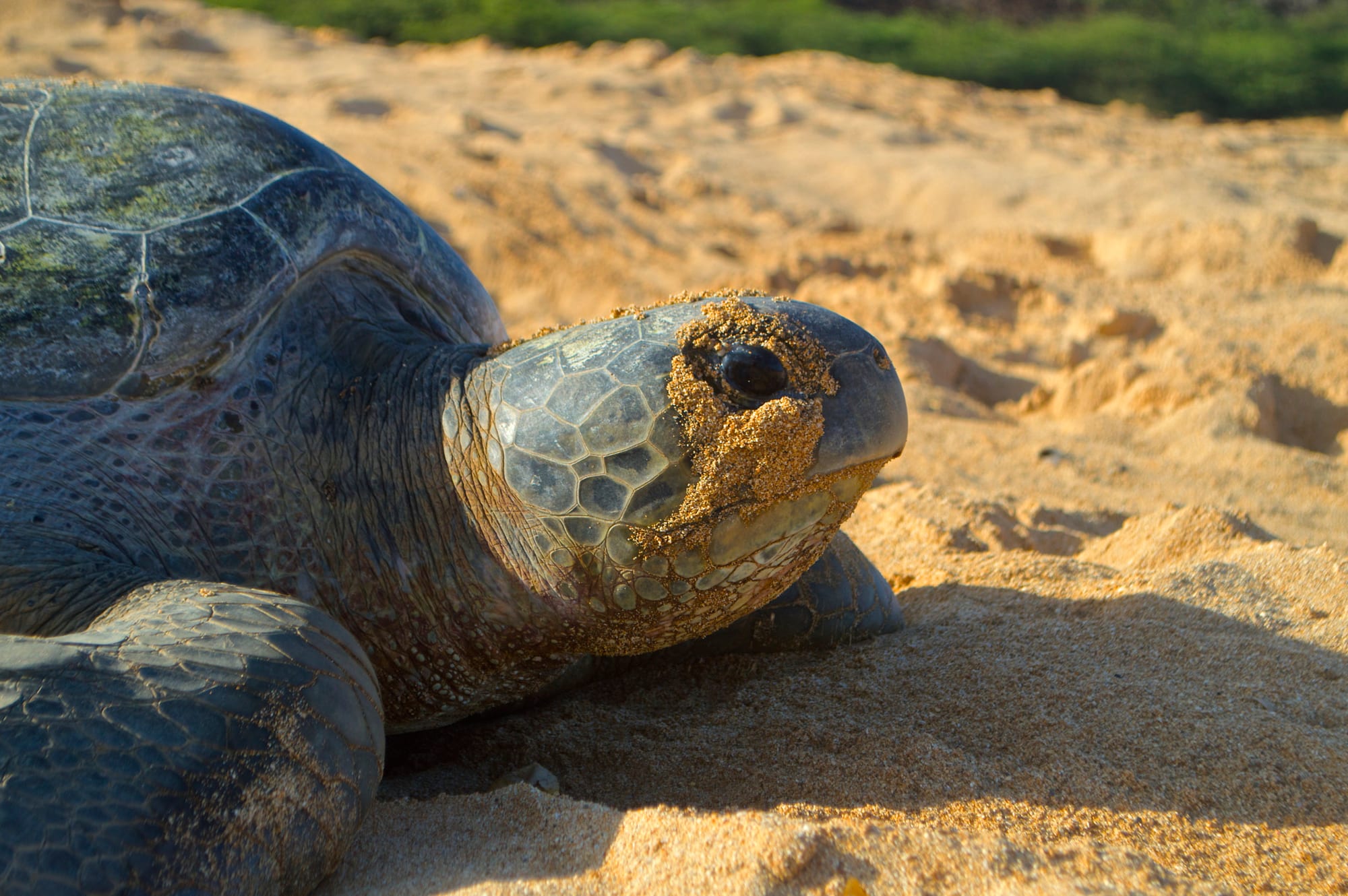
After dark on one of Ascension's nesting beaches, a small group waits quietly at the top of the sand. Nobody walks along the water's edge. Car headlights were dimmed well before the car park, and the vehicles stand facing away from the sea. Torches, where they are used at all, glow red, and no camera flash goes off. Below, a green turtle hauls herself up the beach to dig a nest, as her kind did long before any person lived here. The scene says a great deal about the island. Ascension has no Indigenous people and no permanent residents, but the small community that lives there on work contracts has built a shared set of manners, and many of them are about giving way to the wildlife.
Faith, identity and values
Ascension is a working island. Around 800 people live there at any one time, most of them employees of the organisations that operate on the island and their families: St Helenians form the largest group, alongside British and American staff and smaller numbers of other nationalities. There is no right of abode. Everyone on the island is there to work or to accompany someone who works, and when a contract ends for the last time, they must leave. The community therefore turns over constantly, and a sense of identity comes less from ancestry than from a shared experience of living in a remote, tightly knit place.
The island government is candid about what that asks of people. Residents need to be comfortable seeing the same faces week in and week out, and it names adaptability, resilience and flexibility as the key traits for island life. In return, it describes a pace of life slower and more relaxed than in the United Kingdom, with no traffic jams and no long commutes.
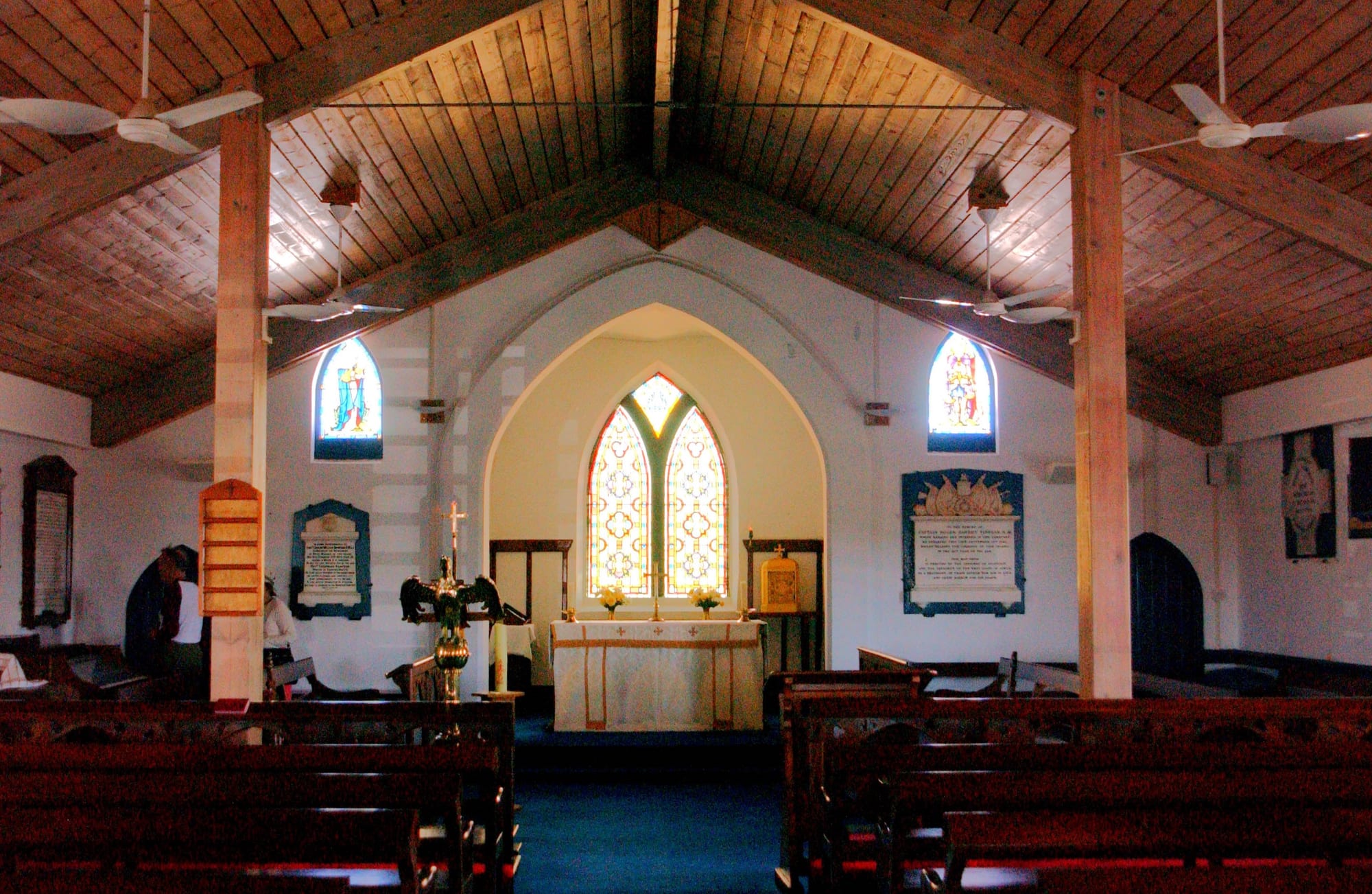
Religious life is centred on St Mary's, an Anglican church in the middle of the capital. Its foundation stone was laid in 1843 and it was consecrated in 1861; the island itself takes its name from Ascension Day, the feast on which it was named in 1503. For decades the chaplains were supplied by the Royal Navy, until naval chaplaincy ended in 1905. Today the chaplain comes from the Anglican Diocese of St Helena, part of the Anglican Church of Southern Africa. St Mary's is used for weekly worship, weddings, baptisms and funerals, keeps the island's historical registers of births, marriages and deaths, and carries plaques remembering people who died on Ascension. Catholics are served by the Church of Our Lady of the Ascension at Cat Hill, near the airfield, which relies on visits from clergy of the Catholic mission that covers the South Atlantic islands.
If one value is shared across the whole community, it is care for the island's wildlife. Ascension is one of the most important seabird breeding sites in the tropical Atlantic, home to its own endemic frigatebird and large colonies of sooty terns, and green turtles nest on its beaches for much of the year. Residents often volunteer on conservation work, and a large part of what counts as good manners on the island is written into wildlife law.
Greetings and meeting people
Everyday courtesy is simple and informal. The island government notes that everyone greets each other when out and about with a friendly wave, and in a community where people see one another daily at work, in the shop and at the club, returning that wave is the least that is expected. English is the island's language.
Because the population is so small, newcomers are noticed quickly and visitors are generally easy to spot. The same smallness is a reason for tact: people live close together, often for years, and the relaxed tone of island life depends on everyone getting along.
Hospitality and being a guest
No one arrives on Ascension by chance. Almost every visitor needs an entry e-visa, applied for through the official portal at least 14 days before travel, together with proof of travel and medical insurance that covers emergency evacuation. Late applications may be refused, and applications should go through the government's own portal rather than third-party agencies.
Social life for residents and visitors alike revolves around a handful of clubs. The island's leaflet for visitors lists the Two Boats Club and the Saint's Club, both open most lunchtimes for food and drink, the Volcano Club snack bar most evenings, and a snack bar run by the NAAFI, alongside evening meals at the island's hotel, which should be booked ahead. The same leaflet points out that some shops have limited opening hours, a reminder that on an island of this size, visitors fit around local routines rather than the other way round.
The government's code of conduct for visitors is short and practical: respect all marine and plant life and "look but don't touch", leave gates and property as they were found, avoid creating fire hazards, take litter home or put it in the bins provided, and park only in designated areas.
Festivals and life's big moments
The island's calendar is shaped less by festivals than by the seasons of its wildlife and by the rhythm of the church year. Christian festivals are marked at St Mary's, and Ascension Day carries a particular resonance on the island that bears its name. Weddings, baptisms and funerals all take place in the same small church, which, for a community that changes so often, also serves as its longest-running record of those life events.
The turtle season is the event that residents and visitors most look forward to. Green turtles nest on the island's beaches roughly from November to May, and guided night walks to watch them are a highlight of the season. On the protected nesting beaches, much of the etiquette described at the start of this article is backed by law from December to July, and it is an offence at any time of year to harm or disturb a turtle, a hatchling or an egg.
The seabird colonies have their own calendar. The sooty terns, known locally as wideawakes, gather in dense, noisy colonies called Wideawake Fairs when they are nesting, and these are one of the island's great sights. The Conservation Department asks anyone who comes across a bird on a nest to watch quietly from a respectful distance and to move away if the bird's behaviour changes. Groups of frigatebirds resting on the ground should not be approached at all, since they may be nesting and are easily disturbed.
Arts, crafts and music
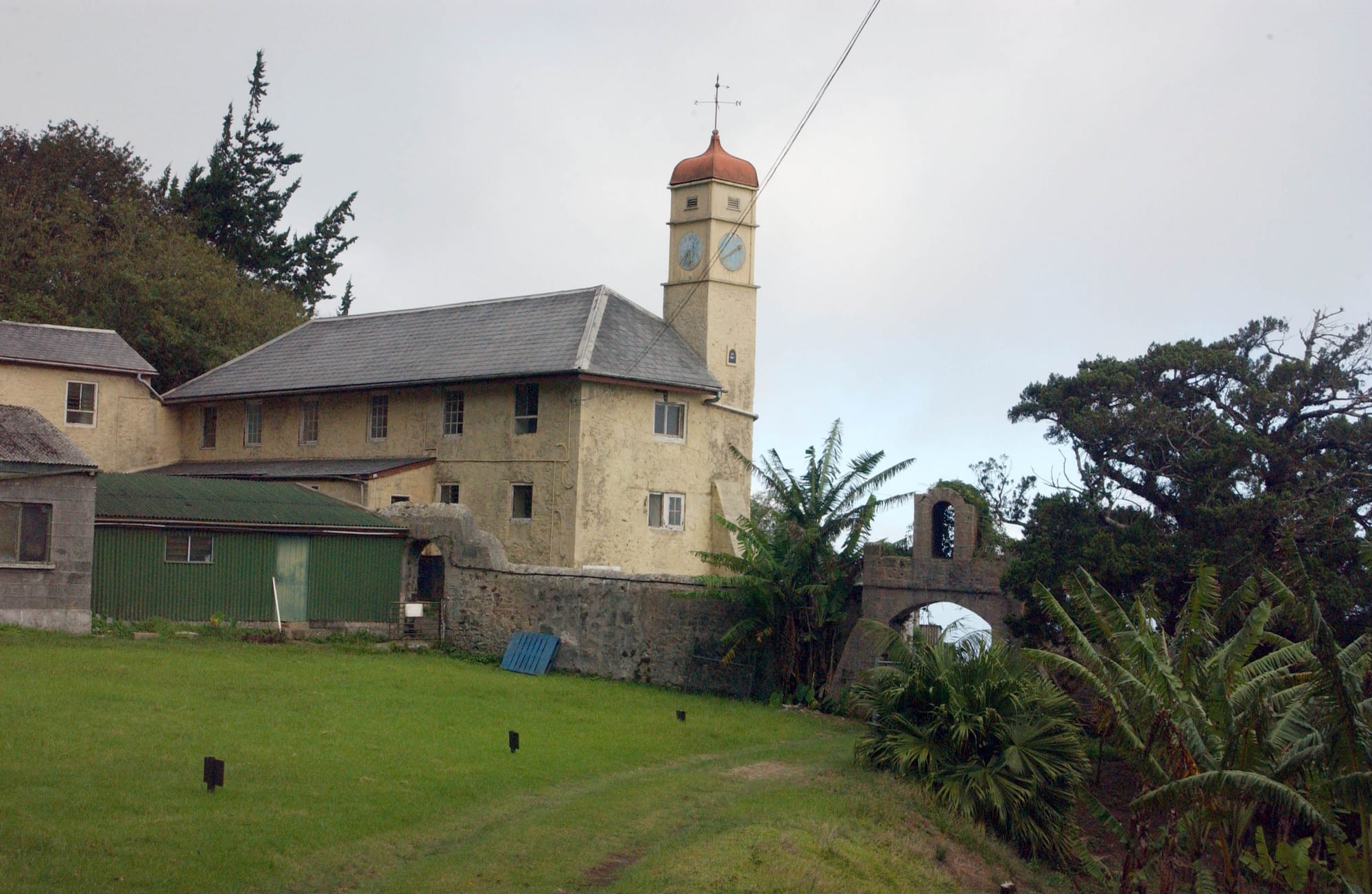
Ascension's heritage is largely a story of the people who were posted there, and it is kept by volunteers. The Heritage Society runs the island's museum below Fort Hayes, whose displays were repainted and reorganised by volunteers and now tell the island's story in chronological order. The museum has limited opening hours, and souvenirs are sold there and at the Conservation Office.
Walking is the island's great shared pastime and something close to a living tradition. A published Letterbox Walks book describes routes across the island, and paths on Green Mountain, the island's one green peak, are kept clear by the Conservation Department and voluntary groups including the Heritage Society. Many of these paths are themselves pieces of history. Elliot's Pass, which circles the mountain through a series of tunnels, was built in 1840 as a lookout for the marines stationed there, and the Dew Pond near the summit was dug out in 1875 as an emergency water supply, and is now ringed by tall bamboo. The Red Lion, a former barracks for the men who worked the mountain farm, still stands there.
Beyond this, Ascension's cultural life is essentially the culture its residents bring with them. The largest group, from St Helena, carries that island's traditions, while British and American staff bring their own. The result is less a single local tradition than a meeting of several, held together by the clubs, the church and the shared outdoor life.
Dos and don'ts for visitors
- Do apply for an entry e-visa through the official portal at least 14 days before travelling.
- Do return the friendly wave; everyone greets everyone on Ascension.
- Do use only red-light torches near nesting beaches, and never use flash photography on turtles.
- Do park in designated car parks, facing away from the beach, and dim headlights early at night.
- Do watch nesting seabirds quietly from a distance, and move away if a bird's behaviour changes.
- Don't walk along the water's edge while turtles are coming ashore, or drive or park on the sand.
- Don't touch or remove plants and wildlife; many species are protected by law.
- Don't swim without checking conditions first; the sea can be dangerous and medical facilities on the island are limited.
What to take away
Ascension has no ancient customs of its own, but its small, ever-changing community has settled on a clear code — greet one another, look after the place, and let the turtles and seabirds go first — and visitors who follow it will fit in quickly.