Daily Life · Ascension Island
Ascension Island: A Population That Never Stays
Everyone present on a work contract, a small supermarket and a single school shared between two small settlements, and a community that turns over as steadily as the ships and flights that bring it
By Worldlore Editorial · 30 September 2026
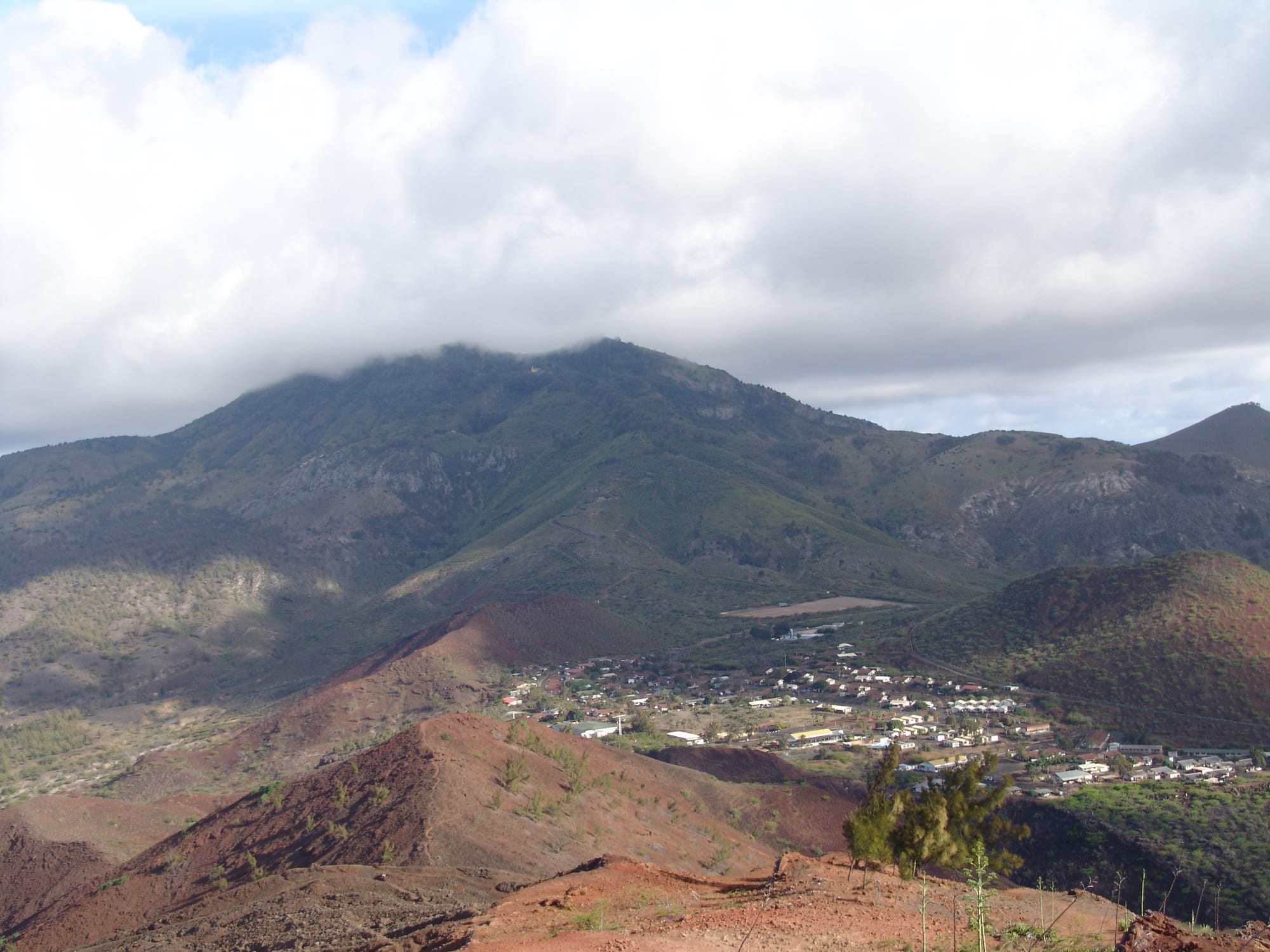
Nobody is from Ascension Island. Every one of its roughly 800 residents is there on a work contract, for the airfield, the American facilities, the island's own government, the communications operators, or the small tourism trade that has grown up around them, and there is no right of permanent residence for anyone at all. Day to day life is split between two small settlements on a mostly barren volcanic island, Georgetown by the sea and Two Boats inland at the foot of cloud-wrapped Green Mountain, with the airfield and the bases spread across the flat lava plain.
Family and home life
Most residents are Saint Helenians who have taken a fixed-term contract to work on the island, alongside British and American service and civilian staff attached to the airfield and the communications facilities. Housing, power and water are provided directly by employers rather than bought or rented on an open market, and families generally come and go together for the length of a contract rather than settling permanently, since nobody holds a right of abode on Ascension no matter how long they have lived there. Above Two Boats, the cooler, wetter slopes of Green Mountain, planted with trees and once farmed to supply the island, are a rare patch of green on an otherwise dry, volcanic island.
Work, school and the rhythm of the day
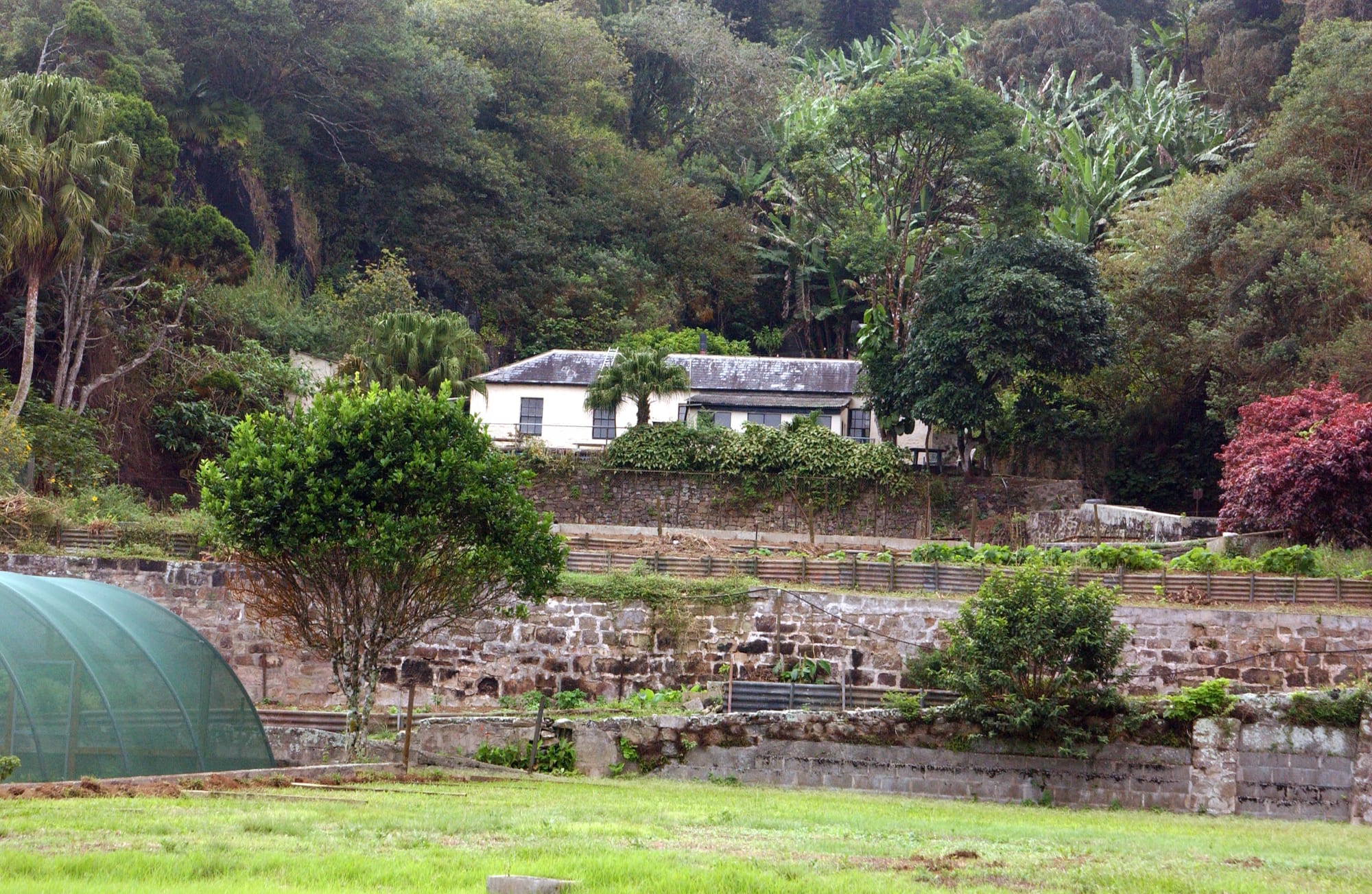
Work is the reason anyone is on Ascension at all, and the island's handful of big employers, the joint airfield, the government and its associated services among them, set the rhythm of the working week for most of the population. A single school at Two Boats, for children aged 3 to 16, a small hospital and a small supermarket in Georgetown cover most everyday needs, so a supply ship or a flight arriving is a genuine event rather than routine. Broadband is limited and costly given the island's remoteness, and this, more than anything, shapes how connected to the outside world an ordinary working day feels.
Community life and public spaces
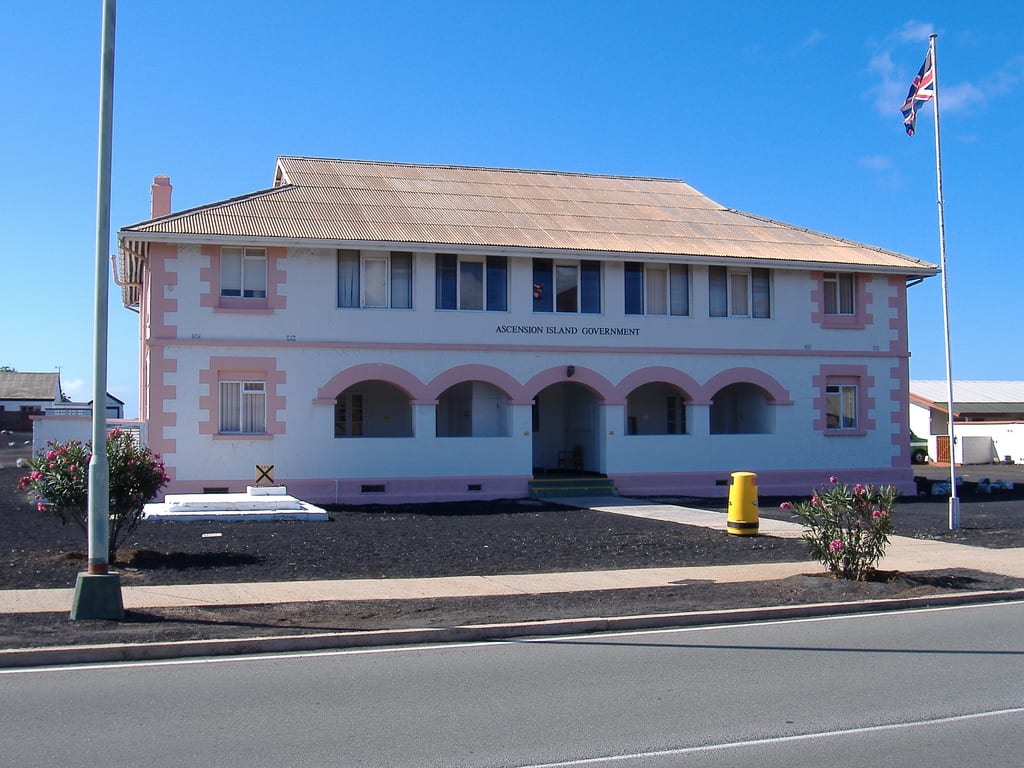
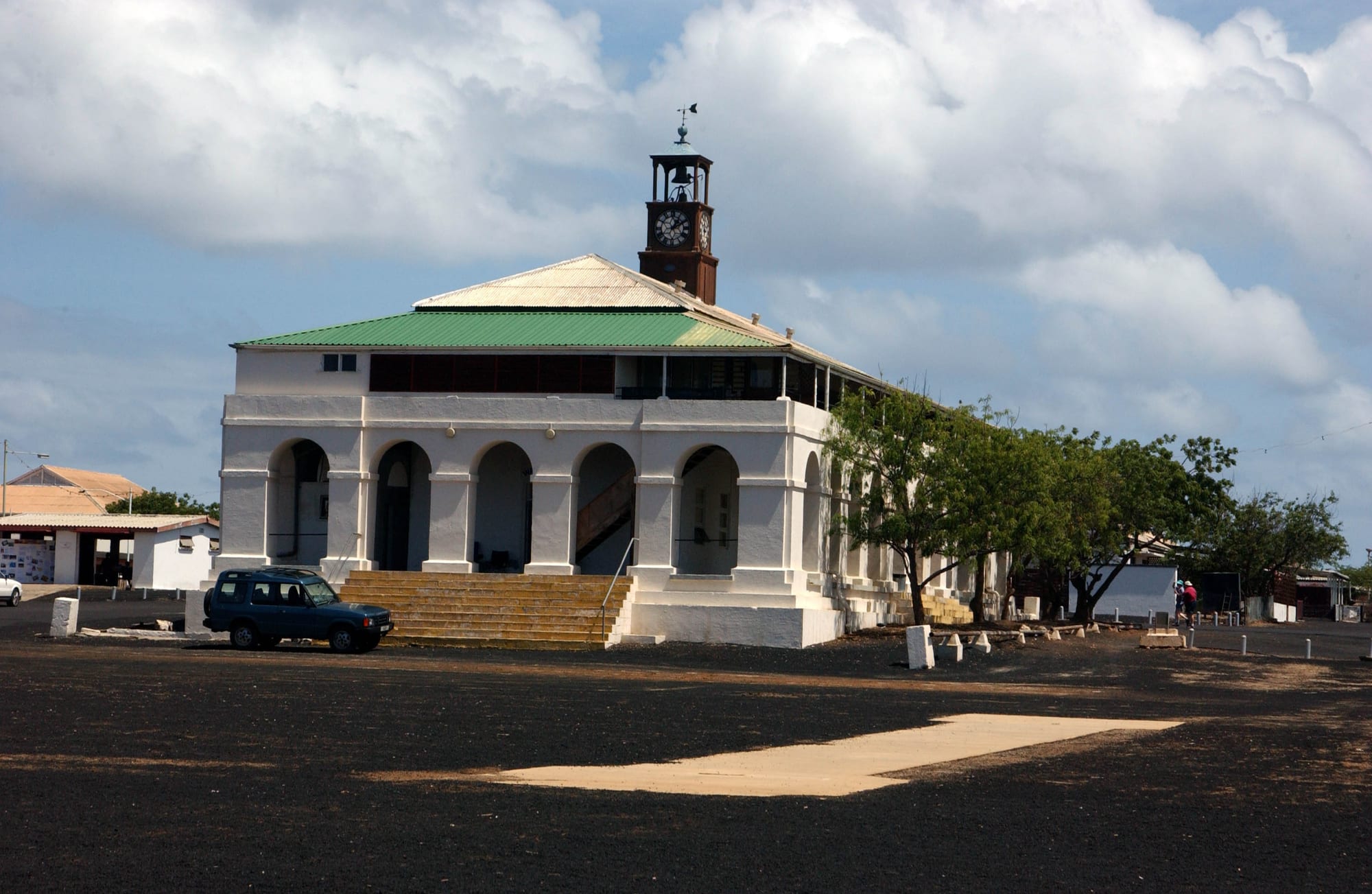
Life is organised around the two settlements rather than anything resembling a town centre: Georgetown, the tiny capital by the pierhead, and Two Boats village, on the way up Green Mountain. A social club with a busy sports-and-social calendar functions as the closest thing the island has to a public square, hosting much of what passes for organised community life outside work. Because so much of the population is on a contract for one of a small number of employers, community life turns over steadily as people's postings end and new arrivals take their place.
Free time and weekends
Fishing, both from the shore and by boat, is a genuine passion rather than a pastime, in open-ocean waters that hold tuna, wahoo and marlin, and sport fishing is also the main draw for many visitors. The turtle-nesting season, roughly November to May, draws residents as much as visitors to the beaches at night, where thousands of green turtles come ashore to lay their eggs each year. The sports-and-social club's calendar of matches and events structures free time across the year, in a community too small to support much beyond it.
A visitor's ordinary day
Getting to Ascension at all takes planning: there is no scheduled commercial service, and access depends on an Entry Permit, a confirmed seat on the RAF airbridge or the monthly Saint Helena charter, and proof of onward travel. It is a cash economy built on the Saint Helena pound and sterling, served by a single branch of the Bank of St Helena and little else, so visitors bring sterling with them. A hire car is close to essential once on the island, since the two settlements sit some distance apart across bare lava, and the military and communications areas are strictly off-limits.
What to take away
An ordinary day on Ascension Island belongs to whoever is currently under contract to be there: a community with no permanent residents at all, held together for as long as each person's posting lasts by two small settlements, one school, a small supermarket, and a shared sports-and-social calendar.