Food · Armenia
Armenia: Food and the National Dish
Skewered meat grilled over an open fire, stuffed grape leaves, paper-thin bread baked in a clay pit, and one of the oldest wine traditions on earth
By Worldlore Editorial · 16 September 2026
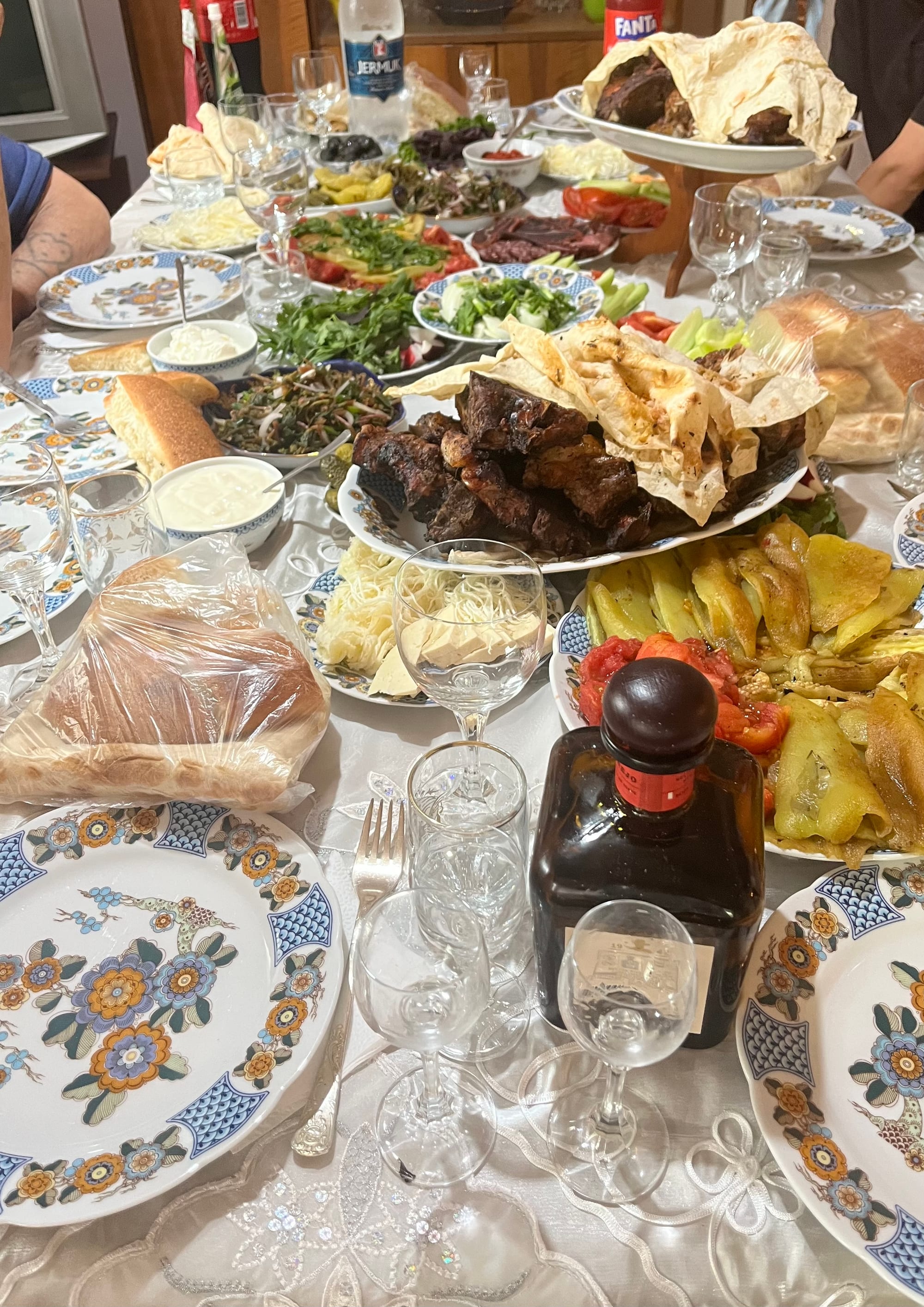
A very old table
Armenia sits in the South Caucasus with a food culture that draws on some of the oldest agricultural traditions anywhere. The world's earliest known winery, dated to about 4100 BCE, was excavated in the Areni-1 cave in southern Armenia, and the apricot's scientific name, Prunus armeniaca, reflects an old European belief that the fruit came to the West by way of Armenia. Wheat, grapes, walnuts, pomegranates and a huge range of fresh herbs — eaten as a course in their own right rather than only as garnish — form the backbone of the cooking, with lamb, pork and beef providing most of the protein.
The national dish: khorovats
Khorovats is Armenian barbecue: chunks of meat, most classically pork but also lamb, beef or chicken, threaded onto long skewers and grilled slowly over the embers of a wood fire, usually alongside skewers of tomato, eggplant and pepper that are mashed together afterwards into a smoky relish.
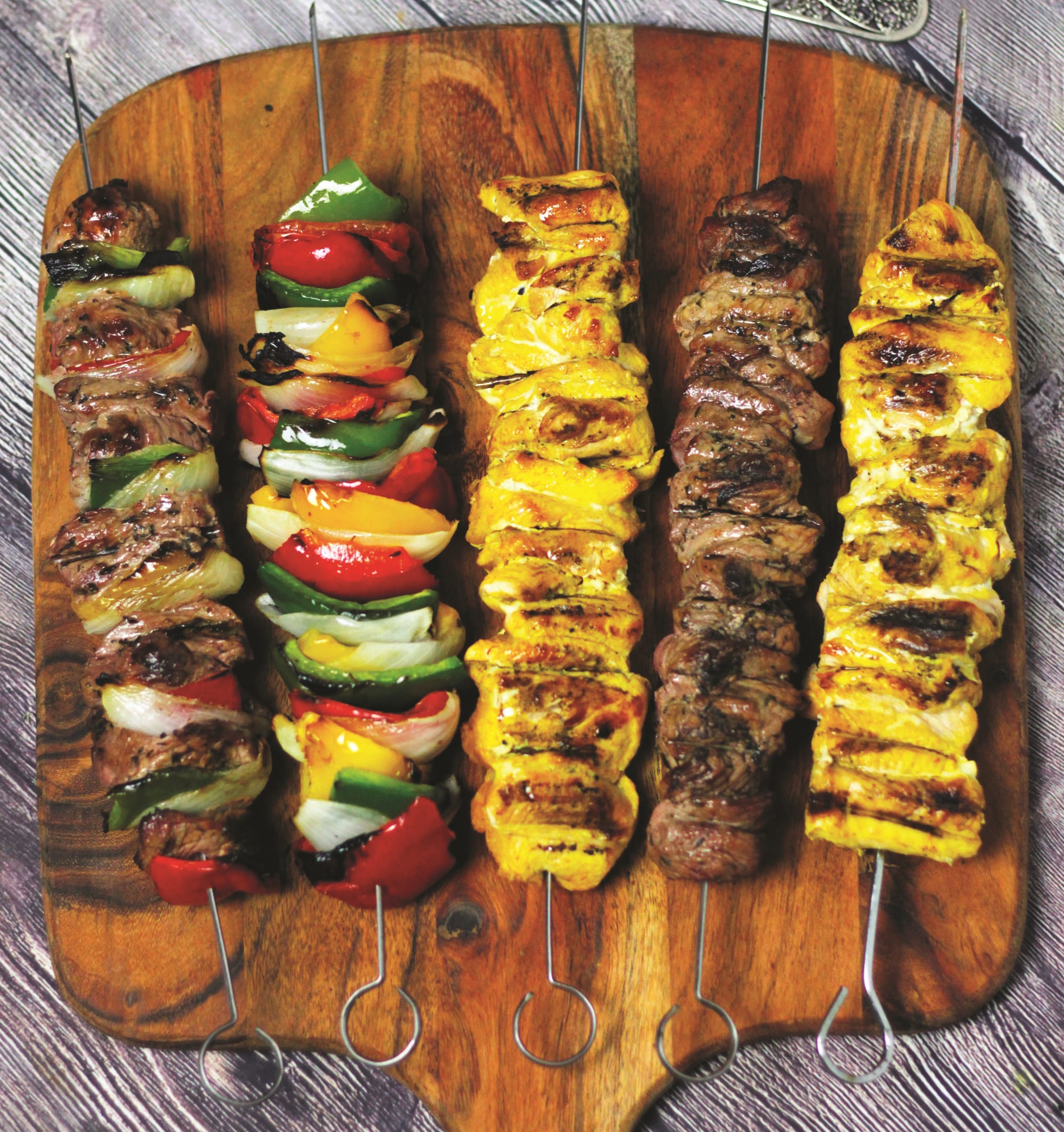
It is the dish of every family gathering, wedding and holiday, cooked outdoors by whoever is trusted with the fire, and it travels with the Armenian diaspora wherever it settles — a khorovats grill is often the first thing set up at an Armenian community event anywhere in the world. Dolma, stuffed grape leaves or vegetables, is the other dish with a real claim to being Armenia's signature food, and many households would say a table isn't properly laid without either one.
What defines Armenian cooking
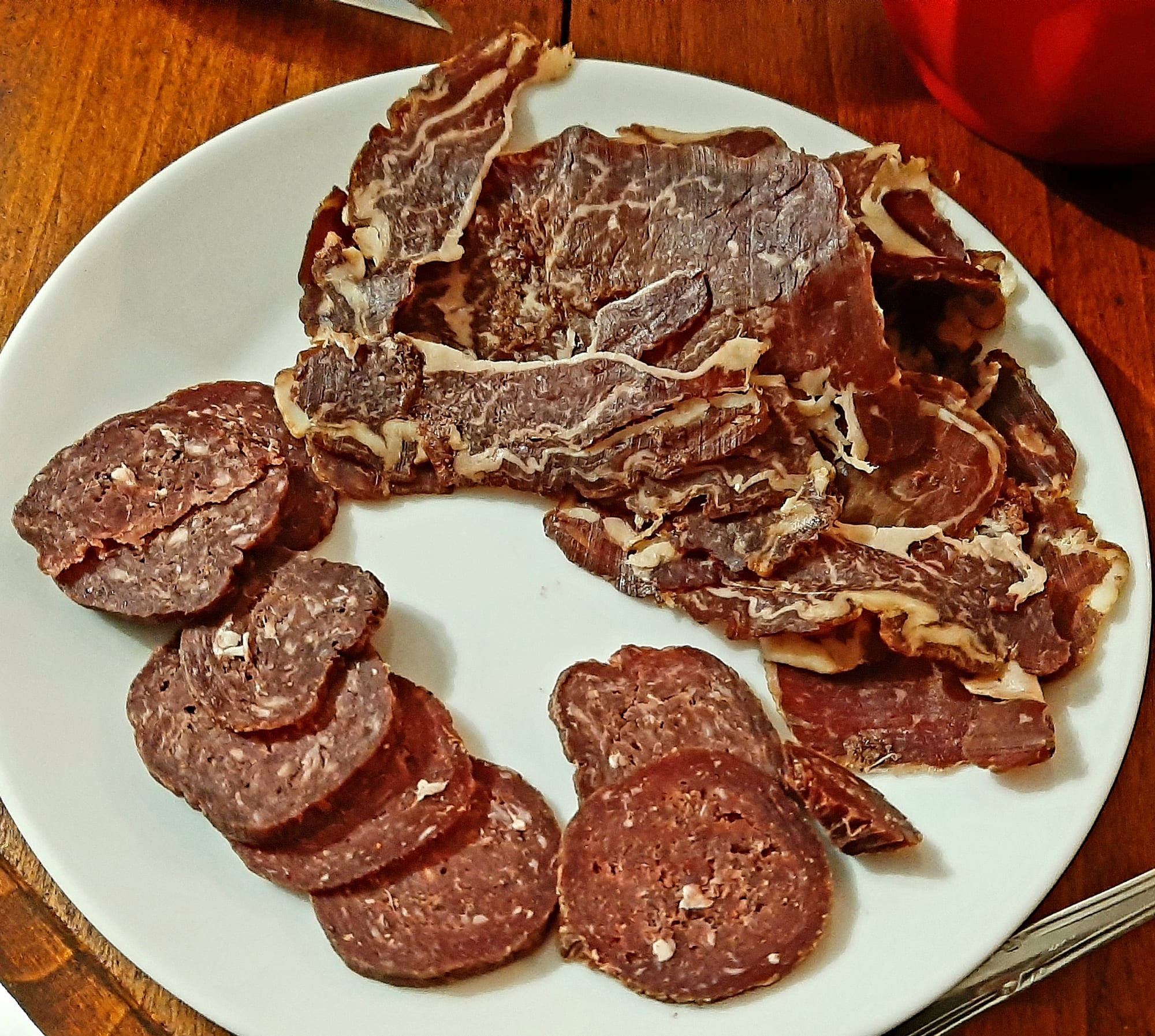
Fresh herbs are eaten more like a vegetable than a seasoning here: a plate of tarragon, basil, mint, coriander and watercress often sits on the table simply to be eaten by hand alongside everything else, a course called kanach. Dairy is soured rather than sweet — matsun, a thick yoghurt, is eaten plain, thinned into the cold soup spas, or made into a salted drink. Dried and cured meat is a speciality in its own right: basturma, air-dried beef coated in a fenugreek-and-garlic paste called chaman, and sujukh, a similar cured beef sausage, are both sliced thin and served as a starter.
History on the table
Armenia's position between Persia, the Ottoman world and the wider Caucasus shows up as shared dishes and shared disputes over their origin: versions of khorovats, dolma and khash are eaten, under different names, from Georgia to Turkey to Iran. The Armenian Apostolic Church added its own structure — extended fasting periods through the year produced full meat-and-dairy versions of many dishes alongside "fasting" versions made with oil, nuts and vegetables only, and both are still cooked today. The Armenian Genocide of 1915 scattered a large diaspora across the world, and the cuisine travelled with it; in diaspora communities, cooking harissa — a wheat-and-meat porridge simmered for hours into a thick paste — together on 24 April, the day of remembrance, is a widely kept tradition that turns a meal into an act of memory.
Dishes to know
Five to recognise on any Armenian table (regional specialities are covered on the region pages):
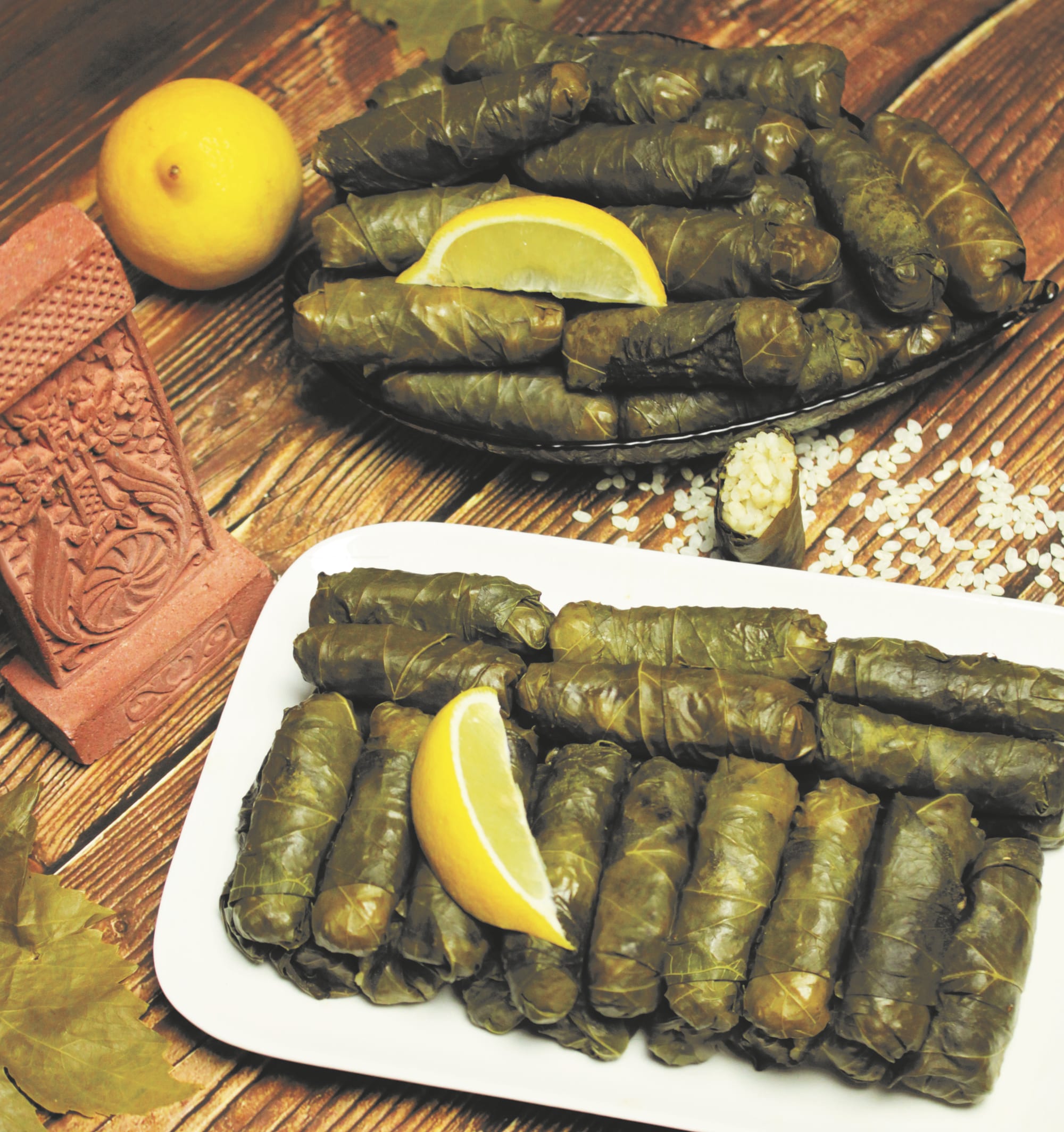
- Dolma — grape leaves or vegetables (peppers, tomatoes, cabbage) stuffed
with rice, herbs and often minced meat; a "fasting" version made without meat is common during Lent.
- Khash — a wintertime soup of boiled cow or sheep trotters and tripe, eaten
for breakfast with garlic and lavash, traditionally alongside vodka in an occasion as social as it is culinary.
- Lavash — a large, paper-thin bread slapped onto the inside wall of a
clay pit oven, the tonir, and peeled off blistered. Lavash was added to UNESCO's intangible cultural heritage list in 2014 and is used to wrap food as much as it is eaten alongside it.
- Harissa — wheat and chicken or lamb cooked down for hours into a thick,
savoury porridge, tied to religious feast days and to Genocide remembrance.
- Ghapama — a whole pumpkin stuffed with rice, dried fruit, honey and nuts
and baked, a festive autumn dish.
A regional specialty worth knowing
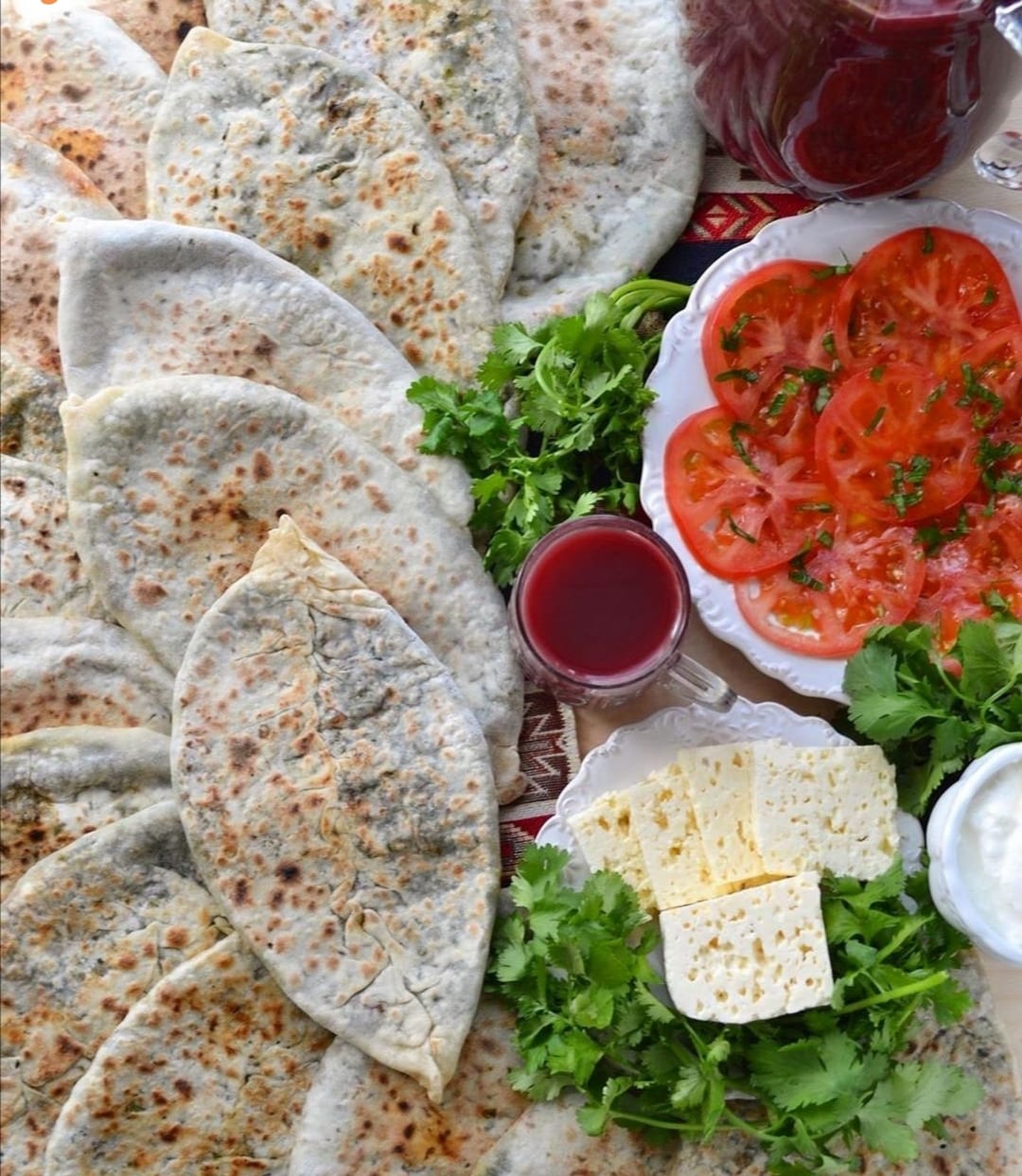
Zhingyalov hats is one of the clearest examples of how specific Armenian regional food can get: a flatbread filled with a mix of a dozen or more wild greens and herbs, sealed and cooked on a dry griddle without any oil. It is a speciality carried by Armenian communities with roots in Karabakh, and shows how much the cuisine still varies from one Armenian region — and one Armenian community — to the next.
Wine, brandy and the toast
Given the age of Armenian winemaking, it is fitting that wine, especially from the Areni region, has seen a real revival in recent years. Armenian brandy, marketed abroad as Armenian cognac and led by the Ararat label, has an international reputation of its own — Winston Churchill was said to have insisted on it. Tan, a salted yoghurt drink, and strong, unfiltered coffee are the everyday counterparts. Eating out or at home almost always comes with toasting: a designated toastmaster leads a series of toasts through the meal, to family, to guests, to the dead, in a tradition close in spirit to neighbouring Georgia's.
Eating as a traveller
Vegetarians can rely on dolma's fasting version, the herb plate, cheese, and the many oil-based vegetable dishes developed for the Church's fasting calendar, though khorovats itself is built around meat. Tap water in Yerevan is generally safe. Khash is a strong, particular experience best tried with locals rather than alone — it is eaten early, in quantity, and treated as much as a social ritual as a meal.
What to take from the table
Armenian food centres on fire, bread and hospitality — a khorovats grill going outside, lavash coming warm off the tonir wall, and a table that keeps filling up long after you think it is finished.