Daily Life · Armenia
Armenia: Family, Held Together From Afar
Pink-tuff apartment blocks, many households with someone working in Russia, and a capital dotted with public drinking fountains
By Worldlore Editorial · 30 September 2026
Family in Armenia is still organised around the household rather than the individual, but for a great many families that household now stretches across a border. Many Armenian families have at least one relative working abroad, most often in Russia, and the money they send home is a genuine part of ordinary life rather than an occasional gift. In the capital, most people live in pink-tuff apartment blocks raised in the Soviet era; in the villages and river valleys beyond it, life still turns on orchards, vineyards and livestock, and on a Sunday drive to see family a few hours away.
Family and home life
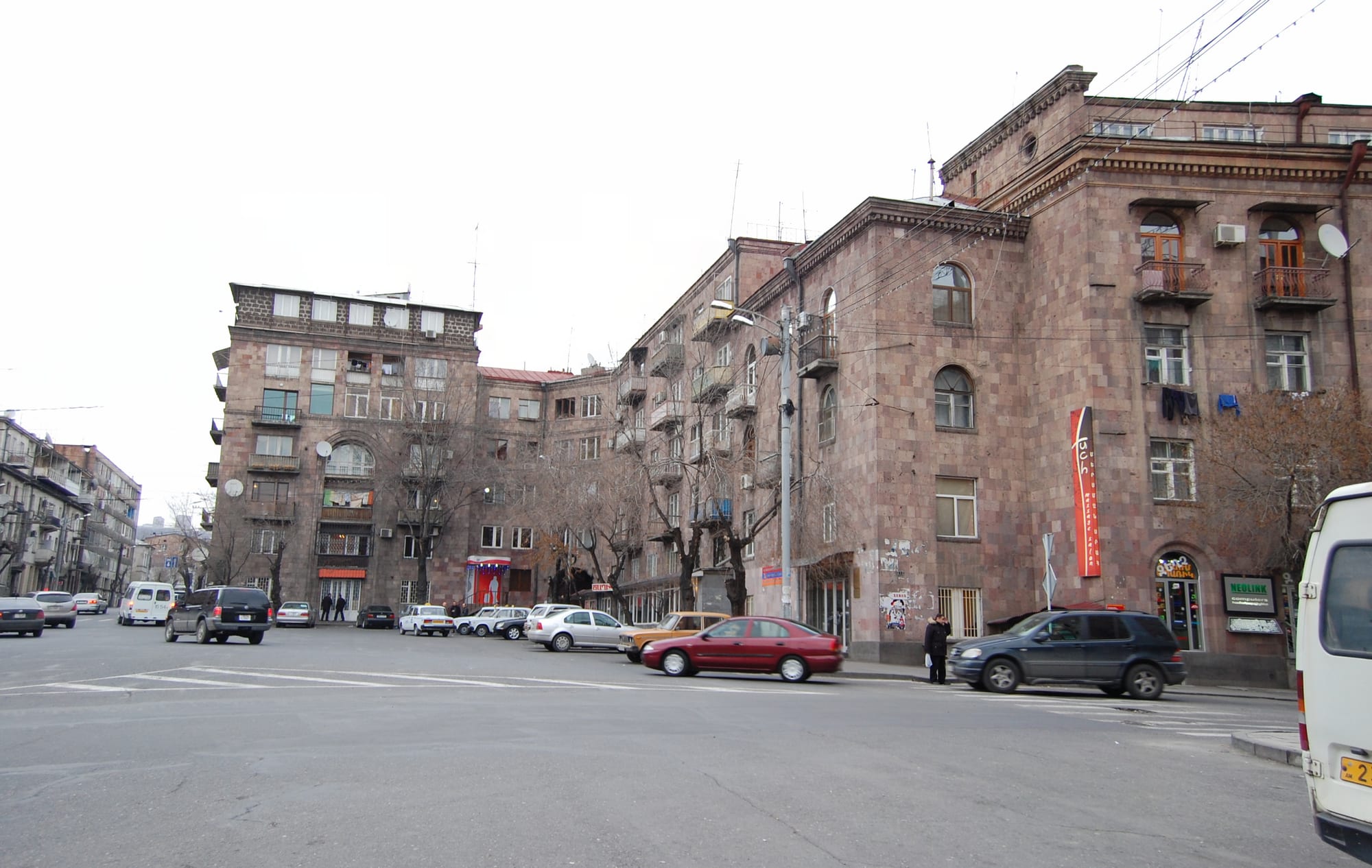
More than a third of Armenians live in Yerevan, a city largely rebuilt from the 1920s onward in a warm pink and orange volcanic stone called tuff, and most people there live in apartment blocks rather than houses, often the same flats their families have held since the Soviet period. Outside the capital, households remain closer to the land: farming means orchards, vineyards and vegetable plots on the plains and livestock on the high pastures, and in many villages it is still common for a grown son to bring his wife into the family home rather than for the couple to move into a place of their own. Labour migration to Russia is a defining fact of many households nationwide: many families have at least one member working there, sending home money that is a real part of the household budget, and in some villages it is mostly women, children and the elderly who keep daily life running while the men are away.
Work, school and the rhythm of the day
For those working inside Armenia, the day generally follows a Monday-to-Friday office schedule in Yerevan, alongside a fast-growing technology sector, while much of the countryside still runs to an agricultural calendar of planting, harvest and the autumn work of preserving fruit and vegetables for winter. For many families, though, a working day is spent outside Armenia altogether: seasonal and longer-term labour migration to Russia, mostly in construction and services, is common enough that a village with most of its working-age men away for months at a time is not unusual. Chess has been part of the curriculum in every public school since the 2011–12 school year, when Armenia became the first country in the world to make the game compulsory in schools. Winters in remote mountain areas are harder than in the capital.
Community life and public spaces
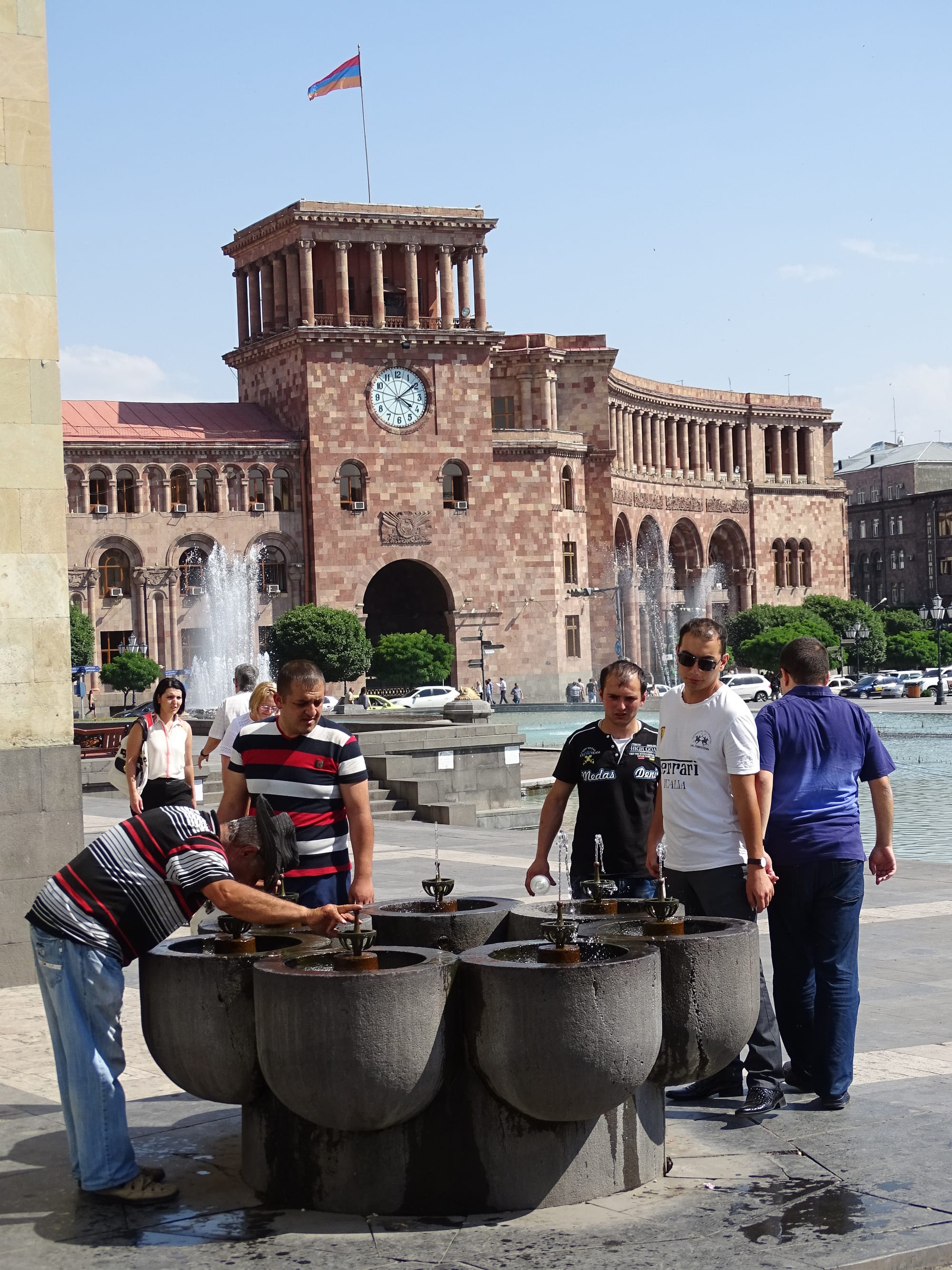
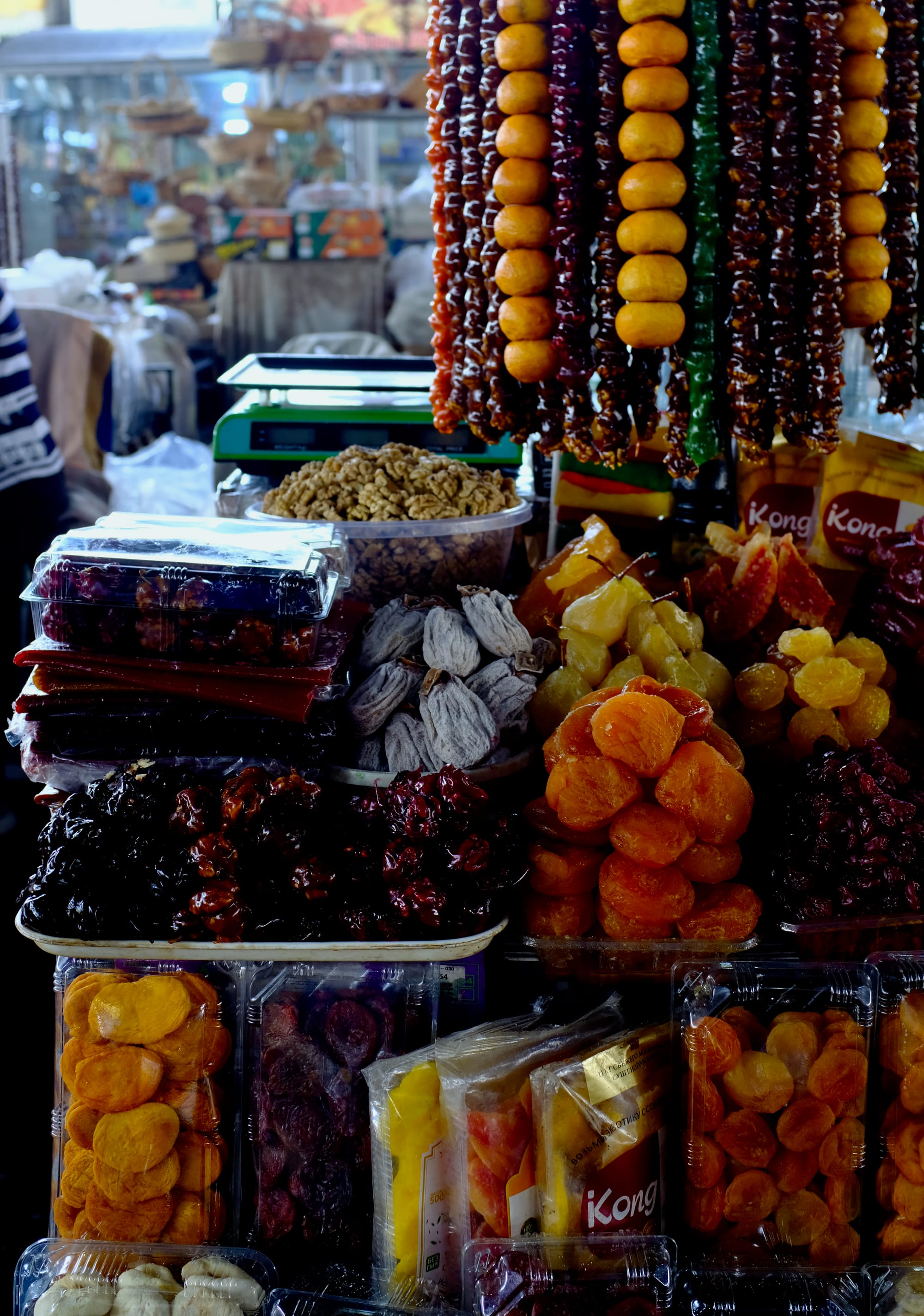
In Yerevan, daily life still gathers around Republic Square, built in pink and orange tuff to a single architect's plan, and around the GUM market, where dried fruit, nuts and preserves are stacked high and sold by weight. Public transport in the capital means a mix of the metro, buses and shared minibuses called marshrutkas; outside it, marshrutkas and a hired car are the practical way to get between towns, since passenger rail is limited. Yerevan is also known for its pulpulaks, small stone drinking fountains found on street corners across the city, a genuinely everyday piece of public infrastructure rather than a tourist curiosity.
Free time and weekends
Chess is played casually in parks and courtyards as much as it is studied in school, a real point of national pride reflected in Armenia's long run of world-class grandmasters. Weekends bring extended family gatherings, and where distance allows, a drive out to Lake Sevan or into the mountains is a common way to spend a free Sunday. Church feast days on the Armenian Apostolic calendar shape the year for many families, and Sunday itself tends to be built around visiting relatives rather than staying in.
A visitor's ordinary day
Armenia is largely a cash economy outside Yerevan: cards work in the capital's restaurants, shops and hotels, but villages, marshrutka minibuses and guesthouses need cash, and the dram is not easily obtained abroad, so changing money on arrival is normal practice. Marshrutkas to popular destinations run on no fixed timetable and can fill up early, so a hired car and driver, often affordable split between two or three people, is the practical way to see several monasteries in a day. Shops in Yerevan keep long hours, and Republic Square stays busy well into the evening, when its musical fountains draw a genuine local crowd rather than only visitors.
What to take away
An ordinary day in Armenia is still organised around family, but for a great many households that family is only partly in the country at all, held together by remittances, phone calls, and the sons and husbands who come home between jobs in Russia.