Attractions & Natural Wonders · Armenia
Armenia: Nine Attractions and Natural Wonders
Monasteries wedged into gorges and cliffs, a pre-Christian temple, the longest passenger cable car in the world, and Mount Ararat always on the skyline
By Worldlore Editorial · 19 September 2026
The first Christian nation, built in stone
Armenia adopted Christianity as its state religion in 301, earlier than anywhere else, and the evidence is all over the landscape: several hundred medieval monasteries and churches, many of them in spectacular positions — on cliff edges, in gorges, on the shores of a high blue lake. The country is small, mountainous, and landlocked, and most of its sights are within a two-hour drive of the capital, Yerevan.
The nine below are the essential ones. A hire car or a driver makes them easy; marshrutka minibuses reach the bigger towns. May–June and September–October are the best months.
1. Geghard Monastery
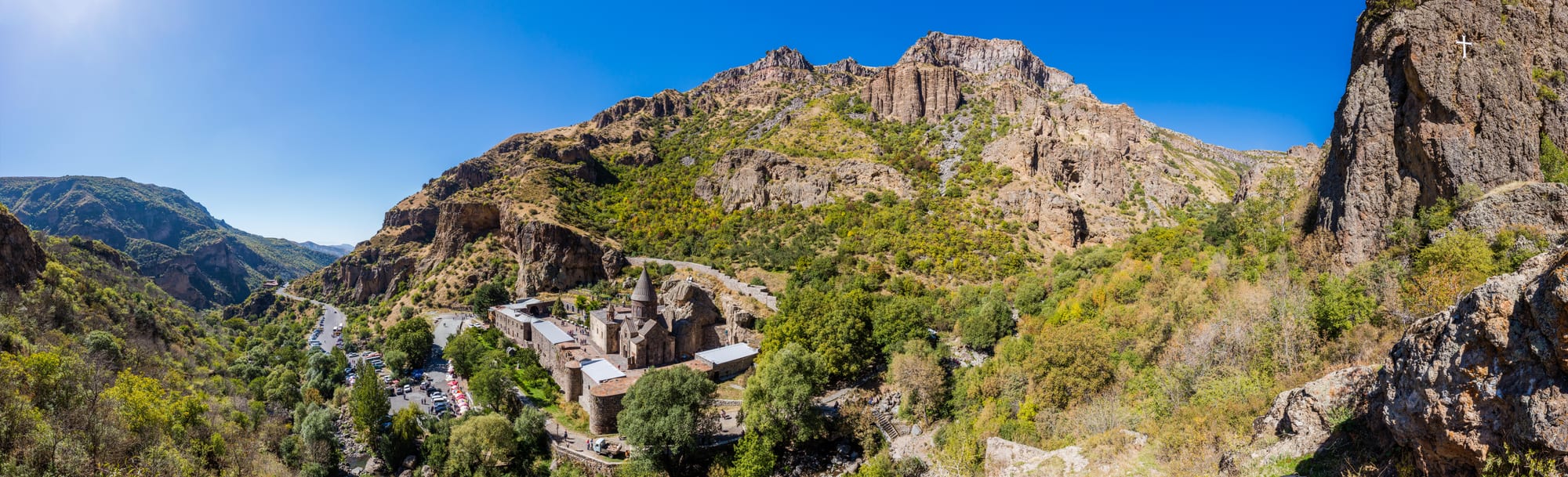
Geghard, half an hour east of Yerevan up a steep-sided gorge, is the most atmospheric monastery in the country. Part of it is a normal 13th-century stone church; the rest is hewn out of the solid cliff — chapels, a hall with a spring, and tombs, all cut from the living rock, with light falling through a hole in the ceiling.
Its name means "spear," after a relic said to be the lance that pierced Christ, kept here for centuries and now in the Echmiadzin treasury. It is a UNESCO World Heritage Site, and choirs often sing in the carved chambers for the acoustics.
2. The Temple of Garni
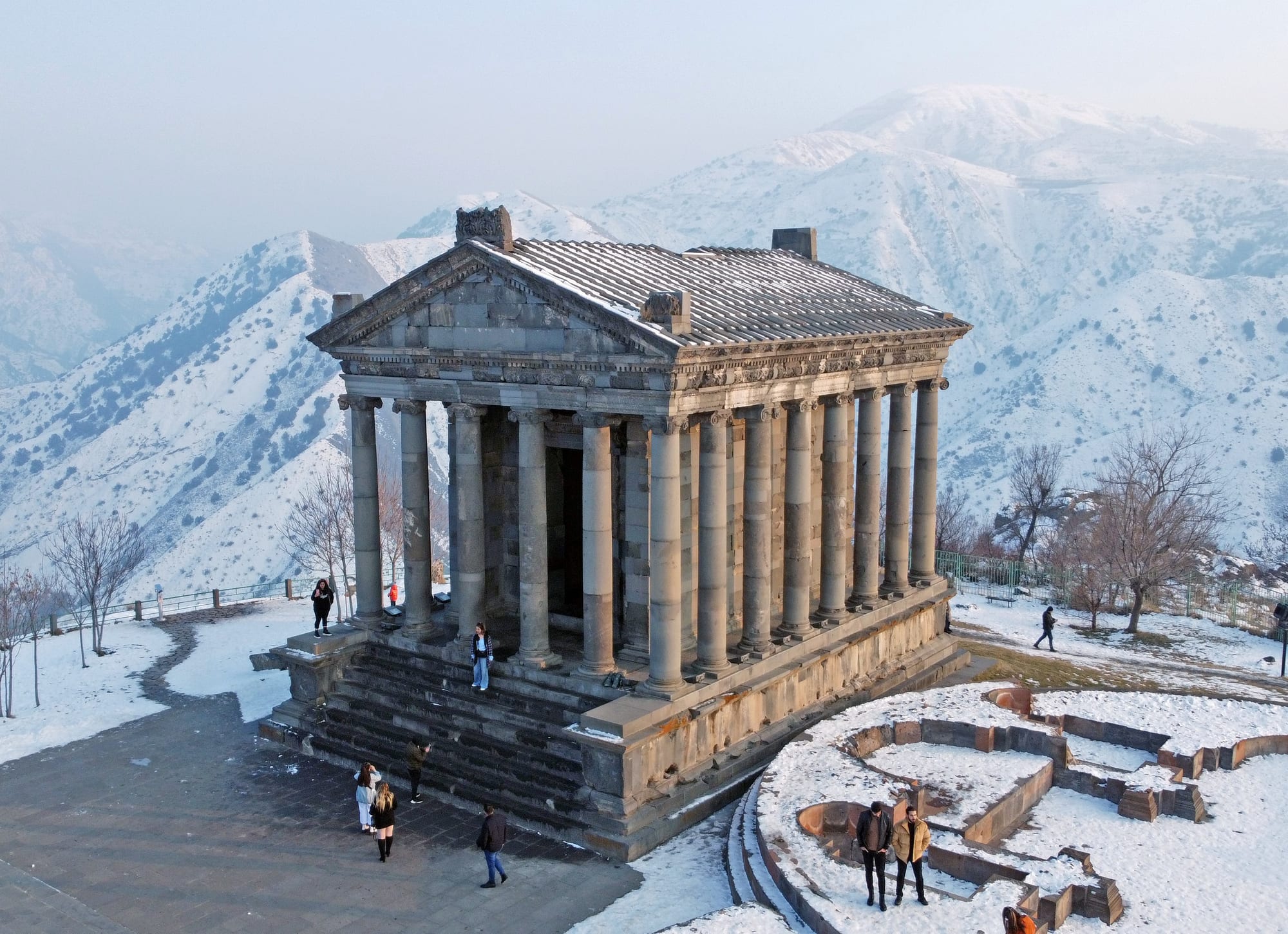
On a promontory above the Azat gorge, on the way to Geghard, stands a small classical temple with a colonnade of Ionic columns — built in the 1st century AD, probably to a sun god, when Armenia was in Rome's orbit. It survived the conversion to Christianity as a royal summer house, was toppled by an earthquake in 1679, and was rebuilt from its own fallen stones in the 1970s.
Below the temple, a side road leads to the "Symphony of Stones," a cliff of perfectly hexagonal basalt columns hanging over the river.
3. Tatev Monastery and the Wings of Tatev
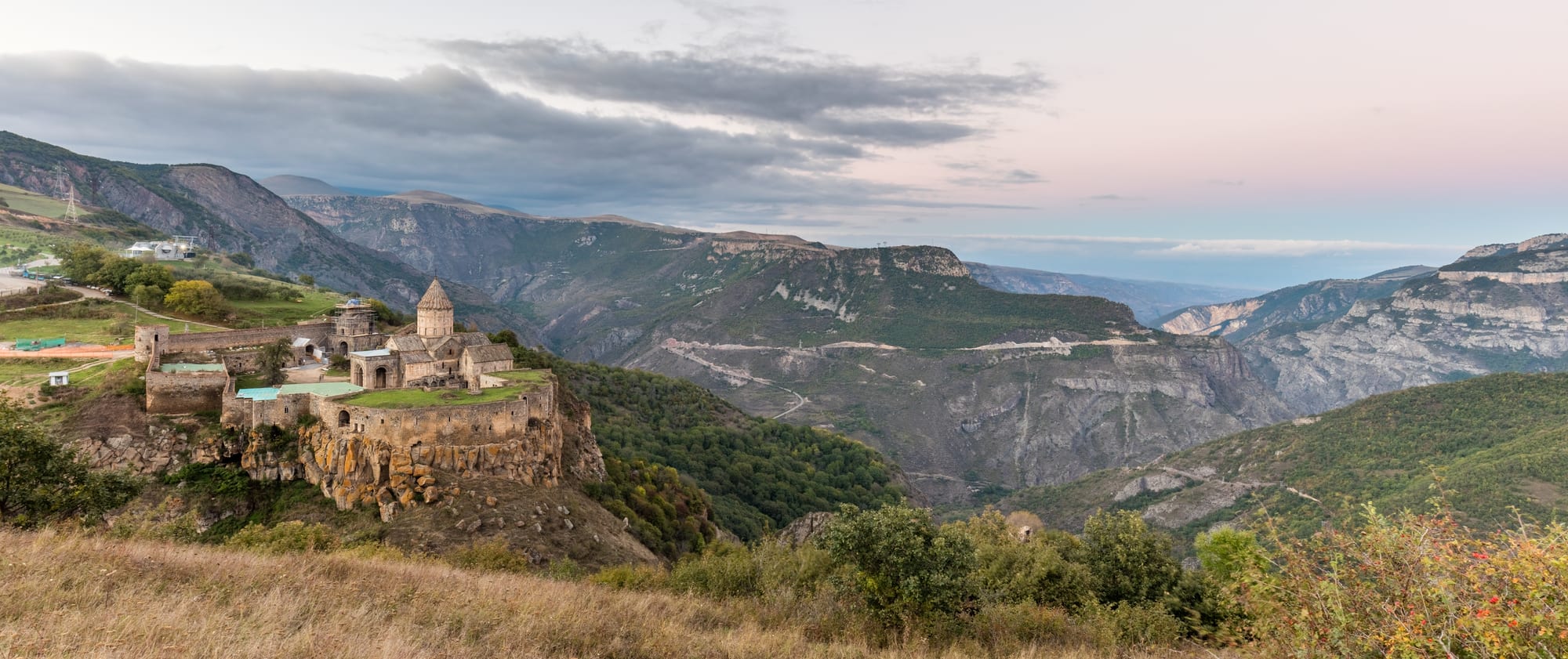
Tatev, in the mountainous south of the country, is a 9th-century fortified monastery on a rock spur ringed by the deep Vorotan canyon. It was a major medieval university and remains one of Armenia's most important religious sites, with a swinging stone pillar in the courtyard that was an early seismograph.
Getting there is half the attraction: the "Wings of Tatev" cable car runs 5.7 kilometres across the gorge from the village of Halidzor — the longest non-stop passenger ropeway in the world — in about 12 minutes each way.
4. Noravank Monastery
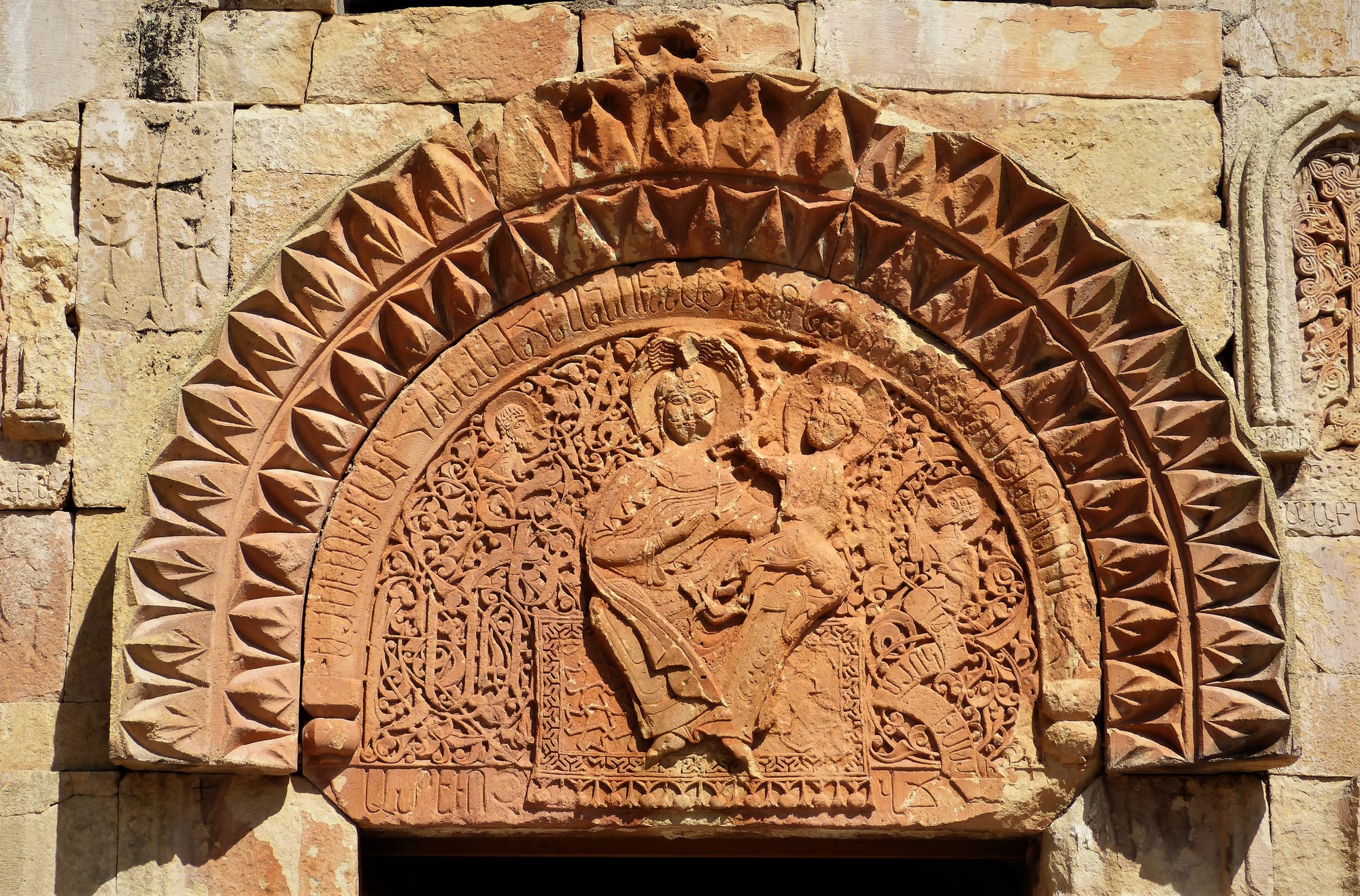
Noravank sits at the head of a narrow gorge whose brick-red cliffs seem to glow in late-afternoon light. Its 13th-century two-storey church, Surb Astvatsatsin, is famous for its outdoor staircase: a set of steep, narrow stone treads cantilevered from the west facade, leading to the upper chapel with no handrail.
The site is about an hour and a half from Yerevan and is usually combined with the Areni-1 cave nearby, where archaeologists found the world's oldest known leather shoe and a 6,000-year-old winery. The Areni valley is Armenia's main wine region.
5. Haghpat and Sanahin
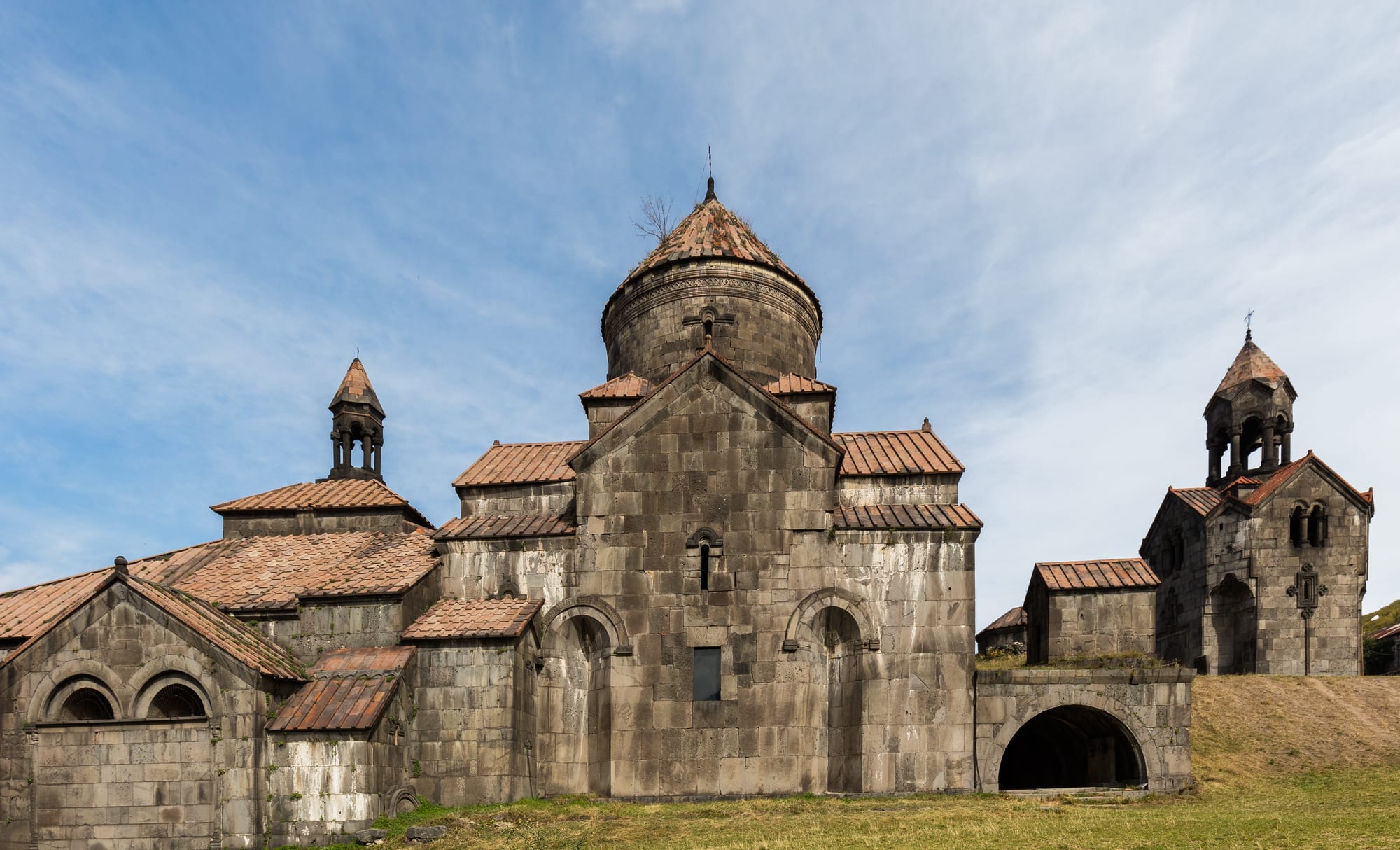
In the forested Debed canyon in the far north, near the Georgian border, two monasteries five kilometres apart — Haghpat and Sanahin — were among the leading centres of learning in the medieval Armenian world, with important libraries and schools of manuscript illumination and stone carving. Both are UNESCO World Heritage Sites.
They are usually visited together, on the way between Yerevan and Tbilisi, along with the carved khachkars (cross-stones) and Soviet-era mining towns that share the same green gorge.
6. Echmiadzin
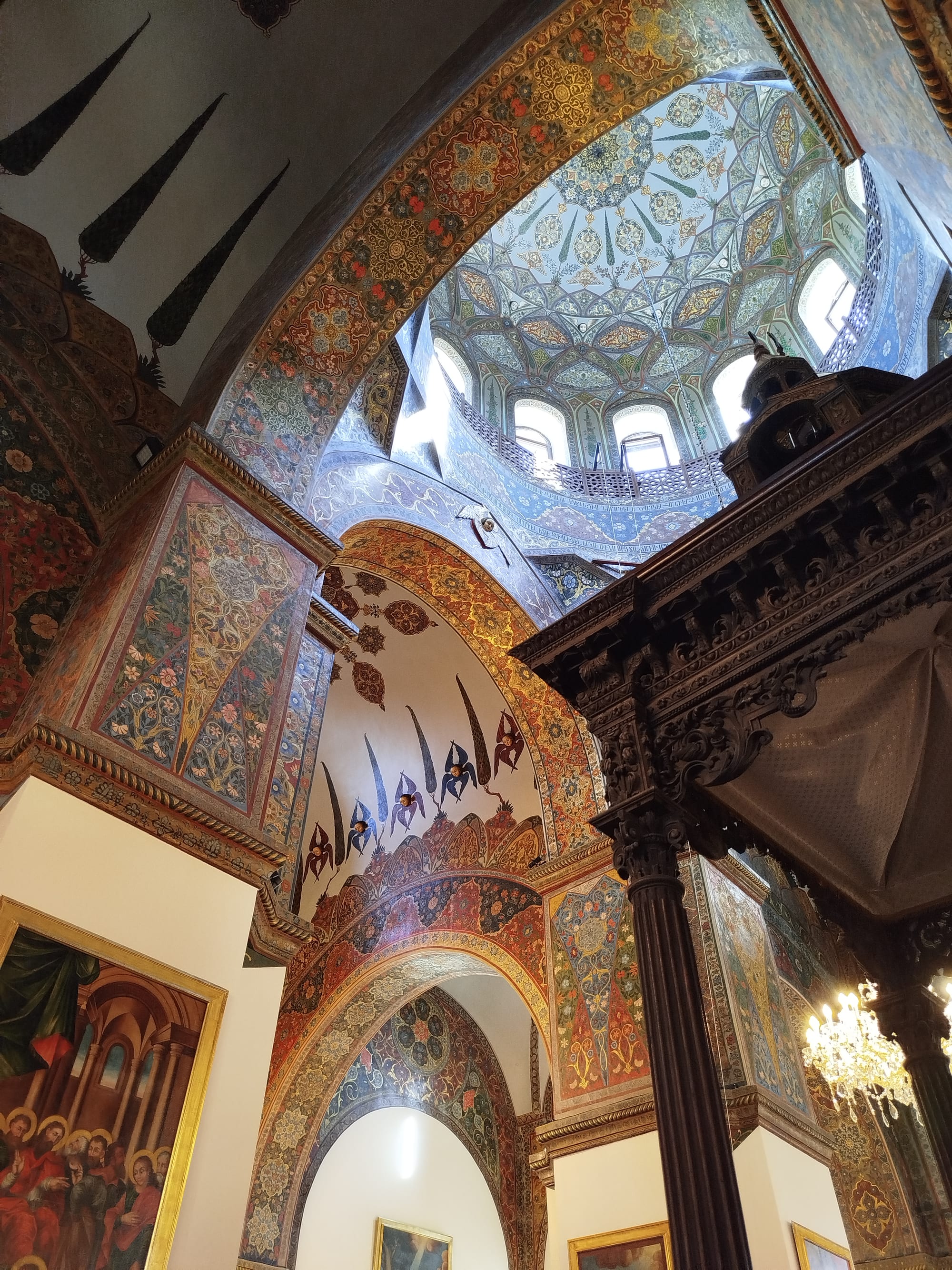
The town of Vagharshapat, 20 minutes west of Yerevan, is the spiritual capital of Armenia. Its cathedral, first built in the early 4th century (and much rebuilt since), is the mother church of the world's Armenians and the seat of the Catholicos. The compound holds a treasury with relics including, by tradition, a fragment of Noah's Ark and the Holy Lance.
Two more churches in the town, Saint Hripsime and Saint Gayane, are 7th-century masterpieces, and the ruined round cathedral of Zvartnots stands a short drive back toward Yerevan. All are part of one UNESCO listing.
7. Khor Virap
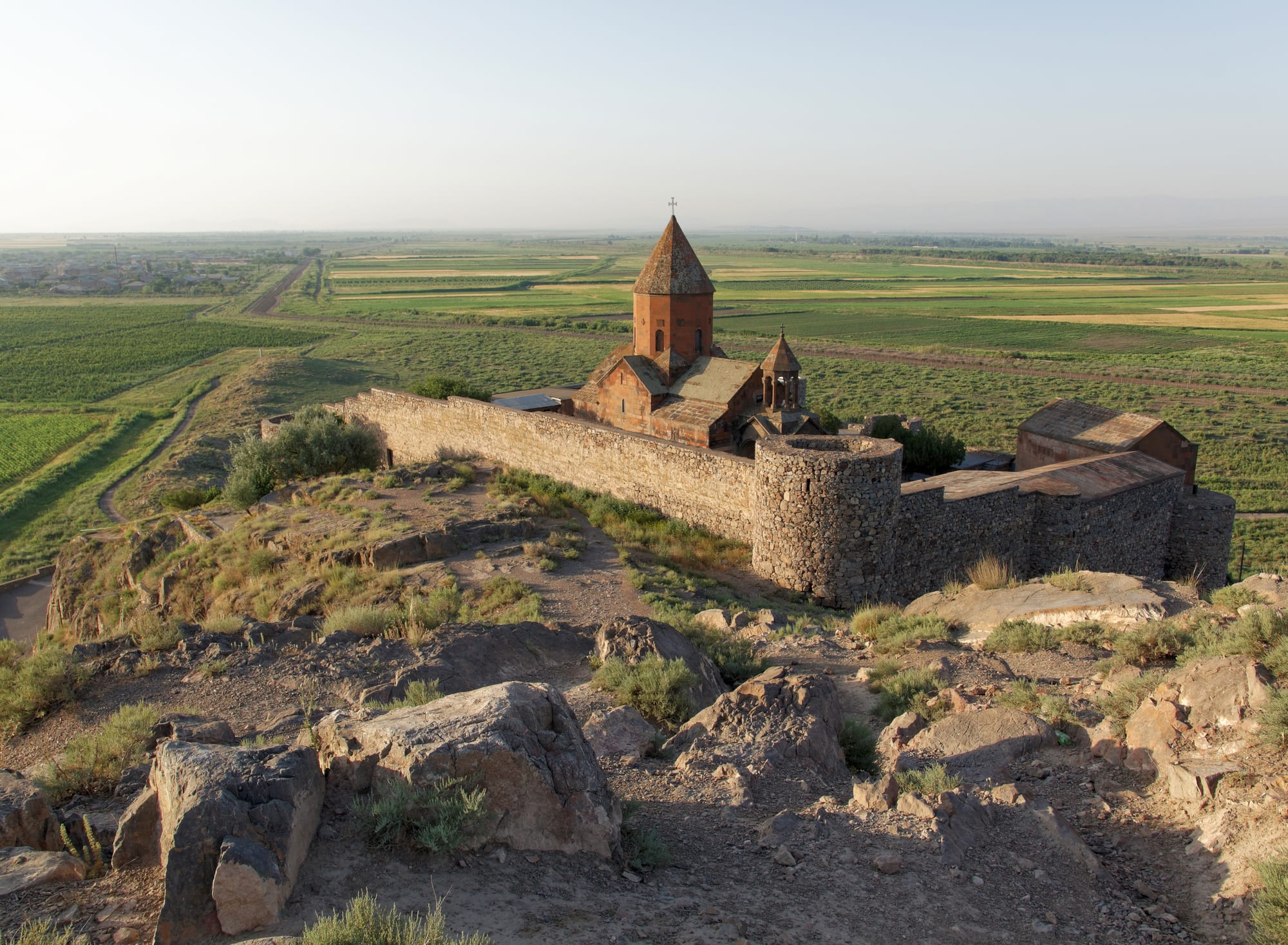
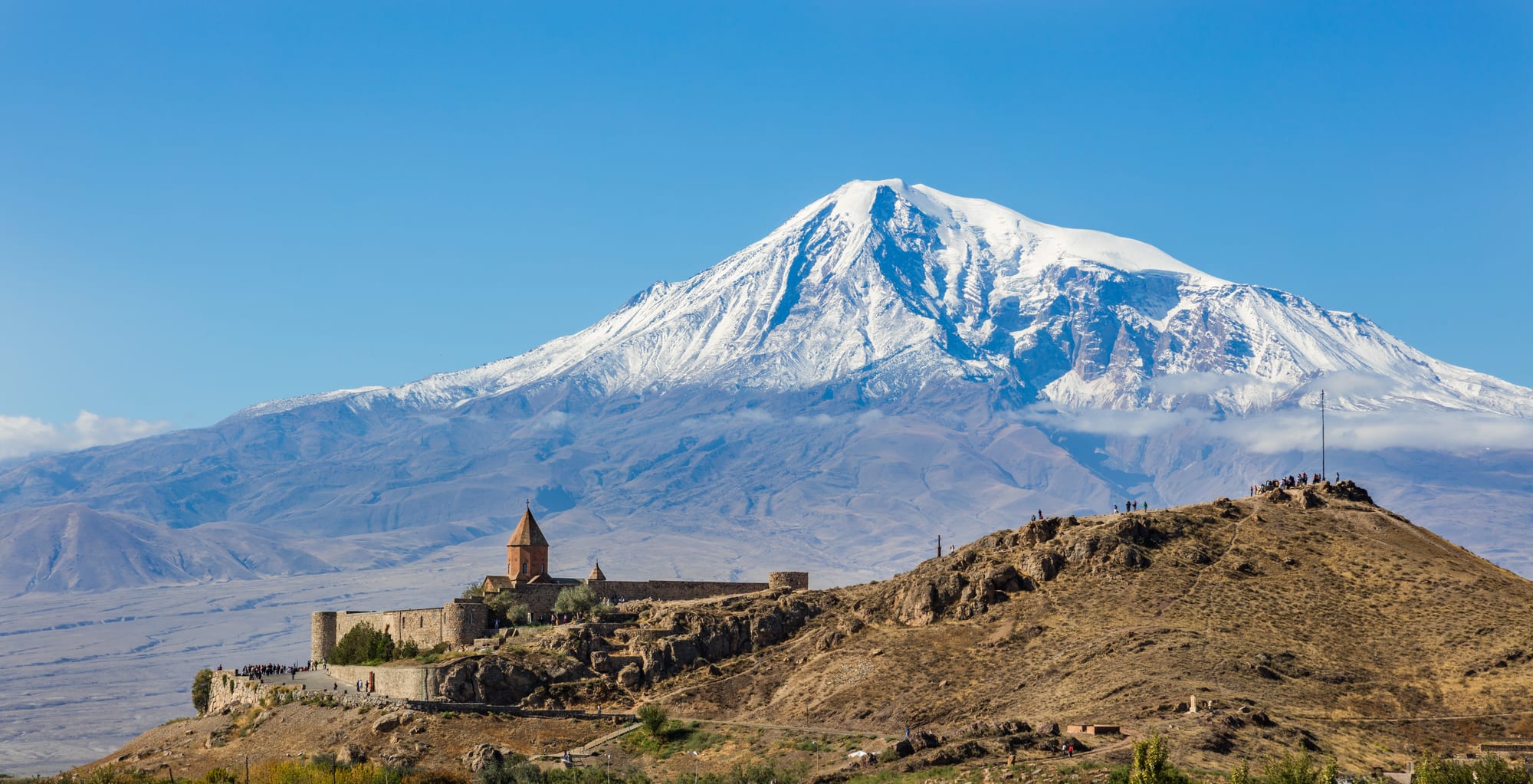
Khor Virap sits on a small hill on the flat plain south of Yerevan, right up against the closed Turkish border, and it has the best view of Mount Ararat in the country — the 5,137-metre volcano that is Armenia's national emblem even though it has been outside the country's borders for a century.
The monastery marks the pit where Gregory the Illuminator was said to have been held before curing and converting King Trdat III, the act that made Armenia Christian. You can climb down a ladder into the cramped cell. Sunrise, with Ararat catching the light, is the time to come.
8. The Cascade, Yerevan
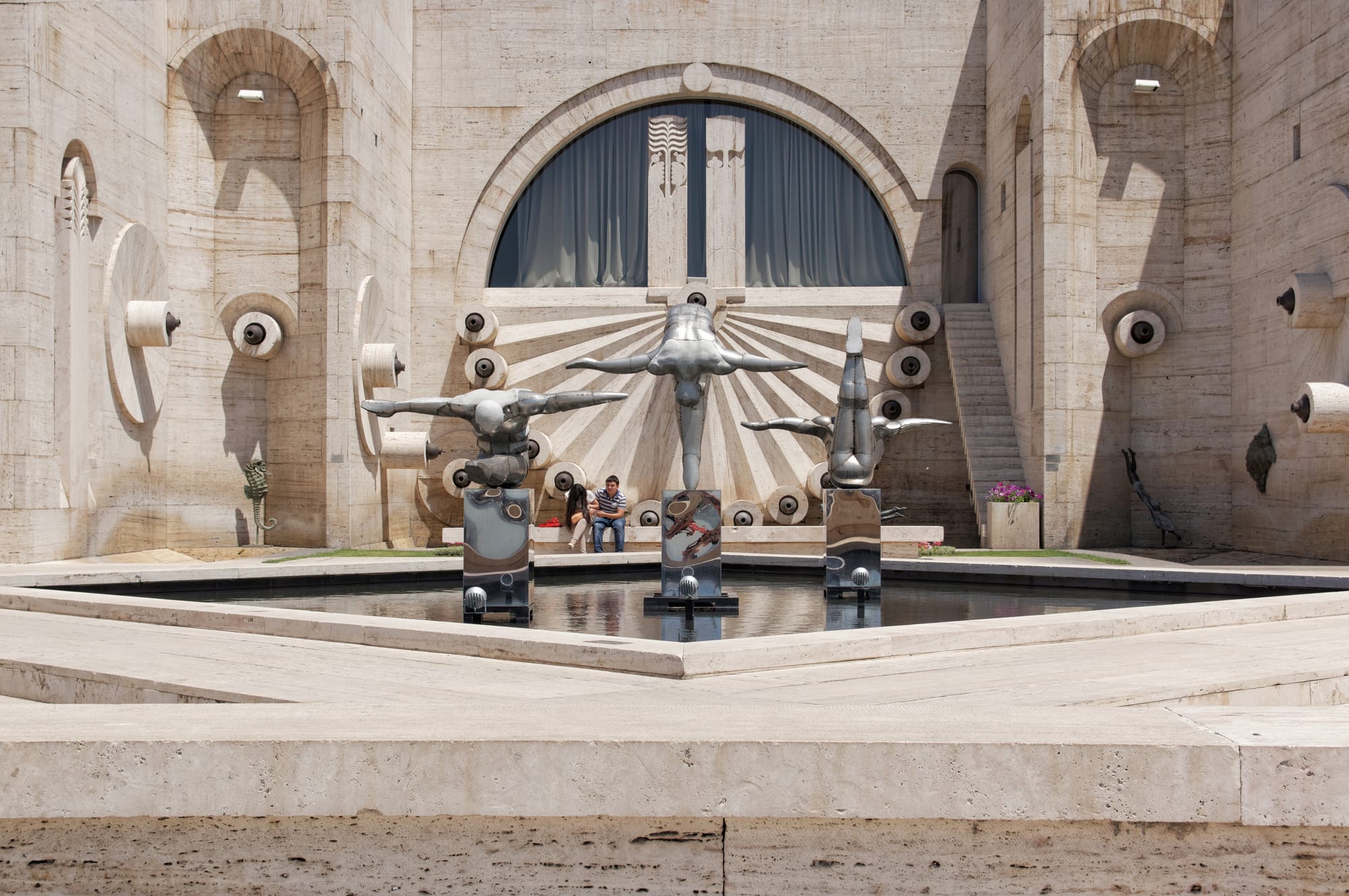
The Cascade is a vast flight of stone steps, fountains, and terraces climbing the hillside on the northern edge of central Yerevan. Begun in the Soviet era and finished with private money in the 2000s, it now houses the Cafesjian Center for the Arts, with a modern sculpture collection spilling down the terraces and across the garden at its foot.
Climb it (or take the escalators inside) for the view over the pink-stone city to Ararat. The neighbourhood around the base is Yerevan's liveliest for cafés and restaurants.
9. Republic Square and central Yerevan
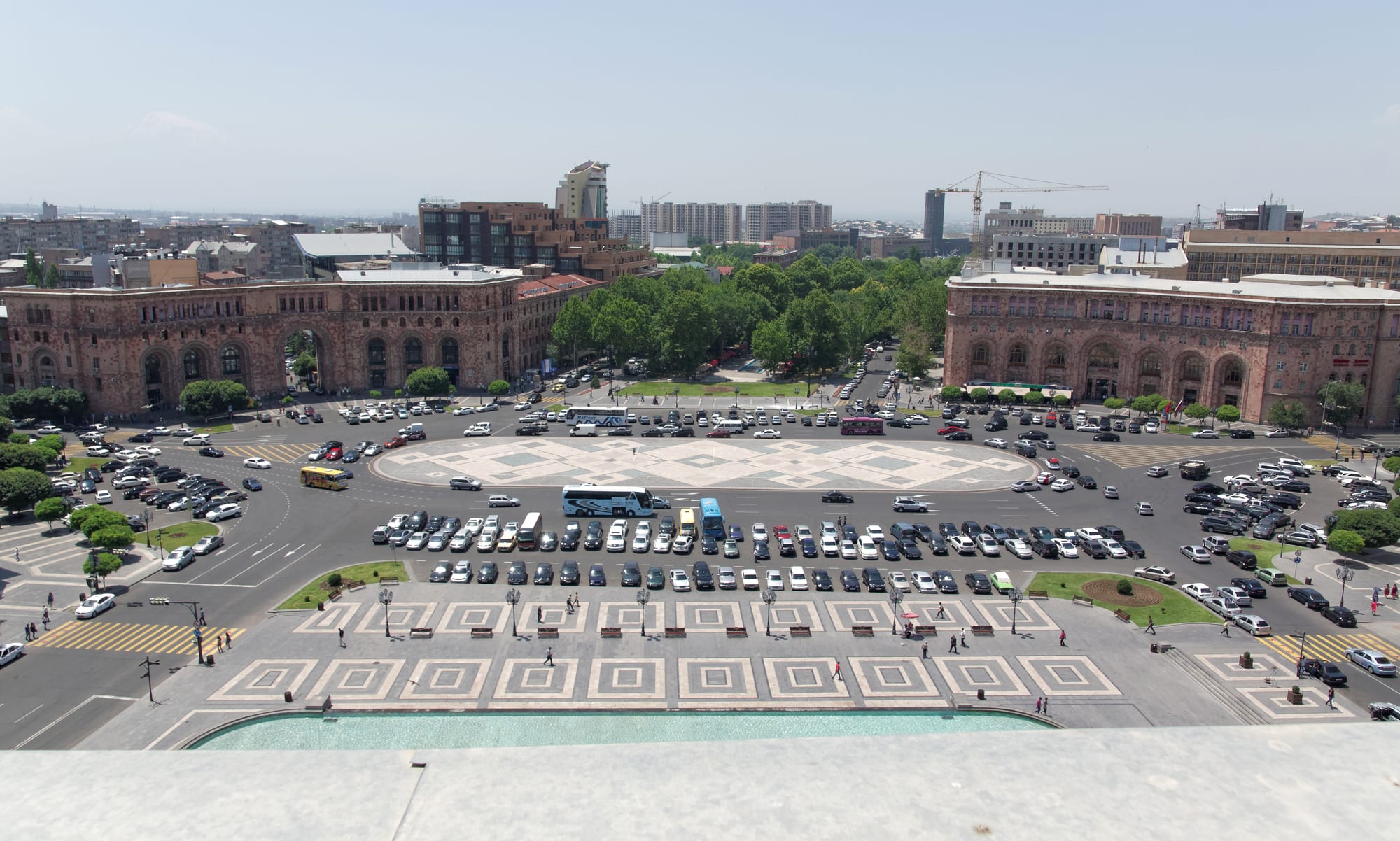
Yerevan was largely rebuilt to a single plan in the 1920s–50s by the architect Alexander Tamanian, using the local volcanic tufa in shades of pink, ochre, and grey. Its heart is Republic Square, an oval ringed by matching arcaded buildings, with a musical fountain show on summer evenings.
Within walking distance are the Matenadaran, a museum and repository of thousands of medieval Armenian manuscripts; the History Museum; and the sombre Armenian Genocide memorial and museum on the hill of Tsitsernakaberd. Yerevan is a café city, and easy to spend a couple of days in.
Armenia is compact and hospitable, and a week based in Yerevan with day trips — plus one overnight in the north or south — covers almost everything on this list.