Culture & Customs · Anguilla
Anguilla: The Spirit of Jollification
A small, church-going island where neighbours once built each other's houses for nothing, titles are still used with care, and the whole population turns out to watch its wooden boats race
By Worldlore Editorial · 30 September 2026
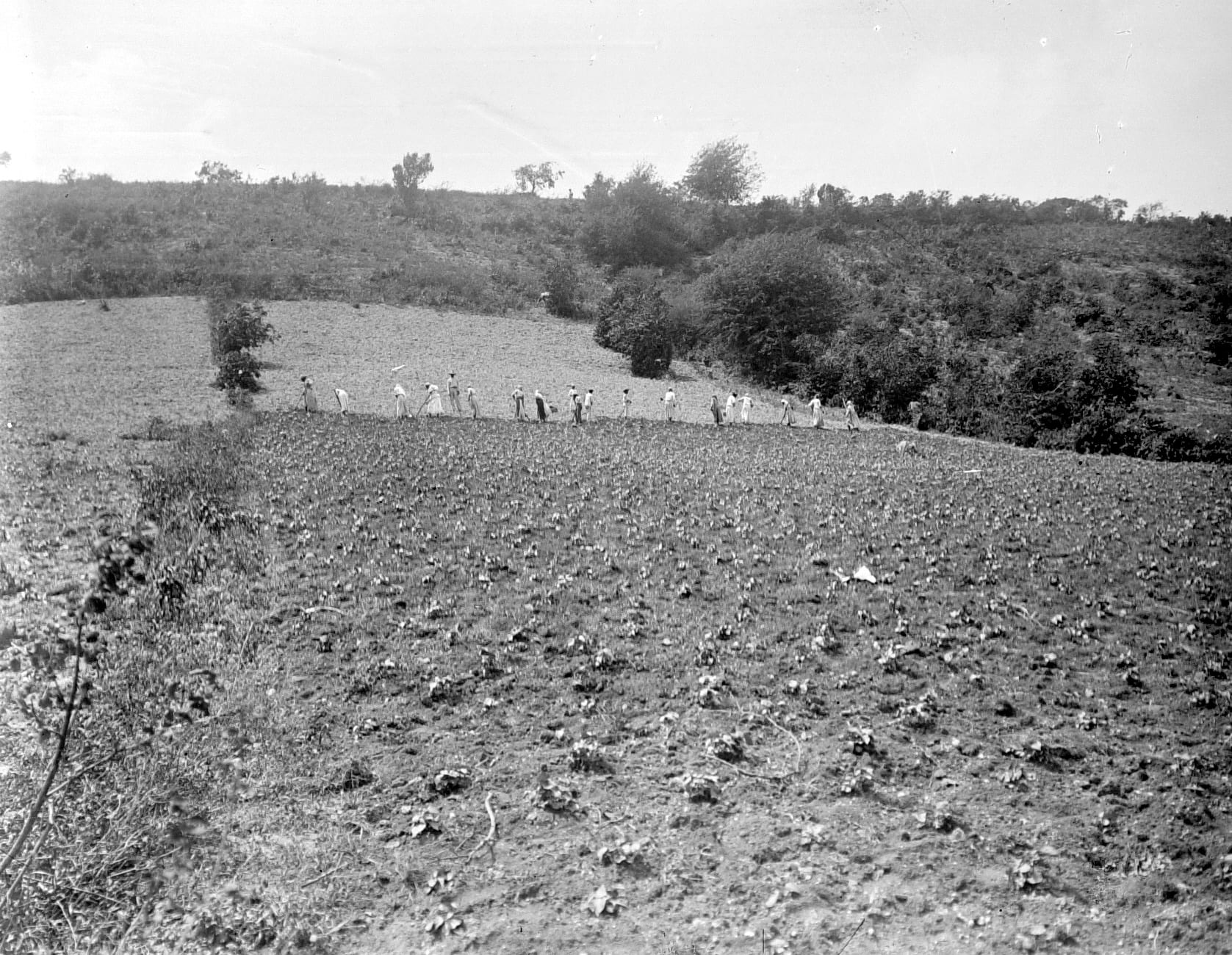
Early in the morning, neighbours arrive at a plot of land that needs clearing. The men take up hoes and begin working the ground for planting; the women set up to cook for everyone; children play at the edges of the field. By the end of the day the work is done, and no money has changed hands. The only payment is the company, the food, the singing and the laughter. Anguillians have a word for this: jollification, their own term for the celebratory act of neighbours coming together to help neighbours. The same spirit once built houses, cleared access roads and put up church buildings, community halls and playing fields across the island. Few people hoe their fields together today, but the idea behind it, of a small island community that looks after its own, remains close to the heart of how Anguillians see themselves.
Faith, identity and values
Anguilla is a strongly Christian island, and church is part of the fabric of village life. According to the 2011 census, around three-quarters of the population belonged to Protestant churches, led by the Anglicans at about 23 per cent and the Methodists at about 19 per cent, followed by Pentecostal, Seventh-day Adventist, Baptist and Church of God congregations; Roman Catholics made up around 7 per cent. Smaller communities include Jehovah's Witnesses, Rastafarians and a small Muslim community with its own cultural centre. The island's official tourist board sums up the values that underpin all this as a reverence for family, love, community and God.
Family is the foundation of social life, and the extended family is its basic unit. Kin networks have often been matriarchal in character, with mothers and grandmothers taking responsibility for important family decisions, a pattern rooted partly in the long years when Anguillian men worked abroad for months at a time.
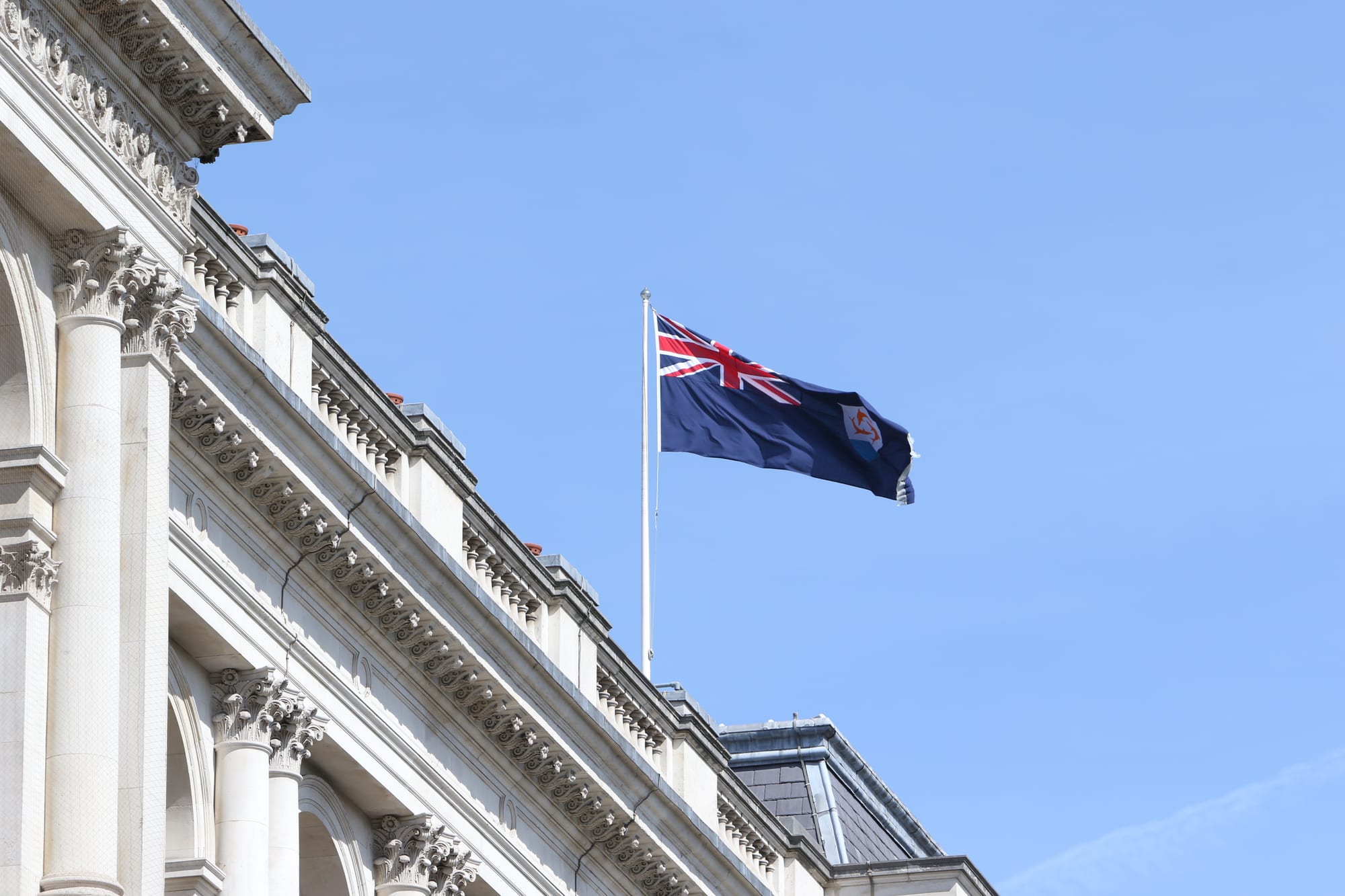
Anguillians take great pride in their island and its identity. Most are of West African descent, some with British or Irish ancestry as well, and many identify with both Britain and the wider Caribbean. That dual loyalty has its own history: the 1967 revolution, when islanders rejected rule from St Kitts, is remembered as a moment when Anguilla insisted on running its own affairs. Alongside that pride sits a strong sense of mutual help. Anguillians are known for pulling together through hurricanes, drought and other hardships, a habit that goes straight back to jollification.
Greetings and meeting people
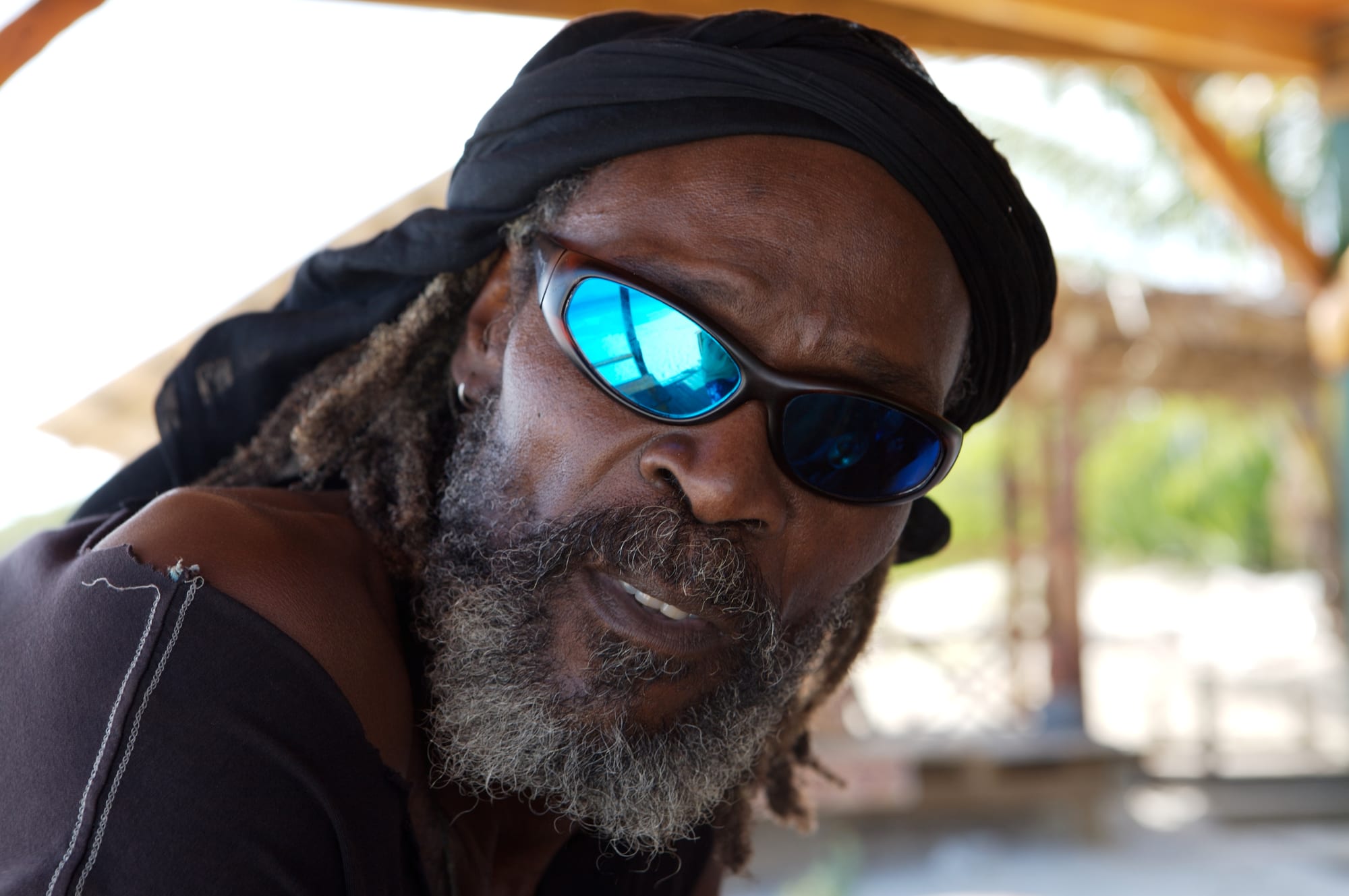
Anguilla is a friendly place, and greetings are given freely: people exchange hellos on the road and in shops, and visitors are often greeted by strangers as a matter of course. Beneath the friendliness sits a notable formality. Anguillians traditionally address one another by title, Mr, Mrs, Miss and so on, followed by the surname, unless they are on very personal terms, and people in positions of responsibility are often addressed by their job title and surname, in the manner of "Nurse Smith". Visitors who use titles in the same way, and wait to be invited before switching to first names, will be following local practice.
A handshake is the usual greeting on meeting someone. The pace of conversation, like the pace of island life, is relaxed, but courtesy is valued highly, and good manners are noticed.
Hospitality and being a guest
Hospitality on Anguilla grows out of the same community spirit as jollification. The tradition has been given new life as Jollification Day, a national celebration in which villages prepare displays and community projects; in 2026 the government began providing seed funding to participating villages to help with the cost. Mutual help also carries on through local charitable giving, and the island's community foundation explicitly describes its work as a continuation of the jollification spirit.
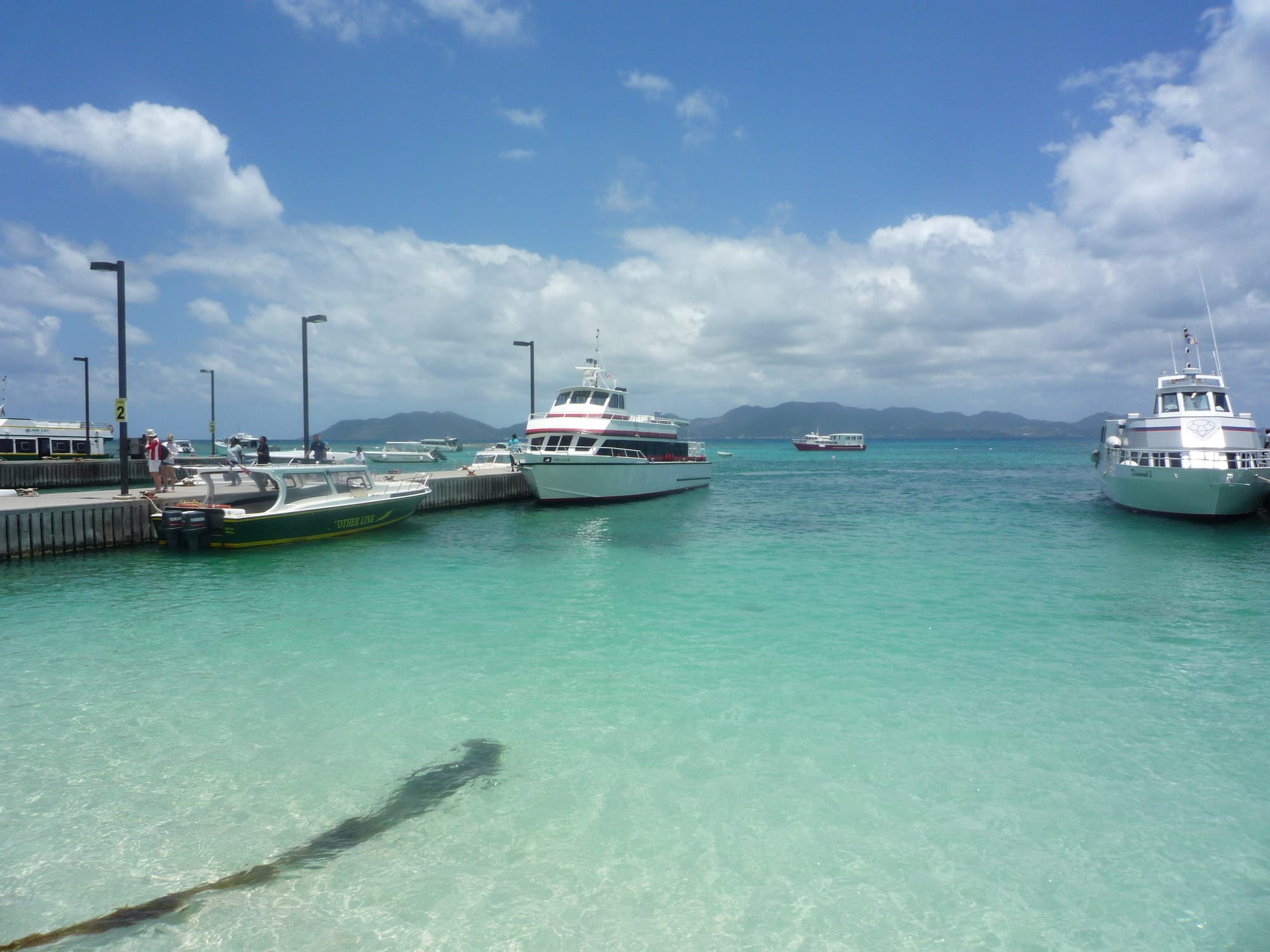
Anguillians are conservative in matters of dress, and this is where visitors are most likely to put a foot wrong. The official guidance is "casual, but in good taste". Swimwear, including bikinis, bra-type tops and very brief shorts, is regarded as unsuitable anywhere away from the beach, and nude or topless swimming and sunbathing are not permitted. Even at the island's ports of entry, travellers arriving or departing are expected to wear a shirt or top, proper shorts, skirts, dresses or trousers, and footwear.
Festivals and life's big moments
Two dates stand out in the national calendar. Anguilla Day, on 30 May, marks the start of the 1967 revolution and is celebrated with church services, uniformed parades, cultural performances and a boat race around the whole island, and the wider programme of events through May includes further church and community occasions. Separation Day, on 19 December, marks the island's formal separation from St Kitts and Nevis in 1980.
The biggest celebration of all is the Summer Festival, which runs around the start of August and is anchored on August Monday, the traditional holiday marking emancipation from slavery. It brings J'ouvert, a street party that begins before dawn, a beach party at Sandy Ground, calypso competitions, the Miss Anguilla pageant, a parade of costumed troupes and, above all, boat racing, which climaxes in the Champion of Champions races that close the festival.
Boat racing is the national sport, and race days run through the spring and summer, beginning around Easter. Spectators, now known as "landracers", line the beaches, roads and hilltops to follow their favourite boats, with barbecues, music and dancing on shore, and loyalties to particular boats and crews run deep. Friendly wagers on the outcome have long been part of the fun.
Weddings are treated as community events rather than private occasions, and marriage is regarded as a cornerstone of family and social life. Death is marked with equal seriousness. Anguillians take pride in the way they carry out the rites of remembrance and burial, and many families mark their graves with substantial vaults and well-painted monuments. Keeping a relative's grave in good order, replacing a broken cross or a faded wreath, is seen as a family's personal responsibility, and cemeteries are visited on holidays as well as whenever someone wishes to remember.
Arts, crafts and music
Music runs through Anguillian life. Reggae, calypso, soca and even country music all have followings, and string band music has long been played at gatherings and celebrations. The best-known Anguillian musician is Bankie Banx, who built the driftwood beach bar known as the Dune Preserve and founded Moonsplash, the island's best-known music festival. Live music at weekend beach bars and Sunday brunches is part of the island's social scene for residents and visitors alike.
Visual artists work in painting and sculpture, and galleries show island work in several villages. The racing boats themselves are a craft of their own: locally built and designed, and raced under the island's own rules rather than international ones, they are groomed before each season with as much care as any work of art, and each boat is spoken of almost as if it had a personality.
Dos and don'ts for visitors
- Do greet people you meet, and use titles such as Mr, Mrs or Miss with a surname until invited to use first names.
- Do keep swimwear for the beach; cover up in villages, shops, restaurants and public places.
- Don't swim or sunbathe nude or topless, which is not permitted.
- Do wear a top, proper shorts or trousers and footwear when arriving at or leaving the island's ports.
- Do join the landracers on the shore at a boat race, one of the best ways to see the island together.
- Do remember that church and family are central to island life, especially on Sundays and holidays.
What to take away
Anguillian customs come down to courtesy and community, a mix of old-fashioned formality and neighbourly warmth, and visitors who dress with care and greet people properly will find that warmth readily extended to them.