Culture & Customs · Angola
Angola: The Thinker and the Dance Floor
A deeply Christian country that still defers to its elders, negotiates marriages between whole families, gathers for days to mourn its dead, and turns almost every occasion into music and dance
By Worldlore Editorial · 30 September 2026
A letter arrives at the home of a young woman's family. It comes from the family of the man who hopes to marry her, and it asks, formally and in writing, for her hand. The reply is not a simple yes. The bride's uncles, who carry real authority in the matter, draw up a list of what the groom must bring before the request can be heard: perhaps money in an envelope, a suit for an uncle, shoes for the bride's mother, a goat, and crates of beer and soft drinks. On the appointed day the two families gather, the gifts are inspected, speeches are made, and only then is the match accepted. This is the alambamento, and for many Angolans it matters as much as any church or civil wedding. It captures a great deal about the country: marriage is an agreement between families rather than two individuals, elders speak first, and every serious occasion is marked in company, with food, drink and a good deal of talk.
Faith, identity and values
Angola is an overwhelmingly Christian country. At the most recent census, in 2014, about 41 per cent of the population identified as Roman Catholic and 38 per cent as Protestant, with around 12 per cent claiming no religious affiliation and the remainder following traditional beliefs, Islam or other faiths. Christianity has deep roots: it reached the Kingdom of Kongo in the fifteenth century, when its king was baptised in 1491, and a Kongo form of Christianity took root in the sixteenth. Faith is practised with energy, and churches of many denominations, from the Catholic Church to large evangelical and independent congregations, are central social institutions as well as places of worship.
Christian practice has long coexisted with older African beliefs rather than replacing them. In many communities, diviners and healers still hold a respected position, consulted for illness, misfortune or family trouble, and funeral rites in particular are widely regarded as essential for the peace of the dead person's spirit. The same family may attend Sunday Mass and observe customs that predate the arrival of the Portuguese by centuries, without seeing any contradiction.
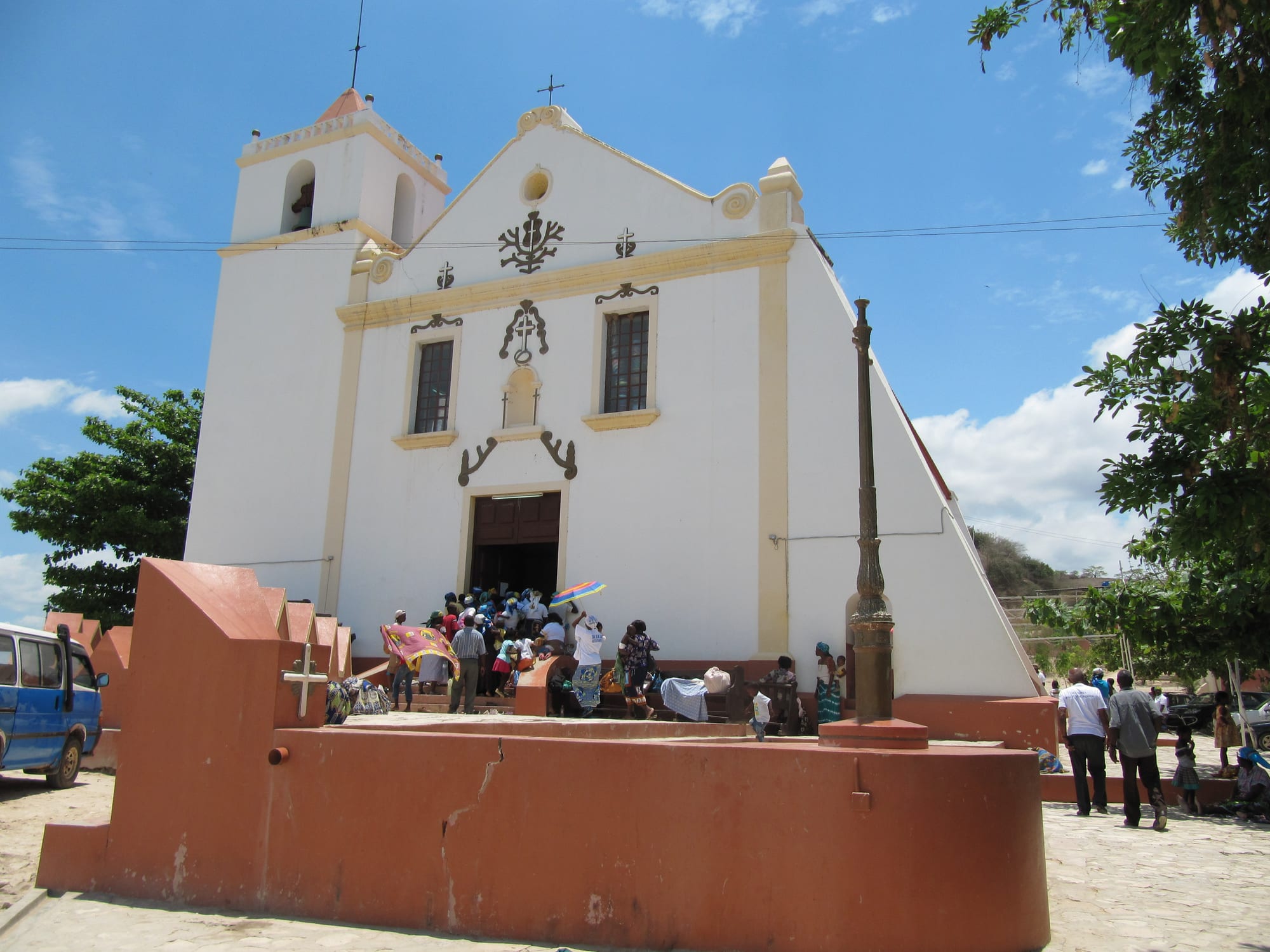
The country's great focus of popular devotion is the church of Our Lady of Muxima, a small whitewashed church built by the Portuguese above the Kwanza River. Muxima means "heart" in Kimbundu, and the shrine is known affectionately as Mama Muxima. It has been a pilgrimage site since the nineteenth century and is now reported to receive more than a million pilgrims a year, making it the focus of Angola's largest religious gatherings.
Beneath religion lies a strong respect for age. Elders are expected to be addressed politely by younger people, their views carry weight in family decisions, and extended families, especially in the countryside, still look to their older members for guidance. Angola has even chosen an image of elderly wisdom as a symbol of national culture: O Pensador, "the Thinker", a small Chokwe carving of an old figure seated deep in thought, head bowed and hands to its face. Alongside age, eloquence is prized, and the ability to speak well is admired in both men and women. Since independence, a shared sense of Angolanidade, or Angolan-ness, has been cultivated across the country's many peoples and languages, and music has done much of the work of building it.
Greetings and meeting people
A greeting is expected at the start of any encounter, whether in a shop, an office or a home, and it is usually given in Portuguese, the language most Angolans share: bom dia in the morning, boa tarde in the afternoon and boa noite in the evening, followed by an enquiry after the other person's health. The handshake is the standard greeting in formal and business settings, typically with direct eye contact and a friendly manner. Women commonly greet both women and men with two kisses on the cheek, reduced to one between very close friends, and cheek-kissing is increasingly common among friends in the cities, though older people often prefer a handshake.
Elders are greeted first and with visible respect. When meeting an older woman in particular, a slight forward inclination of the body while clasping her hand in both hands is a recognised mark of deference. In many communities, younger people may avoid holding a direct gaze with someone older or more senior, as a way of showing respect rather than evasion. Formal forms of address are used with strangers and elders until an invitation to be more familiar is given, and when in doubt the more formal choice is the safer one.
Angolans do not tend to rely on constant smiling as a sign of politeness; courtesy is judged much more by an attitude of respect and by the correct use of forms of address. Pointing at people with a finger is regarded as impolite, and gesturing with the whole hand is preferred.
Hospitality and being a guest
Hospitality carries real weight, and a visitor to a home is expected to be offered something to eat or drink. Receiving guests well is a point of family pride, and even a short call can turn into a longer stay. At celebrations, bottled beer and soft drinks are the marks of a generous host where the budget allows, while home-brewed maize beer and palm wine remain common in the countryside. In some more traditional communities, men and women eat separately, with children eating alongside the women, so a visitor should follow the host's lead on where to sit and when to begin.
Gifts are woven into social life at every level. The alambamento, with its negotiated list of goods for the bride's family, is the most formal example, but the same principle runs through smaller occasions. At Christmas and New Year, friends and relatives exchange presents, and the birth of a child is marked with gifts for the new family. A guest invited to a home or a family celebration usually brings something, and drinks or food to share are always welcome.
Dress in daily life is relatively informal, although smarter restaurants observe an unspoken dress code, and more conservative communities expect women to wear longer skirts. In markets, where so much of everyday shopping happens, prices are not fixed, and bargaining is expected rather than merely tolerated.
Festivals and life's big moments
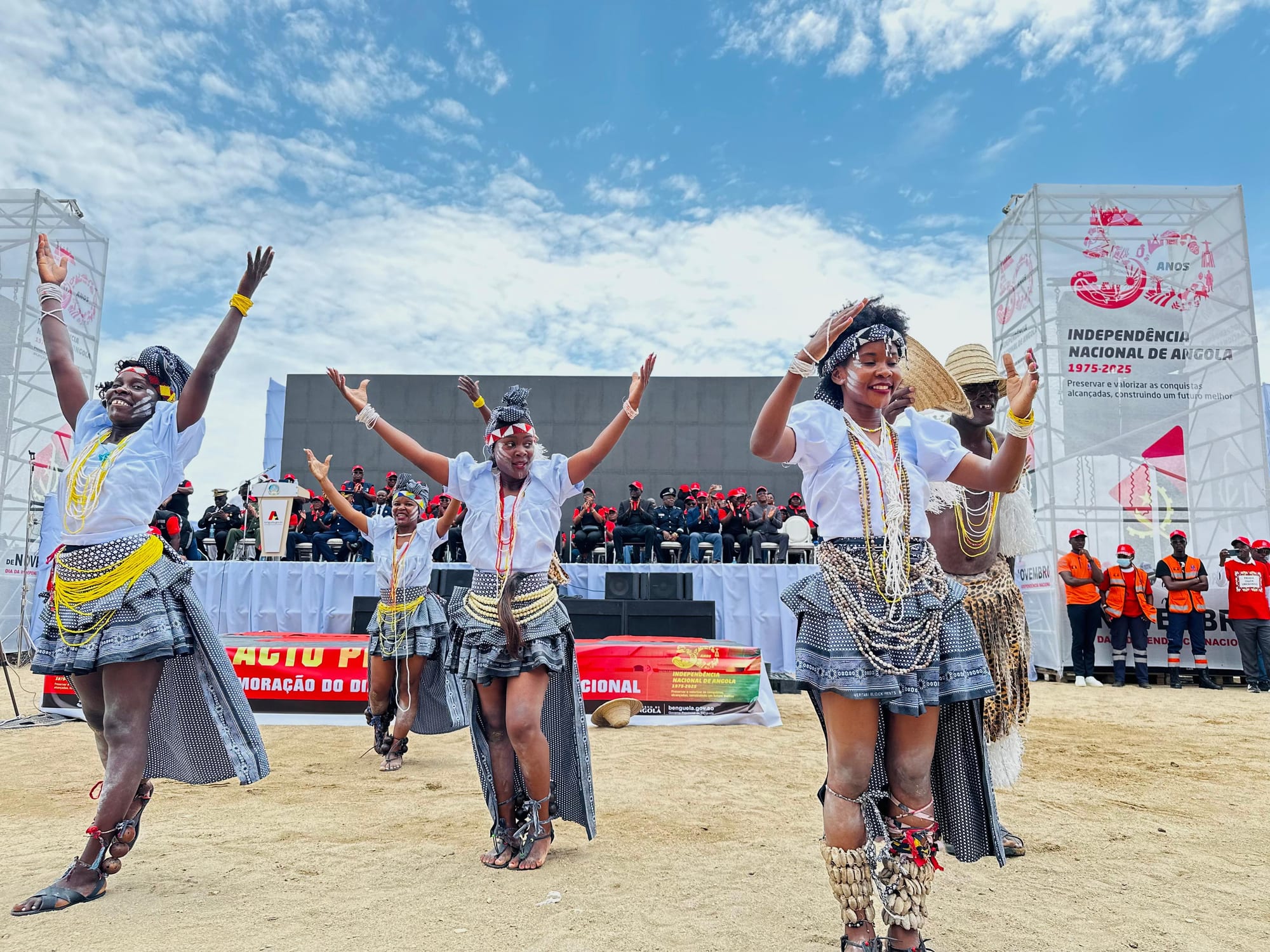
The public calendar mixes Christian feasts with the milestones of the struggle for independence. Christmas and New Year are the main family holidays, and Good Friday is a public holiday. The national days trace the arc of modern history: 4 February, the Day of the Start of the Armed Struggle for National Liberation, marks the start of the armed struggle in 1961; 4 April, Peace Day, celebrates the end of the civil war; 17 September, National Heroes' Day, honours the first president, Agostinho Neto; and 11 November, Independence Day, commemorates the proclamation of independence in 1975 with official ceremonies, parades and cultural performances across the country. On 2 November, All Souls' Day (Dia dos Finados), families remember their dead.
Carnival is the most exuberant date in the calendar and a public holiday in its own right. In the capital, dozens of carnival groups, many of them rooted in particular neighbourhoods and some founded before independence, parade and compete before judges in adult and children's categories. Each group chooses a traditional rhythm to perform, among them semba, kazukuta and kabetula, and themes often celebrate local history and heritage. The most successful group, União Mundo da Ilha, has won more titles than any other.
A marriage often involves several ceremonies. The alambamento settles the agreement between the families, and it may be followed, sometimes much later, by a civil registration, a church wedding, or both. Some urban families have let the alambamento lapse, while more traditional families make a point of keeping it.
Death brings the largest gatherings of all. A funeral is widely known as the óbito, a word that covers not just the burial but the whole period of mourning around it. Relatives, neighbours and church members gather at the family home, often for several days, to sit with the bereaved, pray, sing and share food. After the burial, the family traditionally offers a meal to all who attended, and the custom is so firmly established that in hard economic times it has drawn uninvited mourners in Luanda looking simply for something to eat. Widows have traditionally worn black for a period of mourning. Attending an óbito is regarded as a duty of belonging, and the number of people who come is seen as a measure of the respect in which the dead person was held.
Arts, crafts and music
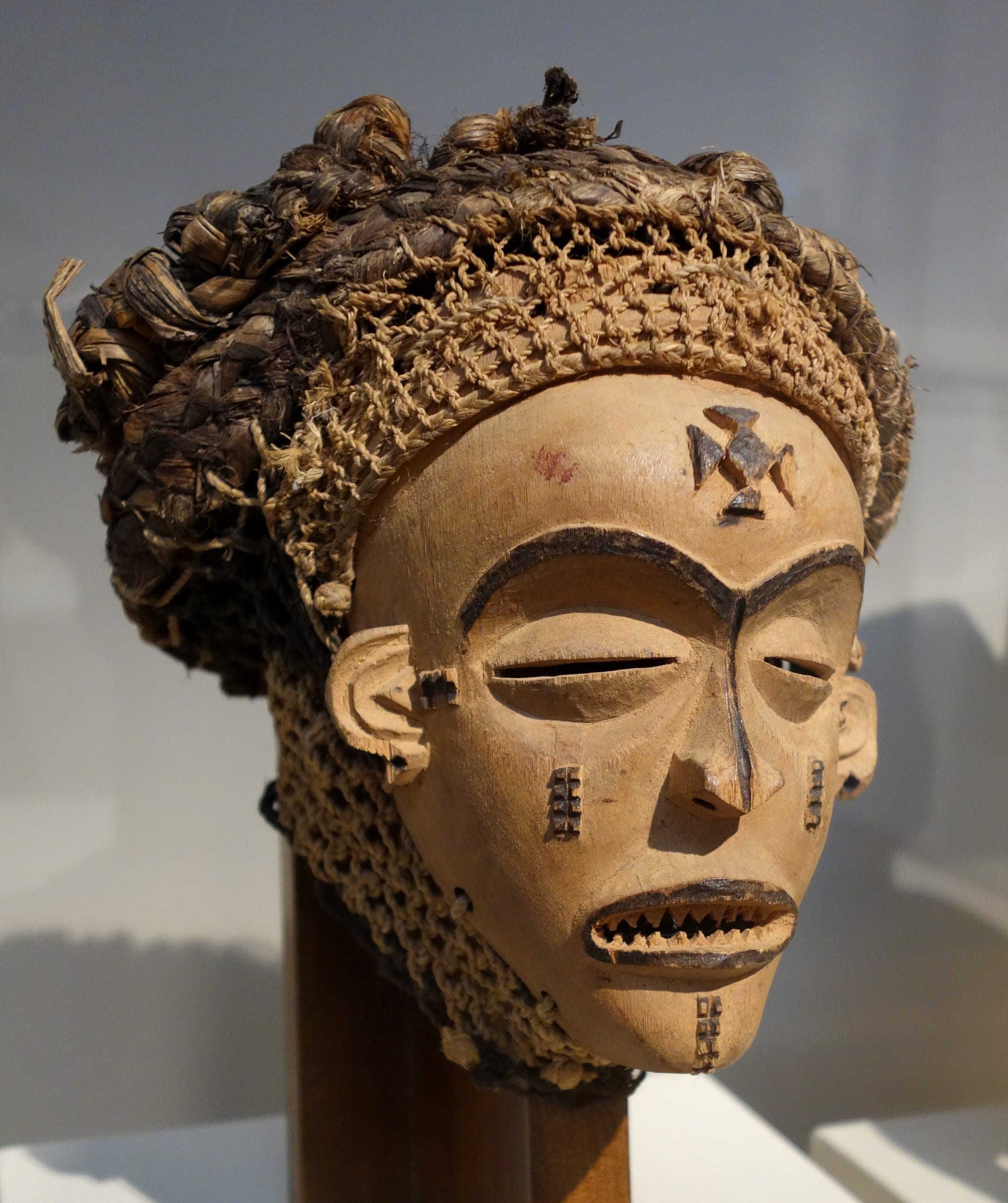
Angola's traditional arts are closely tied to its many peoples, and none is more celebrated than that of the Chokwe of the east and north-east. Chokwe carvers are famous for masks and figures of great refinement. The best known mask type, mwana pwo, represents an idealised young woman and a female ancestor; it is worn, nonetheless, by male dancers, whose costume and movements imitate the grace of women, and it has traditionally appeared at the celebrations surrounding the initiation of boys. O Pensador, the national symbol of the seated thinker, also comes from this tradition, and masks and sculpture more widely are made in wood, bronze and ceramic across the country's different communities.
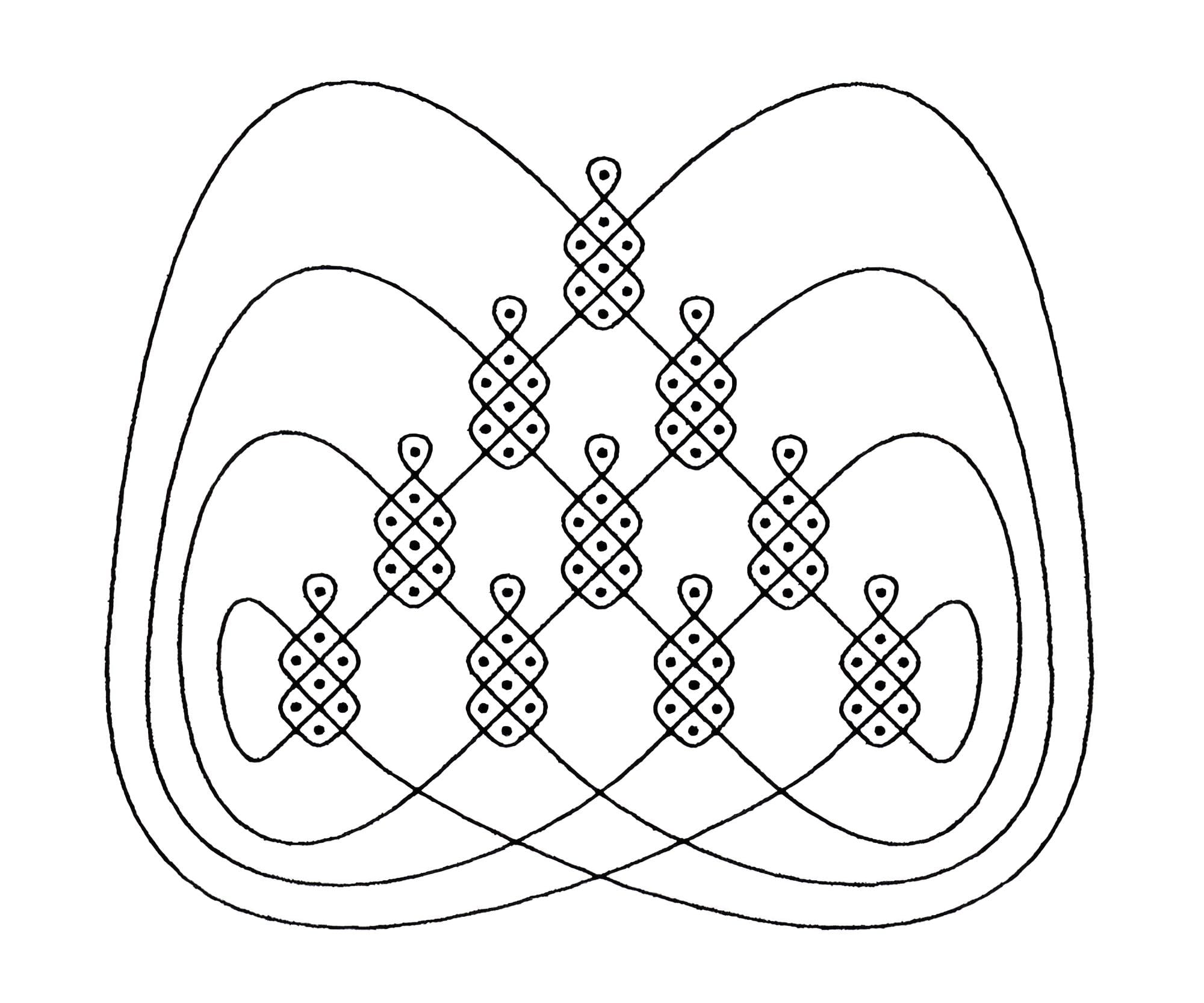
Sona, the sand drawings, belong to the same eastern world. Traditionally they were passed on during youth initiation, with each figure prompting a tale or a lesson. The practice was inscribed on UNESCO's list in 2023, and efforts are being made to pass it on to younger generations.
Music is where Angolan culture reaches furthest. Semba has its roots in masemba, a couples' dance named for the touching of belly buttons, and the capital's bands sang in Kimbundu as well as Portuguese in the first half of the twentieth century. Semba accompanies celebrations, weddings and even funerals, and it is widely treated as the sound of Angolan identity; it has been proposed for UNESCO's list of intangible cultural heritage. Kizomba, whose name is the Kimbundu word for a party, is a slower, closer partner dance that took shape in the 1980s and has since spread across Europe, to the point that Angola has sought formal recognition of its Angolan origins. Kuduro, fast, electronic and danced solo in street challenges, emerged in the capital in the late 1980s and early 1990s and became the soundtrack of a young, urban generation.
Dos and don'ts for visitors
- Do greet everyone on arrival, starting with the eldest, and use formal forms of address until invited otherwise.
- Do accept food or drink when offered in a home; declining outright can seem cold.
- Do bring a small gift or drinks to share when invited to a family occasion.
- Do bargain in markets, where it is expected, but keep it good-humoured.
- Do dress smartly for church, formal occasions and smarter restaurants.
- Don't point at people with a finger; use the whole hand instead.
- Don't photograph government buildings, the presidential palace, airports or military sites, which is prohibited.
- Don't treat an invitation to an óbito lightly; if asked, attending is a meaningful sign of respect.
What to take away
Angolan customs rest on two things held in careful balance, a deep deference to family and to the old, and an irrepressible love of music and celebration, and visitors who show respect for the first will find themselves warmly welcomed into the second.