Food · Angola
Angola: Food and the National Dish
Chicken stewed in red palm oil, cassava pounded into a starch as central as rice, and a Sunday ritual of grilled fish on the beach at Luanda
By Worldlore Editorial · 16 September 2026
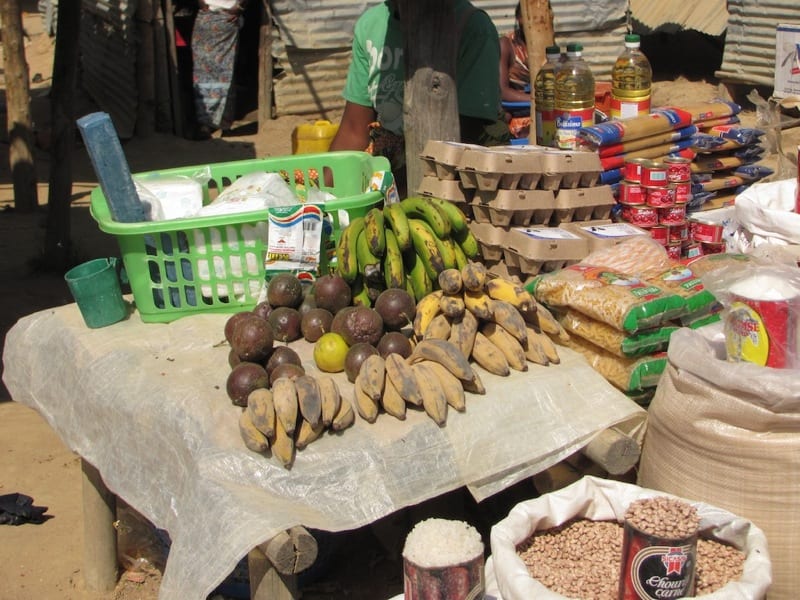
A cuisine built on cassava and palm oil
Angolan food runs on two things above all: cassava, which provides both a root starch and a leaf vegetable, and red palm oil, which colours and flavours a great many of the country's stews. Around that Bantu foundation sits four centuries of Portuguese colonial contact, which brought bread, coffee growing, and a taste for salt cod and wine that never fully took hold outside the towns. The result is hearty, slow-cooked food, more about the deep flavour of a long-simmered sauce than about spice for its own sake, with a single fiery chilli condiment doing the work other cuisines spread across many spices.
The national dish: muamba de galinha
Muamba de galinha, chicken muamba, is the dish Angolans name first. Chicken pieces are browned and then simmered in red palm oil with garlic, onion and gindungo — a paste of the small, very hot local chilli — until the sauce turns a deep orange-red, usually with okra stirred in to thicken it and give it a slight silkiness.
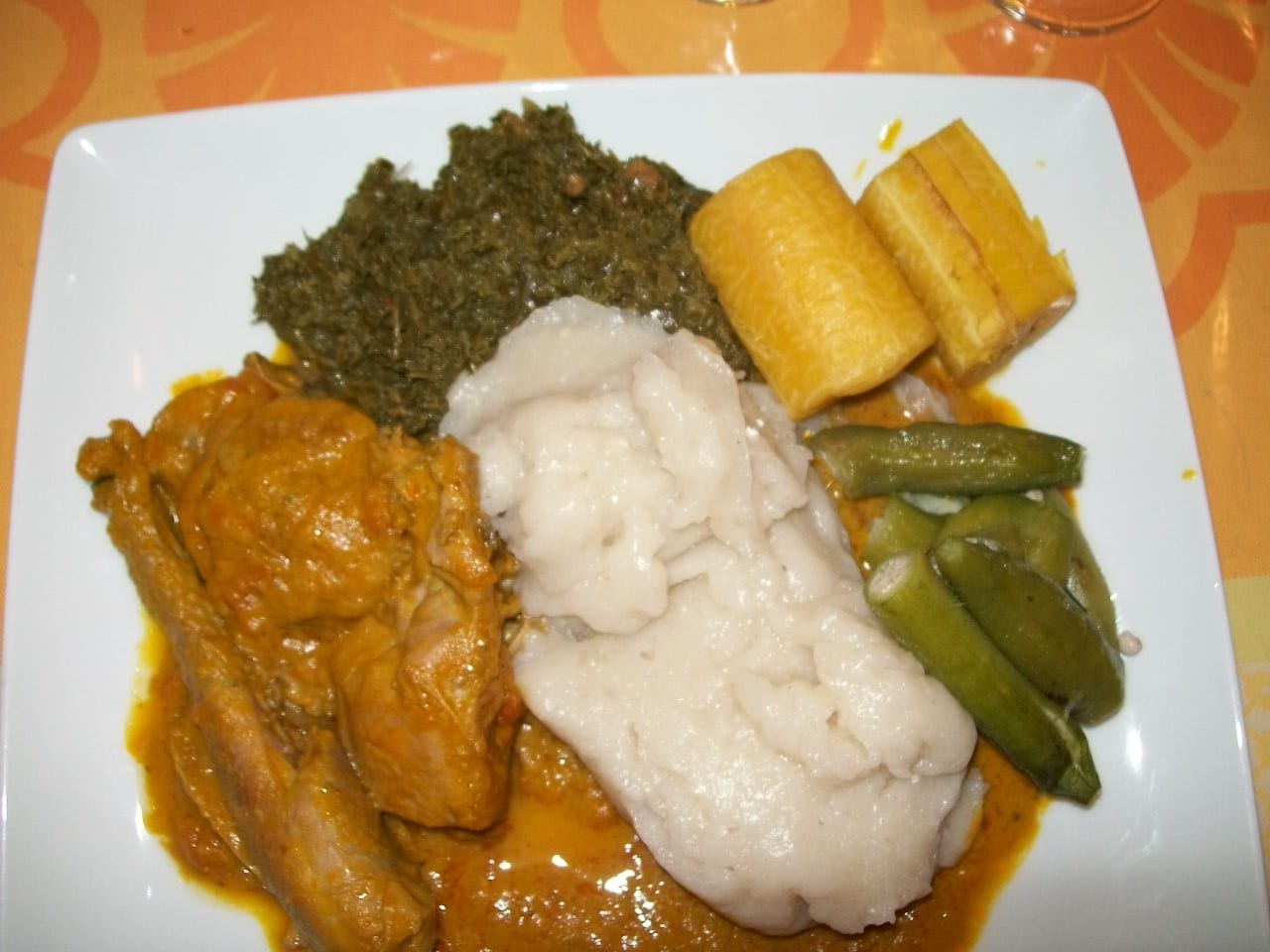
It is always eaten with funge, the stiff cassava or cornmeal paste that takes the place of rice or bread, and usually alongside kizaka, cooked cassava leaves, and a side of plantain. The other dish with a real claim to the national title is calulu — fish or meat cooked slowly with cassava leaves, okra and palm oil — and many Angolans would say the country has two national dishes rather than one, muamba for chicken and calulu for fish.
What an Angolan kitchen runs on
Cassava does more work here than almost any other single ingredient. The root is dried and pounded into flour for funge, the smooth, stretchy paste that anchors nearly every meal; the leaves are pounded and long-simmered into kizaka, a dark, savoury green side dish. Maize is the other staple starch, especially inland, where funge is often made from cornmeal instead of cassava. Beans, sweet potato, plantain, okra and peanuts (ginguba) round out the vegetables, and peanuts are also ground into sauces of their own.
Red palm oil is the defining fat, giving many dishes their orange colour and a faint, slightly nutty richness. Fish — fresh on the coast, dried and salted further inland — and chicken are the everyday proteins, with beef and goat for special occasions. The one seasoning every table has to hand is gindungo, the crushed or pickled chilli that is added to taste rather than cooked in for everyone.
Dried and salted fish deserve a mention of their own: before refrigeration reached far inland, fish caught on the long Atlantic coast was preserved this way to travel, and dried fish is still stirred into calulu and bean dishes well away from the sea, giving them a strong, savoury depth that fresh fish does not.
How the food got this way
The base layer is a shared Bantu Central African one: cassava, palm oil, okra and leafy greens are cooked much the same way across Angola, the Republic of Congo and the Democratic Republic of Congo, and Angola's Cabinda exclave, cut off from the rest of the country by a strip of Congolese territory, shares its kitchen most closely with its Congolese neighbours.
Portuguese rule, which lasted in some form from the 15th century until 1975, added bread, coffee cultivation on a large scale, sugar, and imported staples like rice and wheat flour into the towns. It also set off a longer and heavier exchange across the South Atlantic. Cassava itself reached Angola from Brazil after the Portuguese carried it across the ocean, and the same trade routes that moved enslaved Angolans to Bahia carried palm oil, okra and cassava cooking back with them; the deep kinship between Angolan muamba and calulu and Bahian dishes like moqueca is a direct, well-documented result of that history.
The civil war that followed independence in 1975 ran for 27 years and devastated farming and the coffee industry in particular; Angola had been one of the world's largest coffee producers before 1975 and is still working to rebuild that trade. Peace since 2002 and oil wealth have brought imported food and international restaurants to Luanda, sitting alongside, rather than replacing, the market food most Angolans still eat.
From the coast to the highlands
Luanda and the coast are mufete country — grilled fish, prawns and other seafood, eaten alongside the interior's staples rather than instead of them. The central highlands around Huambo and Bié lean on maize, drier growing conditions producing more corn-based funge and less palm oil. The south, around Namibe and Cunene, is pastoral country with more dried meat and milk in the diet. Cabinda, the northern exclave, is palm-forest country whose cooking — heavy on cassava and palm oil, closer to neighbouring Congo than to Luanda — the region pages will cover on its own terms.
Dishes to know
Five to recognise anywhere in the country (regional specialities are covered on the region pages):
- Calulu — fish, often dried or salted, or meat, stewed for hours with cassava
or pumpkin leaves, okra and palm oil, usually with sweet potato. Angola's other national dish in all but name.
- Funge — the everyday starch, a smooth stiff paste of pounded cassava flour
(funge de bombó) or cornmeal (funge de milho), eaten with the fingers to scoop up sauce.
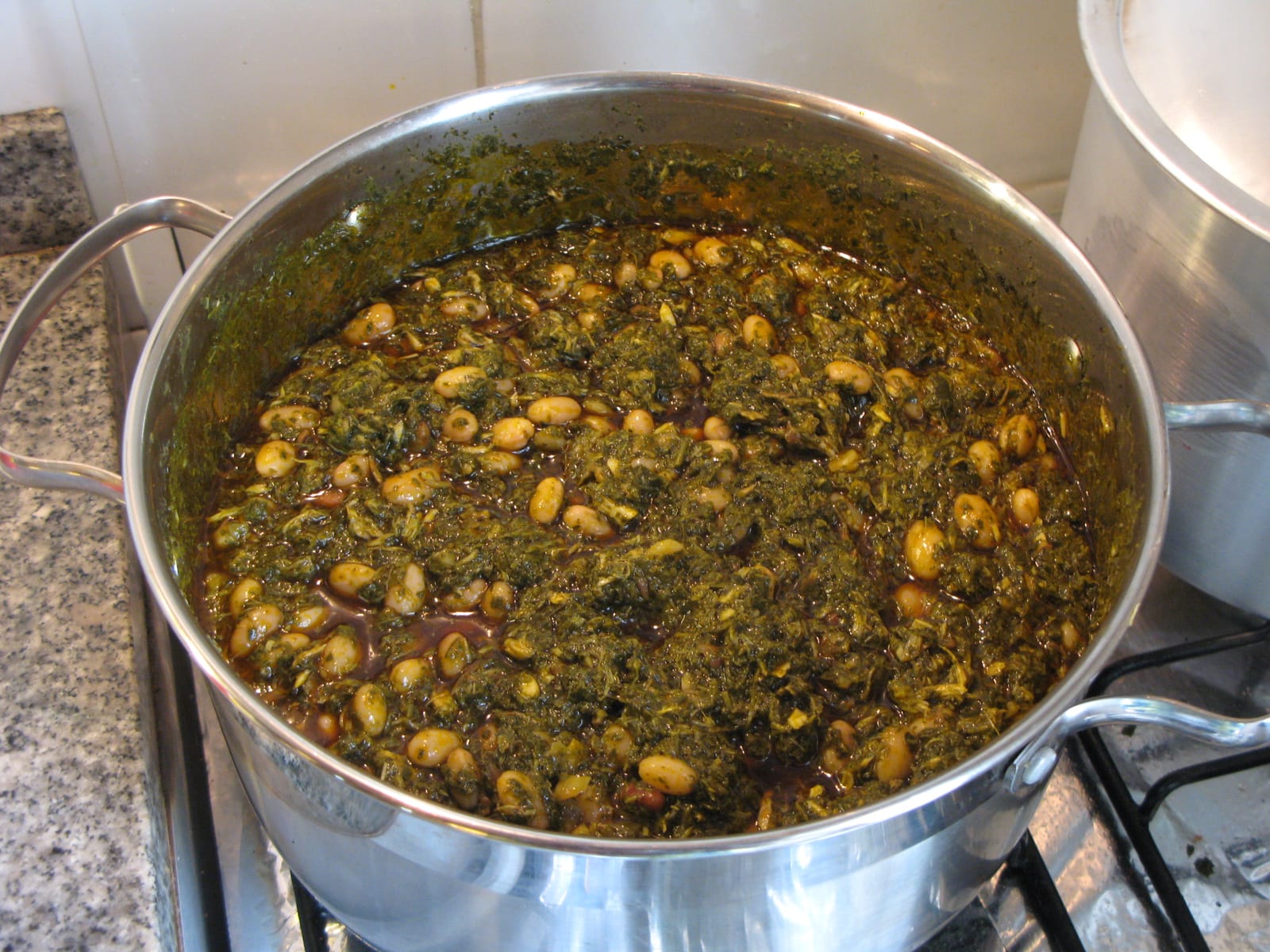
- Kizaka — cassava leaves, pounded and simmered a long time with palm oil,
onion and garlic, sometimes with ground peanut or dried fish added.
- Mufete — grilled whole fish, classically bream, served with beans, funge or
fried cassava flour, sweet potato and plantain. The centrepiece of the Sunday beach lunch that is a Luanda institution.
- Moamba de ginguba — a peanut-based stew, chicken or fish cooked in a thick
ground-peanut sauce, distinct from the palm-oil muamba above.
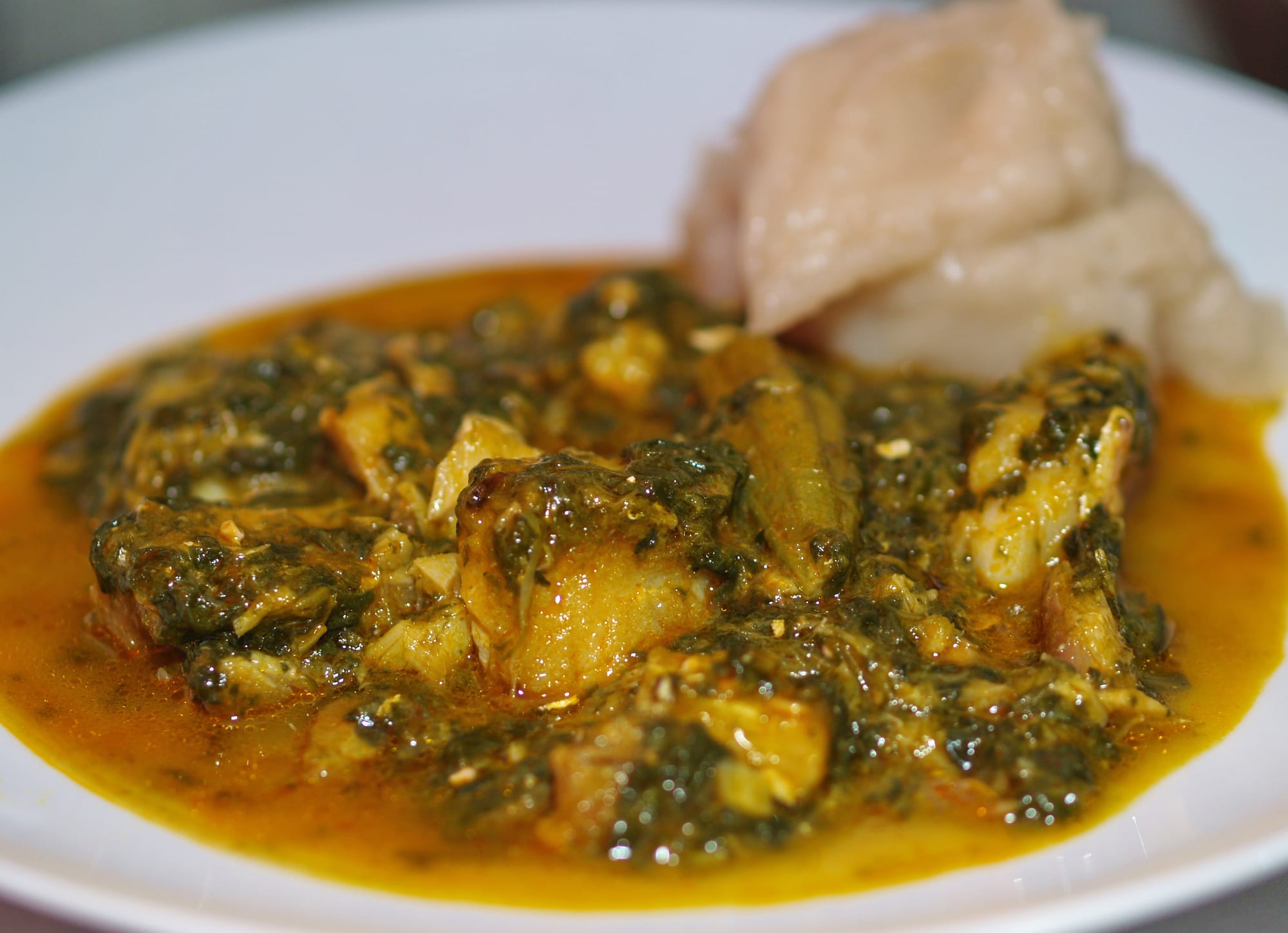
Around these, ginguba peanuts turn up roasted as a snack as often as they do ground into sauce, and cocada amarela, a coconut-and-egg-yolk sweet from the Portuguese confectionery tradition, is the everyday dessert.
Eating together
Meals are eaten from a shared pot or platter more often than individually plated, with funge torn off by hand and dipped into whatever sauce is on offer. The week's high point for many Luanda families is mufete on Sunday: a long, unhurried lunch of grilled fish at a beachfront spot on Ilha de Luanda, treated as much as a social occasion as a meal. Markets are central to daily life and to socialising, and hospitality runs strong — a guest is expected to eat, and to eat well. Luanda's informal markets have long been famous in their own right: Roque Santeiro, which grew out of the disruption of the civil war, was for years reckoned among the largest open-air markets in Africa before the city relocated its traders to formal sites in the 2010s, and smaller versions of that same market culture still supply most households with fresh produce, fish and cassava flour.
Drinks
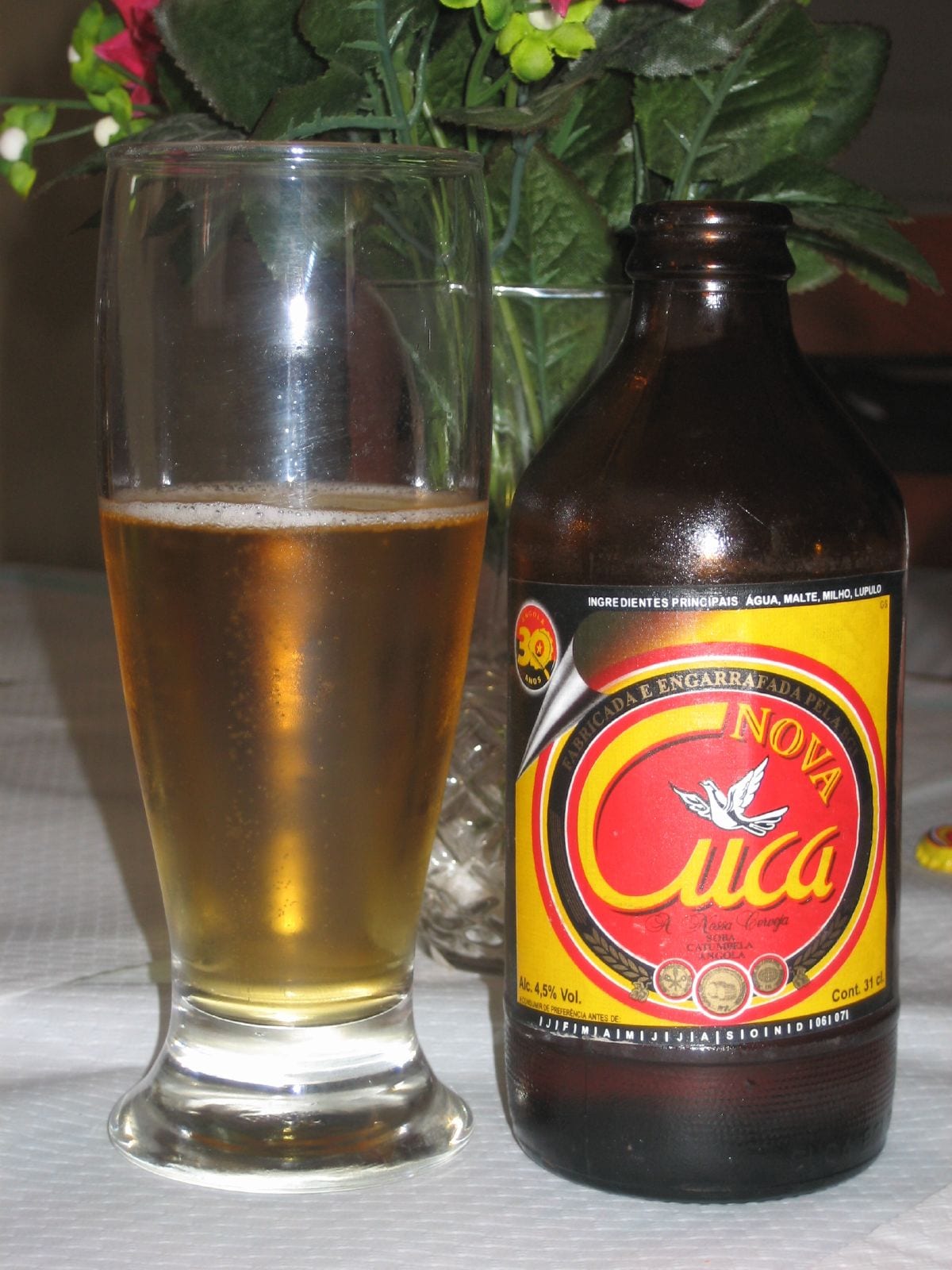
Cuca and its rival EKA are the two big domestic beers and by far the most common drink with a meal. Kissangua, a traditional fermented maize or cassava drink, and geribita, a rough sugarcane spirit with roots in the colonial distilleries, are older and more local. For something soft, sumo de múcua — juice from the fruit of the baobab tree, tart and slightly chalky — is one of the more distinctly Angolan things to try, alongside fresh tamarind and maracujá juices. Coffee, once one of Angola's great exports, is enjoying a small revival in Luanda's cafés.
Eating as a traveller
Vegetarians will find the going harder here than in many countries — kizaka and beans are the reliable options, but most sauces and stews are built around meat, fish or their stock. Seafood on the coast is excellent and reasonably priced. Tap water is not safe to drink; stick to bottled water, which is widely available. Street food and market stalls are cheap and common in the cities; smarter restaurants in Luanda, reflecting the oil economy, can be surprisingly expensive by regional standards.
What to take from the table
Angolan food rewards patience — the best dishes are the ones simmered for hours, not the quick ones — and it is best encountered the way Angolans eat it, from a shared pot, with funge in hand and a cold Cuca on the table.