Daily Life · Angola
Angola: A Day Balanced on Someone's Head
A young, fast-growing country where most people earn their living off the books, many extended families share tight quarters in the capital's crowded neighbourhoods, and a basin balanced on a vendor's head is as much a fixture of the street as any shop
By Worldlore Editorial · 30 September 2026
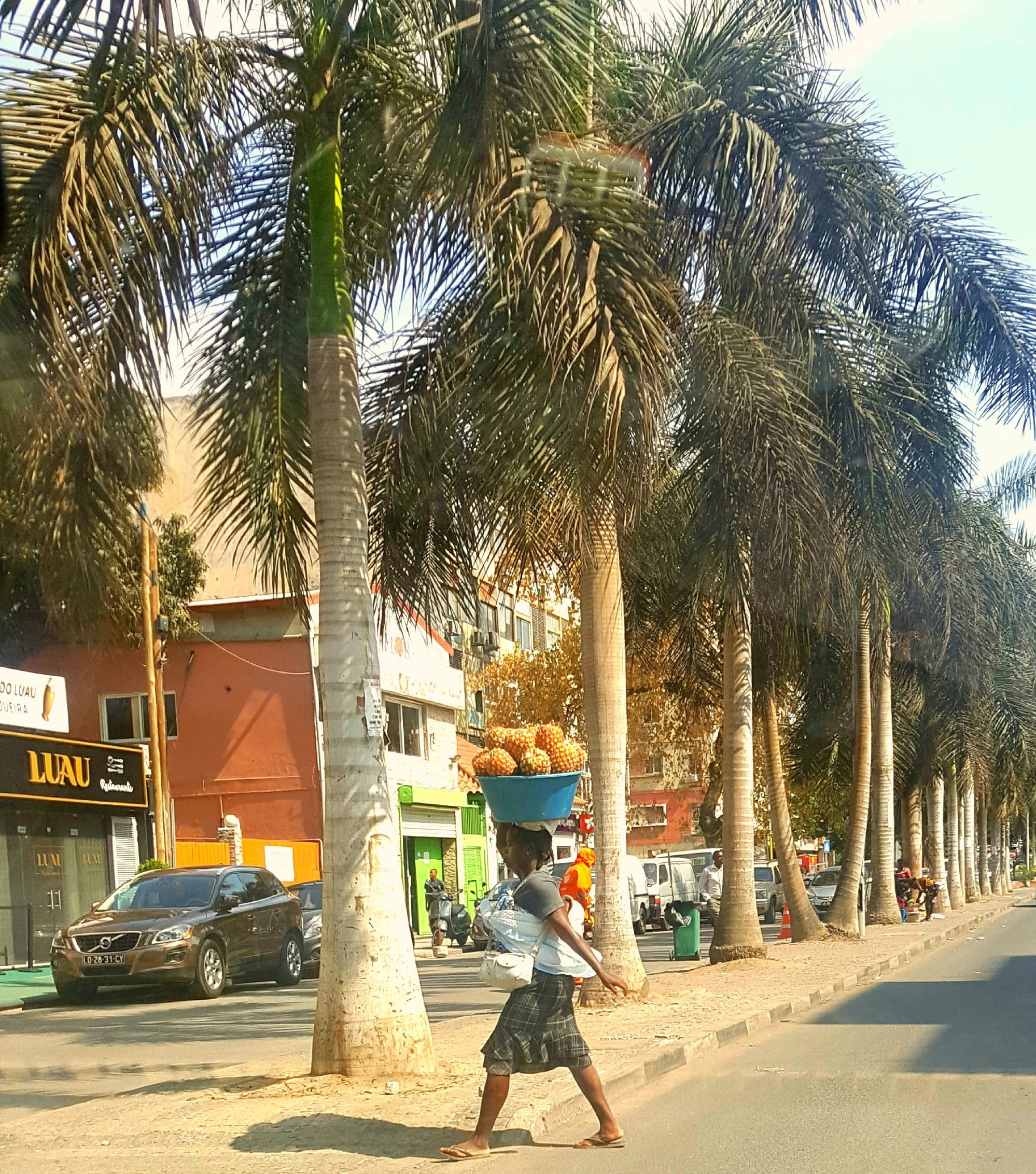
An ordinary day in Angola usually starts early and involves a fair amount of walking, waiting, and carrying. In many homes water may need collecting, or a generator switched on when the mains power cuts out; children are walked or minibused to school; and by mid-morning city streets are busy with vendors, many of them women, carrying goods on foot, some balancing basins on their heads with long-practised skill, because informal trade is how a large share of Angolans earn their living. Angola is a young country, where many people have grown up since the civil war ended in 2002, and a rapidly urbanising one, with close to a third of the population now packed into Greater Luanda, a city of oil-money towers ringed by vast, self-built neighbourhoods where daily life runs on improvisation.
Family and home life
Households in Angola tend to be large by international standards and often multigenerational, with grandparents, parents, children, and sometimes cousins sharing a home and its running costs. Families with several children are common, and household arrangements vary widely between the big cities and the countryside. In Luanda, much of the population lives in dense, self-built neighbourhoods that grew up informally around the colonial-era city centre, where several related households often occupy adjoining rooms or plots and share courtyards, water points, and childcare. Outside the capital, in Benguela, Huambo, and smaller towns, many households keep a small plot for growing vegetables or keeping chickens alongside whatever wage work is available.
Work, school and the rhythm of the day
By law the working week runs up to 44 hours, typically eight hours a day across five or six days, but that standard describes only a minority of jobs. According to Angola's national statistics institute, roughly eight in ten workers are employed informally — running a market stall, driving or riding along on a candongueiro minibus, trading on the street, or doing casual construction or domestic work — and informal hours are set by demand, daylight, and the weather rather than a fixed schedule. Formal offices and government departments in Luanda keep regular daytime hours, but market vendors and street traders are often out from early morning until after dark. Many schools run in shifts, with different groups of children attending in the morning or afternoon so that the same buildings and teachers can serve more pupils than there is space or staff for.
Community life and public spaces
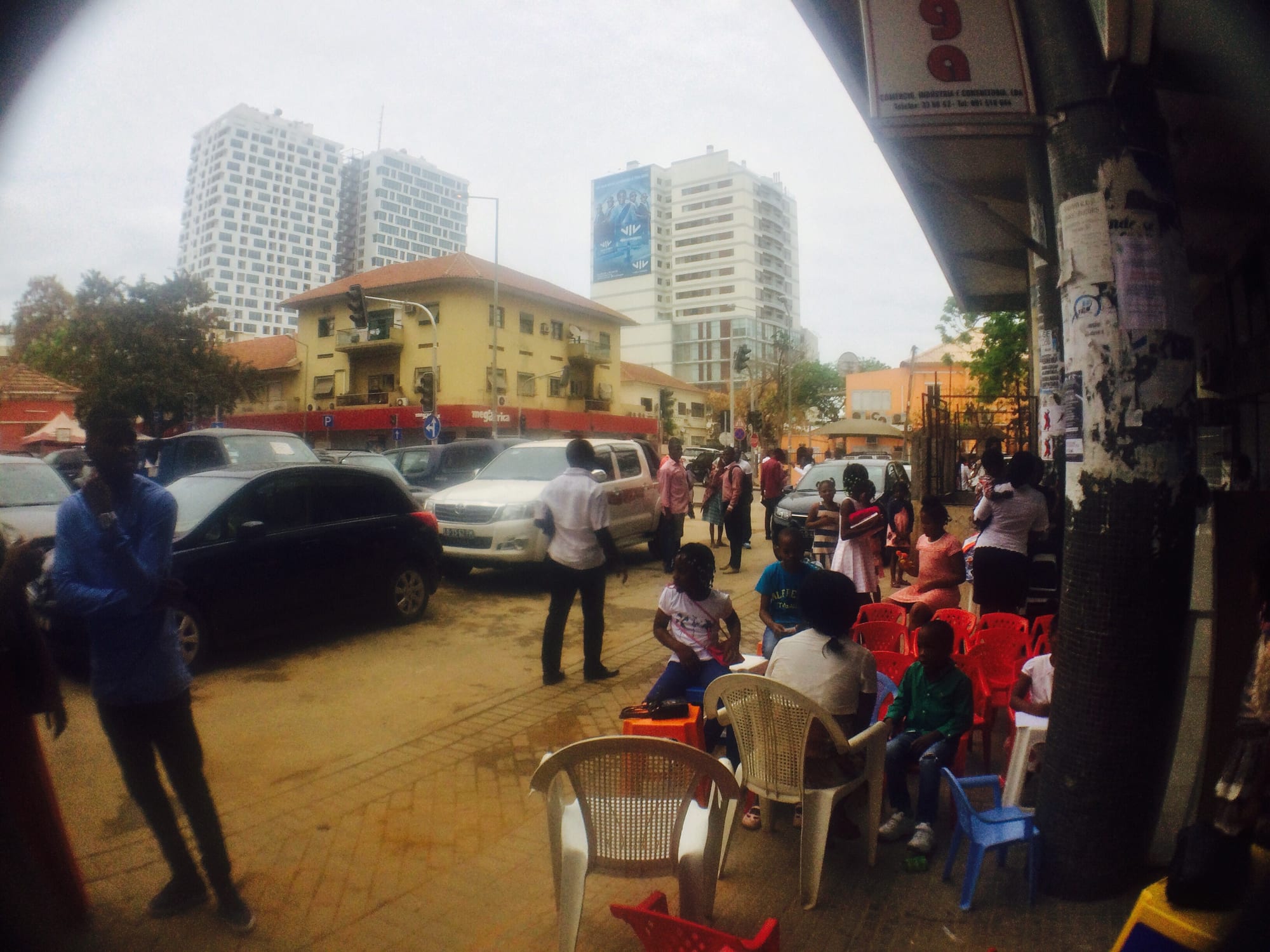
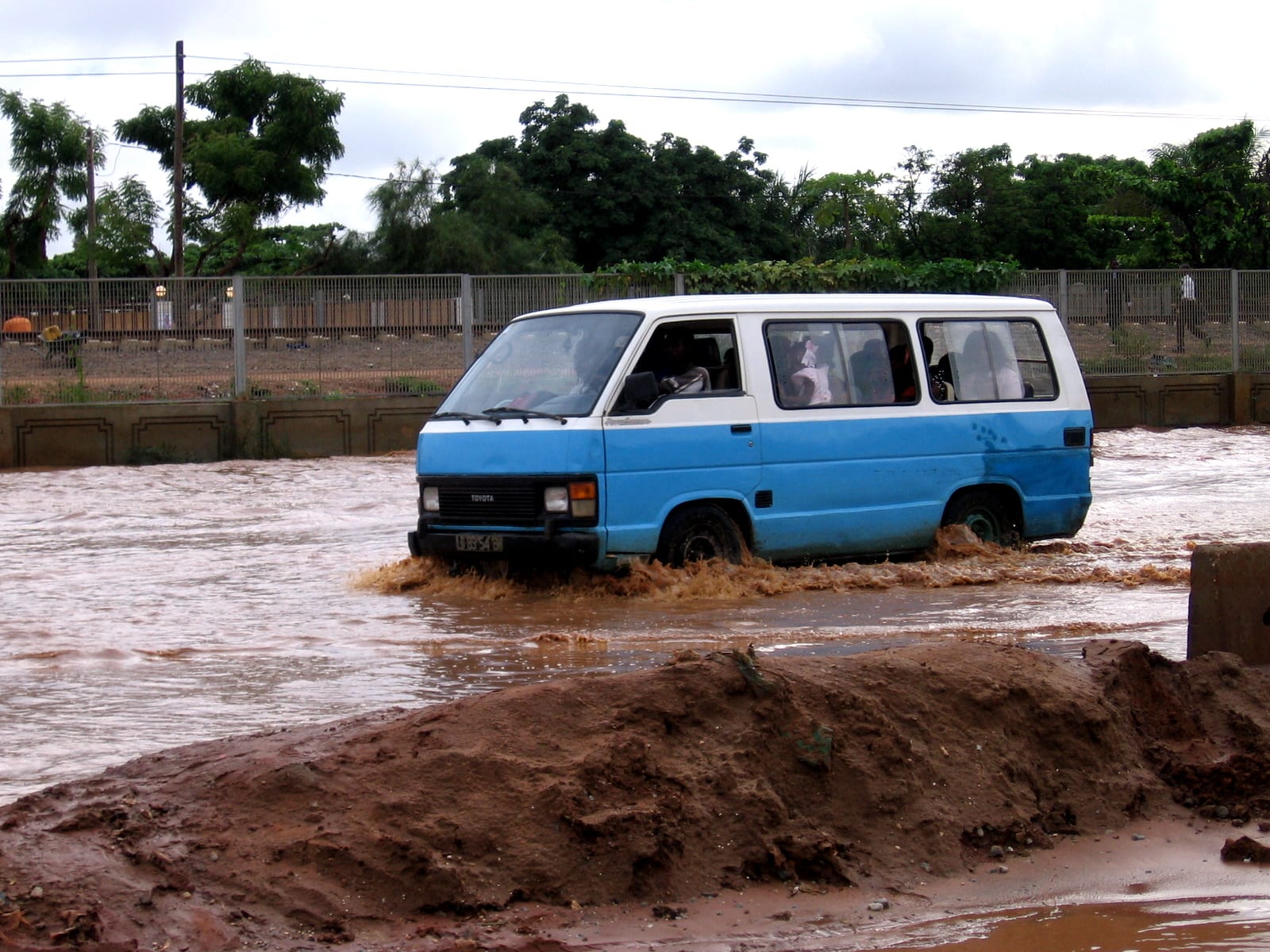
The market and the street are where most of Angola's daily public life happens, since a large share of everyday retail runs through open-air markets, street stalls, and vendors moving through traffic and along avenues rather than through fixed shops. In Luanda, the blue-and-white candongueiro minibuses are the backbone of getting around: privately owned Toyota HiAce vans that follow informal routes, called out by a conductor hanging from the sliding door, filling up before they leave rather than running to a timetable. Traffic in the capital is heavy and slow for most of the day, and a short trip across town can take far longer than the distance suggests. Outside the big cities, the market square or roadside stalls along the main road serve the same function on a smaller scale, and church compounds are also common gathering points beyond worship itself.
Free time and weekends
Weekends in Luanda centre on the coast: Ilha de Luanda and Mussulo Island are the main gathering spots, and Saturday and Sunday afternoons bring families out for picnics on the sand, with impromptu beach football games running along the shoreline. Church attendance is a major part of the weekly rhythm for the country's large Christian majority, and Sunday services, often lively with singing, are as much a social occasion as a religious one. Football is followed closely nationwide, whether played on a patch of ground in a neighbourhood or watched on television in a bar or courtyard, and family visits, typically extending across several households of relatives, fill much of the rest of the time off.
A visitor's ordinary day
Angola runs largely on cash, and the kwanza has lost so much value over the years that prices are best thought of in US dollars, which are what most visitors bring to change locally; cards work in Luanda's hotels but not much further. Getting around the capital independently generally means hailing a candongueiro along its route or arranging a car, since the minibus routes are informal rather than mapped and timetabled, and traffic can make even a short crossing of the city slow. Markets and street stalls are the most reliable place to buy fresh food and everyday goods, generally open from early morning into the evening, while formal shops and offices tend to keep shorter, more conventional hours. Power and water supply can be intermittent even in Luanda, so generators and stored water are a normal sight rather than a sign of anything unusual.
What to take away
What holds an ordinary Angolan day together is not a fixed institution but a huge amount of individual effort and improvisation — most visibly the zungueiras and candongueiro drivers who, between them, keep goods and people moving through a capital that has outgrown its own infrastructure.