Daily Life · Andorra
Andorra: Two Seasons, Three Languages
A country where more than half the population holds another nationality, Spanish is the everyday go-between language alongside Catalan, and the whole rhythm of the day pivots hard between a ski season and a summer one
By Worldlore Editorial · 30 September 2026
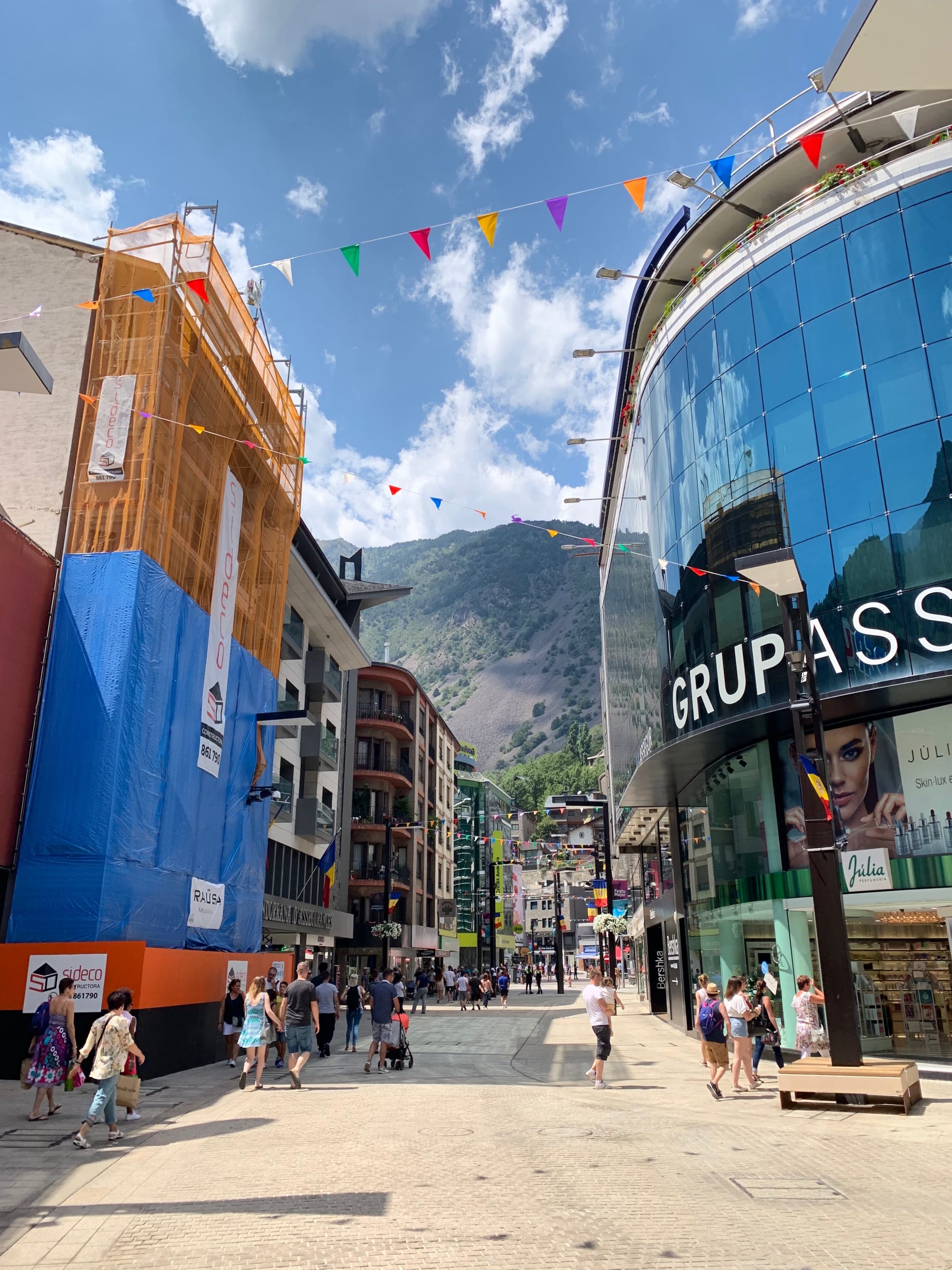
Andorra is a country where most residents are foreign nationals: under half hold Andorran nationality, and the rest, mostly from Spain, Portugal and France, came for work. Catalan is the only official language, yet Spanish is nearly as common a mother tongue and is the usual shared language between people of different backgrounds, so the street outside runs through several languages at once. Daily life follows the calendar as much as the clock, split hard between a winter built around the ski slopes and a summer built around hiking and shopping, with comparatively little in between.
Family and home life
Andorran households are generally small, with the nuclear family the usual pattern, and high living costs weigh on how and where people can afford to live. Because so many residents arrived as workers rather than as part of a multi-generation Andorran family, household composition varies more by country of origin than by any single national pattern.
Work, school and the rhythm of the day
The standard working week under the labour law is 40 hours. Shops in Andorra la Vella typically keep long hours, from morning into the evening, most days of the week, since retail, driven heavily by tax-free shopping, does not really observe a day of rest the way it might elsewhere. The bigger rhythm, though, is seasonal rather than daily: much of the workforce effectively shifts onto a different schedule in winter, when ski resorts such as Grandvalira drive the economy, than in summer, when hiking and shopping tourism take over instead.
Community life and public spaces
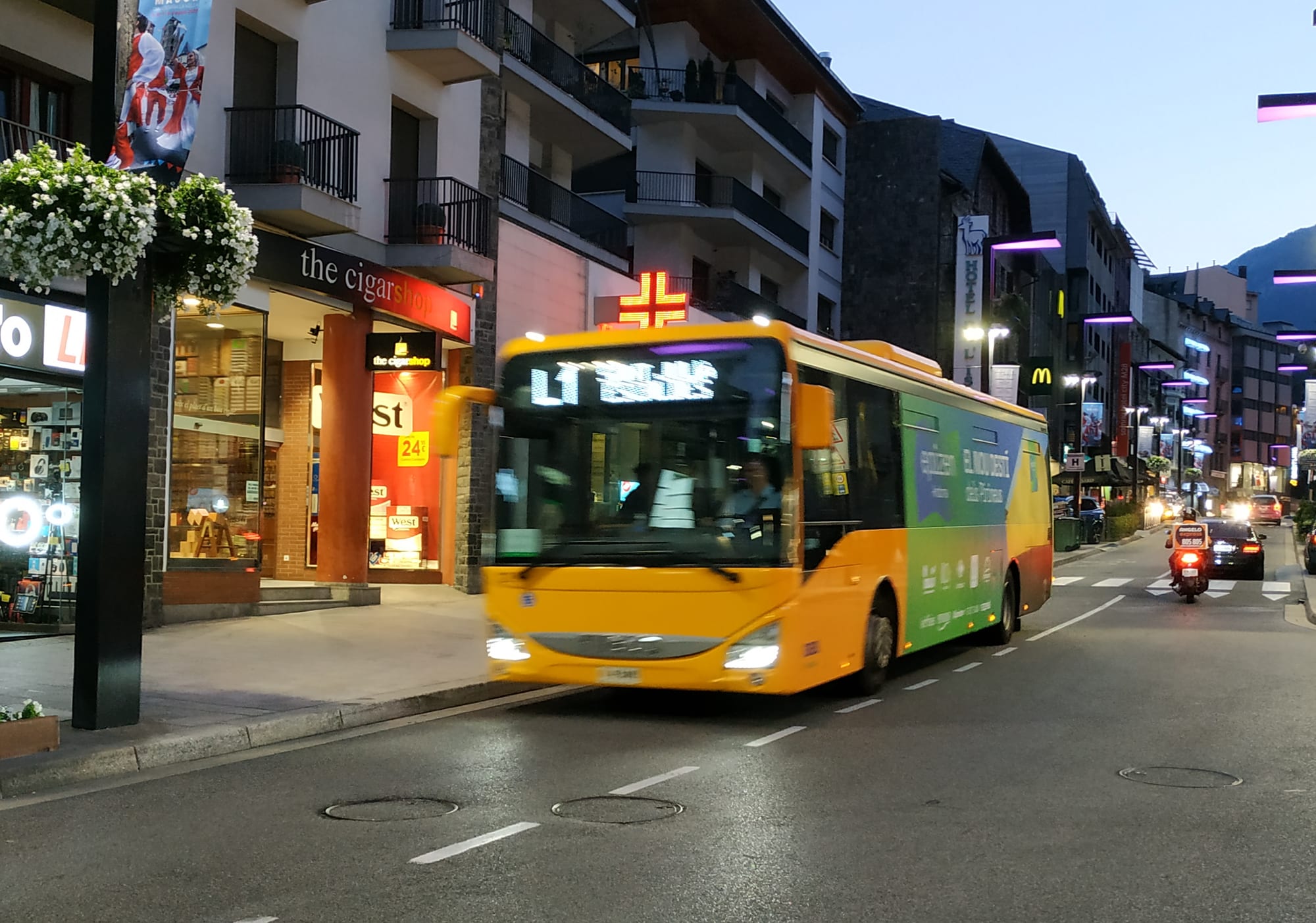
Andorra la Vella's centre is built for walking and shopping, its pedestrianised main street lined with stores. Public buses on the national network are now free for residents, an encouragement to leave the car at home in a country of steep, narrow valleys. Given how many residents arrived from elsewhere, daily public life runs across several languages at once: Catalan is what is heard most on the street, but Spanish, Portuguese and French are all a normal part of the everyday soundscape.
Free time and weekends
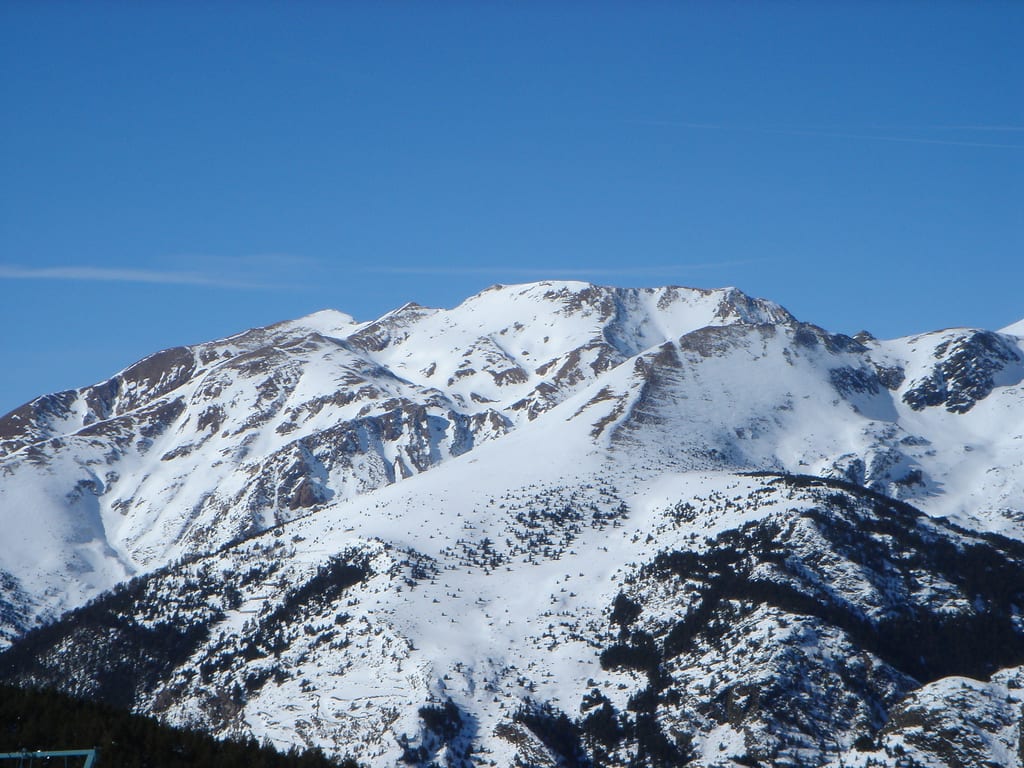
Outdoor activity is less a hobby than the default setting: skiing dominates winter weekends, while hiking, mountain biking and time at the country's lakes take over in summer. Village and parish festivals, such as the Canólich Gathering in May and the Roser d'Ordino in July, remain community occasions, and escudella, a hearty stew, is a winter staple.
A visitor's ordinary day
Andorra uses the euro despite not being an EU member, and tax-free shopping is a genuine part of everyday commerce, not just a tourist draw, so shops keep long hours across most of the week. Public buses are free for residents and inexpensive for visitors, a realistic way to get between towns strung along the country's few valley roads. Expect the whole rhythm of a visit to shift with the season: arrive in winter and the day organises itself around the slopes; arrive in summer and it organises itself around trailheads and the shops of Andorra la Vella.
What to take away
What defines an ordinary day in Andorra is less any single custom than which season it happens to fall in, and how many different languages are heard before it is over.