Daily Life · American Samoa
American Samoa: When the Village Goes Quiet
Extended aiga households built around a matai chief, a week that stops completely for Sunday church, and an evening curfew, announced by bell or conch shell, that pauses whole villages at once
By Worldlore Editorial · 30 September 2026
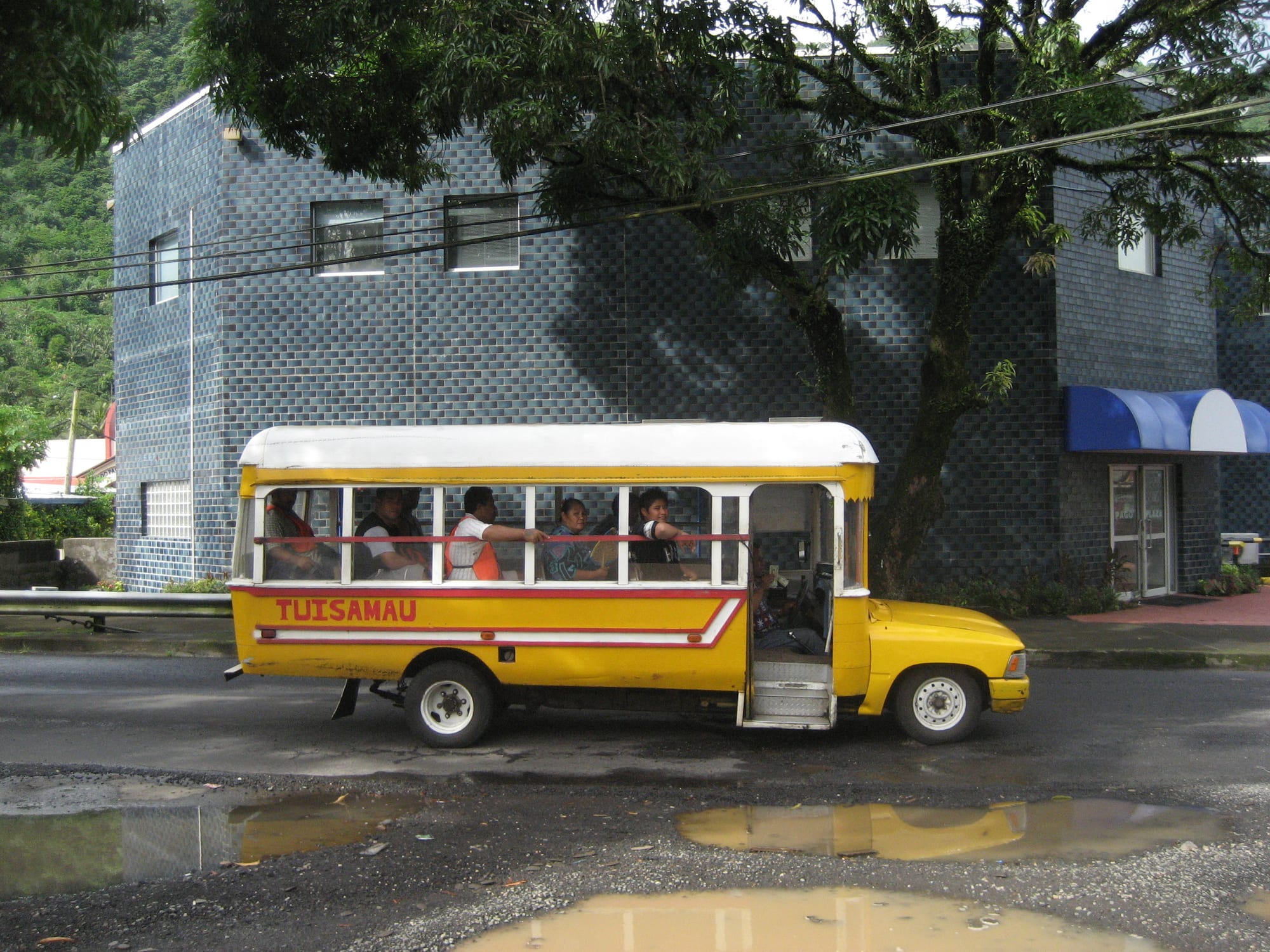
Life in American Samoa is organised less around the individual household than around the aiga, the extended family, and the village it belongs to. A matai, an elected chief, oversees communal land and looks after the wellbeing of everyone under their name, and daily decisions tend to be made with that wider group in mind rather than alone. Sunday brings most of the territory to a stop for church, and most evenings, in villages that keep the tradition, a bell or conch shell marks a short curfew, sa, during which families pause for evening prayer.
Family and home life
The aiga is not limited to parents and children: grandparents, aunts, uncles, cousins and adopted family members are all considered part of the same household network, and related aiga commonly live near one another within a village. A matai, chosen by the extended family rather than simply inherited, manages communal land, represents the family in village affairs and is expected to look after the welfare of everyone in the aiga. Traditional open-sided houses, fale, are still found alongside modern housing, and even where families live in more conventional homes, the expectation of shared responsibility across the wider aiga remains strong.
Work, school and the rhythm of the day
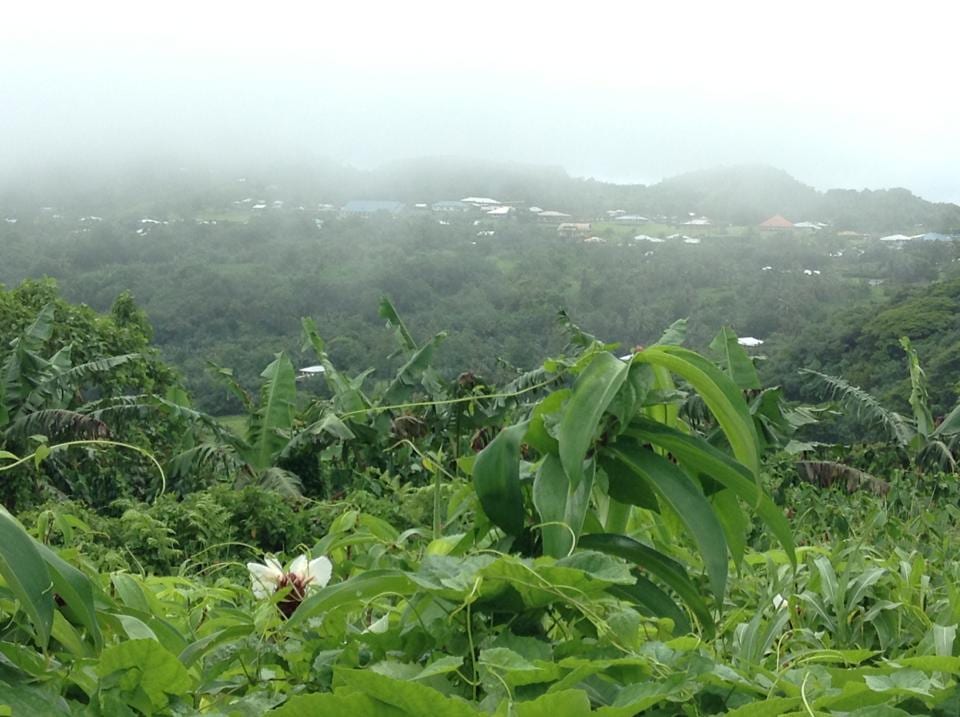
The territorial government and the one remaining tuna cannery, StarKist's, are the two largest employers, alongside smaller-scale fishing and family farming that still support many households. Offices keep ordinary weekday hours, and on Sunday government offices and most stores stay closed, which is set aside for church and family. Church itself is a serious weekly commitment: Sunday morning services are long and well attended, and church activities often continue later in the day.
Community life and public spaces
Getting around Tutuila usually means catching one of the island's aiga buses, privately owned, hand-built wooden or steel-bodied vehicles, each painted and decorated by its owner, that run along set routes without a fixed timetable and are as much a piece of everyday village life as a means of transport. In villages that observe it, the sa curfew briefly halts this public life each evening: a bell or conch shell sounds in the early evening, and for a short period families gather for prayer and anyone passing through is expected to wait quietly, until a second signal lets ordinary life resume.
Free time and weekends
American football, not rugby, is the dominant sport, and youth leagues are taken seriously as a genuine pathway to a US college scholarship or, for a fortunate few, a professional career, a route that has sent an outsized number of American Samoans to the NFL relative to the territory's tiny population. Weekends, outside of Sunday's church commitments, tend to mean family gatherings, fishing and time at the beach, with village and church-based events filling much of the wider social calendar.
A visitor's ordinary day
American Samoa uses the US dollar, and cash is the norm outside the larger stores and hotels on Tutuila; cards work in fewer places than a visitor from the US mainland might expect, and there are no ATMs at all in the Manu'a Islands. The aiga buses are the cheapest way to get around and a genuine slice of local life, though a rental car is more practical for reaching the more remote villages. Expect stores, offices and organised activity to stop completely on Sunday, and expect a village's sa curfew, where observed, to briefly halt traffic and outdoor activity in the early evening.
What to take away
What defines an ordinary day in American Samoa isn't a single custom so much as how often it still pauses for something larger than the individual: the aiga, the church, the village, all at once.