Daily Life · Algeria
Algeria: The Café as a Second Living Room
Extended families under one roof, a street-level social life built around the corner café, and a work week that shifted by a single day in 2009 to sit closer to international markets
By Worldlore Editorial · 30 September 2026
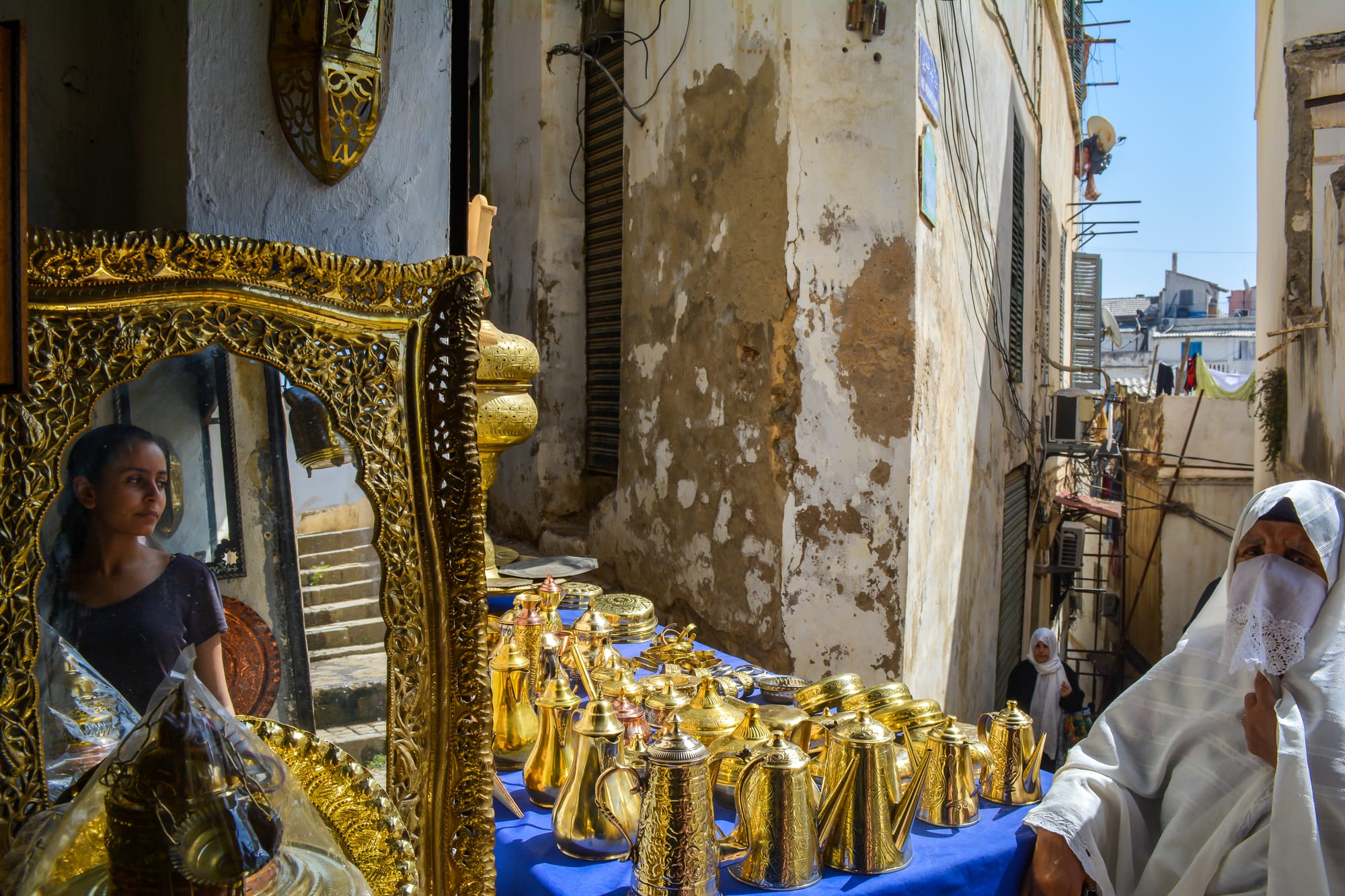
Algerian daily life runs through two overlapping circles: the extended family at home, and the café on the corner. Decisions about money, marriage and work still tend to be made collectively within the household, while the corner café functions as an unofficial second living room, especially for men, where much of the day's real socialising and news exchange actually happens. Friday remains the one day the whole country steps back for communal prayer, even after the government shifted the official weekend to sit closer to international markets.
Family and home life
Algerian households have traditionally been patriarchal, with the senior male member typically taking the lead on major decisions and representing the family in dealings outside it. Extended families, particularly in rural areas, have long relied on shared land and labour to keep a family's property and income intact across generations, and it remains common for adult children to live with or near their parents well into adulthood. That said, the household of a couple and their children has become increasingly common, particularly in cities, as marriage comes later and more Algerians move to urban areas for work.
Work, school and the rhythm of the day
Algeria's official weekend has run Friday and Saturday since August 2009, when the government shifted it from the previous Thursday-Friday pairing to bring the working week closer in line with international markets. Offices and schools therefore work Sunday to Thursday on a regular daytime schedule, though business slows considerably around Friday midday prayer, when many shops and offices close for a stretch. Government offices and many businesses also shorten their hours during Ramadan.
Community life and public spaces
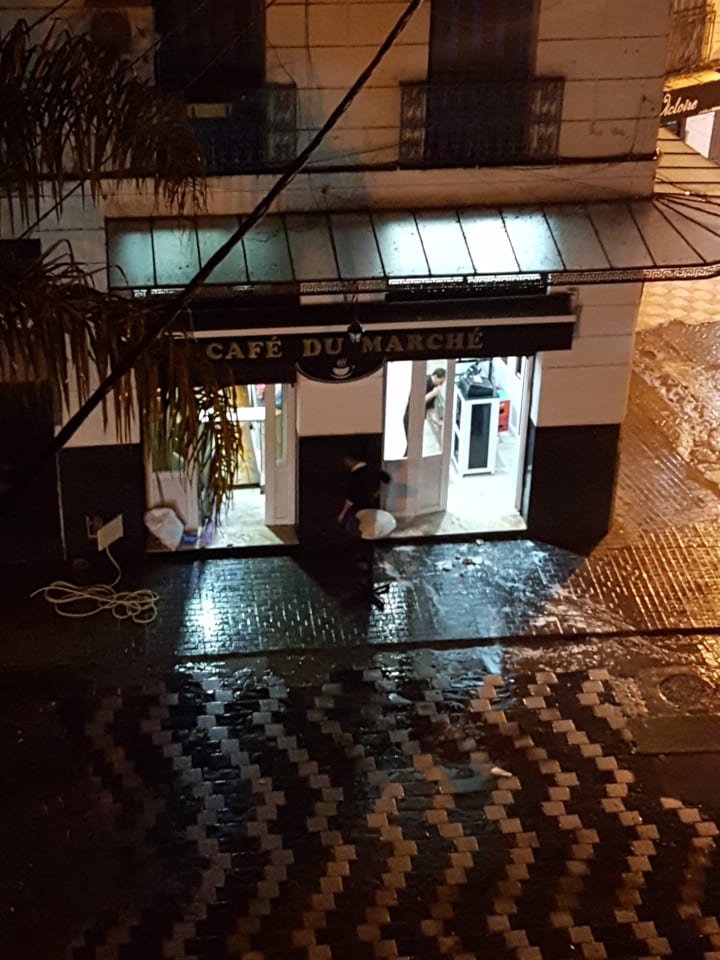
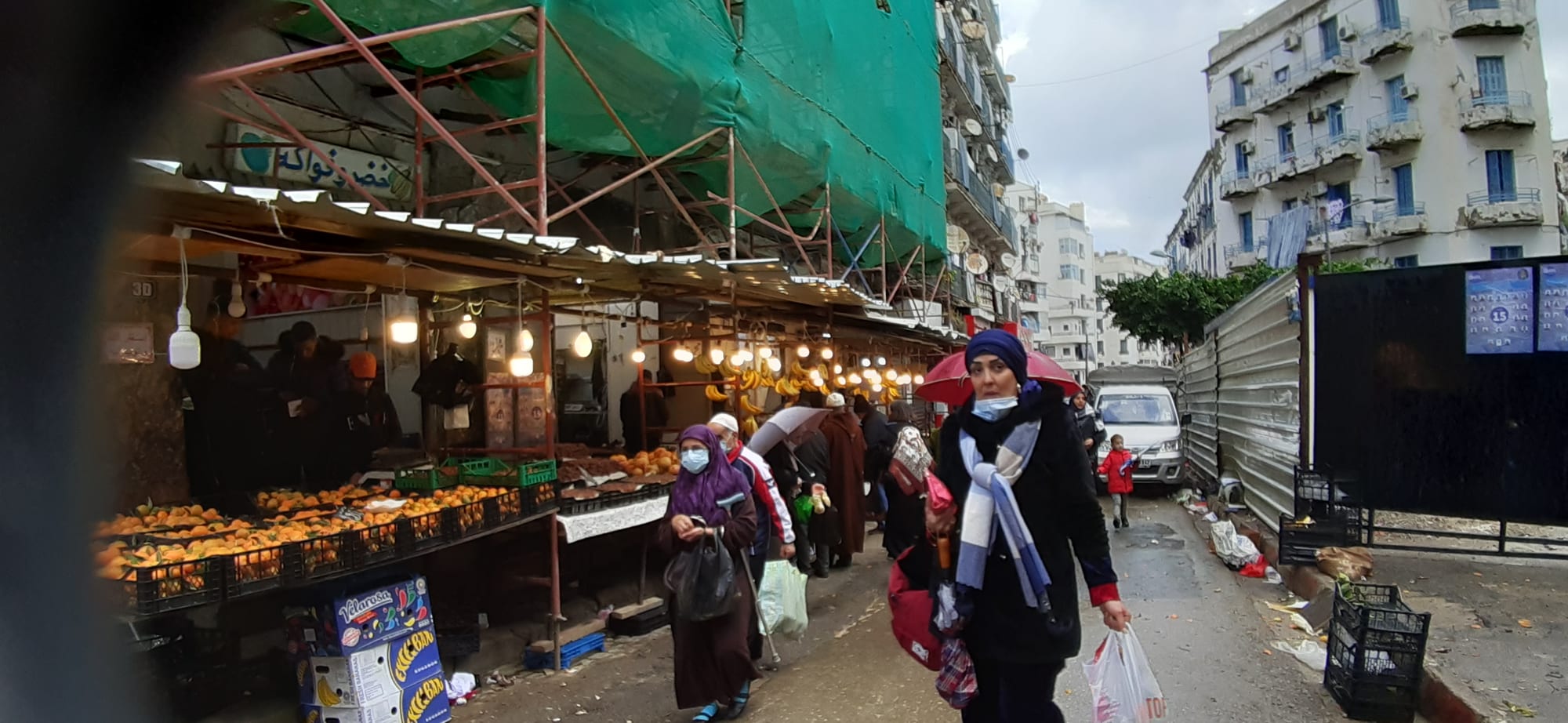
The café is where much of Algeria's everyday public life actually happens, particularly for men: tables spill onto the pavement from early morning, and regulars, retired men playing dominoes, students, workers on a break, can hold the same seat for hours over a single coffee or glass of mint tea. Markets are the other great public gathering point, open-air stalls selling produce, bread and household goods lining entire streets in older neighbourhoods such as Algiers' Bab el Oued. Public space in Algeria has historically skewed towards men, though women-only cafés have begun to open in some cities in recent years, a small but real shift in who gets to occupy that space.
Free time and weekends
With Friday and Saturday now the shared days off, weekends are given over to extended family visits, long lunches and, in the cities, café time that stretches even later than usual. Football commands serious nationwide attention, watched in cafés and homes alike, and a big match, above all one involving the national team, fills cafés across the country.
A visitor's ordinary day
Cash remains the most reliable way to pay outside major hotels and larger city businesses, and it is worth carrying small notes for markets and cafés. Public transport in cities relies on a mix of buses and, in several cities, modern tram lines, along with shared taxis that, like much of daily life, run on a looser schedule than any posted timetable suggests. Expect most shops and offices to slow down or close around Friday midday prayer, and expect café terraces, rather than any single indoor venue, to be the easiest place to see an ordinary day unfold.
What to take away
What defines an ordinary day in Algeria is less the schedule on paper than where it is actually lived out: within an extended household, and on a chair at the corner café that is rarely empty for long.