Daily Life · Afghanistan
Afghanistan: Behind the Compound Walls
Multigenerational households sharing a single courtyard, a day paced by five calls to prayer, and a nation where, since 2021, women's everyday life has been reshaped by some of the strictest public restrictions in the world
By Worldlore Editorial · 30 September 2026
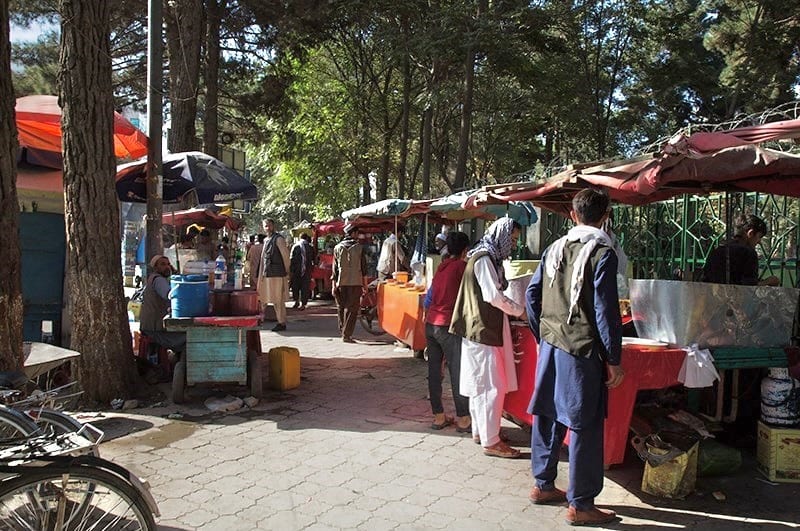
Family sits at the centre of daily life in Afghanistan more completely than in most countries — decisions, spending and the shape of an ordinary day generally run through the household rather than the individual. The five daily calls to prayer mark out the rhythm of the day nationwide, audible from mosques in cities and villages alike. Since the Taliban returned to power in 2021, that rhythm has also come to include a far narrower version of public life for women, whose movement, work and schooling have been sharply restricted by a long series of decrees — a defining fact of ordinary life in the country today, not a marginal one.
Family and home life
Households are large and typically multigenerational, averaging roughly eight people and often spanning three generations under one roof. It is customary for a woman to move into her husband's family home at marriage, and for adult sons to remain there with their own families rather than move out, a pattern shaped as much by economics as by tradition. The eldest male generally holds the most authority over household decisions and spending, while domestic life, cooking and raising children fall mainly to the women of the house, with the senior woman typically overseeing the household. Homes are often organised as walled compounds, where several related families share a single courtyard even as each keeps its own room.
Work, school and the rhythm of the day
The working week generally runs Saturday to Wednesday, with Thursday and Friday, the Muslim holy day, forming the official weekend. Offices keep set hours, though stalls in the bazaar often stay open long past typical office hours. Boys continue on a similar school week, but girls have been barred from secondary school nationwide since 2021, and in late 2024 the ban was extended to nursing and midwifery training, leaving Afghanistan the only country in the world where girls are excluded from education beyond primary level. Work is similarly divided: most men work in agriculture, trade or informal labour, while under restrictions introduced since 2021, only around one in four women are working or looking for work, against close to nine in ten men, according to UN Women.
Community life and public spaces
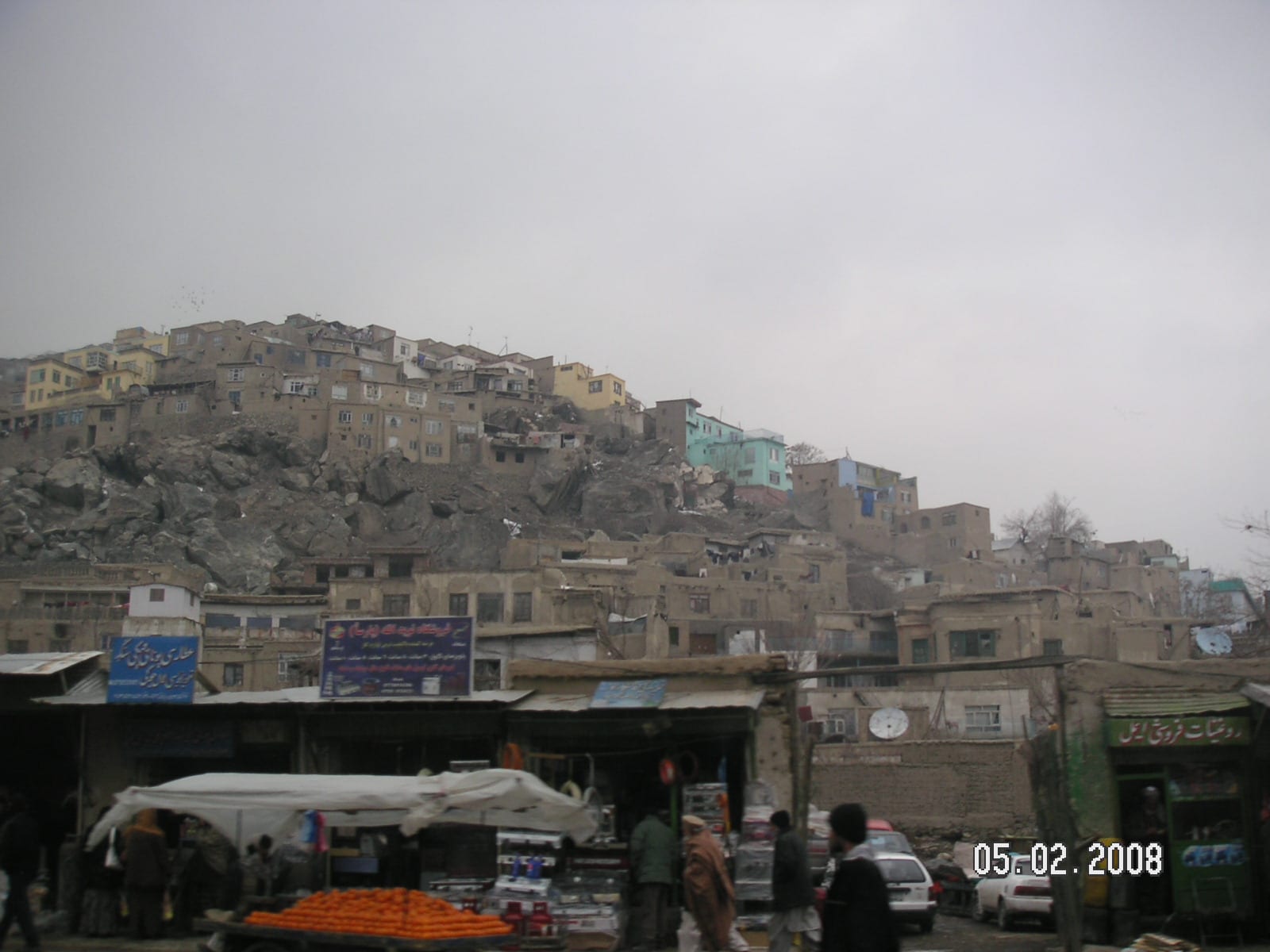
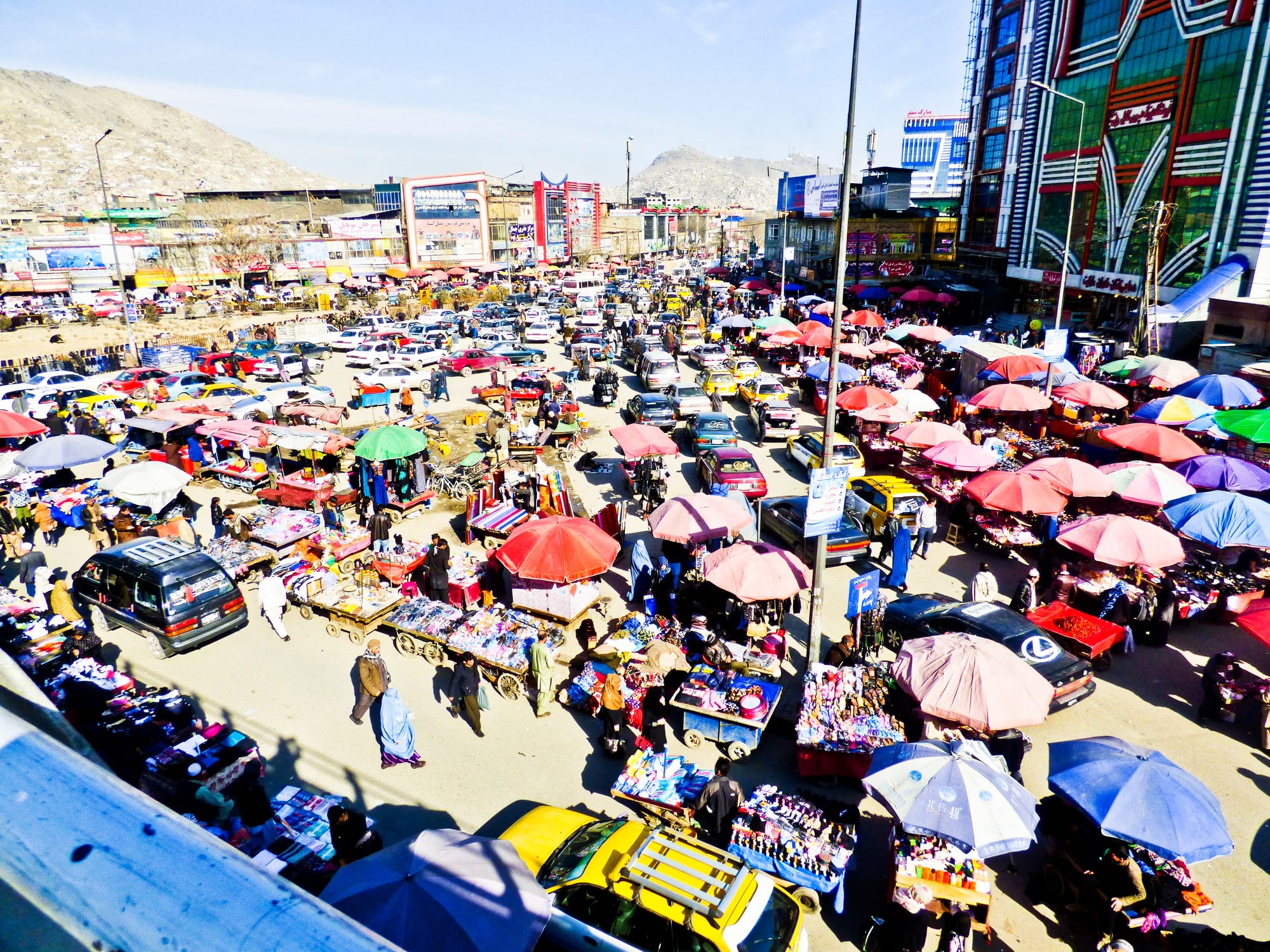
Bazaars remain the country's real public square, the place where produce, tools, cloth and prepared food are bought, and where much of an ordinary day's contact with anyone outside the household actually happens. Streets in Kabul and other cities are dense with market stalls, handcarts and small shops, while mosques anchor neighbourhood life beyond commerce, drawing men for five daily prayers. Since 2021, women's presence in these public spaces has narrowed considerably: edicts require a mahram, a male relative, to accompany women on longer journeys and in many public settings, and a 2024 law bars women's voices from being heard in public, changing what everyday public space actually looks like for half the population.
Free time and weekends
With Friday as the shared day off nationwide, weekends tend to centre on family visits, communal prayer and, where security and finances allow, trips to parks or picnic spots outside the city. Kite flying remains a widely recognised pastime, especially among boys, alongside buzkashi, the traditional game played on horseback that draws crowds in the north. For women, whose access to public recreation such as gyms and parks has been formally restricted since 2021, free time is now spent overwhelmingly within the home.
A visitor's ordinary day
Afghanistan runs on cash: the banking system has been severely disrupted since 2021, foreign cards and ATMs are effectively unusable, and travellers bring US dollars to exchange for afghanis locally. Shops and bazaars typically trade through the day and into the evening, most days of the week outside Friday prayer hours. Electricity supply is unreliable outside major cities, and mobile networks, rather than fixed infrastructure, carry most everyday communication. Public transport is informal, shared taxis and minibuses rather than fixed timetables, and getting around depends on negotiation rather than a posted fare.
What to take away
What defines an ordinary day in Afghanistan is less any single custom than how completely the household still organises it, and, since 2021, how much of that day has been redrawn specifically around what women are and are not permitted to do outside it.