Attractions & Natural Wonders · Afghanistan
Afghanistan: Ten Attractions and Natural Wonders
Blue lakes in the Hindu Kush, empty Buddha niches, leaning minarets, and a mountain corridor that touches China — the ten places that define Afghanistan for a traveller
By Worldlore Editorial · 9 September 2026
Ten places worth the journey
Afghanistan is not an easy country to travel in, and this list is written with that in mind. It is a country of very high mountains and very old cities, and almost everything remarkable about it comes from one of those two facts. The sights below range from a chain of impossibly blue lakes in the central highlands to a ruined university on the edge of Herat, with a good deal of empire in between.
Read the practical note at the end before you plan anything around these. Some of these places see a slow trickle of foreign visitors; others are, for now, effectively off-limits. All of them are worth knowing about.
1. Band-e Amir National Park
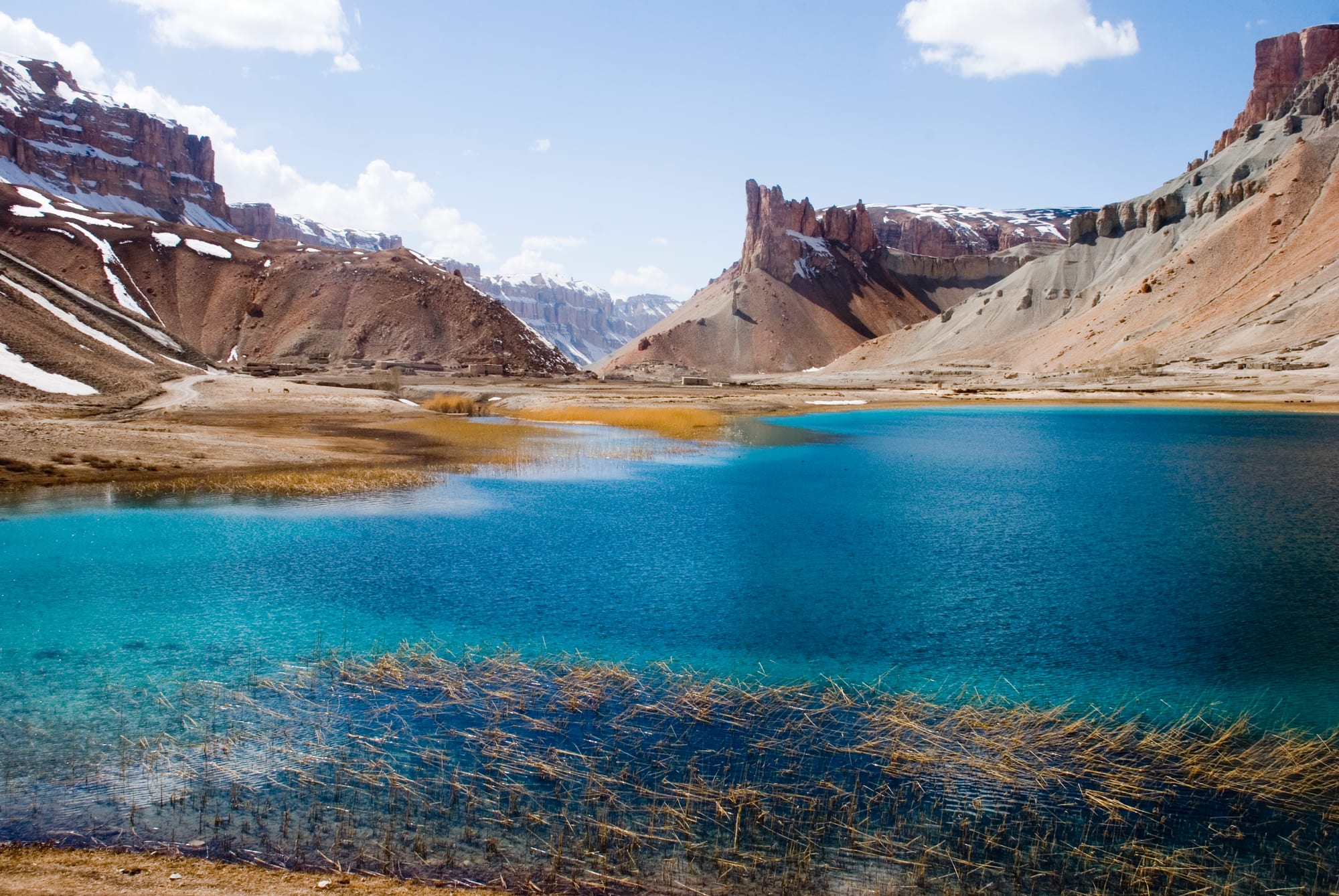
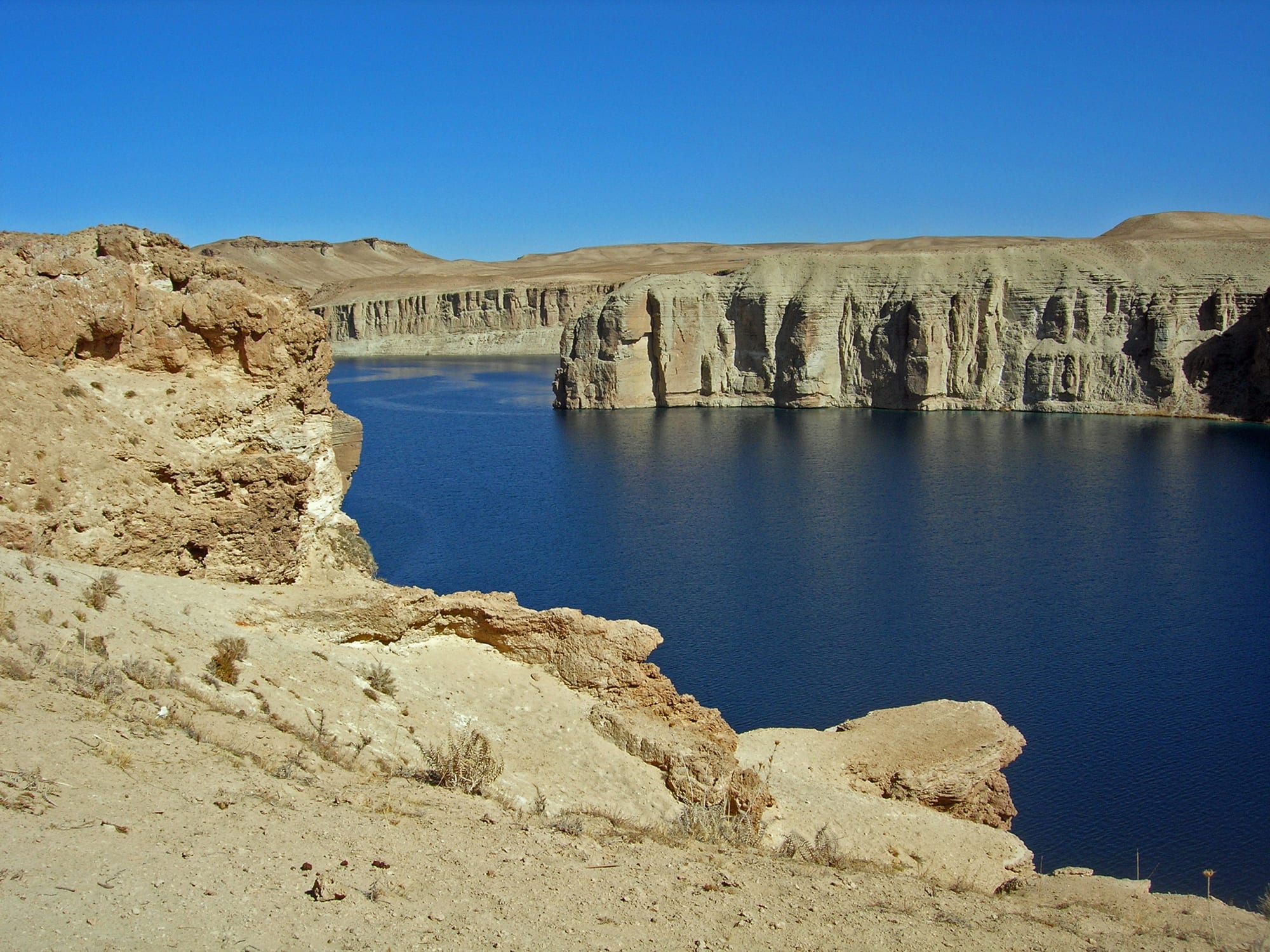
High in the mountains of Bamiyan Province, six deep-blue lakes sit in a stepped chain, each one held back from the next by a natural wall of travertine — a pale, chalky rock left behind by mineral-rich water over many thousands of years. The dams look built, but nothing here was made by people. The colour, an almost unreal blue and green, comes from the minerals dissolved in the water and the white rock underneath.
Band-e Amir became Afghanistan's first national park in 2009. It sits at around 3,000 metres, so the season is short: late spring through early autumn is the only comfortable window, and the road in from Bamiyan town takes two to three hours. For Afghan visitors it is as much a pilgrimage as an outing — there is a small shrine to Ali at the lakeside — and on a summer Friday you will see families picnicking and pedal-boats out on the water.
2. The Bamiyan Valley and the Buddha Cliffs
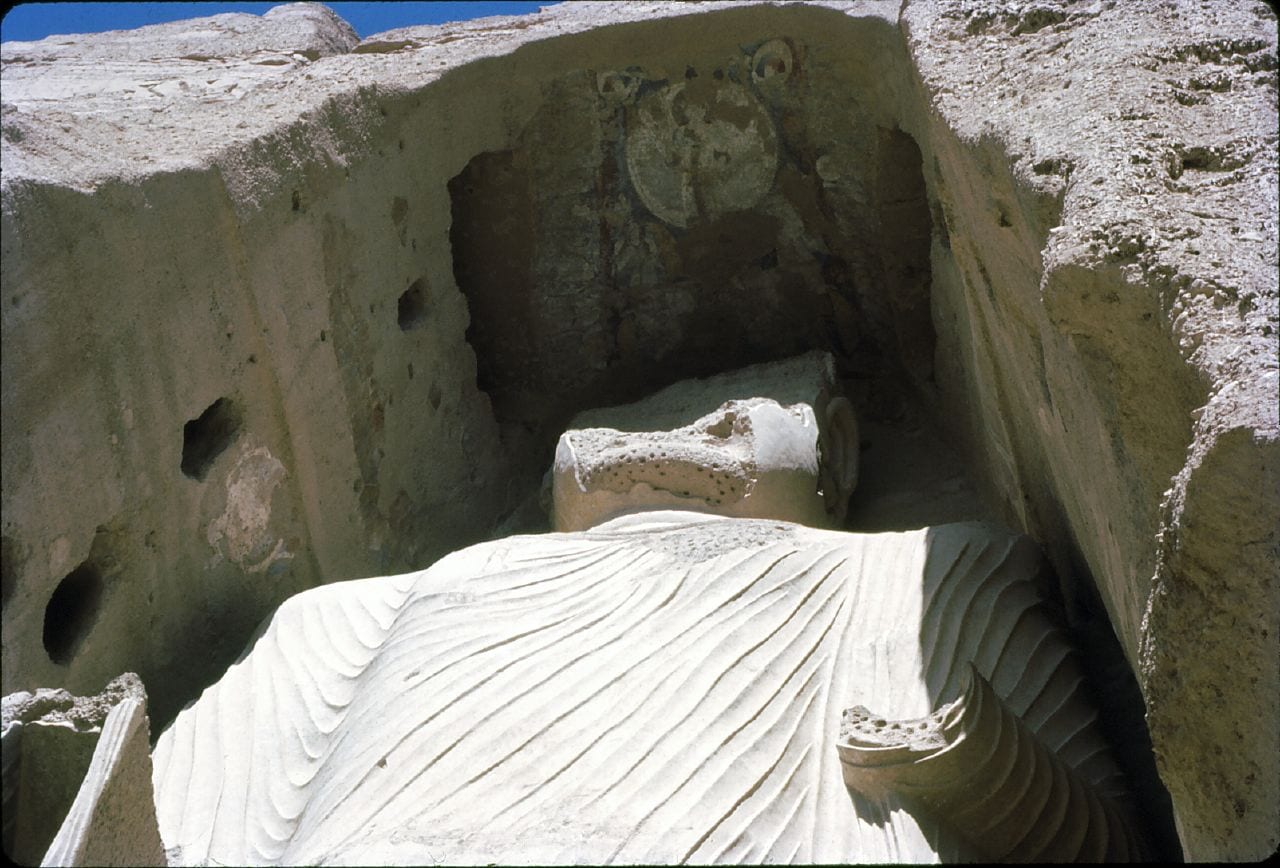
For about fourteen centuries, two colossal Buddhas — one roughly 55 metres tall, the other about 38 — stood carved into a cliff above the Bamiyan Valley, on a branch of the old Silk Road. The Taliban destroyed both with explosives in March
- What remains is still extraordinary: two vast empty niches, a cliff face
riddled with hundreds of monks' caves, some with faded painted ceilings, and the ruined mud fortresses of Shahr-e Zohak and Shahr-e Gholghola guarding the approaches.
The whole valley is a UNESCO World Heritage Site. It is also simply a beautiful place — a wide, quiet, high-altitude basin of poplar trees and wheat fields, and the heartland of Afghanistan's Hazara people. Bamiyan has long been one of the calmer corners of the country and briefly had a small tourism scene, including a ski race on the surrounding slopes.
3. The Minaret of Jam
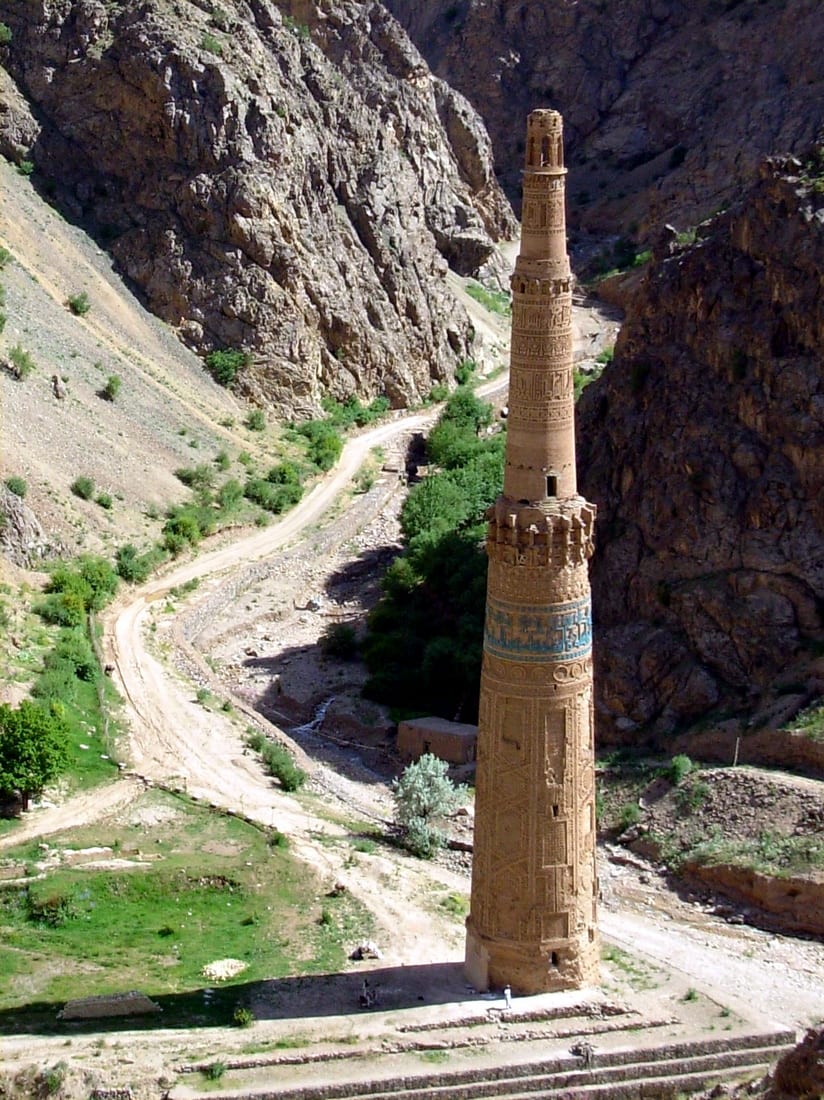
A 65-metre tower of patterned brick, built around 1190 by the Ghurid dynasty, standing completely alone at the bottom of a remote gorge in Ghor Province where the Hari and Jam rivers meet. It is thought to mark the site of Firozkoh, the Ghurids' lost summer capital. The entire surface is covered in geometric brickwork and a band of turquoise-tiled Kufic inscription — the complete text of one chapter of the Quran.
It was Afghanistan's first UNESCO World Heritage Site, listed in 2002, and it has been on the organisation's "in danger" list ever since, threatened by river flooding, a gradual lean, and illegal digging nearby. Reaching it means a hard multi-day drive from Herat or Kabul over unpaved mountain roads. Very few outsiders ever see it in person, which is part of why the photographs are so striking.
4. The Shrine of Hazrat Ali (the Blue Mosque), Mazar-i-Sharif
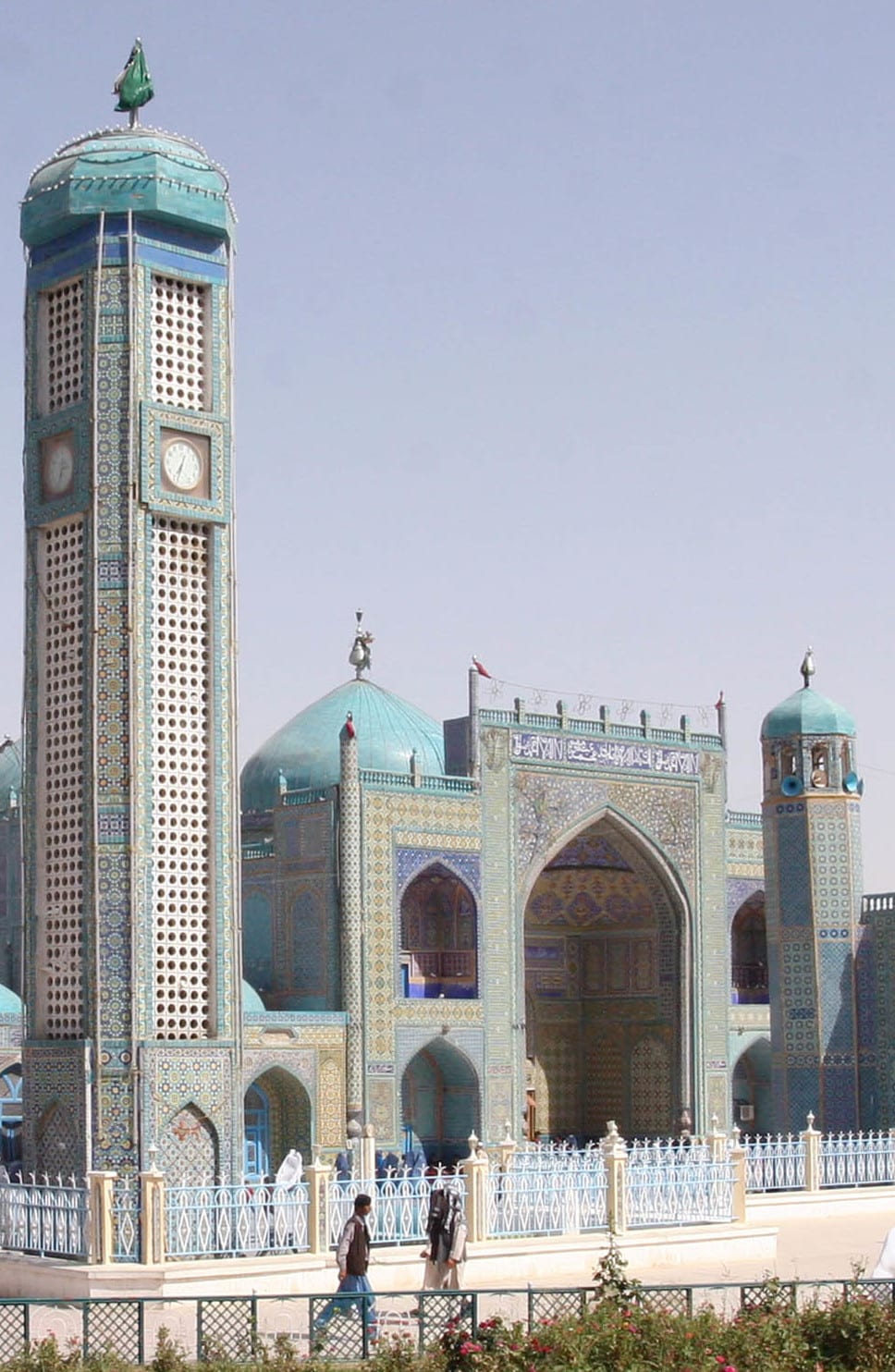
Many Afghans believe that Ali, the son-in-law of the Prophet Muhammad and a central figure for Shia Muslims, is buried here — a claim other traditions place in Iraq. The name of the city, Mazar-i-Sharif, means "noble shrine," and the city grew up around it. The building is a sprawl of domes and iwans under a skin of blue and turquoise tile, rebuilt and re-tiled many times since the 15th century.
The courtyard is famous for its flock of white pigeons, kept fed by visitors; local lore says any grey pigeon that joins them turns white within forty days. The shrine is the focus of Afghanistan's biggest Nowruz (New Year) gathering each March, when an enormous religious banner, the janda, is raised in the forecourt before a huge crowd.
5. The Great Mosque of Herat (Masjid-i Jami)
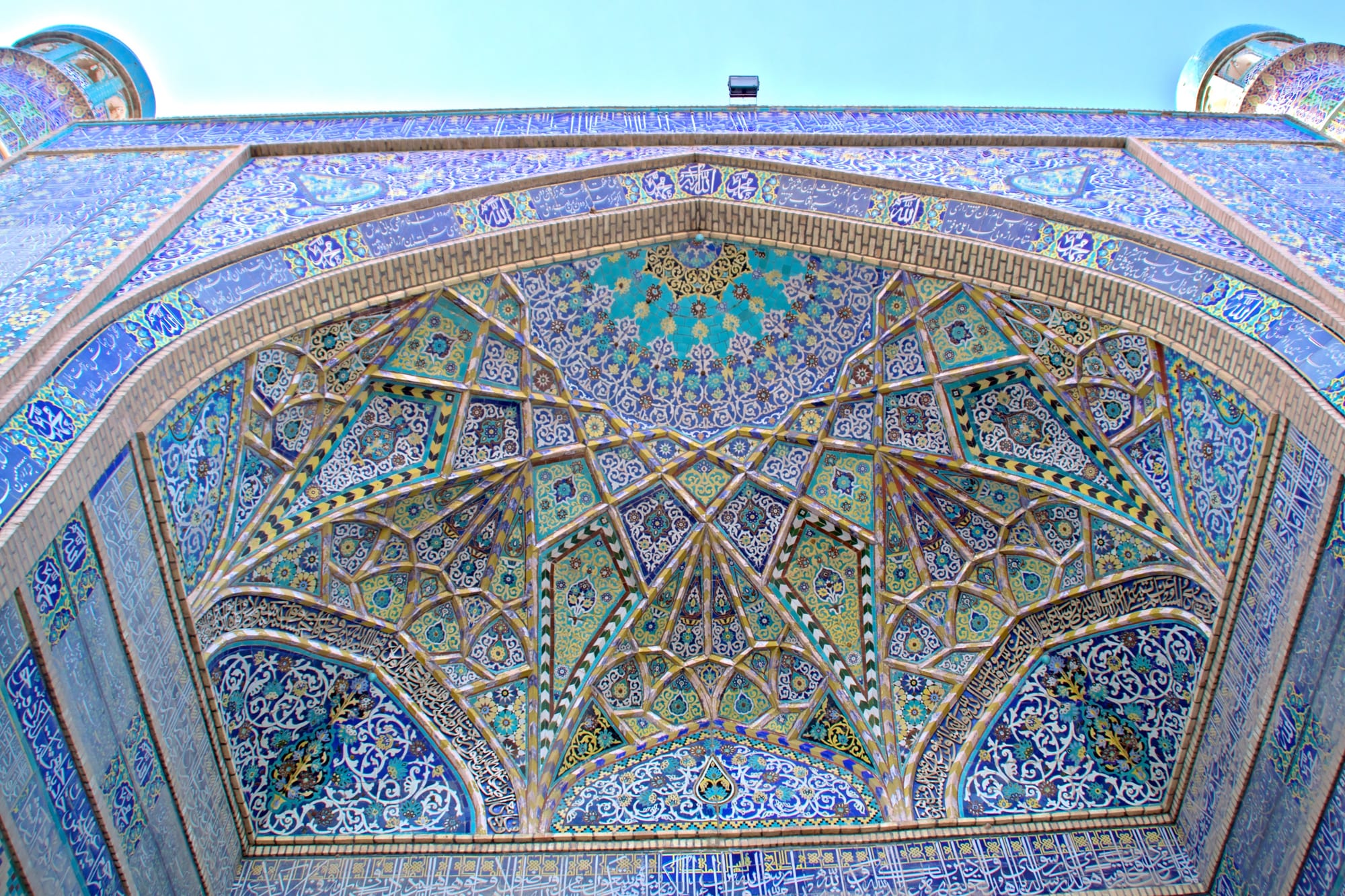
Herat's Friday Mosque was founded by the Ghurid sultan Ghiyath al-Din in 1200, on the site of earlier mosques going back to the first Muslim centuries, and it has been repaired, extended, and re-decorated in almost every era since. The result is a huge rectangular courtyard framed by four iwans, with the surviving Ghurid portal — one of the oldest parts — still carrying its original carved brick and inscription.
The mosque is covered, inside and out, in mosaic tilework in deep blues, greens, and gold. Since the 1940s it has kept its own tile workshop on the premises, turning out replacement tiles by hand in the traditional way, which is why the building looks so vividly maintained. It is a living mosque, busiest at Friday prayers; visitors are welcome outside prayer times and should dress conservatively.
6. The Citadel of Herat (Qala Ikhtyaruddin)
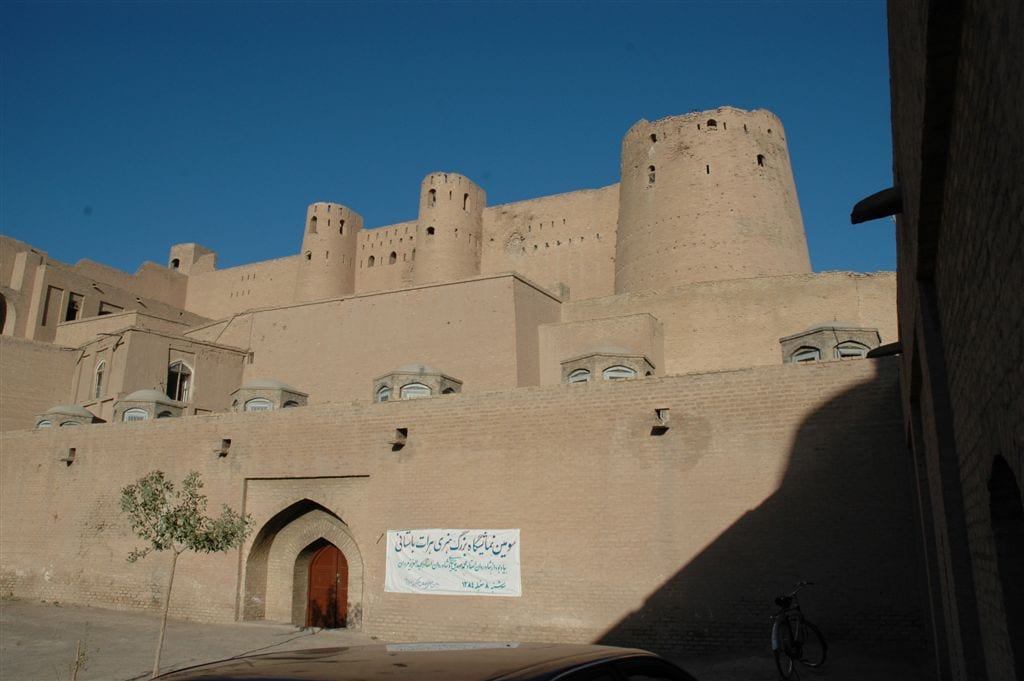
A massive fortress of packed earth and brick on a mound in the middle of Herat, with walls up to 30 metres high and a line of round bastions. Local tradition dates its first foundations to a garrison built by Alexander the Great in 330 BCE; the walls you see now are mostly Timurid, from the early 15th century, raised after Genghis Khan's Mongols levelled the earlier city.
The citadel was a barracks and a prison well into the 20th century and had fallen into serious disrepair by the 2000s. A long restoration, led with the Aga Khan Trust for Culture, stabilised the walls and opened part of the interior as a museum of Herat's history. From the ramparts you get the best overview of the old city and, on a clear day, the minarets of the Musalla complex to the north.
7. The Gardens of Babur (Bagh-e Babur), Kabul
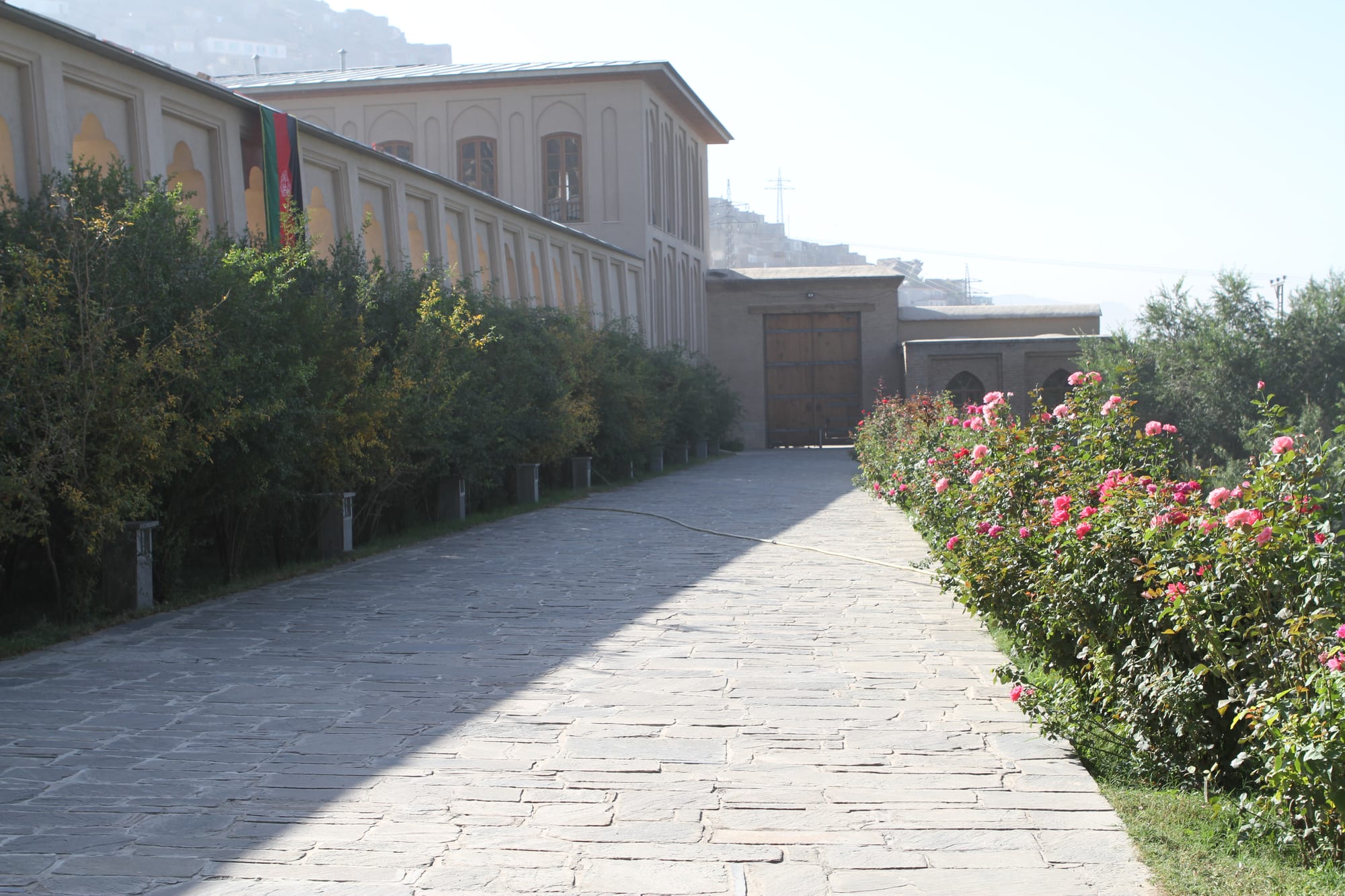
Babur, the Central Asian prince who founded the Mughal Empire in India, loved Kabul and laid out this terraced garden on a hillside in the early 1500s. He died in Agra in 1530 but, by his own wish, his body was eventually brought back here. His grave sits near the top of the slope, marked by a simple headstone and, higher up, a small white marble mosque added by his descendant Shah Jahan, the builder of the Taj Mahal.
The garden follows the classic Persian and Mughal pattern: straight terraces, a central water channel stepping downhill, plane and fruit trees, and a walled enclosure with a caravanserai. Badly damaged during the 1990s civil war, it was rebuilt from the 2000s by the Aga Khan Trust for Culture and is now one of the few calm, green public spaces in Kabul, popular with families on Fridays.
8. The Wakhan Corridor and the Pamir Mountains
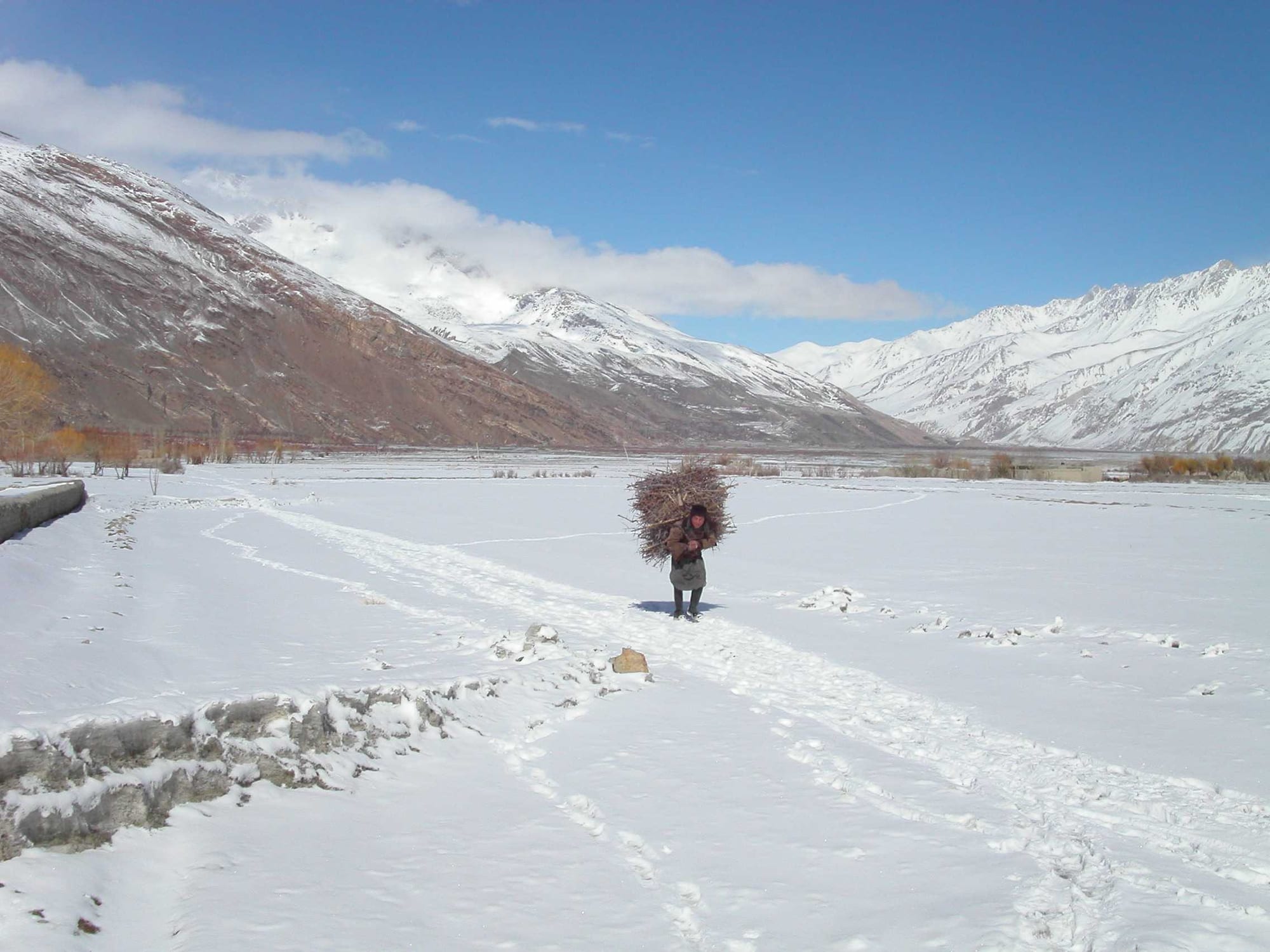
The Wakhan is the strange, thin finger of Afghan territory in the far north-east, wedged between Tajikistan and Pakistan and stretching almost to China. It was drawn on the map in the 1890s as a deliberate buffer between the Russian and British empires, and it has stayed remote ever since. Because it is so cut off, it also stayed peaceful through decades when the rest of the country was at war.
Travellers come here to trek. Trails follow the Wakhan and Pamir rivers past villages of Wakhi farmers, then climb onto the high summer pastures of the Pamir plateau, where Kyrgyz herders live in yurts above 4,000 metres. The great prize is the Big Pamir, home to Marco Polo sheep with their enormous spiralling horns. Trips need permits arranged in Ishkashim and a local guide, and they are strictly warm-season only.
9. The Panjshir Valley
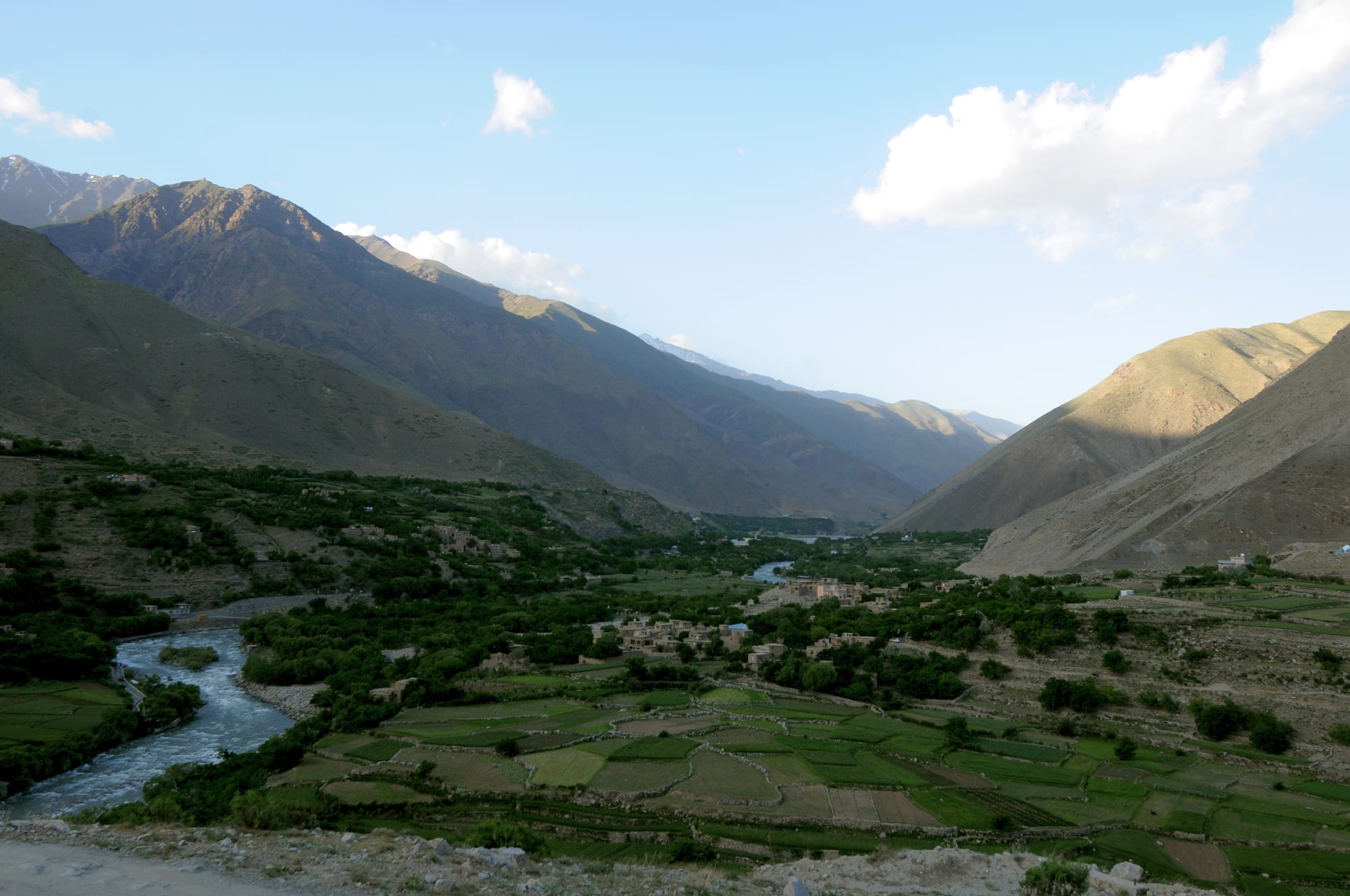
North of Kabul, the Panjshir River has cut a long, narrow, spectacular gorge into the southern Hindu Kush — bright green terraces and orchards on the valley floor, sheer bare rock rising straight up on both sides. The name means "five lions."
The valley is best known as the stronghold of Ahmad Shah Massoud, the guerrilla commander who held it against both the Soviet army in the 1980s and the Taliban in the 1990s, and who was assassinated two days before the 11 September 2001 attacks. His domed tomb stands on a bluff overlooking the river and is a place of pilgrimage for many Afghans. The valley also has Afghanistan's most famous emerald mines, worked in the hills above the road.
10. The Musalla Complex and Minarets of Herat
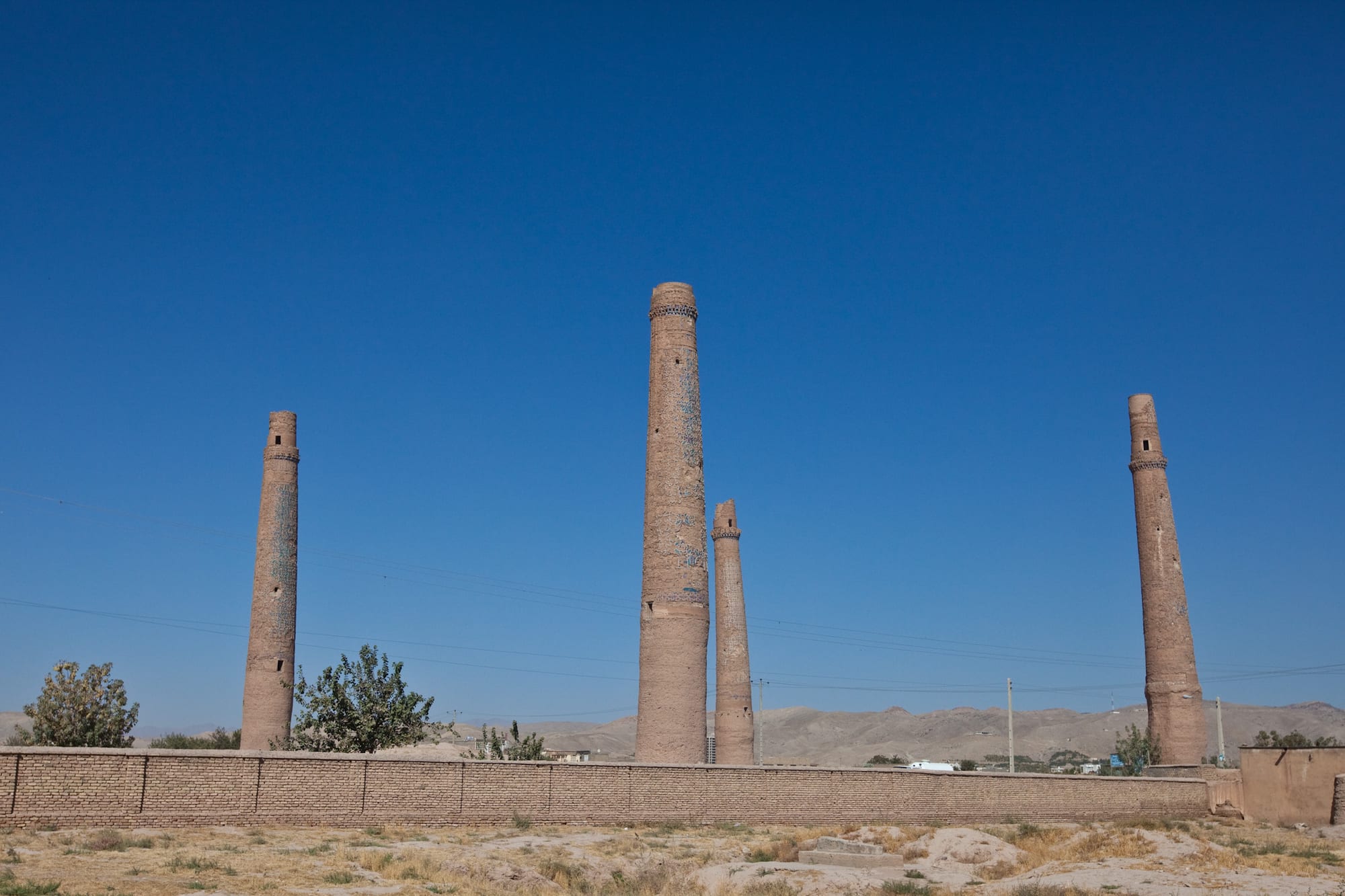
On open ground north of the old city stand a handful of tall, tiled minarets, several of them visibly leaning, scattered across a field with a single domed mausoleum among them. They are all that is left of the Musalla — an enormous complex of mosque, madrasa, and tombs built in the early 1400s under Gawhar Shad, the queen of the Timurid ruler Shah Rukh and one of the great patrons of her age.
Most of the complex was deliberately blown up by British-advised Afghan forces in 1885, to clear firing lines against a Russian army that never came. Earthquakes and the wars of the 20th century brought down more. What survives — Gawhar Shad's mausoleum with its ribbed turquoise dome, and the lonely minarets still wrapped in mosaic — is enough to suggest how staggering the whole thing once was.
Before you go: a practical note
This article describes what these places are, not a recommendation to visit them now. Since the Taliban returned to power in August 2021, most governments, including the US, UK, Canada, and Australia, advise against all travel to Afghanistan. There is little or no consular help available if something goes wrong, the risk of detention and kidnapping is real, and rules on movement, dress, and photography — especially for women, and for women travelling without a male relative — are strict and can change without notice.
If you still intend to go, travel is normally arranged through a specialist operator who handles permits, transport, and a local guide. Internal travel is by rough road or limited domestic flights; distances are long and slow. Never photograph people, checkpoints, military sites, or officials without clear permission. Carry cash in US dollars, dress conservatively, and build far more time into the itinerary than the map suggests. For most people, for now, these wonders are best explored through good writing and photographs — and kept on a list for a calmer future.