Culture & Customs · Afghanistan
Afghanistan: A Cup Kept Full
A faith that shapes almost every hour, a code of honour that binds family to family, and a duty of hospitality so deep that a guest's tea is refilled until a hand is placed over the cup
By Worldlore Editorial · 30 September 2026
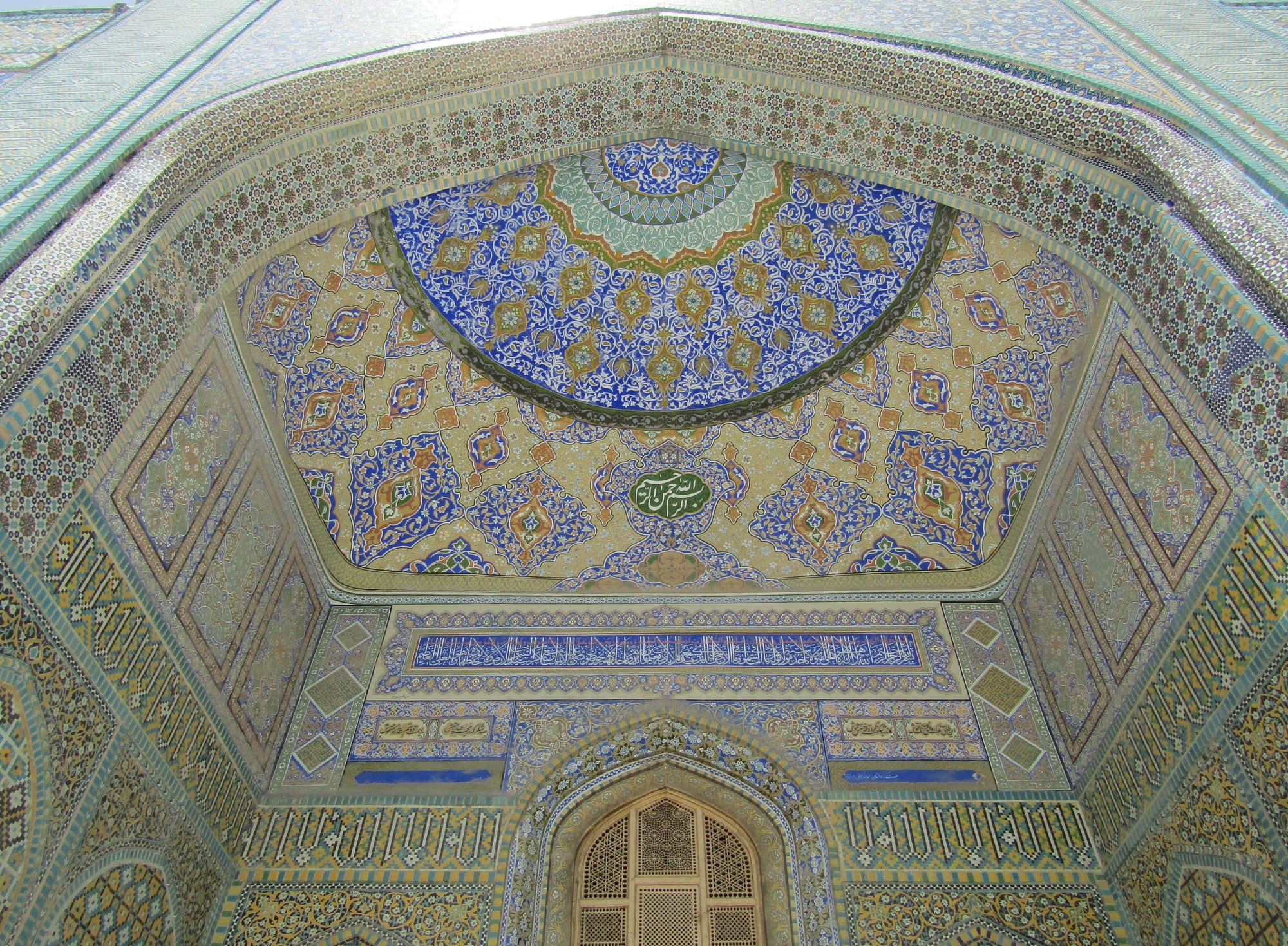
A visitor arrives at an Afghan home. Shoes come off at the door, and the guest waits to be shown where to sit: on cushions laid along the walls of a carpeted room, legs crossed, feet tucked away so that no sole points at anyone. Tea arrives almost before anyone has spoken, and the small cup is refilled each time it empties. It will go on being refilled until the guest places a hand over it. Nobody asks whether the visitor is hungry; food simply follows. In a country where so much else has been uncertain for so long, this sequence is remarkably constant, because the way a household treats a guest is taken as a measure of its honour.
Faith, identity and values
Islam is the official religion and runs through almost every part of life. Around 99.7 per cent of Afghans are Muslim. Most are Sunni, while the Hazara make up the largest Shia community; the size of the Shia share is disputed, with estimates ranging from under a tenth to about a fifth of the population. Faith shows in dress, in diet, in the rhythm of daily prayer and in ordinary speech, which is threaded with praise of God. Friday is the holy day, and the week turns on Friday prayers.
Beneath religion sit two further layers of identity. The first is family: in a country where state services have long been thin, people turn for help to relatives first, then to village, tribe and ethnic group, roughly in that order. The second is ethnicity, which acts as an instant marker of who someone is, since Pashtuns, Tajiks, Hazaras and Uzbeks each have their own customs and political histories. Binding these together is honour, meaning the reputation and worth of a person and, by extension, of the whole family. Because one person's conduct reflects on everyone related to them, a great deal of behaviour is shaped by the wish to protect that reputation. Among Pashtuns this is set out in Pashtunwali, the unwritten code whose duties include welcoming guests, giving sanctuary to those who ask for it and protecting the honour of female relatives; its principles carry weight well beyond Pashtun communities.
Communication shifts with the listener. Among peers Afghans can be frank, but with elders, and between men and women, speech becomes indirect and deferential. Articulate speakers are admired, and a well-turned phrase carries real weight.
Public life today is also governed by the Taliban authorities, who returned to power in 2021. A Law on the Propagation of Virtue and Prevention of Vice, published in 2024, requires women to cover their whole bodies, including their faces, in public and bars their voices from being heard there. It requires men to grow beards, prohibits playing music, including in vehicles, and restricts the publication of images of people. The United Nations has condemned the law, which is enforced by officials with broad powers to detain and punish. Criticising Islam carries serious risks. For visitors, conservative behaviour in public is not simply good manners but an expectation backed by law.
Greetings and meeting people
The standard greeting is "salam alaikum", "peace be upon you", often said with the right hand placed over the heart to show sincerity and respect. It is followed not by business but by a run of questions about health, family and work, asked and answered in turn before anything else is discussed. Hurrying through this exchange can come across as cold.
Between men, a handshake with the right hand is normal, and close friends and relatives may embrace, pat each other on the back and kiss on the cheeks. Deep respect may be shown by kissing someone's right hand or forehead. Between men and women who are not related, physical contact is avoided. A man waits for a woman to offer her hand, and if she does not, a hand on the heart with a slight nod is the proper alternative. Eye contact is kept to a minimum during greetings, especially between the sexes, as a sign of modesty.
In formal settings people are addressed by surname and title until invited to use first names. The courtesy title sahib follows the name, as in Hussaini Sahib, while a professional title comes before it, as in Dr Hussaini Sahib. Men do not ask other men about their female relatives unless they know each other well; a general enquiry after the family is the polite form.
Several gestures carry meanings visitors may not expect. A thumbs-up is considered rude, with much the same force as a raised middle finger, and the circled-finger "OK" sign can suggest the evil eye or something lewd. Winking at someone of the opposite sex is highly inappropriate. The left hand is associated with hygiene and is not used to offer or receive anything, and showing or pointing the soles of the feet at someone is a serious sign of disrespect.
Hospitality and being a guest
Hospitality is less a courtesy than a duty, and hosting a guest is regarded as an honour. Neighbours and friends often call without warning and are welcomed all the same. On arrival, shoes are removed and guests wait for the host to show them where to sit. In many homes men and women socialise in separate rooms.
Seating is usually on cushions on the floor. Guests sit cross-legged, avoid stretching their legs out and take care that the soles of their feet do not face or touch anyone. Refusing refreshments can be taken as disrespectful, so tea and whatever accompanies it are accepted, even if only a little is eaten. The host will keep topping up the cup until the guest covers it with a hand to show they have had enough.
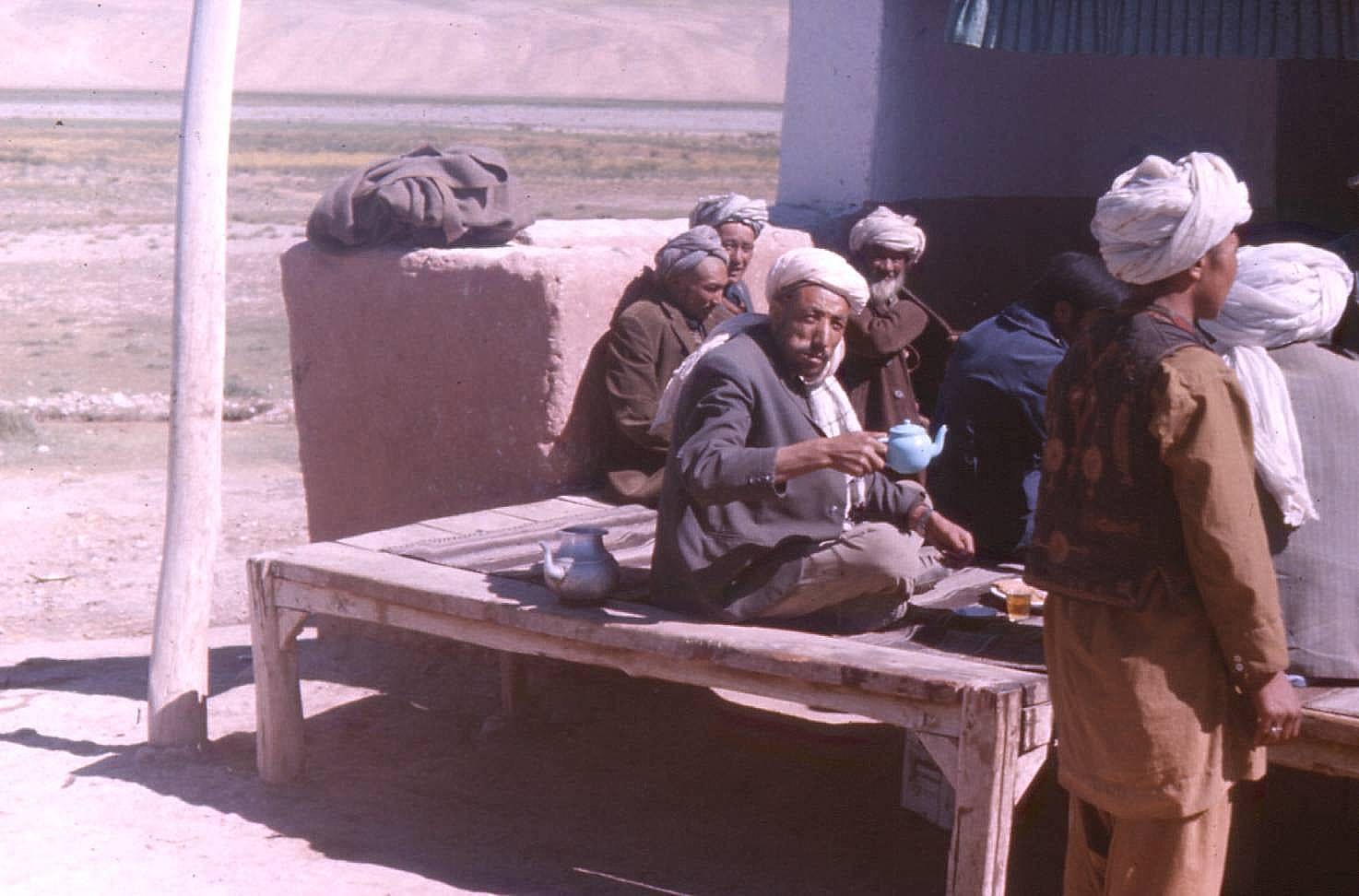
At meals, men and women usually eat separately, and diners share from common platters, taking food with the right hand. Leaving a little on the plate signals that the guest has been well fed; clearing it completely suggests they would like more, and more will come.
A gift is appropriate on a first visit or when invited for a meal. It is usually set down quietly to one side rather than presented with ceremony, and it should never include alcohol or anything made from pork. For weddings, green wrapping is considered suitable. During Ramadan, eating or drinking in front of people who are fasting in daylight hours is avoided. And when a man and a woman who are not related need to talk one to one, the door is left open.
Festivals and life's big moments
The two Eids anchor the religious year: Eid al-Fitr at the end of the fasting month of Ramadan, and Eid al-Adha, the feast of sacrifice. The day begins with special prayers in mosques or on large open grounds. New or freshly made clothes are worn, and afterwards families visit relatives, neighbours and friends, so that homes fill with guests from morning to night. Children look forward to eidi, small gifts of money from adults, while sweets and gifts are exchanged and food and clothing are shared with those who have less.
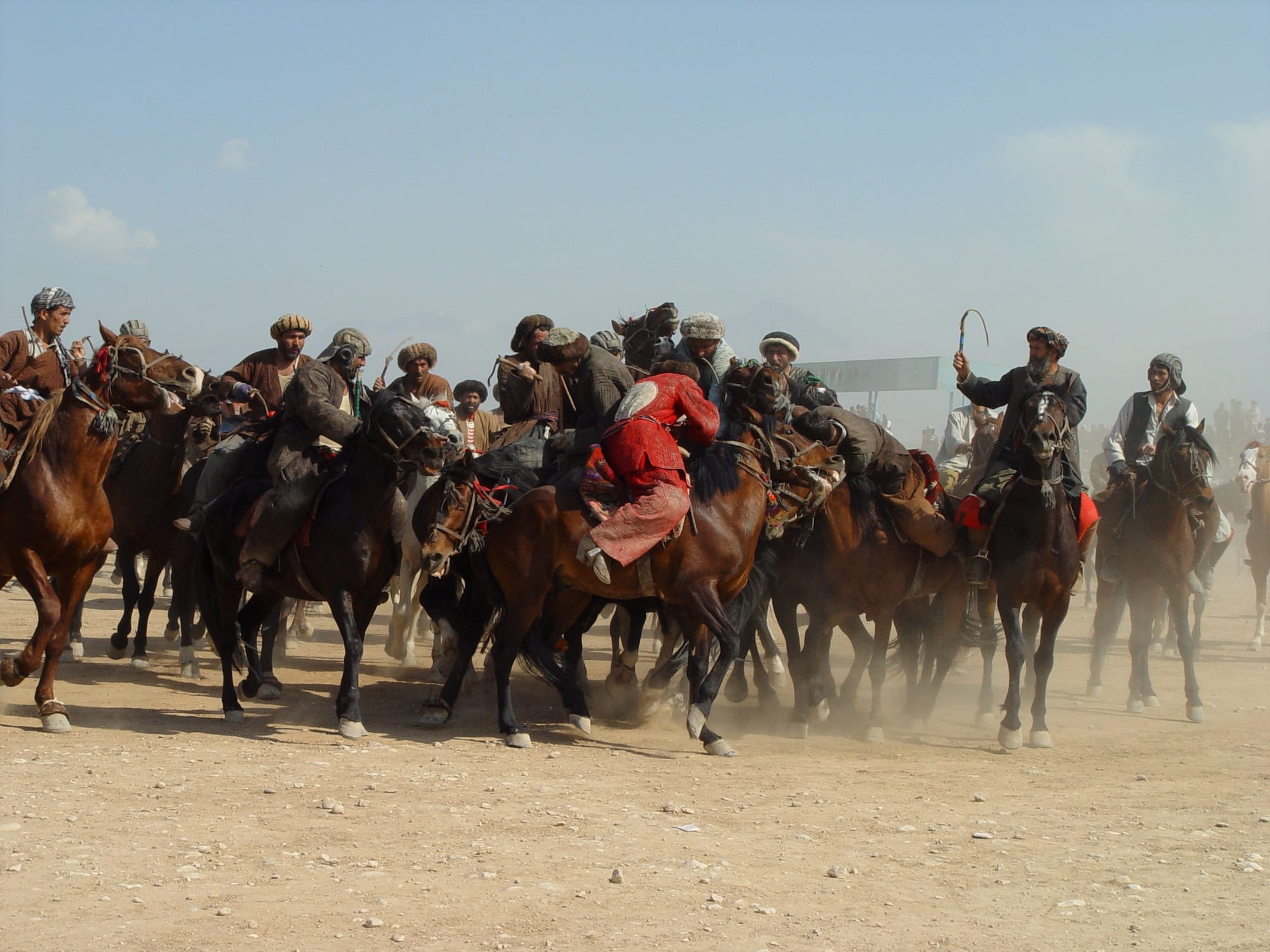
Nowruz, the Persian New Year at the spring equinox, was for generations a major holiday, marked with family picnics, food fairs, new clothes, flag-raising ceremonies and dishes prepared only for the occasion. The Taliban authorities have removed it as a public holiday and hold no official celebrations. Officials have said people may still mark it privately, but with music banned, women barred from parks and hardship widespread, many Afghans say the festival has lost much of its spirit. Nowruz has also traditionally been marked with tournaments of buzkashi, the mounted game in which riders battle for a goat or calf carcass, as at Mazar-i-Sharif; matches are often played on Fridays.
Weddings are family undertakings. Marriages are usually arranged, with parents weighing the standing, means and connections of the other family, and most take place within the same tribe or ethnic group. The first approach is made discreetly, often through the women of the groom's family, and once both sides agree, the financial terms, including the dowry, are negotiated before the engagement is announced and celebrated. The wedding itself is paid for by the groom's family and may last a single night or up to three days, during which the marriage contract, the nikah, is signed. Music has long been at the heart of the celebration. When the authorities banned it from wedding halls in the capital in 2023, one hall manager asked what, without music, would separate a wedding from a funeral.
Mourning is long and communal. Relatives, neighbours and acquaintances gather to offer condolences, and observances customarily follow on the third day after a death, on Fridays, on the fortieth day and on the anniversary. Bereaved families have traditionally fed visitors during the first three days, given alms, handed out copies of the Quran and draped coffins in cloths inscribed with Quranic verses. Citing extravagance, Taliban-appointed clerics began curbing these customs in Balkh province in 2025, confining gatherings to the family home, limiting women's attendance to close relatives and directing that neighbours, not the bereaved, provide the food.
Arts, crafts and music
Poetry is the art Afghans hold closest, and alongside the classical Persian tradition runs a folk form of striking directness: the landay. A landay is a poem of just two lines and 22 syllables, passed from mouth to ear rather than written down, and composed and traded among Pashtuns, with women's landays among the best known. Anonymous and often sharp, landays deal with love, marriage, loss, war and grief, and with a frankness that everyday life rarely permits.
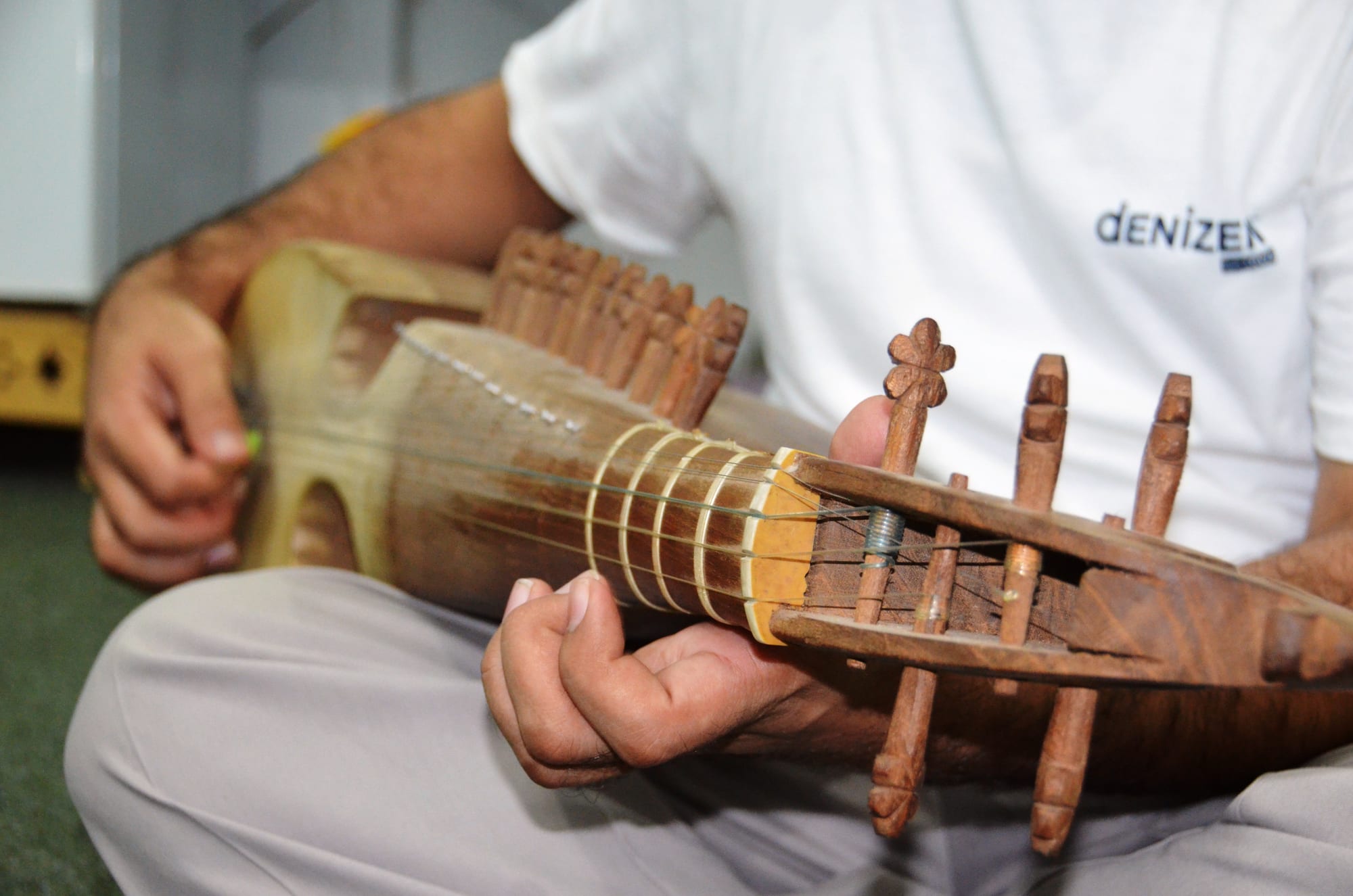
Music has been central to celebration for centuries, and the rubab is its emblem. Made from dried mulberry wood and often inlaid with mother-of-pearl, it has been played at weddings, funerals, social gatherings and in ritual healing, and master players have been treated as respected elders. Since 2021, however, the authorities have treated music as corrupting. Music schools have closed, music has disappeared from radio and television, instruments have been confiscated and destroyed, and many professional musicians have left the country. Some makers and players carry on quietly, determined to pass the tradition on.
Traditional crafts remain a source of pride and, for many families, of income, much of it earned by women. Hand-knotted carpets, woven from locally spun wool coloured with natural and mineral dyes, are the best known, and weavers have long chanted poems as they gather at the loom. Woodcarvers make lattice screens in which slivers of wood are fitted together without nails into geometric patterns that play with the light passing through them. Calligraphy, miniature painting, ceramics and jewellery set with lapis lazuli complete the repertoire, and organisations such as Turquoise Mountain have spent years training new artisans in these skills.
Dos and don'ts for visitors
- Do greet with "salam alaikum" and a hand on the heart, and let a woman decide whether to offer her hand.
- Do remove shoes on entering a home, sit cross-legged and keep the soles of the feet out of sight.
- Do check the latest government travel advice before any trip; many governments advise against all travel to Afghanistan.
- Do accept the tea offered, use the right hand to eat, give and receive, and cover the cup with a hand when enough has been drunk.
- Do dress very conservatively and check the current rules before travelling; dress in public, especially for women, is regulated by law.
- Don't give a thumbs-up or make the "OK" sign, both of which are read as insults.
- Don't photograph people, and especially women, without asking first.
- Don't ask a man about his wife or daughters, and don't eat or drink in public during Ramadan daylight hours.
What to take away
Afghan manners turn on honour, the family's as much as one's own, and a visitor who accepts the tea, respects the line between men and women and answers a hand on the heart in kind will find that the old duty of hospitality has outlasted a great deal.