Food · Yemen
Yemen: Food and the National Dish
Rice cooked beneath roasting meat in an underground pit, an ancient technique still used across the country today
By Worldlore Editorial · 16 September 2026
A cuisine shaped by an ancient underground cooking method
Yemeni food carries genuine roots in the Arabian Peninsula's oldest cooking traditions, with one dish built around an underground pit technique that has remained largely unchanged for centuries, cooking rice beneath meat so it absorbs the dripping juices as it roasts.
The national dish: mandi
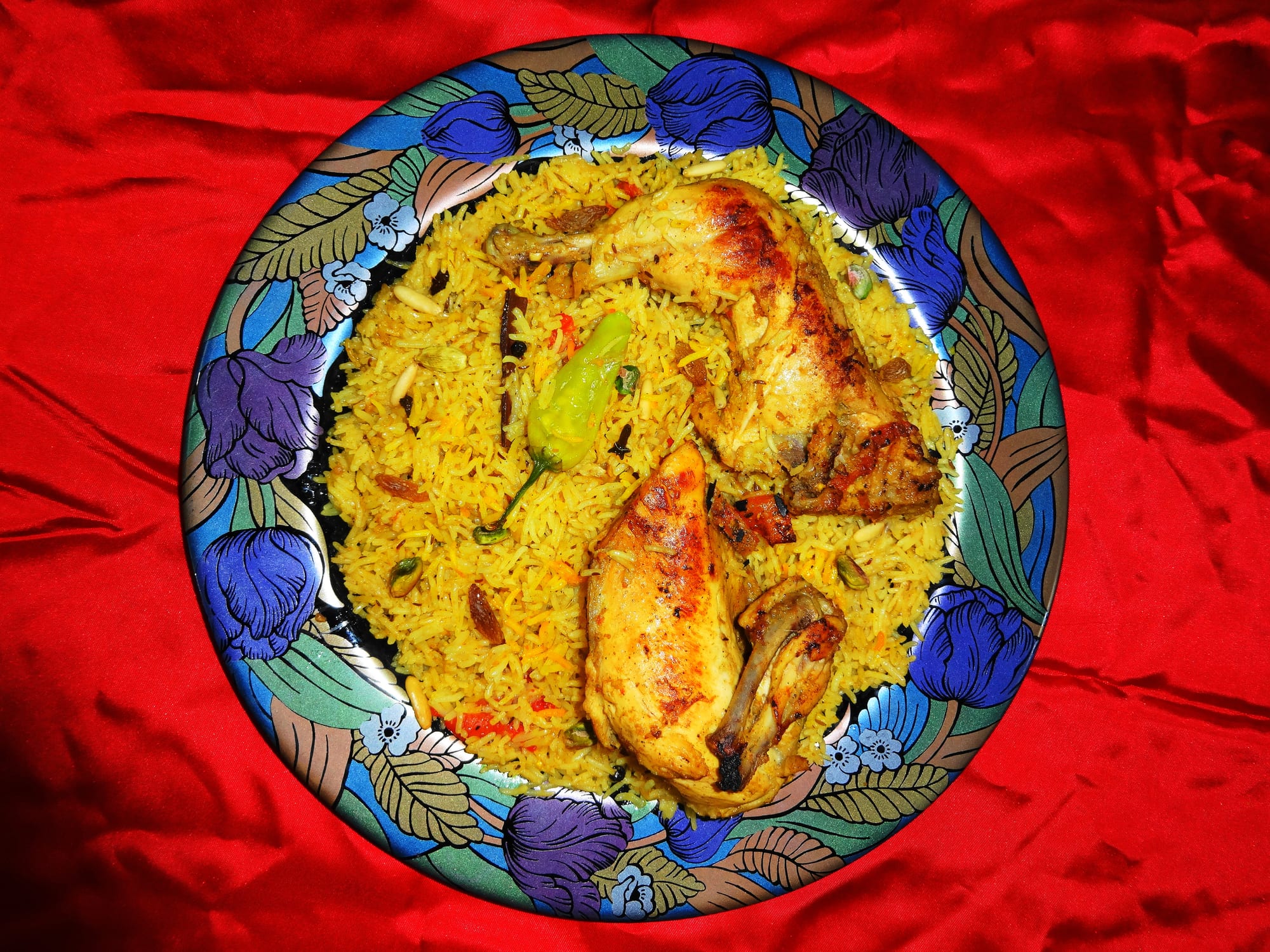
Mandi, meat, usually lamb or chicken, slow-roasted in a covered underground pit, with rice cooked beneath it to absorb the meat's juices, is Yemen's national dish. Traditionally cooked over hot coals lining the pit and covered to trap the heat, mandi has genuine ancient roots in Yemeni and wider Arabian Peninsula cooking, and has spread in recent decades to become popular across the wider Gulf region.
Rice, lamb and a genuinely spice-forward pantry
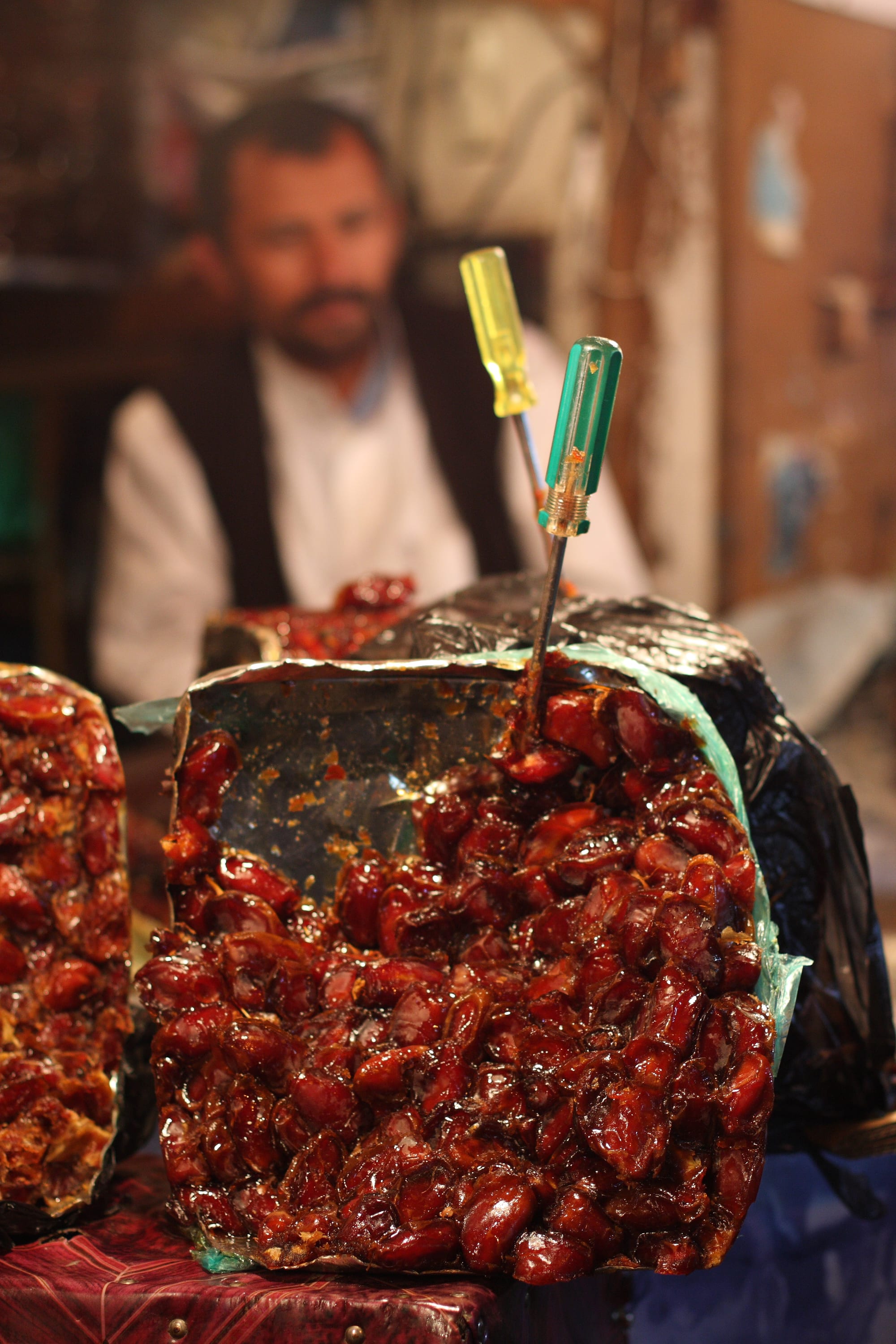
Rice, lamb and a spice base including cardamom, cumin and saffron anchor much of Yemeni cooking, alongside coffee, which Yemen holds a genuine historical claim to as one of the earliest places to cultivate the crop commercially. Flatbread and honey, prized as a high-quality Yemeni export, round out a pantry shaped by the country's position along historic Red Sea and Arabian Peninsula trade routes.
History behind the pit
Mandi's underground pit-cooking method traces back centuries in Yemen and the wider southern Arabian Peninsula, a technique that predates modern ovens and remains genuinely preferred for the way it lets meat juices flavour the rice cooking beneath it. Yemen's Mocha port, meanwhile, gave its name to coffee traded through it historically, reflecting the country's real early role in the global coffee trade centuries before the crop spread elsewhere.
Dishes to know
Four more to recognise across Yemen:
- Saltah — a stew of meat, vegetables and a fenugreek foam topping,
often considered a genuine national comfort food.
- Yemeni honey — prized internationally for its quality, a real
point of national economic pride.
- Zurbian — spiced rice with meat, similar to biryani, reflecting
historic Indian Ocean trade connections.
- Bint al-sahn — a layered, honey-drizzled pastry, a traditional
Yemeni dessert.
Drinks
Coffee, reflecting Yemen's genuine historical role in the crop's early trade, remains a significant national drink, often prepared with ginger or cardamom. Qishr, a drink made from coffee husks rather than the beans themselves, is a genuinely distinct Yemeni tradition, and tea is also widely consumed.
Eating as a traveller
Halal food is the default across Yemen, and vegetarians will find rice and vegetable-based dishes more limited given meat's central role in mandi and most traditional cooking. Bottled water is the sensible default given the country's current infrastructure challenges. Trying mandi cooked in the traditional underground pit style, where available, offers a genuine taste of the technique behind the dish.
What to take from the table
Mandi, cooked in an underground pit using a technique centuries old, is the dish that most directly reflects Yemen's food story: patient, ancient cooking method still practised much as it always has been.