Attractions & Natural Wonders · Yemen
Yemen: Four Attractions and Natural Wonders
A 16th-century mud-brick city nicknamed the 'Manhattan of the Desert,' an island so evolutionarily isolated a third of its plant species exist nowhere else on earth, and an ancient capital of tower houses that has survived a millennium of history — described here for reference amid one of the world's most severe ongoing humanitarian crises
By Worldlore Editorial · 9 September 2026
Ancient civilisation, and a country devastated by war
Yemen holds some of the Arabian Peninsula's oldest and most architecturally distinctive cities, along with an island so isolated by evolution that much of its plant life exists nowhere else on earth. This deep history now sits alongside one of the world's most severe ongoing humanitarian crises: a civil war that began in 2014-2015 has killed hundreds of thousands of people directly and indirectly, displaced millions, and left much of the country in urgent need of humanitarian assistance, with no durable political resolution yet reached.
The four sights below are described for reference and cultural context, not as a current travel recommendation — read the note at the end before treating any of this as a travel plan.
1. The Old City of Sana'a
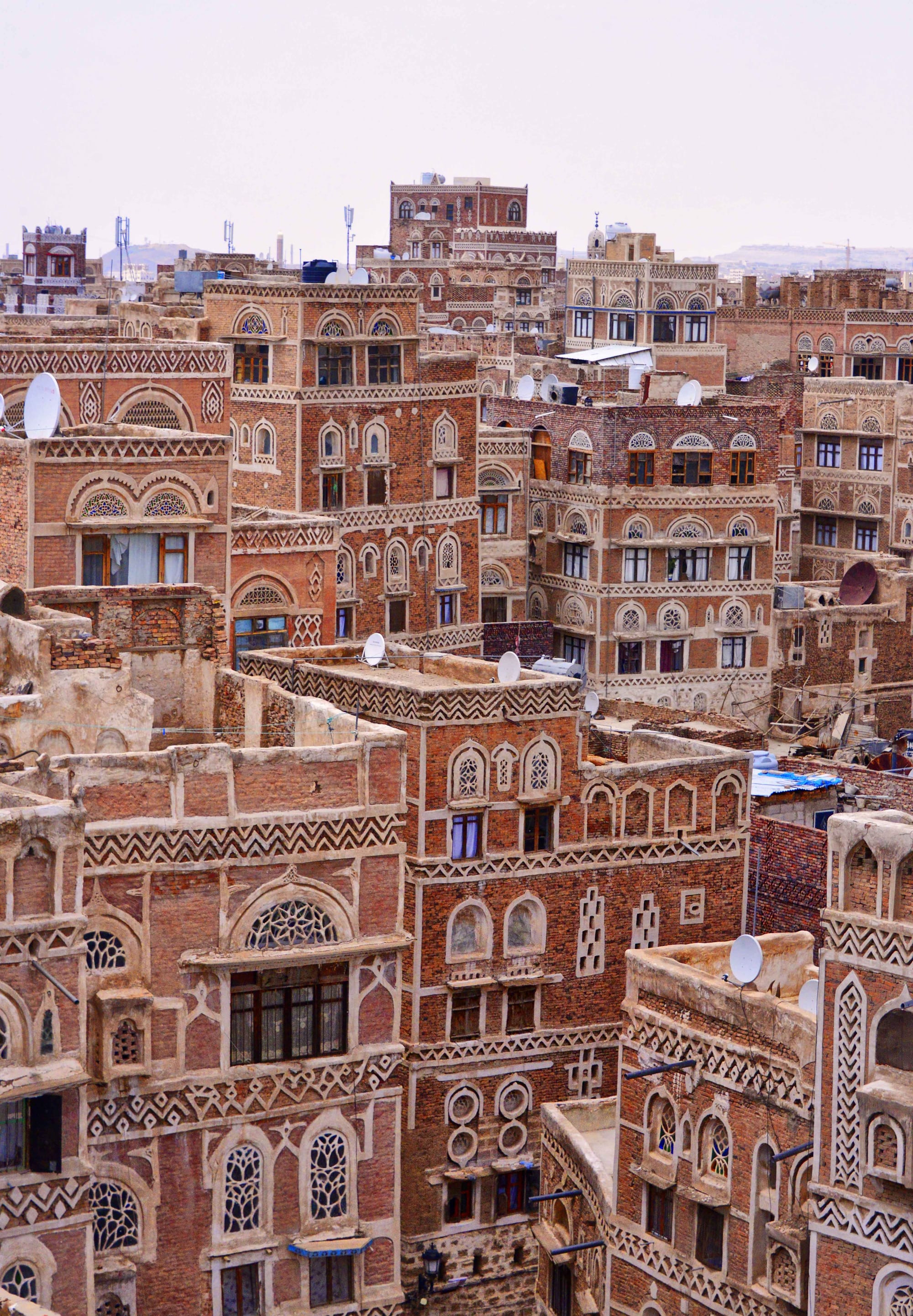
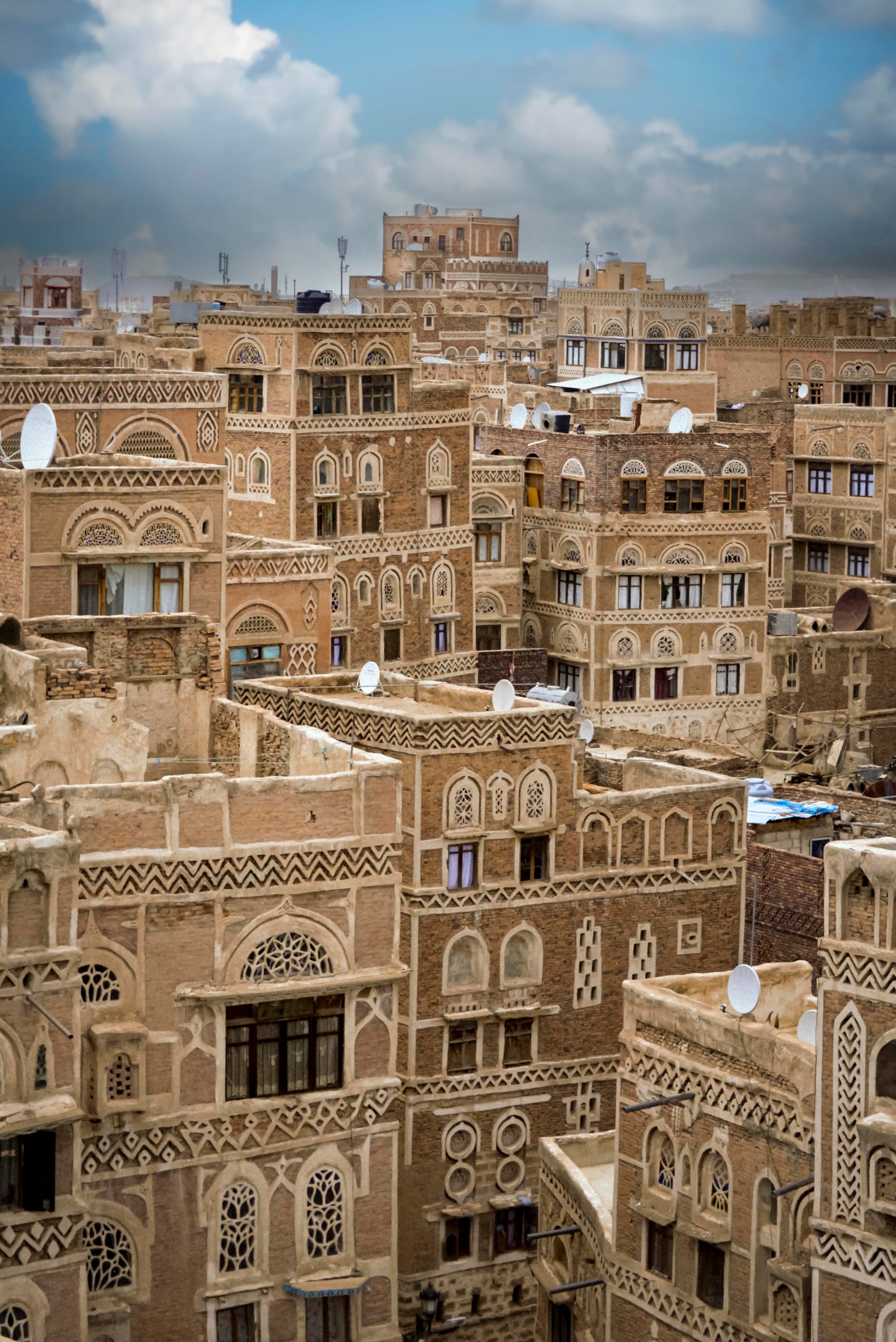
The Old City of Sana'a, inhabited for over 2,500 years, holds one of the oldest surviving examples of vertical urban architecture in the world — multi-storey tower houses built from rammed earth and burnt brick, decorated with distinctive white gypsum geometric friezes around their windows. A UNESCO World Heritage Site, it has suffered damage from the ongoing conflict, including airstrikes that have destroyed or damaged parts of the historic fabric.
2. Socotra
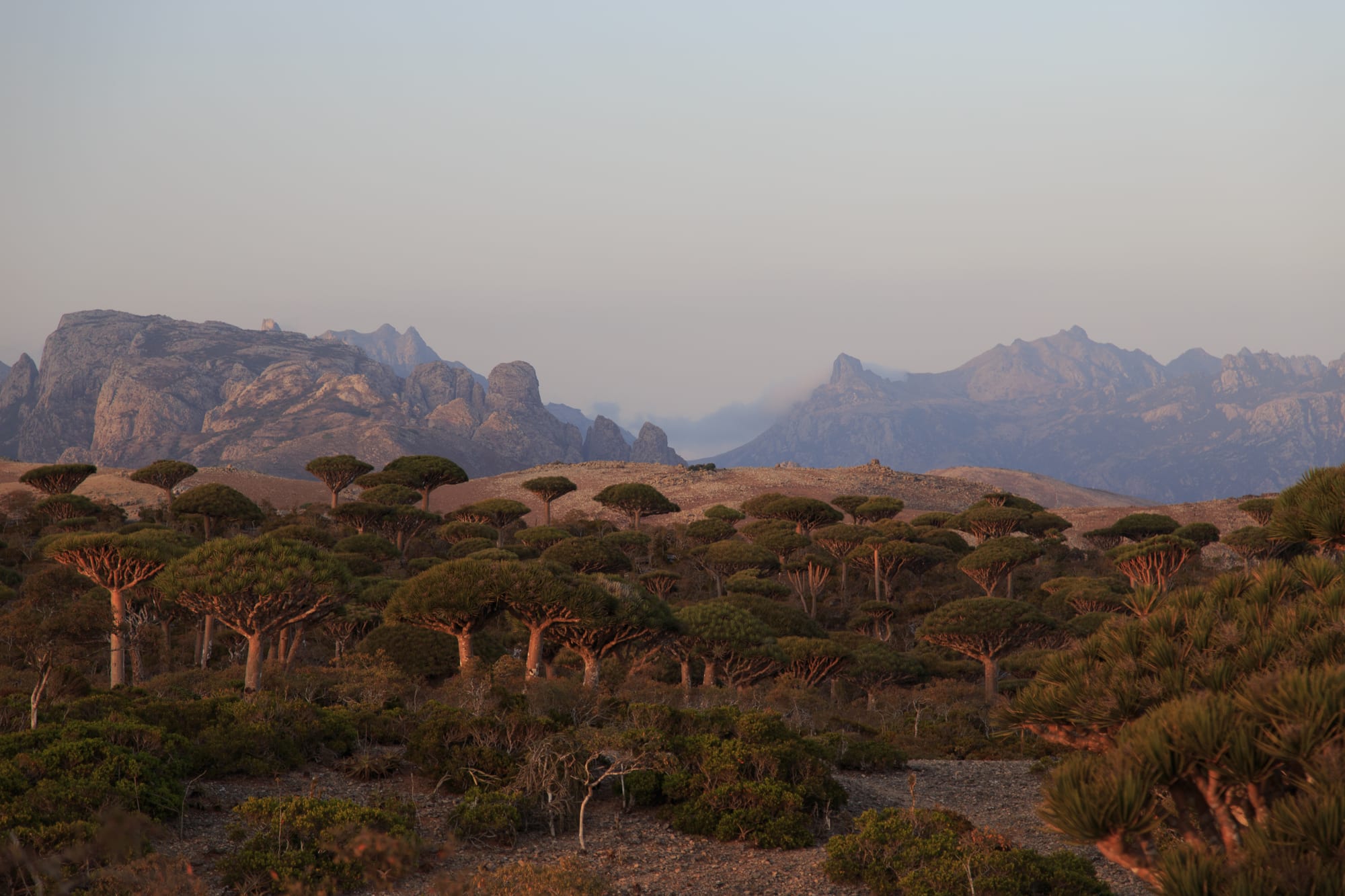
Socotra, an island in the Arabian Sea so isolated it has been called the "Galápagos of the Indian Ocean," holds an extraordinary concentration of endemic species, including the umbrella-shaped dragon's blood tree, found nowhere else on earth. A UNESCO World Heritage Site, Socotra has remained relatively insulated from the worst of the mainland conflict, though its own political status has been contested at various points during the war, with periods of control by separatist forces backed by the United Arab Emirates.
3. Shibam
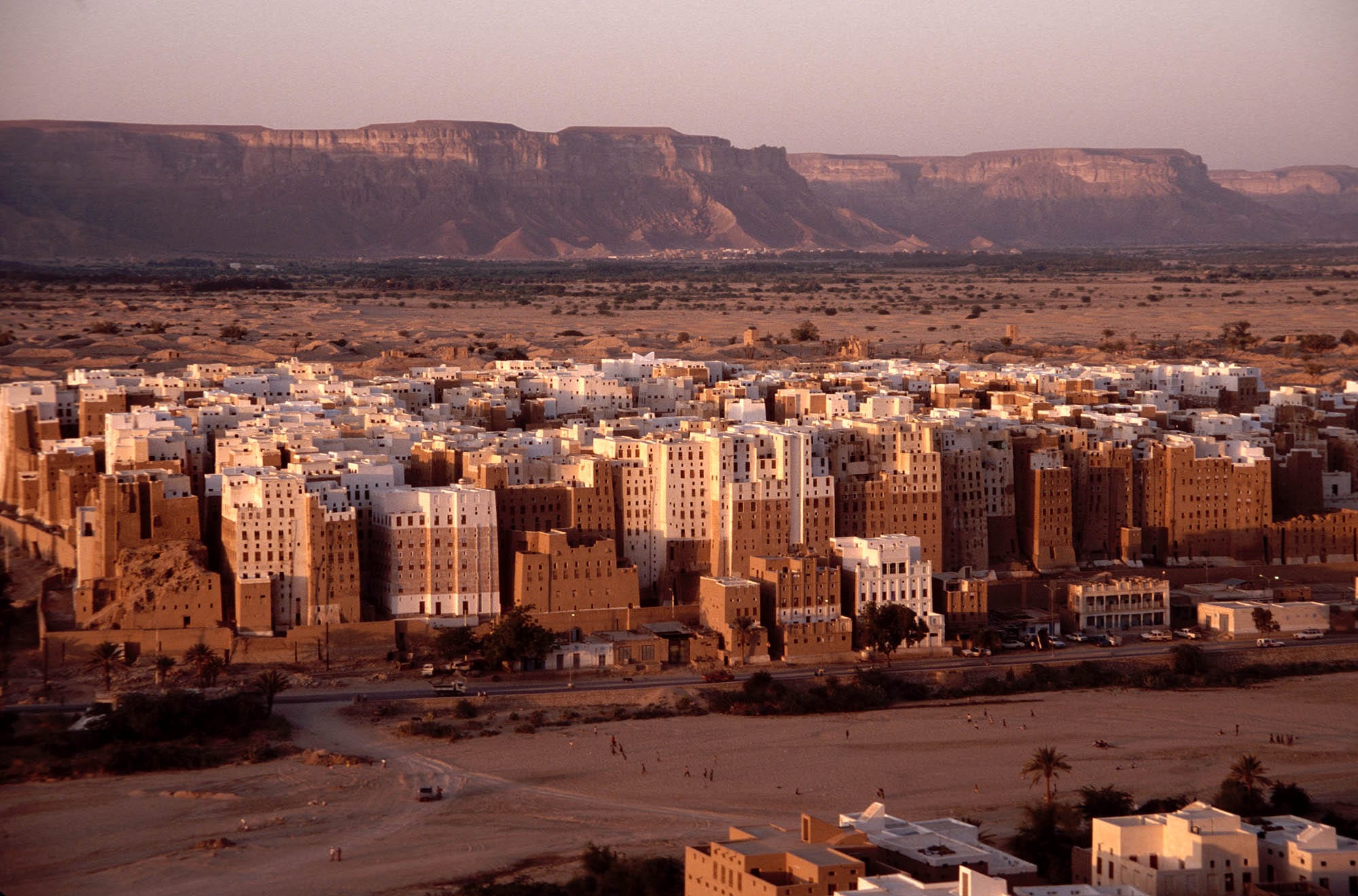
Shibam, in the Wadi Hadhramaut valley, is often nicknamed the "Manhattan of the Desert" for its dense cluster of mud-brick tower houses, some reaching seven or eight storeys, built as a defensive strategy centuries before modern skyscrapers existed. A UNESCO World Heritage Site, it remains one of the oldest and most striking examples of urban planning for vertical density anywhere in the pre-modern world.
4. Socotra's unique flora
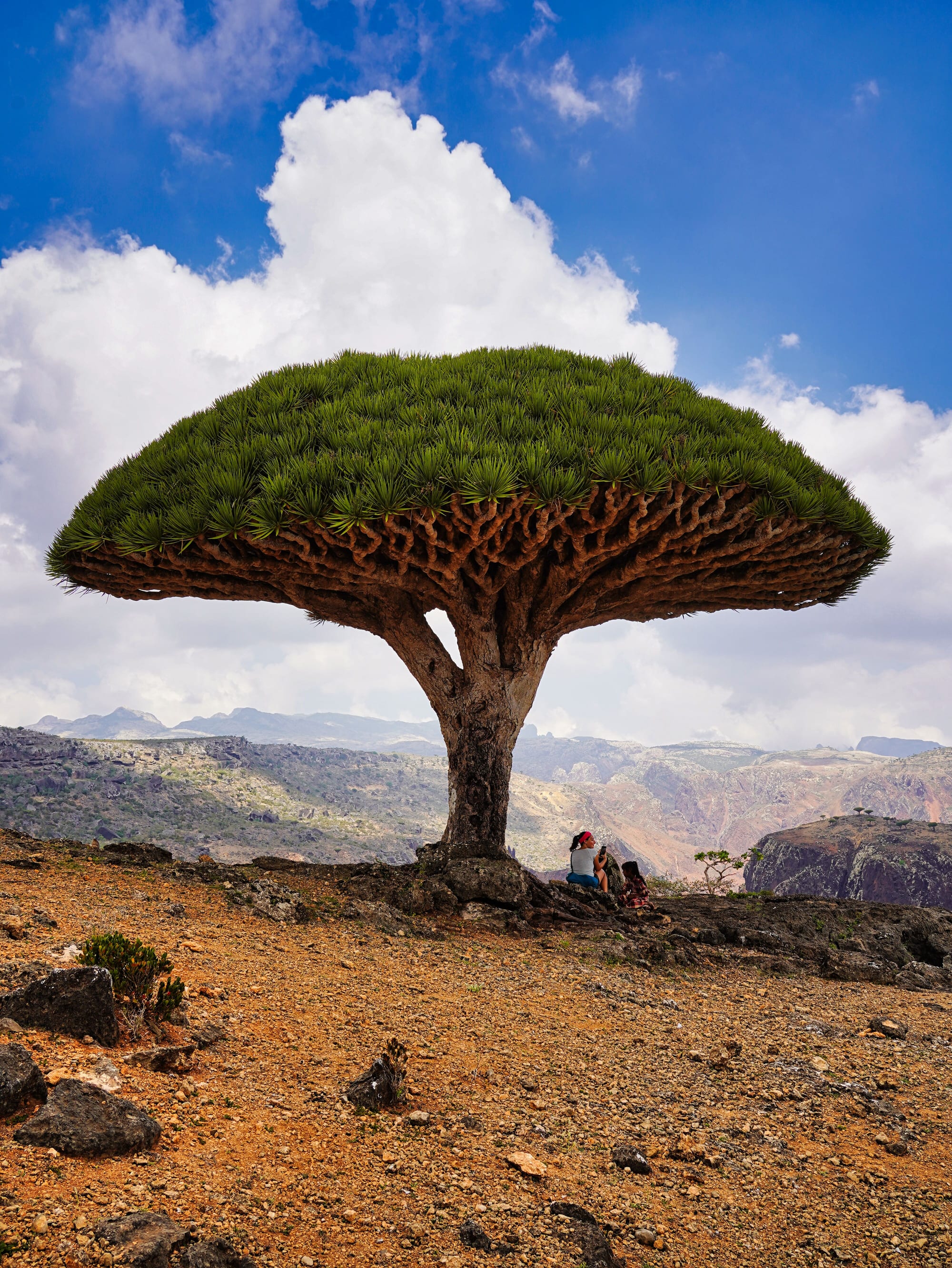
Roughly a third of Socotra's plant species exist nowhere else on earth, the product of the island's long isolation from the mainland — a level of endemism that has drawn comparisons to the Galápagos Islands and made it one of the most botanically significant islands anywhere in the world.
Before you go: a serious note
Yemen has been engulfed in a devastating civil war since 2014-2015, described by the United Nations as one of the world's worst humanitarian crises, with hundreds of thousands of deaths, mass displacement, and recurring famine conditions in various parts of the country. All Western governments advise against all travel to Yemen, citing active armed conflict, the risk of kidnapping and arbitrary detention, and the near-total absence of consular protection given the collapse of normal state functions across much of the country. Socotra, while historically somewhat insulated from mainland fighting, has experienced its own political instability and remains subject to the same do-not-travel advisories as the rest of the country. This article describes sites of profound historical and natural significance for reference; no responsible visit to Yemen is currently possible given the severity and scale of the ongoing crisis.