History · United States Virgin Islands
US Virgin Islands: The Islands America Bought
Three Caribbean islands that were Danish for two and a half centuries — a sugar-and-slavery colony with one of the New World's largest slave revolts, sold to the United States in 1917 to keep Germany out of the Caribbean, and still not a state
By Worldlore Editorial · 19 September 2026
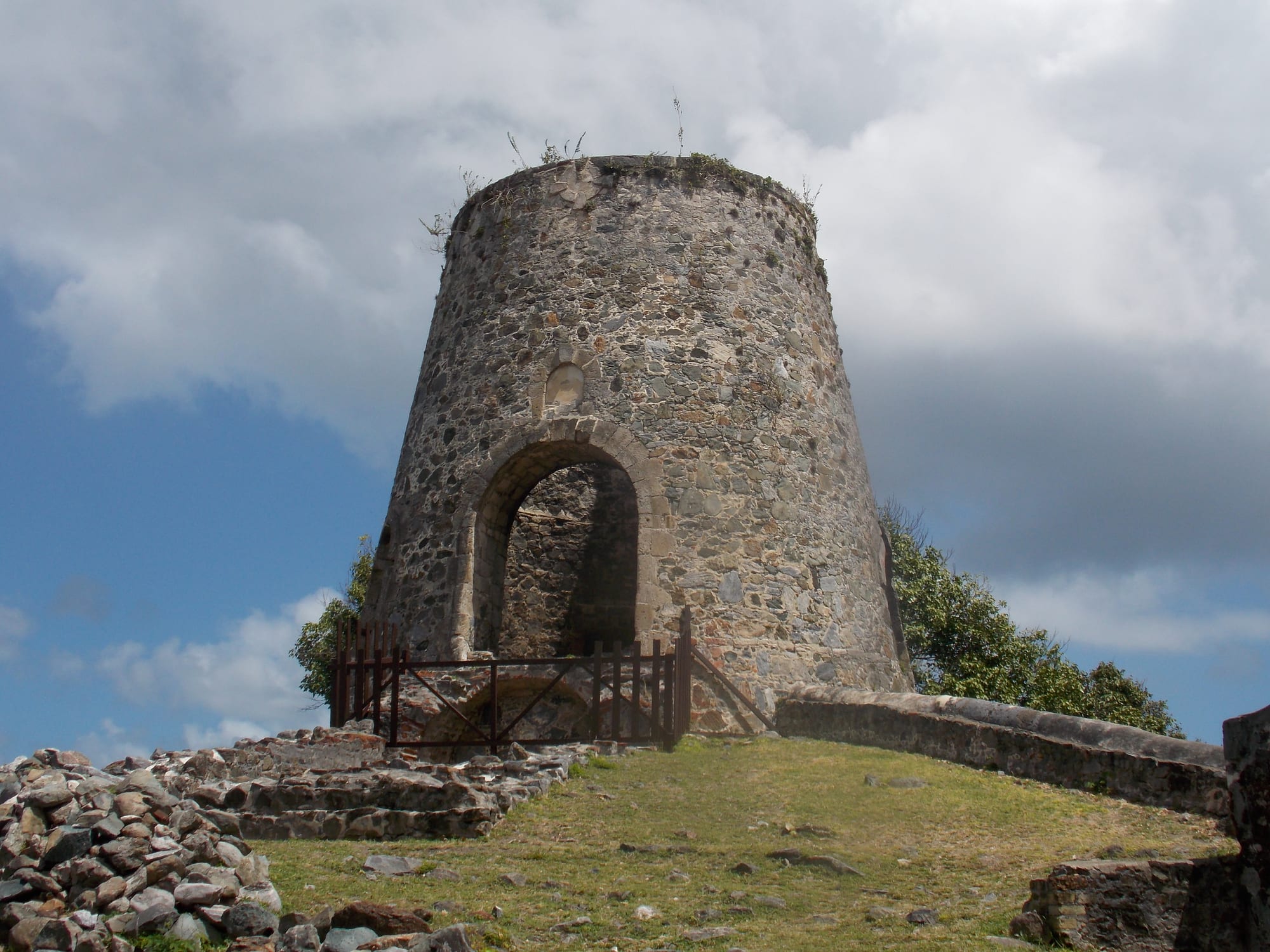
An American territory with a Danish past
The United States Virgin Islands are three main islands — St Thomas, St John and St Croix — plus many islets, at the eastern end of the Greater Antilles, with about 87,000 people. They are an unincorporated territory of the United States: residents are US citizens but cannot vote for president and have only a non-voting delegate in Congress. What makes their history distinctive in the Caribbean is that for 251 years they were Danish — the Danish West Indies — and the United States acquired them by purchase, in 1917, not conquest.
A short history
- pre-1500s
Ciboney and Taíno
Indigenous peoples; Columbus reaches the islands in 1493.
- 1672–1733
Danish colonisation
Denmark settles St Thomas, then St John, then buys St Croix from France.
- 1733
The St John revolt
Enslaved Africans hold most of the island for about six months.
- 1792
Danish slave-trade ban
Denmark is the first nation to legislate an end to the Atlantic slave trade (effective 1803).
- 1848
Emancipation
A mass uprising on St Croix forces the immediate abolition of slavery.
- 1878
"Fireburn"
A labour revolt burns much of Frederiksted.
- 1917
The sale
The US buys the islands from Denmark for $25 million in gold.
- 1927
Citizenship
US citizenship is extended to the islanders.
- 1970
Elected governor
The territory begins electing its own governor.
The Danish West Indies
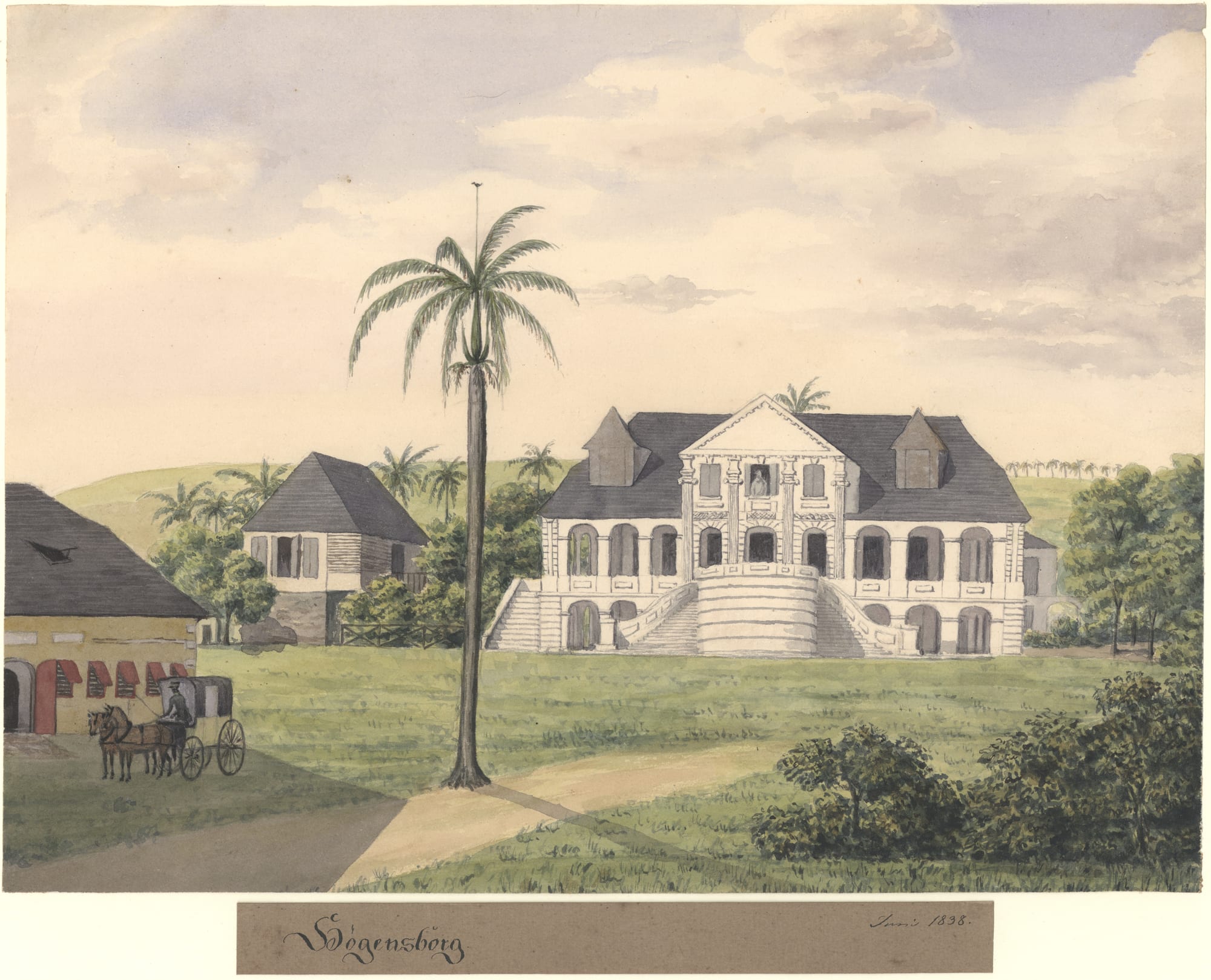
Columbus landed on St Croix in 1493; the Indigenous population was largely gone by the time European colonisation began in earnest. The Danish West India Company settled St Thomas in 1672 and St John in 1718, and Denmark bought St Croix from France in 1733. St Thomas, with its superb harbour and few good plantation lands, became a cosmopolitan free port and trans-shipment centre, with a notably large Sephardic Jewish merchant community; St Croix, flatter and more fertile, was covered in sugar plantations. All ran on enslaved African labour, imported in large numbers through the Danish slave trade, which for a period made Denmark a significant carrier.
Revolt and emancipation
The islands saw some of the most significant slave resistance in the Americas. In 1733 enslaved people, many of them Akwamu from West Africa, seized the fort on St John and held most of the island for about six months before a French force from Martinique helped the Danes retake it; rather than surrender, dozens of the rebels killed themselves. Denmark banned its citizens from the transatlantic slave trade in 1792 (effective 1803), the first country to do so, though slavery itself continued. In July 1848, thousands of enslaved people gathered at Frederiksted on St Croix and forced the governor, on his own authority, to declare immediate emancipation. A harsh labour-contract system replaced slavery, and in 1878 it provoked the "Fireburn", a revolt led substantially by women (the "Queens") that burned much of Frederiksted and destroyed dozens of plantations.
The sale to the United States
By the late 19th century the Danish West Indies were an economic liability — sugar prices had collapsed, and the islands cost Copenhagen more than they earned. The United States, worried that Germany might acquire a Caribbean naval base near the approaches to a future Panama Canal, negotiated to buy them. A deal in 1902 was narrowly blocked in the Danish parliament; a second, during the First World War, succeeded. On 31 March 1917 the United States took possession of the islands for US$25 million in gold, and renamed them the Virgin Islands of the United States. Danish residents were given a choice of citizenship; most islanders received US citizenship only in 1927.
An American territory
The US Navy governed the islands until 1931, then the Interior Department through appointed governors; from 1970 the territory has elected its own governor and, since 1936, a legislature. A 1954 Organic Act is its basic law. Several attempts to draft a local constitution and referendums on political status — statehood, independence, enhanced territorial status, or the status quo — have failed to produce a decisive result or consistent turnout. The economy shifted decisively to tourism, especially cruise calls at St Thomas and the national park that covers most of St John, along with rum distilling and, for decades, one of the world's largest oil refineries on St Croix (closed in 2012, restarted and closed again). Hurricanes Irma and Maria, which both struck in September 2017, caused catastrophic damage from which recovery has been slow.
What the US Virgin Islands carry
The US Virgin Islands were a Danish sugar colony for two and a half centuries, and their African-descended majority carries that history — the 1733 revolt, the 1848 emancipation, the Fireburn — in place names, festivals and identity. They became American not by choice but by a transaction between two governments in 1917, driven by wartime strategy, and more than a century later their people still hold US passports without a vote for the president, and without having settled what they want their status to be.