Daily Life · Uruguay
Uruguay: The Country That Renamed Christmas
A mate gourd passed from hand to hand, a home grill lit most weekends of the year, and a state so committed to keeping religion out of public life that it renamed Christmas and Holy Week more than a century ago
By Worldlore Editorial · 30 September 2026
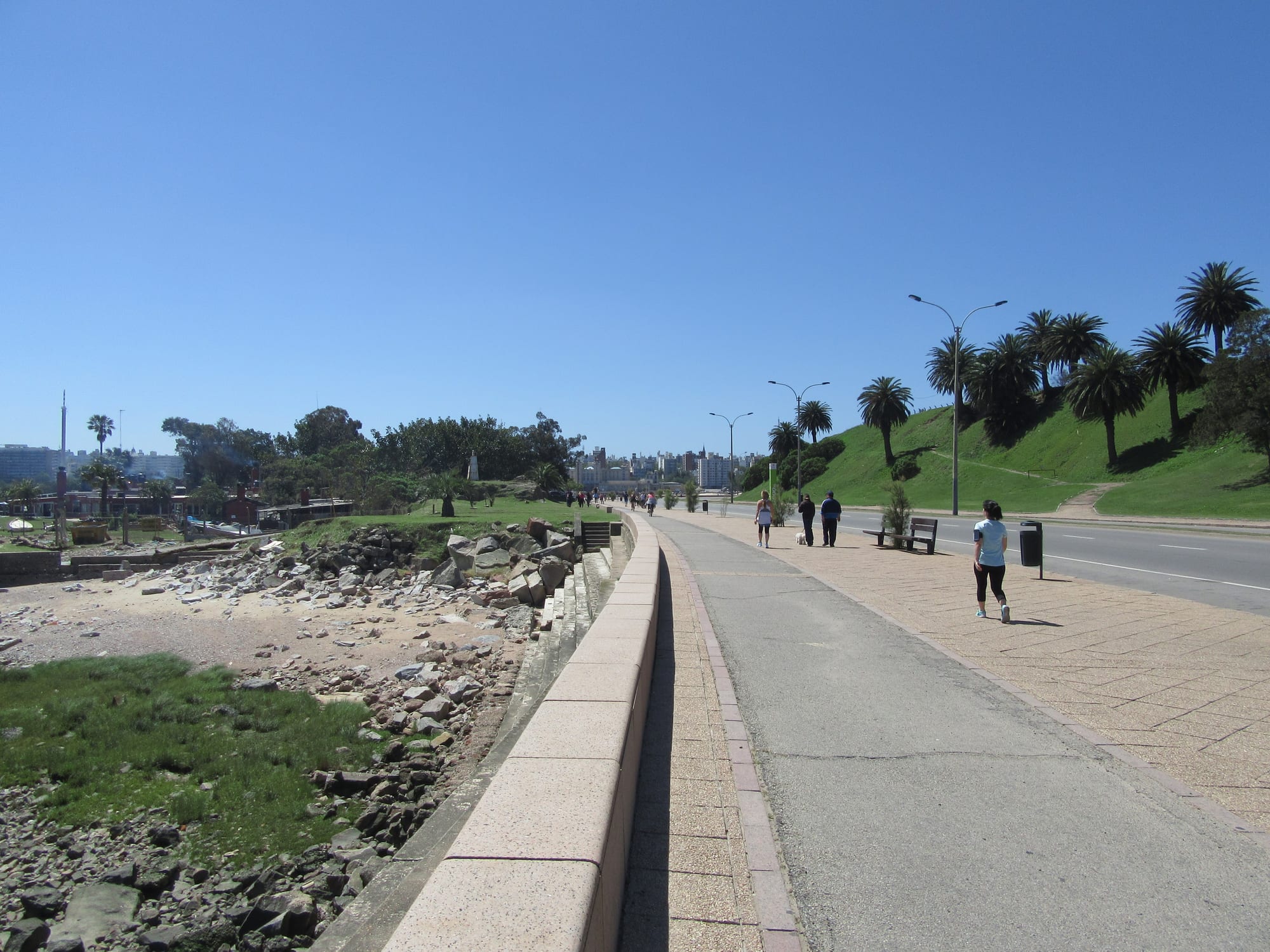
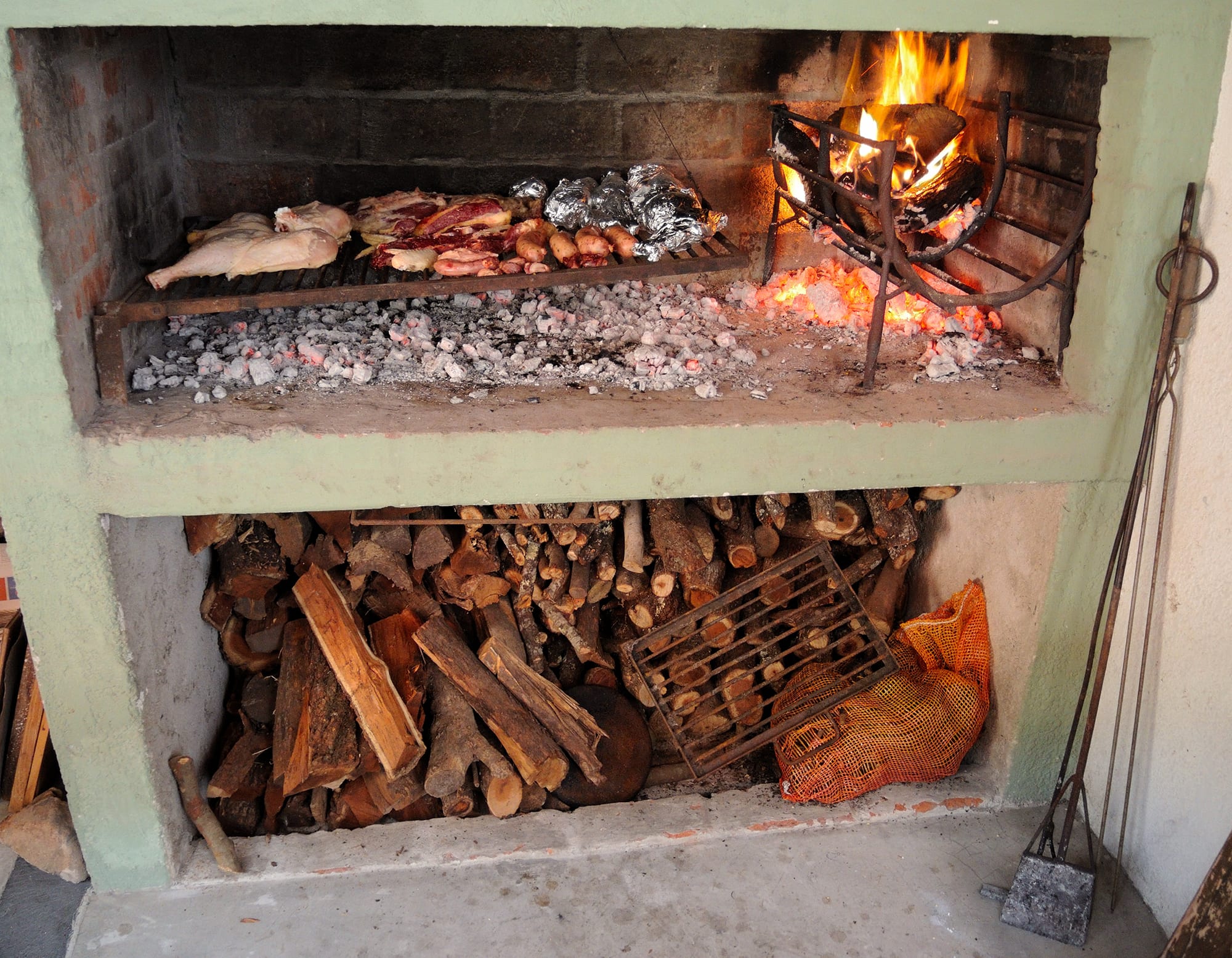
Uruguay is a small, calm country that moves at its own unhurried pace, and two rituals shape an ordinary day more than any other: mate, the bitter herbal infusion sipped through a metal straw from a shared gourd and carried everywhere in a thermos under one arm, and the asado, the wood-fired barbecue that turns a Sunday into a genuine family occasion. The state's early and thorough secularism, dating to reforms a century ago, means religion sits quietly in the private sphere for most people, and public life runs instead on family, neighbourhood and, in Montevideo, the long waterfront Rambla that residents use at almost any hour.
Family and home life
Uruguayan households have grown smaller in line with the country's ageing population and one of Latin America's lowest birth rates, but family ties remain close, and grandparents, parents and children often live near one another even when not under the same roof. Nearly half the country lives in and around Montevideo, mostly in apartments in the city itself and single-family houses with a small yard in the suburbs and interior towns, and a great many of those homes, however modest, include a built-in outdoor grill, the parrillero, used most weekends of the year for a family asado. Sunday lunch built around the grill functions as the country's closest equivalent to a weekly family gathering, drawing extended family together in a way few other fixed rituals do.
Work, school and the rhythm of the day
Uruguay legislated an eight-hour working day in 1915, early by world standards, under the reforms associated with President José Batlle y Ordóñez, and the standard working day remains eight hours, 44 hours a week in commerce and 48 in industry, with a weekly rest day, usually Sunday. The school year runs March to December, the reverse of the Northern Hemisphere calendar, split by a southern-hemisphere summer holiday over January and February that coincides with the annual migration to the coast. Public education is free from pre-primary through university and secular, a founding feature of the modern state, and literacy and school enrolment are both high by regional standards. Mate punctuates the working day everywhere, refilled from a thermos at a desk, on a building site or on a park bench, in a habit that crosses class and profession without much distinction.
Community life and public spaces
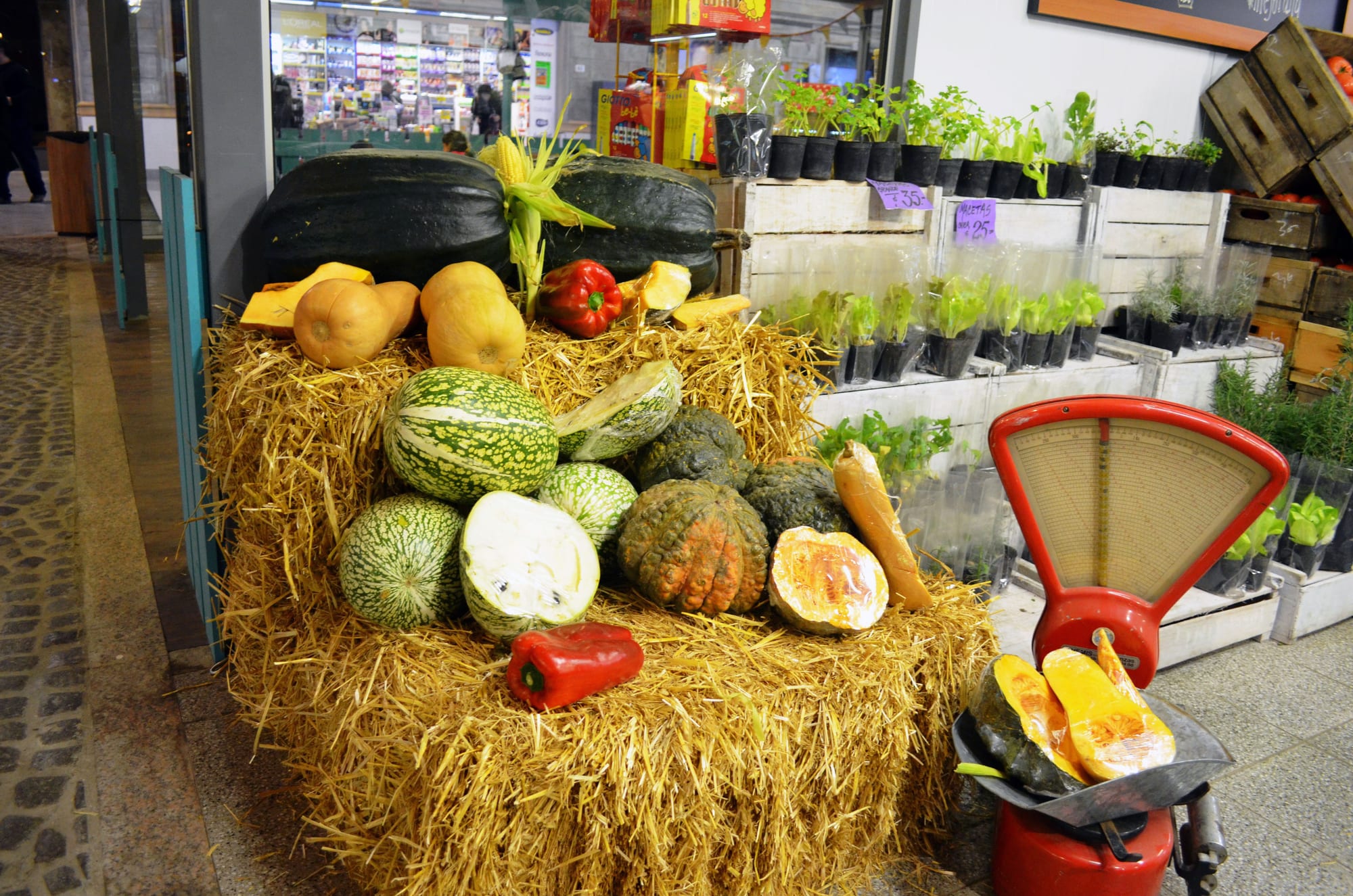
Montevideo's Rambla, a promenade running some 22 kilometres along the Río de la Plata, is one of the country's best-loved public spaces, walked, run and cycled by residents at almost any hour and used daily for mate with friends as much as for exercise. Neighbourhood clubs, membership sports and social clubs found in almost every barrio, are a genuine community anchor, organising football, other sports and social events well beyond Montevideo. Covered markets, above all the Mercado Agrícola in Montevideo, function as real, working food markets rather than purely tourist stops, alongside smaller neighbourhood ferias, open-air street markets held on fixed weekdays that remain many households' main source of fresh produce.
Free time and weekends
Weekends nationwide lean on the asado, family visits and, in summer, football, watched and played with real devotion in a country that won the first World Cup in 1930. From December to February, a genuine seasonal migration sends much of the population to the Atlantic coast, whether the family resorts near Montevideo, glamorous Punta del Este, or the wilder, quieter beaches further east, and a beach day with a mate thermos and a folding chair is a standard weekend picture nationwide. Carnival, which in Montevideo can last up to 40 days from late January and is considered the longest in the world, brings the African-rooted candombe drumming processions through Montevideo's older neighbourhoods and is followed avidly well beyond the capital.
A visitor's ordinary day
Cards are widely accepted in Montevideo and the main tourist areas, and tourists paying by foreign card get a partial VAT exemption in hotels and restaurants, though cash remains useful in smaller interior towns. Passenger rail is minimal, so a comfortable, frequent long-distance bus network run from Montevideo's Tres Cruces terminal is the practical way to reach any town in the country, and a fast ferry connects Montevideo and Colonia with Buenos Aires. Shops generally keep standard daytime hours and close on Sundays outside tourist areas, and being offered mate by a Uruguayan host is simply what ordinary hospitality looks like here, not a special gesture. The main seasonal adjustment to plan around is the coastal migration each January, when Punta del Este and the coast get busy and pricier while Montevideo itself empties out and quietens down.
What to take away
An ordinary day in Uruguay runs on two small, constant rituals, a shared mate and a lit grill, in a country that built its whole public calendar around keeping family and private life, rather than religion or spectacle, at the centre of things.