Food · Uruguay
Uruguay: Food and the National Dish
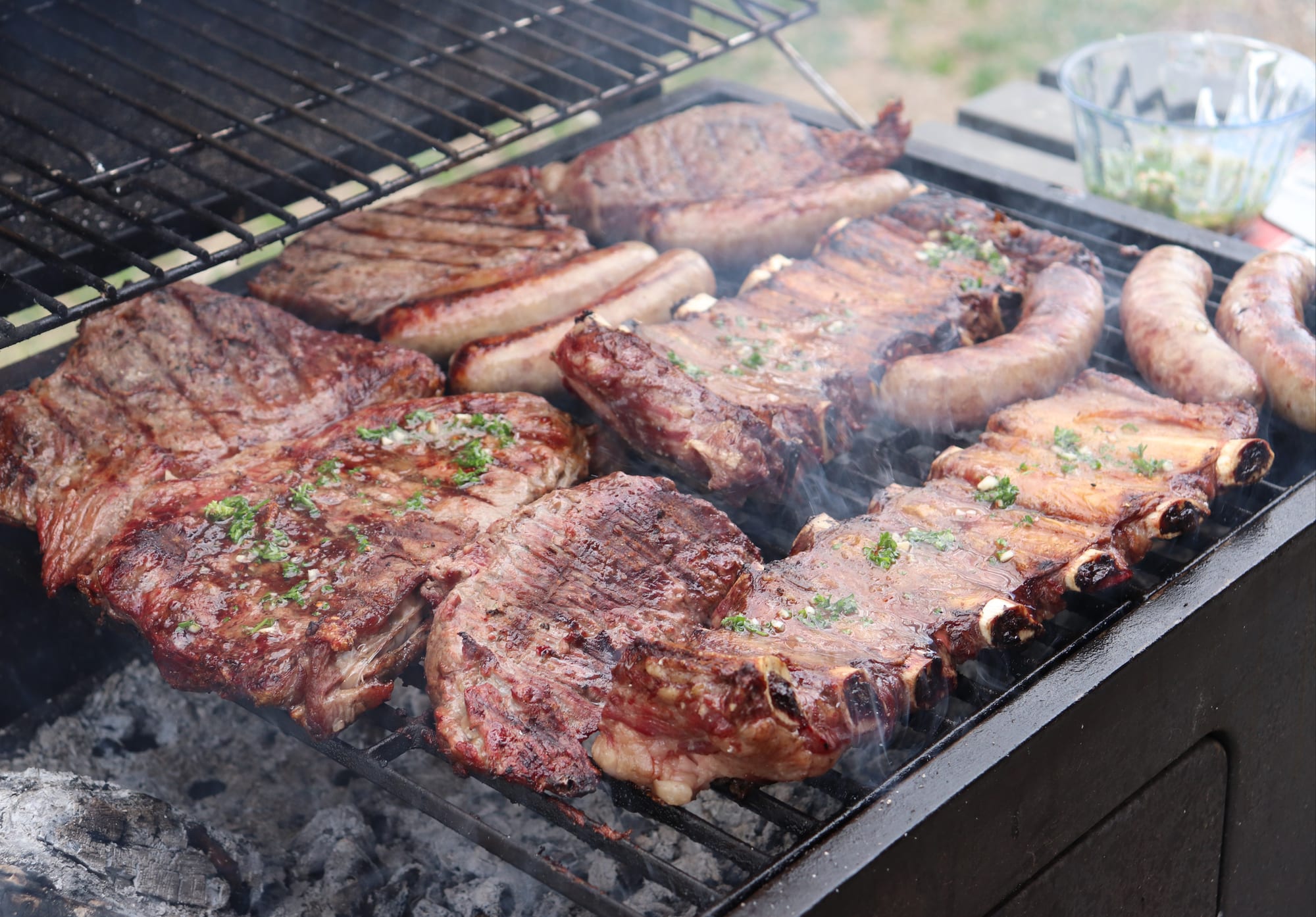
Slow-grilled beef over open coals, a ritual as central to Uruguayan identity as the meat itself
By Worldlore Editorial · 16 September 2026
A cuisine built on some of the world's best grazing land
Uruguay's vast, fertile grasslands support one of the highest ratios of cattle to people in the world, and that ranching abundance shows directly in a food culture built around slow-grilled beef, treated as a genuine social occasion rather than simply a way to cook meat.
The national dish: asado
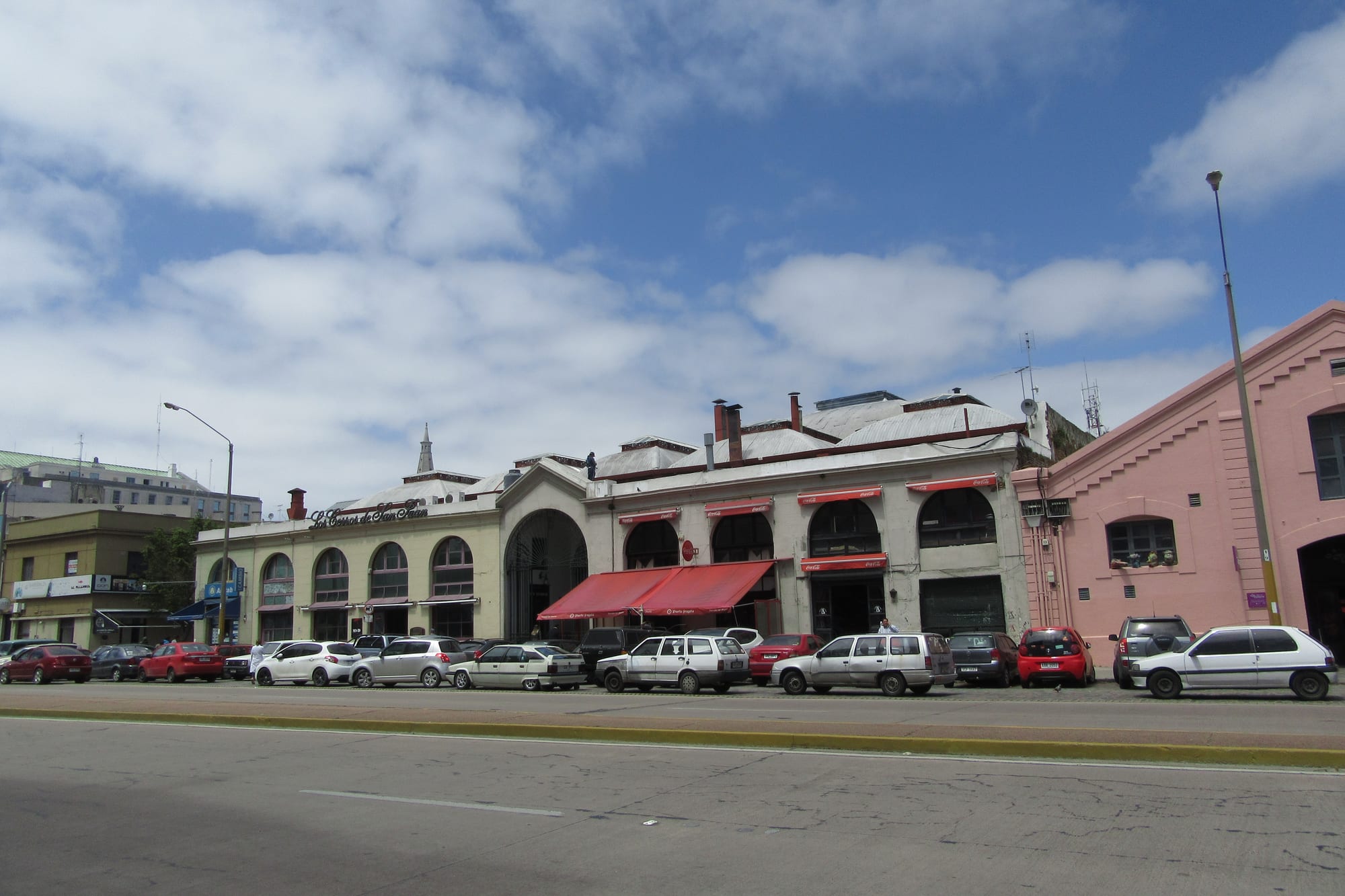
Asado, beef and other meats slow-grilled over wood coals, often for several hours, and shared among family and friends, is Uruguay's national dish. Genuinely a weekend social ritual as much as a meal, asado is traditionally overseen by one person, the asador, and Montevideo's Mercado del Puerto, a historic covered market, is home to some of the country's most established asado restaurants.
Beef, mate and a genuinely pastoral pantry
Beef, given Uruguay's extensive cattle ranching, anchors much of the country's cooking, alongside dulce de leche, a caramelised milk spread used across countless desserts. Yerba mate, drunk constantly throughout the day, and empanadas round out a pantry shaped directly by the country's ranching economy and shared culinary ties to neighbouring Argentina.
History behind the grill
Uruguay's grasslands supported cattle ranching from the colonial era onward, and the country's genuinely low population relative to its cattle herds, among the highest cattle-to-person ratios in the world, made beef a cheap and central part of the national diet for generations. Asado's slow, social cooking method reflects gaucho ranching tradition, adapted from open rural cookouts into the urban weekend gathering still practised across Uruguayan households today.
Dishes to know
Four more to recognise across Uruguay:
- Chivito — a thick sandwich piled with steak, ham, cheese, egg and
vegetables, a genuine Uruguayan invention.
- Dulce de leche — a caramelised milk spread, used in desserts and
pastries nationwide.
- Empanadas — pastry pockets filled with meat, cheese or vegetables.
- Milanesa — a breaded, fried meat cutlet, a common everyday dinner.
Drinks
Yerba mate, drunk from a shared gourd through a metal straw and carried around constantly by many Uruguayans, is a genuine daily ritual and a strong marker of national identity. Uruguayan wine, particularly from the Tannat grape, and locally brewed beer are also widely enjoyed.
Eating as a traveller
Vegetarians will find empanadas and dairy-based desserts manageable, though beef is central to most traditional Uruguayan cooking. Tap water is generally safe to drink across Uruguay. Being invited to a family asado, if the opportunity arises, is a genuine and meaningful way to experience Uruguayan hospitality and food together.
What to take from the table
Asado, grilled slowly and shared over hours, is the tradition that best represents Uruguay's food identity: a country whose vast grasslands and cattle herds shape not just what's eaten, but how it's cooked and shared.