Attractions & Natural Wonders · Uruguay
Uruguay: Five Attractions and Natural Wonders
A Portuguese colonial town so well preserved it feels frozen in the 18th century, a giant sculpted hand emerging from a resort beach, and an off-grid coastal village with no mains electricity at all
By Worldlore Editorial · 9 September 2026
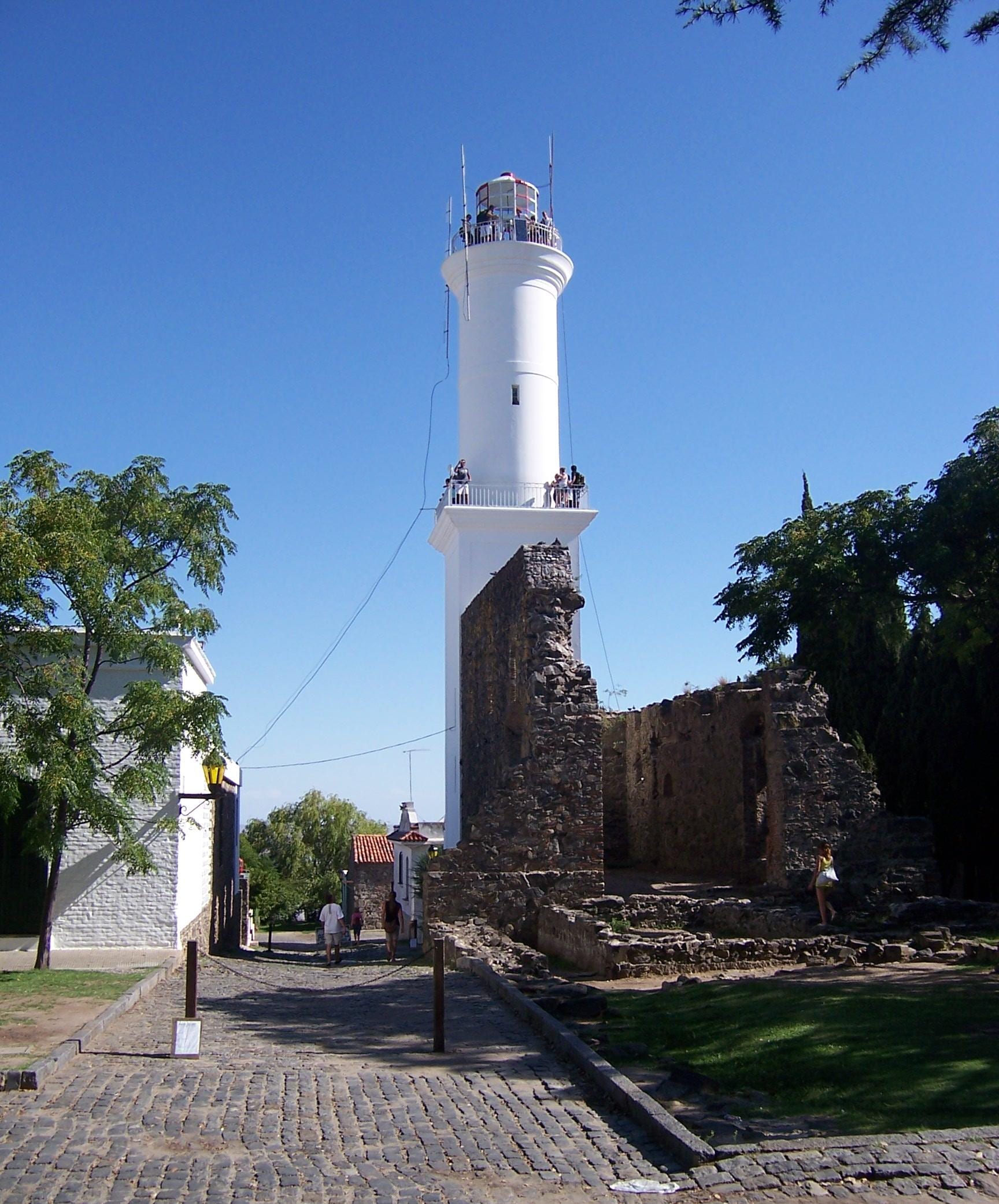
A small, calm country with an outsized sense of ease
Uruguay, sandwiched between Argentina and Brazil, has built a reputation as one of South America's most stable, progressive, and easygoing countries — strong social welfare policies, a laid-back beach and ranch culture, and one of the best-preserved colonial towns anywhere on the continent. Its gaucho (cowboy) heritage remains a genuine, living tradition on working cattle estancias rather than a tourist performance.
The five below run from the historic river town of Colonia to Montevideo and the Atlantic coast. Summer (December to February) is the peak beach season; spring and autumn suit sightseeing in Colonia and Montevideo.
1. Colonia del Sacramento
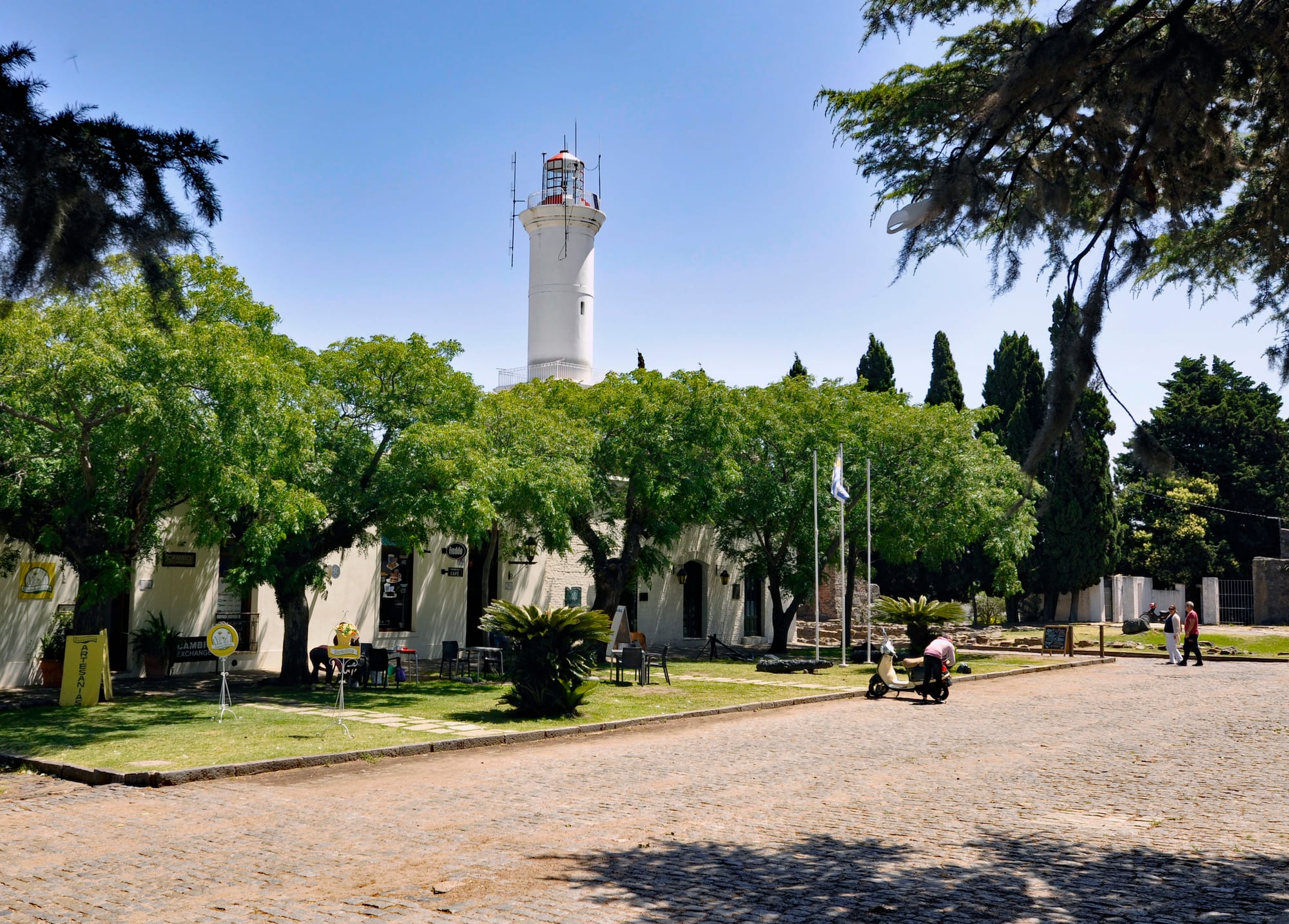
Colonia del Sacramento, founded by the Portuguese in 1680 and long contested between Portugal and Spain, preserves one of the best-maintained colonial old towns in South America — cobblestone streets, colourful low-rise houses, and a historic lighthouse combining to give it a distinctly Portuguese-Spanish character found nowhere else on the continent. A UNESCO World Heritage Site, it sits an easy ferry ride from Buenos Aires across the Río de la Plata.
2. Punta del Este
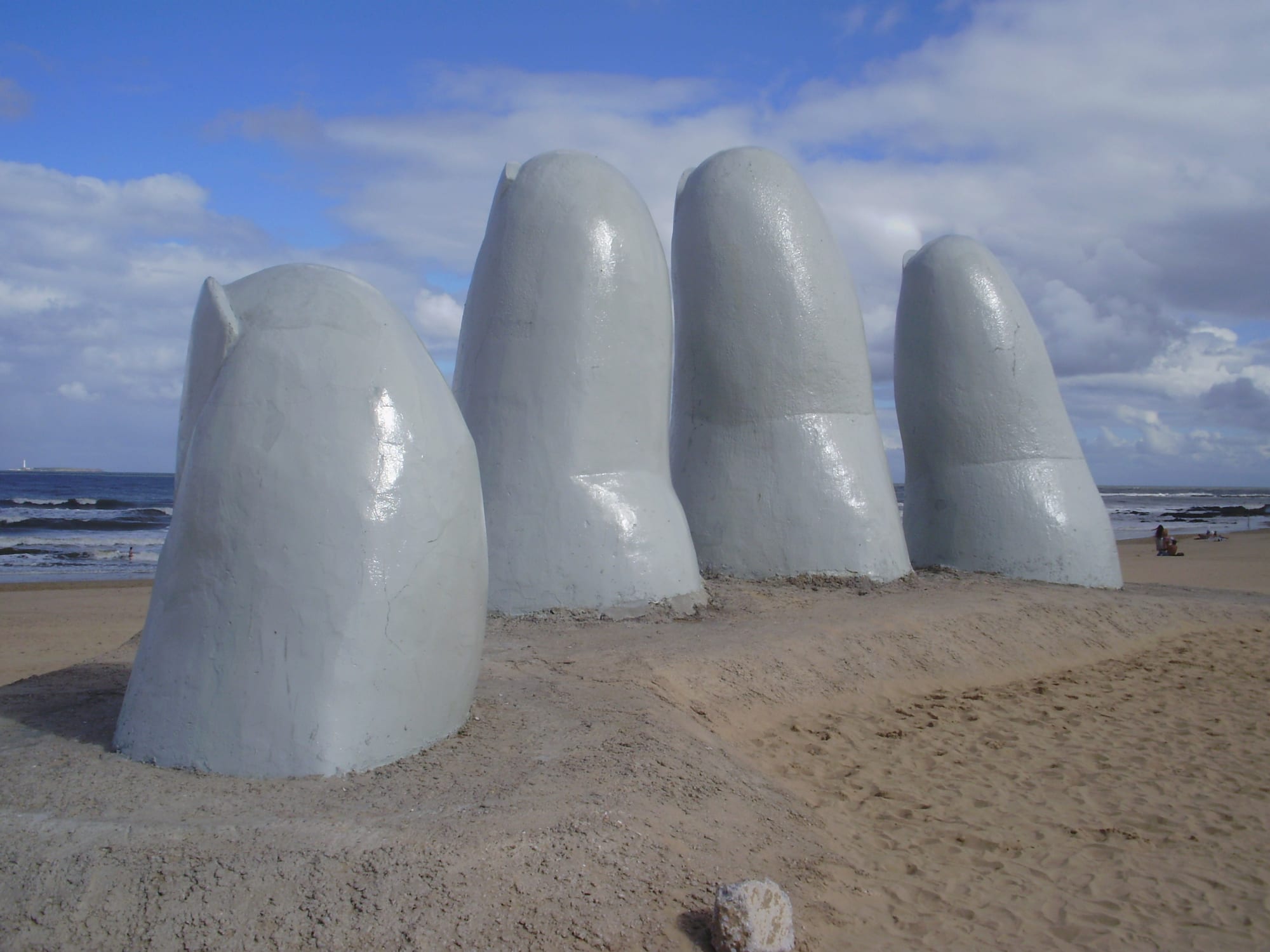
Punta del Este, Uruguay's most glamorous beach resort, draws a wealthy South American crowd each summer to its high-rise beachfront and nightlife — its best-known landmark, La Mano, a giant sculpted hand emerging from the sand, was created in 1982 by Chilean artist Mario Irarrázabal and has since become one of the most photographed sculptures in South America.
3. Montevideo
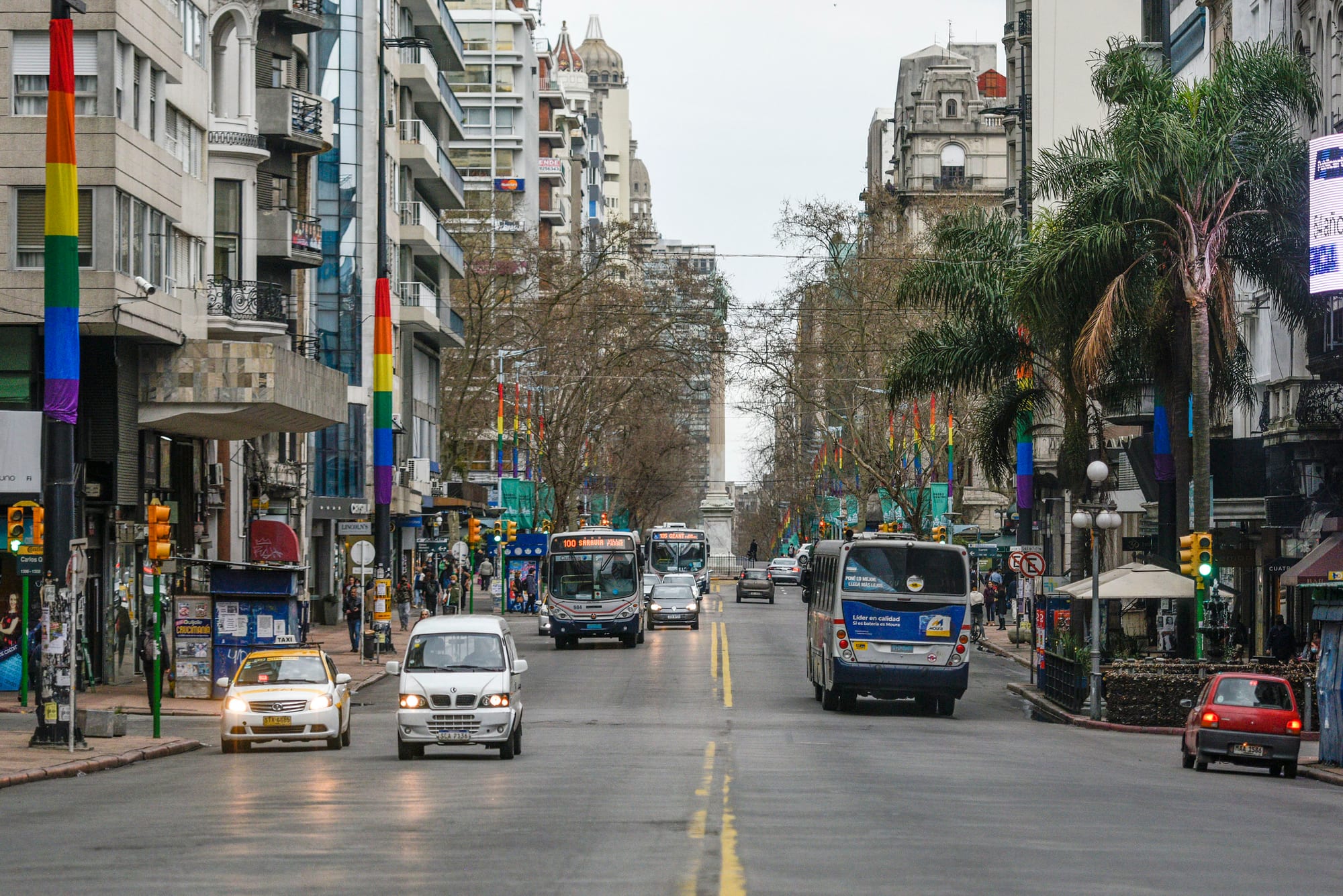
Montevideo, Uruguay's capital, combines a historic old town with a long waterfront rambla popular for evening walks and mate-drinking (Uruguay's ubiquitous shared herbal tea), reflecting the relaxed, unhurried pace that defines much of the country's culture more broadly.
4. Gaucho estancia culture
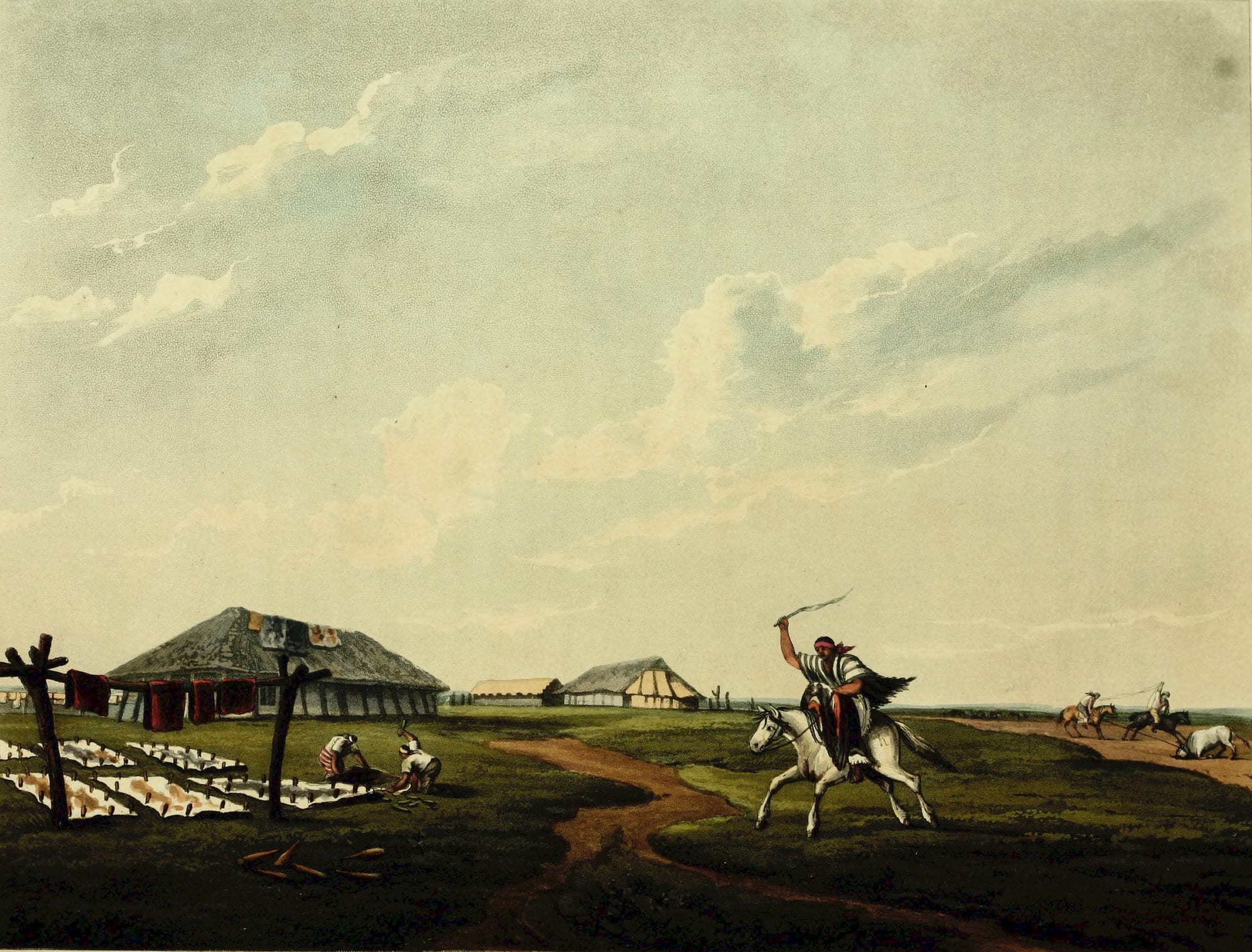
Uruguay's interior remains dominated by working cattle estancias, where gaucho traditions — horsemanship, asado barbecue, and mate-drinking — continue as genuine rural livelihood rather than staged tourist performance. A number of estancias now welcome overnight guests, offering one of the more authentic ways to experience rural South American ranch life.
5. Cabo Polonio
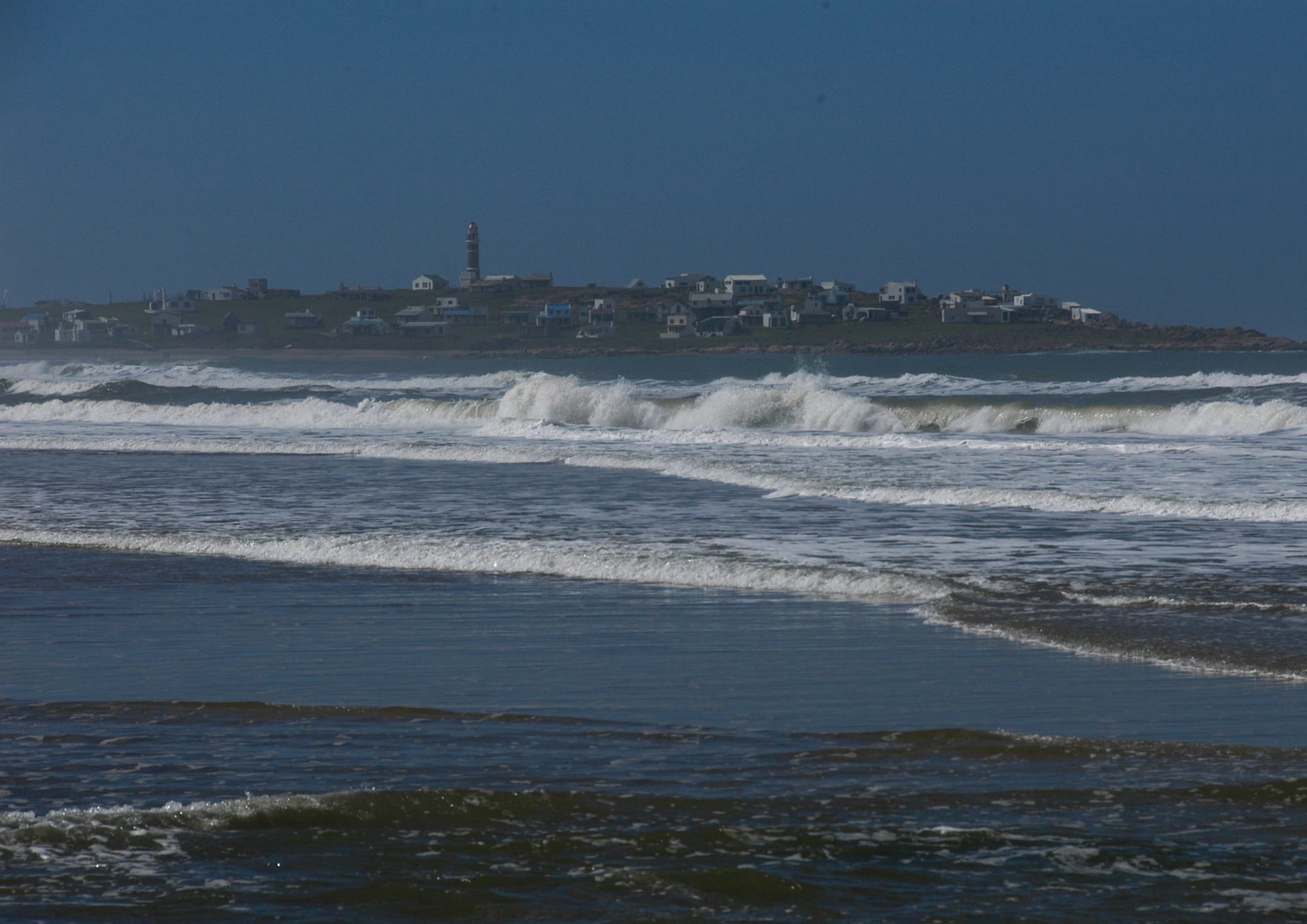
Cabo Polonio, a small fishing village within a national park on the Atlantic coast, has no mains electricity or paved road access, reached only by a specialised 4x4 truck ride across the dunes — a deliberately preserved, off-grid atmosphere that has made it a favourite among travellers seeking a quieter, more bohemian alternative to Punta del Este's glamour. Sea lion colonies on the rocks nearby add to its appeal.
Uruguay suits a relaxed week to ten days: Colonia and Montevideo can be combined easily, with time on the Atlantic coast (Punta del Este or Cabo Polonio, or both) rounding out a well-paced trip.