History · United Arab Emirates
United Arab Emirates: Seven Sheikhdoms, One Federation
A coast of pearling towns and Bedouin tribes on the lower Gulf — British-protected "Trucial States" for a century and a half, united in 1971 as oil money arrived, and transformed within two generations into a global hub of trade, tourism and finance
By Worldlore Editorial · 19 September 2026
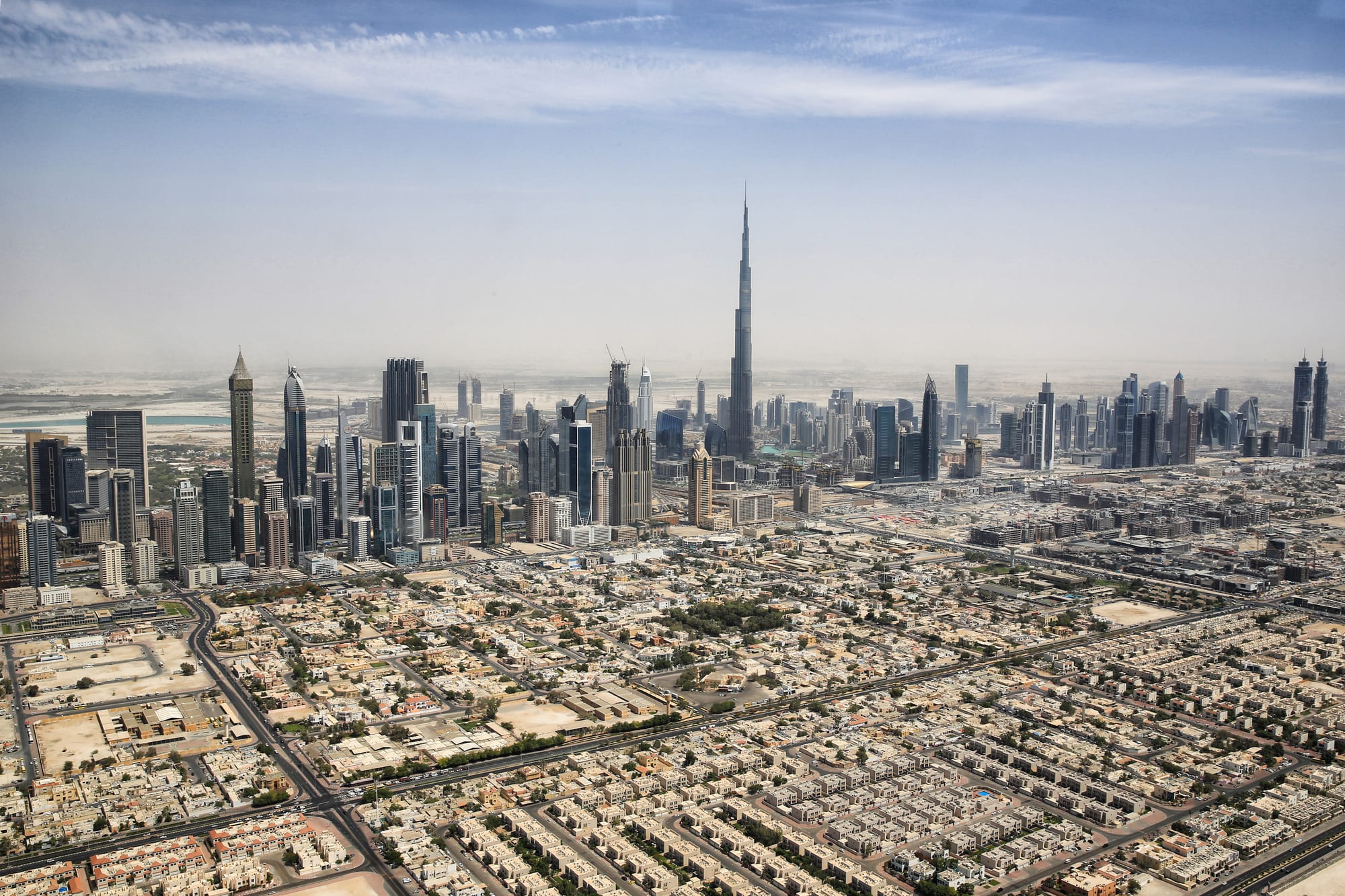
A federation of city-states
The United Arab Emirates is a federation of seven hereditary sheikhdoms — Abu Dhabi, Dubai, Sharjah, Ajman, Umm al-Quwain, Ras al-Khaimah and Fujairah — on the south-eastern shore of the Persian Gulf and a stretch of the Gulf of Oman. Of its roughly 10 million residents, only about one in nine is an Emirati citizen; the rest are foreign workers, mostly from South Asia. Abu Dhabi holds the great majority of the oil and the federal purse; Dubai, with little oil, built itself into a trade, aviation and tourism hub. The country is barely fifty years old, and its transformation from poverty to extreme wealth is among the fastest of any society in history.
A short history
- pre-1800s
Tribes and pearls
Maritime and Bedouin tribes; pearling drives the coastal economy.
- 1820
The General Treaty
Britain imposes a maritime truce after suppressing Gulf raiding.
- 1853 & 1892
The Trucial States
Permanent truce and a treaty putting foreign relations under Britain.
- 1930s
The pearl crash
Cultured pearls and the Depression destroy the pearl trade.
- 1958–1966
Oil found
Major discoveries in Abu Dhabi, then Dubai.
- 1968
The British announce withdrawal
The "east of Suez" decision forces the sheikhs to plan.
- 1971
Federation
Six emirates unite on 2 December; Ras al-Khaimah joins in 1972.
- 2004
Succession
The founding president, Sheikh Zayed, dies after 33 years.
- 2020
The Abraham Accords
The UAE normalises relations with Israel.
Pearls and the Trucial coast
For centuries the economy of this coast rested on the sea — fishing, trade with India and East Africa, and above all pearl diving, which in a good year employed much of the male population on the banks offshore. The tribes were often at war, and their raiding of shipping led Britain, which wanted the route to India secure, to intervene: a naval campaign in 1819, a General Treaty of Peace in 1820, and then a series of agreements culminating in the 1892 "Exclusive Agreement", under which the rulers ceded control of foreign affairs and defence to Britain in return for protection. The area became known as the Trucial States or Trucial Oman. British rule was light and cheap, exercised through a political agent, with almost no investment in schools, roads or health.
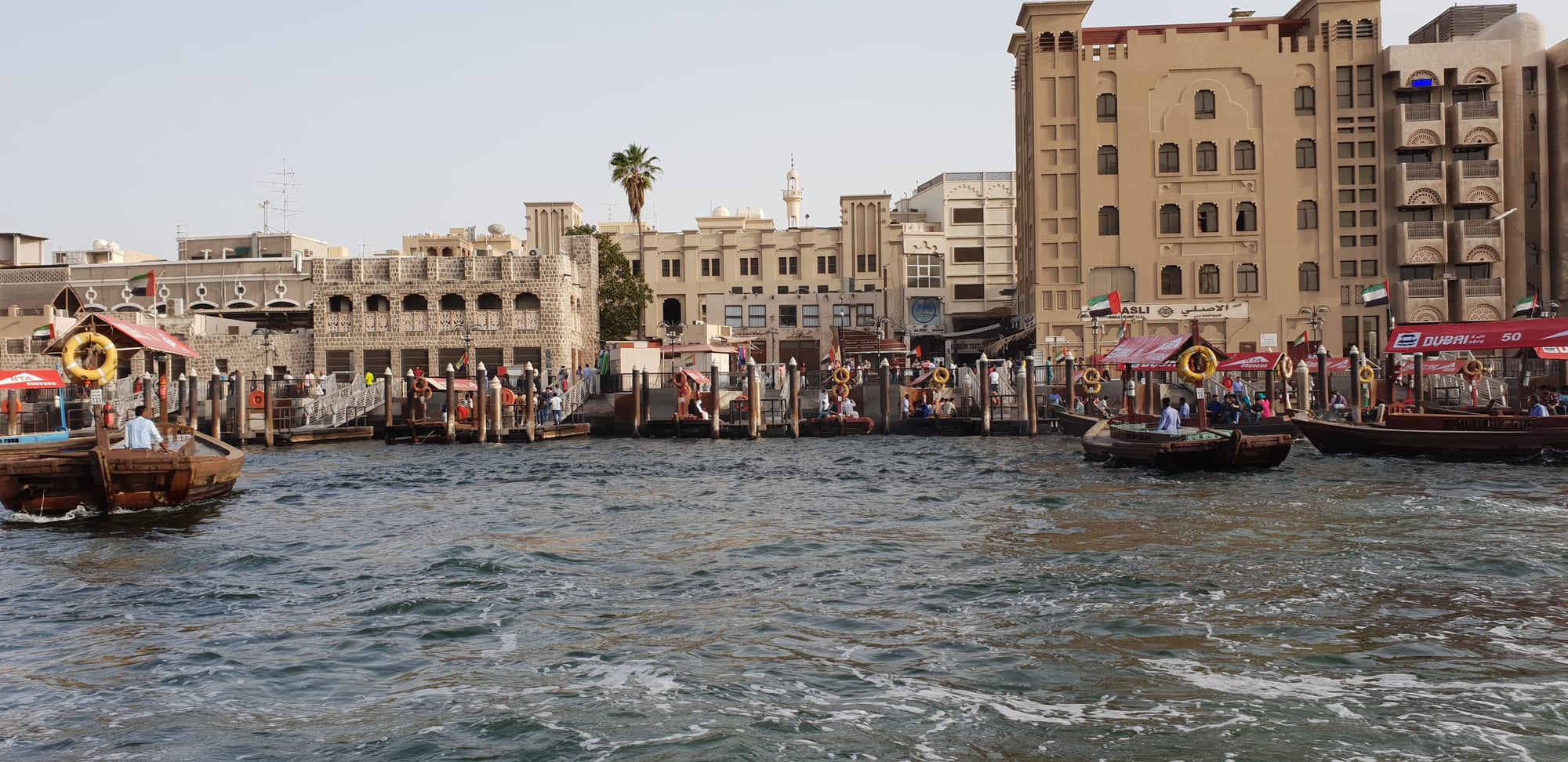
Collapse, then oil
The pearl trade — the mainstay of the coast — collapsed in the early 1930s, as Japan perfected cultured pearls and the Great Depression cut demand. The Trucial States entered a decade of real hardship and depopulation. Oil concessions were signed in the 1930s but exploration was delayed by the Second World War; the first major find came in Abu Dhabi in 1958, with exports from 1962, followed by Dubai in 1966. Revenue began to flow to rulers who, in Abu Dhabi's case, initially hoarded it — until Sheikh Zayed bin Sultan Al Nahyan deposed his brother in 1966 and began spending it on development.
The 1971 federation
In 1968 Britain announced it would withdraw all forces from "east of Suez" by 1971, leaving the Trucial States, plus Bahrain and Qatar, to arrange their own future. A proposed federation of all nine failed when Bahrain and Qatar chose separate independence. The remaining rulers, led by Zayed of Abu Dhabi and Rashid of Dubai, agreed a federal constitution, and the United Arab Emirates was proclaimed on 2 December 1971 (Ras al-Khaimah joining in February 1972). Zayed became president, a post his family has held since, and Dubai's ruler the vice-president and prime minister. The federation left each emirate substantial autonomy over its own resources and internal affairs, with Abu Dhabi funding most federal spending.
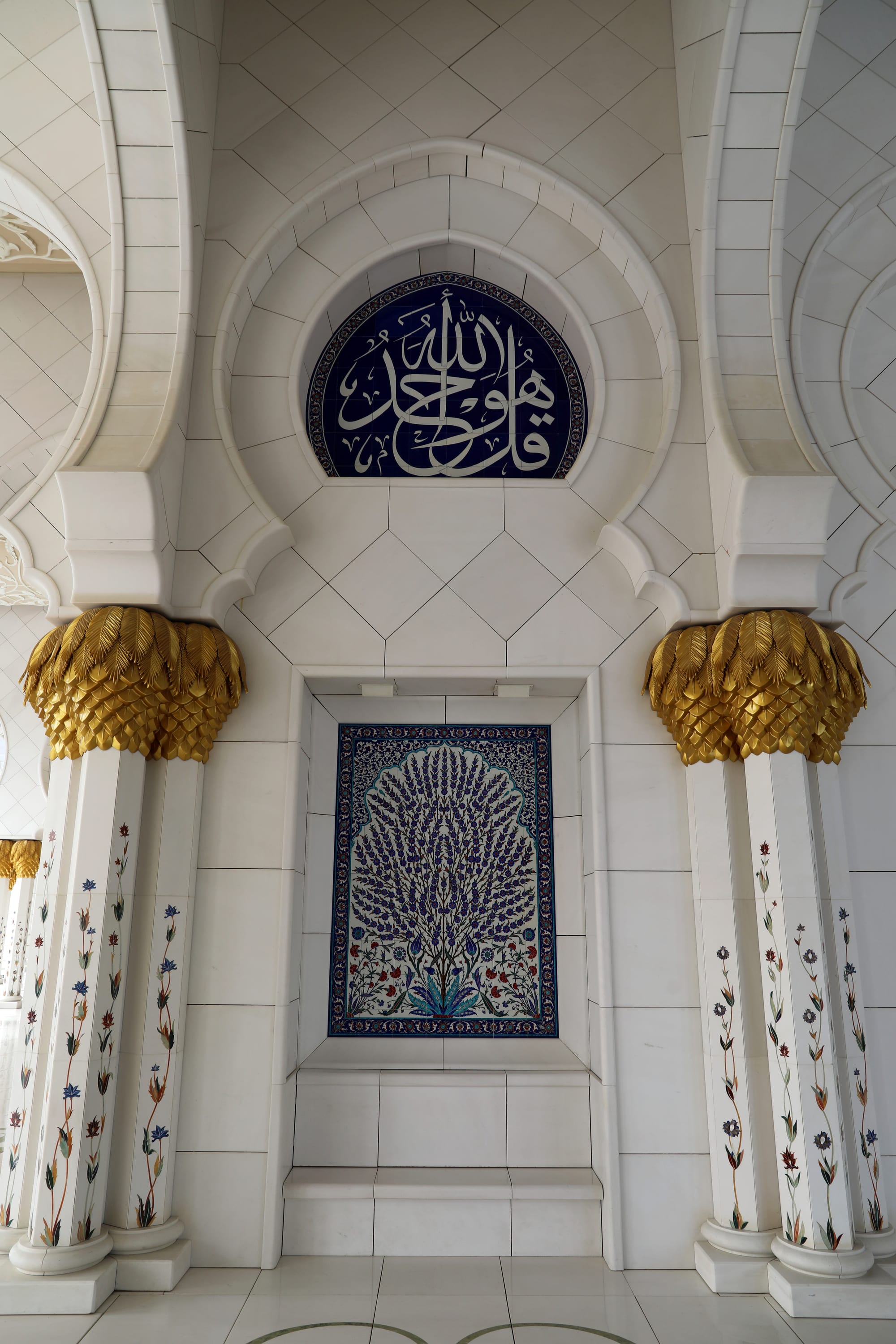
Building the modern state
Oil wealth funded a rapid build-out of infrastructure, free education and healthcare for citizens, and a welfare system, alongside a construction and service economy staffed overwhelmingly by imported labour under a sponsorship ("kafala") system that rights groups have long criticised. Abu Dhabi invested its surpluses through one of the world's largest sovereign wealth funds. Dubai, with reserves running low, bet on becoming a regional hub: a giant port and free zone at Jebel Ali, the Emirates airline, tourism, real estate and finance, punctuated by a 2009 debt crisis from which Abu Dhabi bailed it out. Abroad, the UAE built a capable military, intervened in Yemen and Libya, backed one side in regional rivalries with Qatar and the Muslim Brotherhood, and in 2020 became one of the first Gulf states to normalise relations with Israel under the Abraham Accords. It is an absolute monarchy federation with no elected legislature of consequence and tight limits on speech and political activity, presented by its rulers as the price of stability and prosperity.
What the UAE carries
The United Arab Emirates was assembled in 1971 out of seven small sheikhdoms that had spent 150 years as British protectorates and were, a generation earlier, among the poorest places in the Arab world after the pearl trade died. Oil, and the decision to pool it in a federation rather than fragment, gave the rulers the means to build a country almost from nothing. The result is spectacularly wealthy and outward-facing, and it rests on a citizen minority governing an expatriate majority who built it and cannot become part of it.