Food · Ukraine
Ukraine: Food and the National Dish
A beetroot soup with UNESCO recognition of its own, cooked in countless household variations across the country
By Worldlore Editorial · 16 September 2026
A cuisine anchored by one dish with international recognition
Ukrainian food is genuinely built around fertile black soil farmland, among the most productive in the world, producing wheat, beetroot and vegetables that anchor a cuisine best known internationally through one dish now formally recognised as part of Ukraine's cultural heritage.
The national dish: borscht
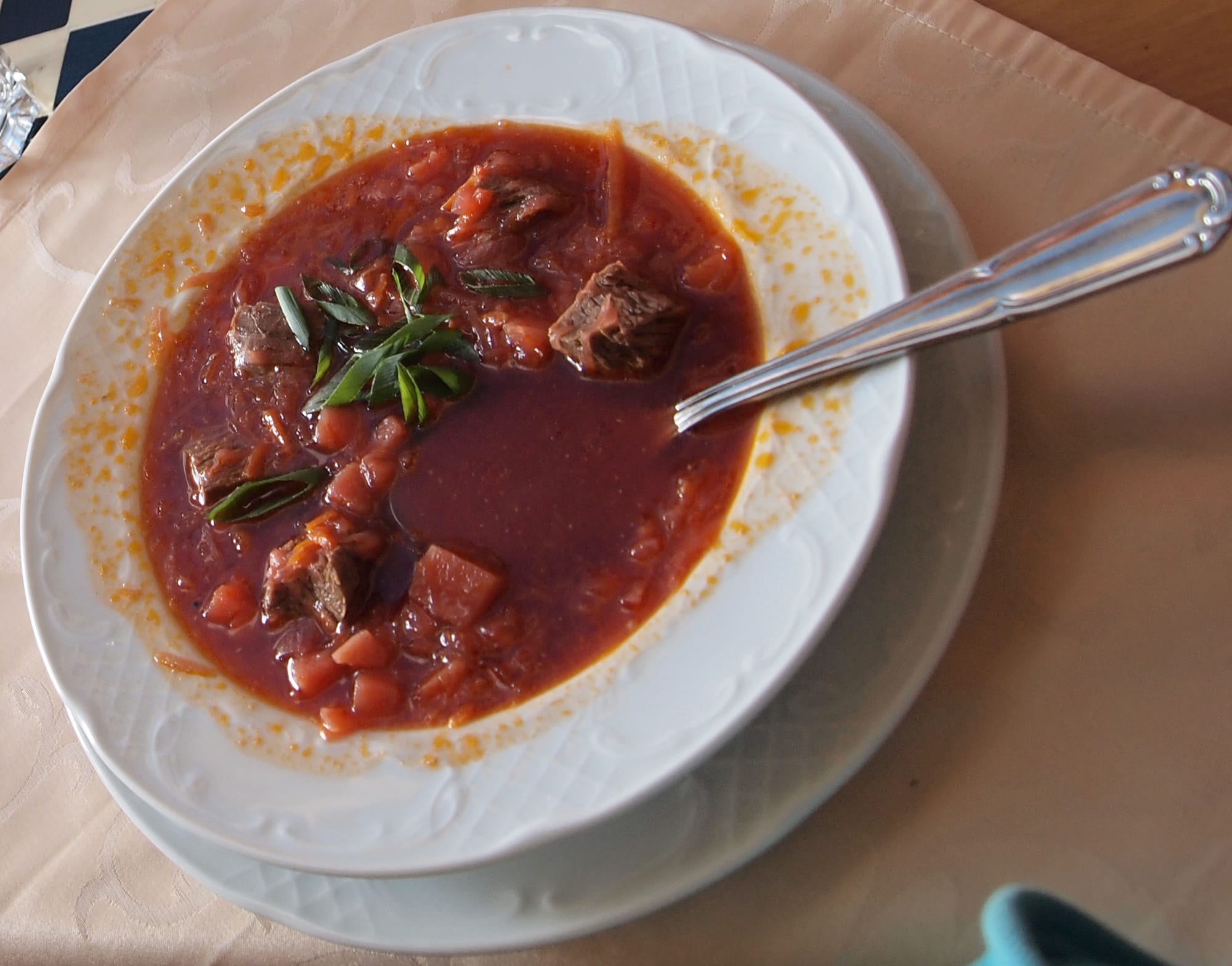
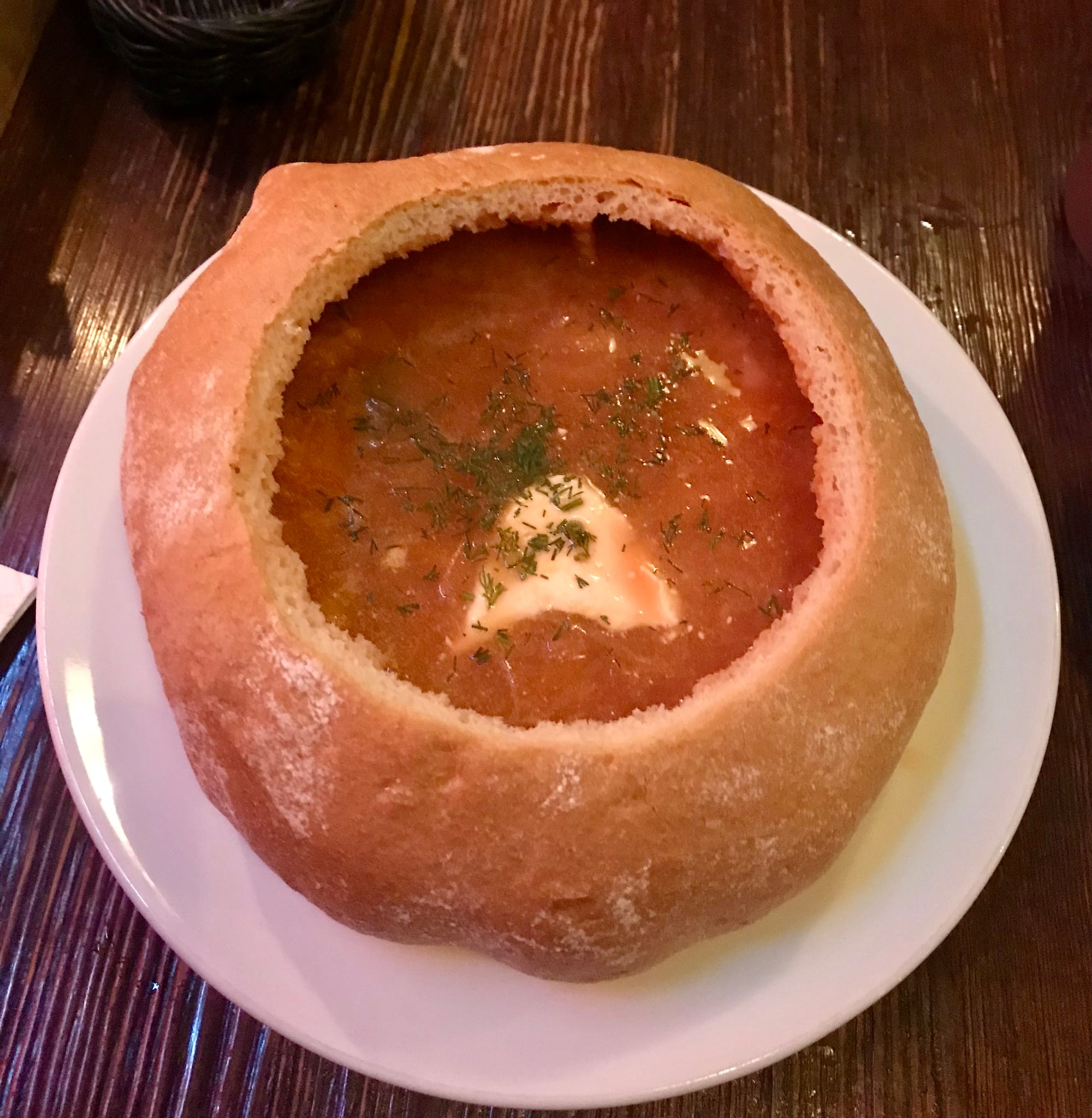
Borscht, a soup built on beetroot, giving it a distinctive deep red colour, along with cabbage, potato and often meat, served with a dollop of sour cream, is Ukraine's national dish. UNESCO inscribed the culture of Ukrainian borscht cooking on its Intangible Cultural Heritage list in 2022, an urgent listing made specifically to help safeguard the tradition given the war in Ukraine, and one that recognises borscht's Ukrainian roots even as related versions are also found across neighbouring countries.
Beetroot, wheat and a genuinely fertile pantry
Beetroot, cabbage and wheat, grown in Ukraine's famously fertile black soil, anchor much of the country's cooking, alongside pork, dill and sour cream. Sunflower oil, reflecting Ukraine's status as one of the world's leading sunflower producers, and dumplings made from wheat flour round out a pantry built on some of the most productive farmland in Europe.
History behind the soup
Borscht's roots trace back centuries in Ukrainian household cooking, with regional and even family-specific variations passed down through generations rather than fixed to one single recipe. UNESCO's 2022 emergency inscription of the dish's cooking culture, made in direct response to the war's threat to Ukrainian cultural practices, reflects how seriously the tradition is treated as a genuine marker of national identity rather than simply a well-known soup.
Dishes to know
Five more to recognise across Ukraine:
- Varenyky — dumplings filled with potato, cheese, meat or fruit,
boiled and often served with sour cream.
- Holubtsi — cabbage rolls stuffed with rice and meat, a fixture at
family gatherings.
- Salo — cured pork fat, sliced thin and eaten with bread, a genuine
everyday staple.
- Deruny — potato pancakes, fried and served with sour cream.
- Kovbasa — Ukrainian sausage, seasoned and smoked, eaten across the
country.
Drinks
Kvass, a mildly fermented drink made from rye bread, is a genuine traditional Ukrainian refreshment. Ukrainian horilka, a vodka-like spirit, and tea are also widely enjoyed.
Eating as a traveller
Vegetarians will find beetroot, cabbage and potato-based versions of borscht manageable, though many recipes include meat or meat stock. Tap water is generally treated but bottled water is the common local default where infrastructure is affected. Trying borscht at a family-run restaurant, where regional variation is often most apparent, is a genuine way to taste the dish's real diversity.
What to take from the table
Borscht, formally recognised by UNESCO as a matter of cultural urgency, is the dish that most directly carries Ukrainian identity onto the table, cooked in countless household variations but rooted in one shared tradition.