Attractions & Natural Wonders · Tuvalu
Tuvalu: Four Attractions and Natural Wonders
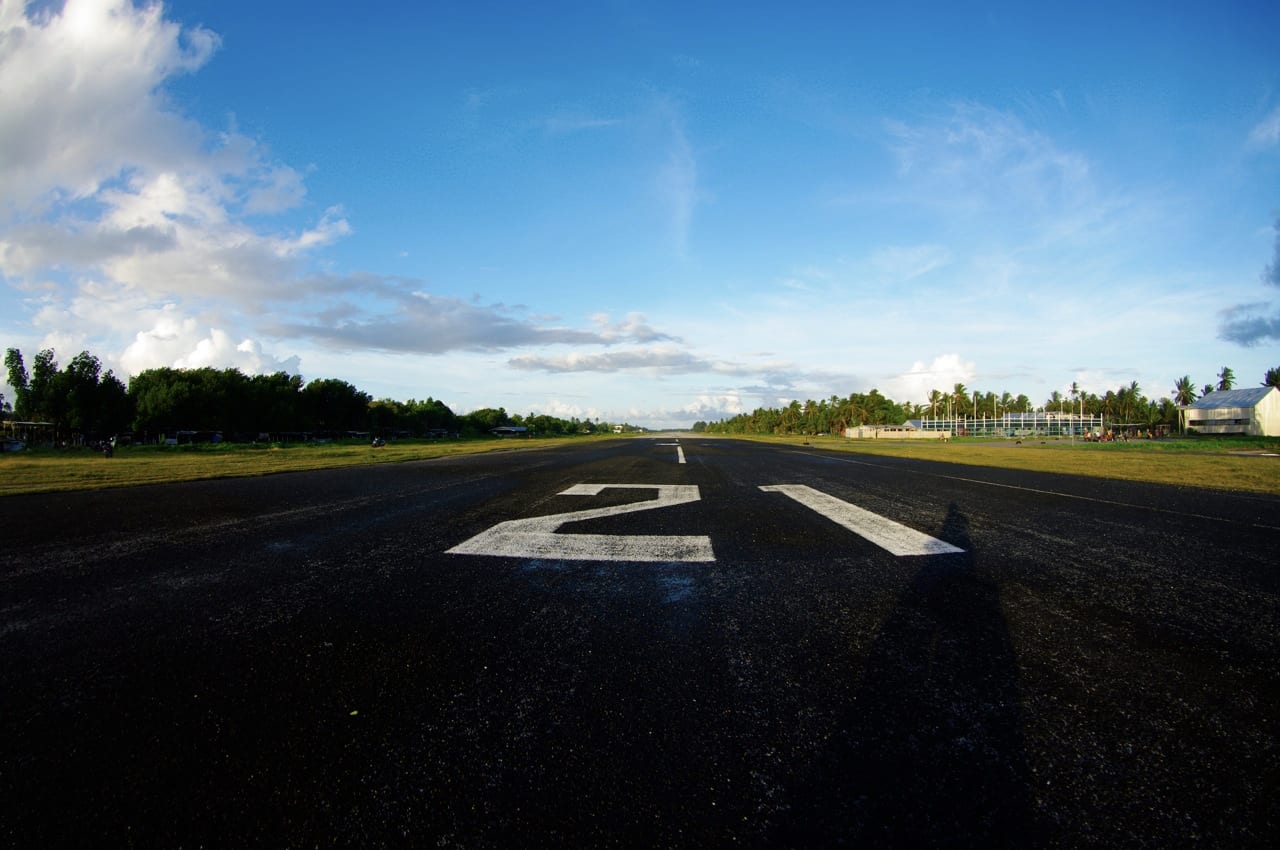
A runway that doubles as the community's football pitch and evening gathering place, and a nation so low-lying it has become the world's clearest symbol of the threat rising seas pose to entire countries
By Worldlore Editorial · 9 September 2026
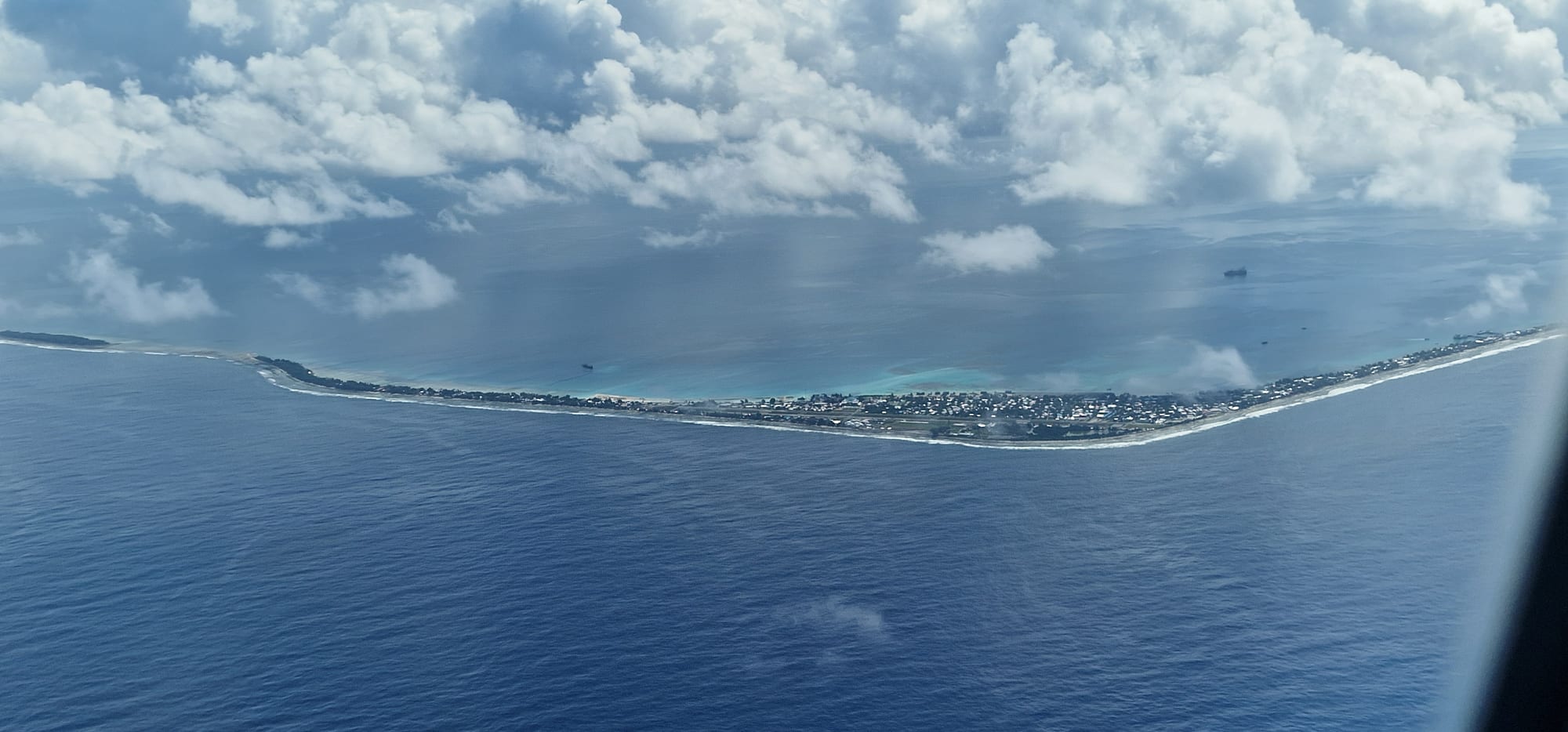
One of the smallest and most vulnerable nations on earth
Tuvalu, a chain of nine small coral atolls in the Pacific, is among the smallest and least-visited sovereign nations in the world, with a total population of around 11,000 people and a highest point only a few metres above sea level. This extreme low elevation has made Tuvalu one of the most internationally cited examples of a nation facing existential risk from rising sea levels, its government among the most vocal advocates globally for urgent climate action.
The four below cover daily life on Funafuti, the main atoll, where the great majority of Tuvalu's population lives. Given the very limited tourism infrastructure, a visit here is a genuinely off-the-beaten-path undertaking.
1. Funafuti
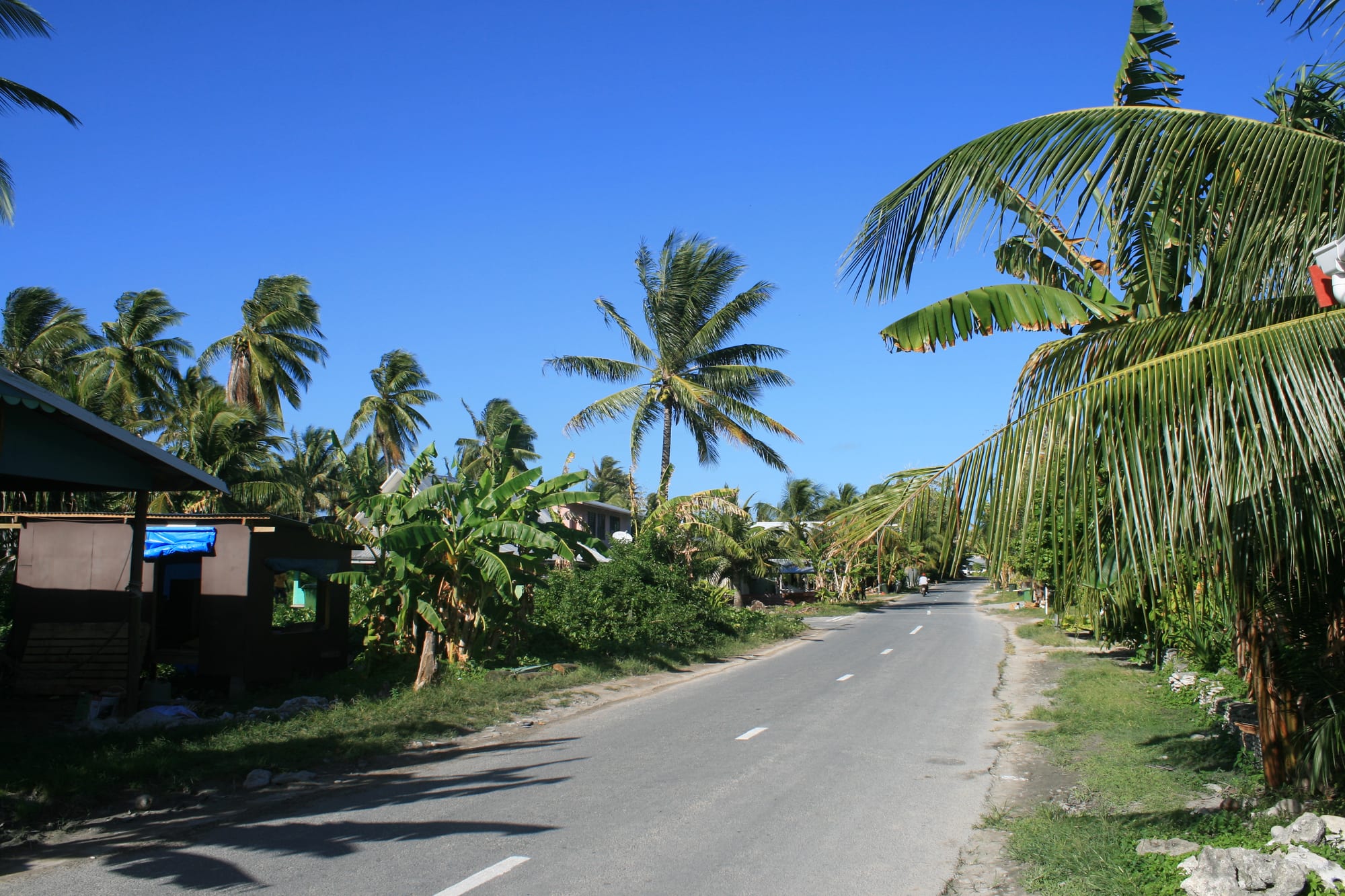
Funafuti, Tuvalu's capital atoll, is home to the great majority of the country's population, packed onto a narrow strip of coral so slim in places that the lagoon and open ocean are both visible simultaneously from the main road. Daily life here is shaped directly by the atoll's extraordinarily limited land area and elevation.
2. The airport runway
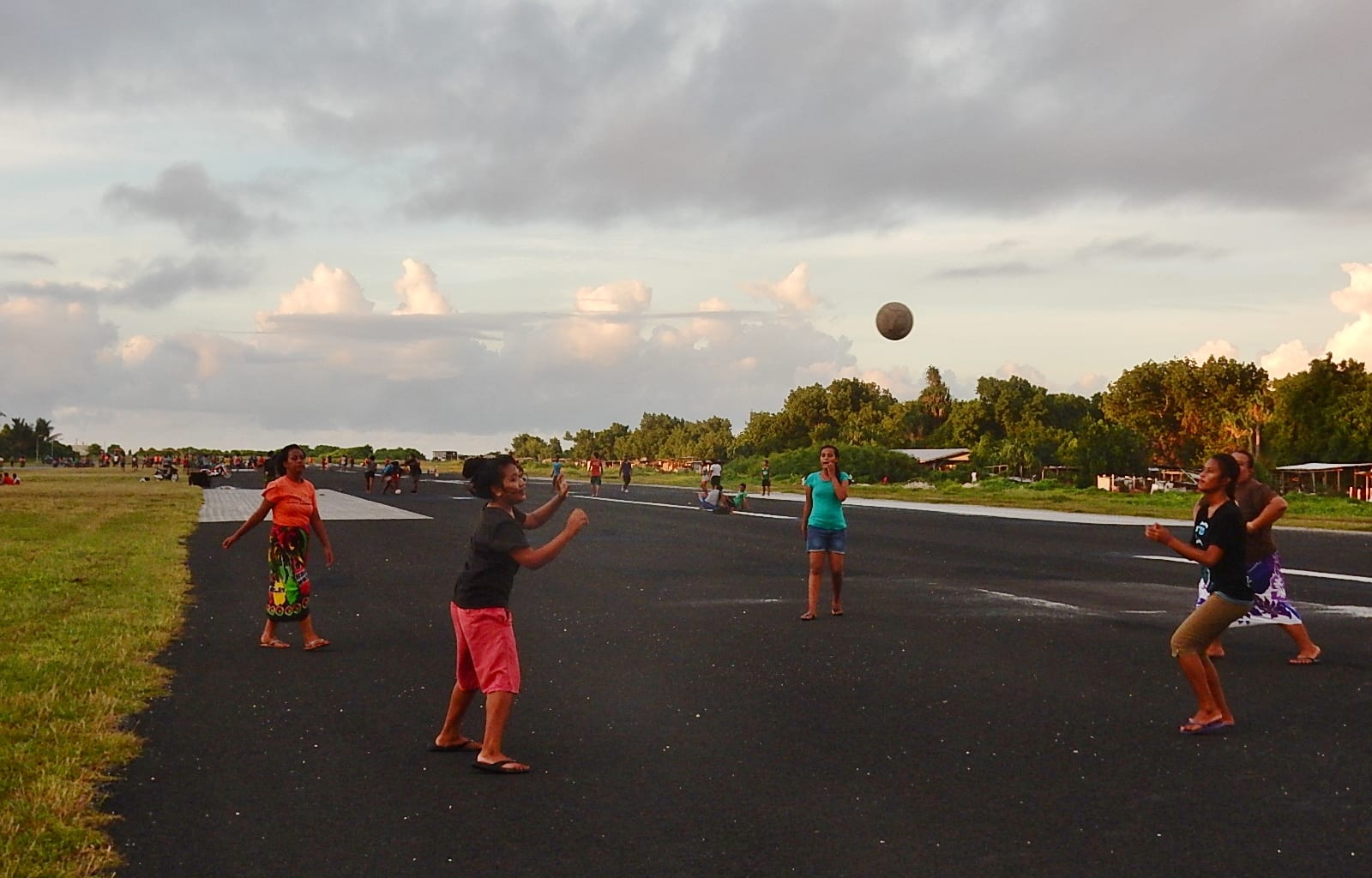
Funafuti's single airstrip, given the atoll's extremely limited land area, doubles as the community's main open public space whenever a plane is not about to land — used for football and volleyball games, evening walks, and communal gatherings, a distinctly Tuvaluan solution to the challenge of having almost no available flat land anywhere else on the atoll.
3. Funafuti's lagoon
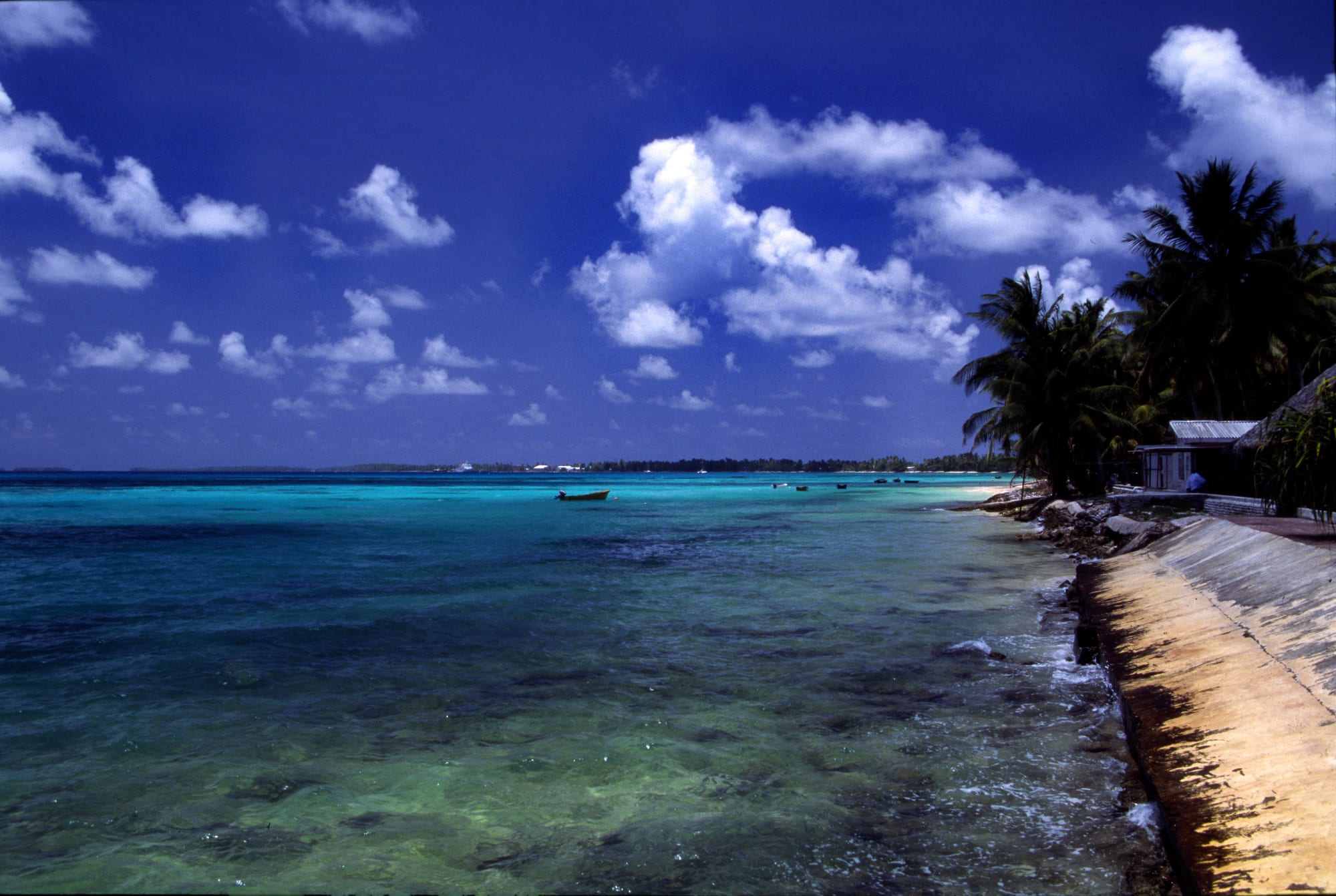
Funafuti's lagoon, calmer and more sheltered than the exposed ocean side of the atoll, is protected in part as the Funafuti Conservation Area, holding coral reef, seabird nesting sites, and green sea turtles. Snorkelling and swimming here remain some of the simplest and most rewarding activities available to the small number of visitors who make it to Tuvalu.
4. A nation defined by the sea
Tuvalu's extreme low elevation — its highest point only around 4.6 metres above sea level — has made it one of the world's most frequently cited examples of a country facing existential risk from climate change and rising seas, a reality the Tuvaluan government has raised repeatedly at international climate forums, including a 2021 address delivered by a minister standing knee-deep in seawater to dramatise the threat directly. Any visit here carries with it a direct, visible sense of just how precarious the nation's long-term future is.
Tuvalu remains genuinely difficult to reach, served by only a handful of weekly flights from Fiji, and suits travellers specifically drawn to the most remote and least-visited corners of the Pacific rather than a conventional beach holiday.