Attractions & Natural Wonders · Turkmenistan
Turkmenistan: Six Attractions and Natural Wonders
A crater of burning natural gas that has blazed continuously for decades, a capital built almost entirely from white marble, and the ruins of a Silk Road city once among the largest on earth
By Worldlore Editorial · 10 September 2026
An isolated country with a genuinely unique landmark
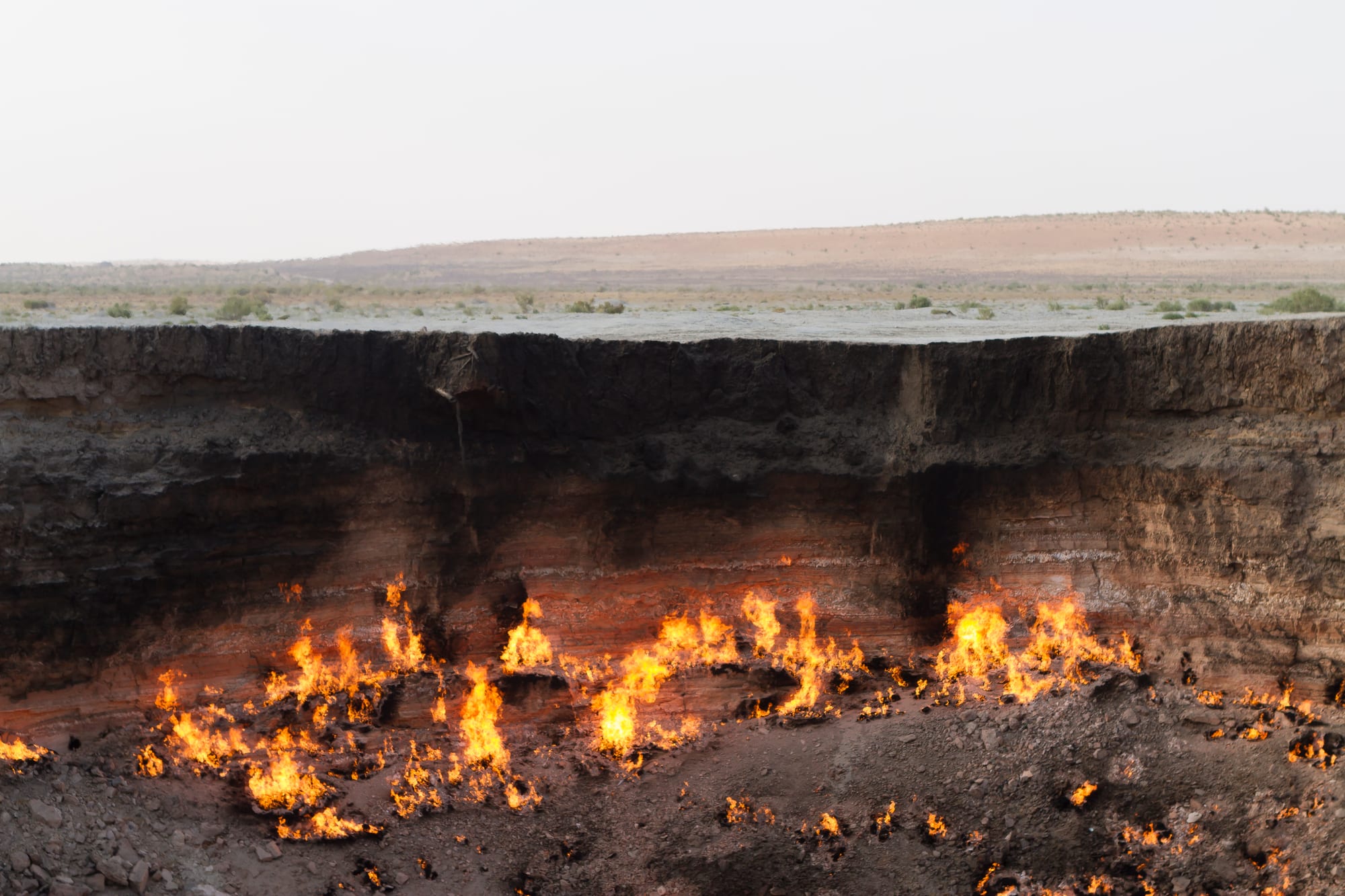
Turkmenistan, one of the most closed and tightly controlled countries in Central Asia, remains difficult to visit independently, with most tourism channelled through guided group tours and limited visa access. What tourism does exist centres on one of the most genuinely singular sights on earth — a crater of natural gas that has burned continuously since Soviet engineers reportedly set it alight in the 1970s to prevent methane leakage, still blazing decades later.
The six below are spread across the Karakum Desert and the country's historic and modern urban centres. Guided tours remain by far the most practical way to see any of these sites, given the country's tightly managed visa and travel system.
1. The Darvaza Gas Crater
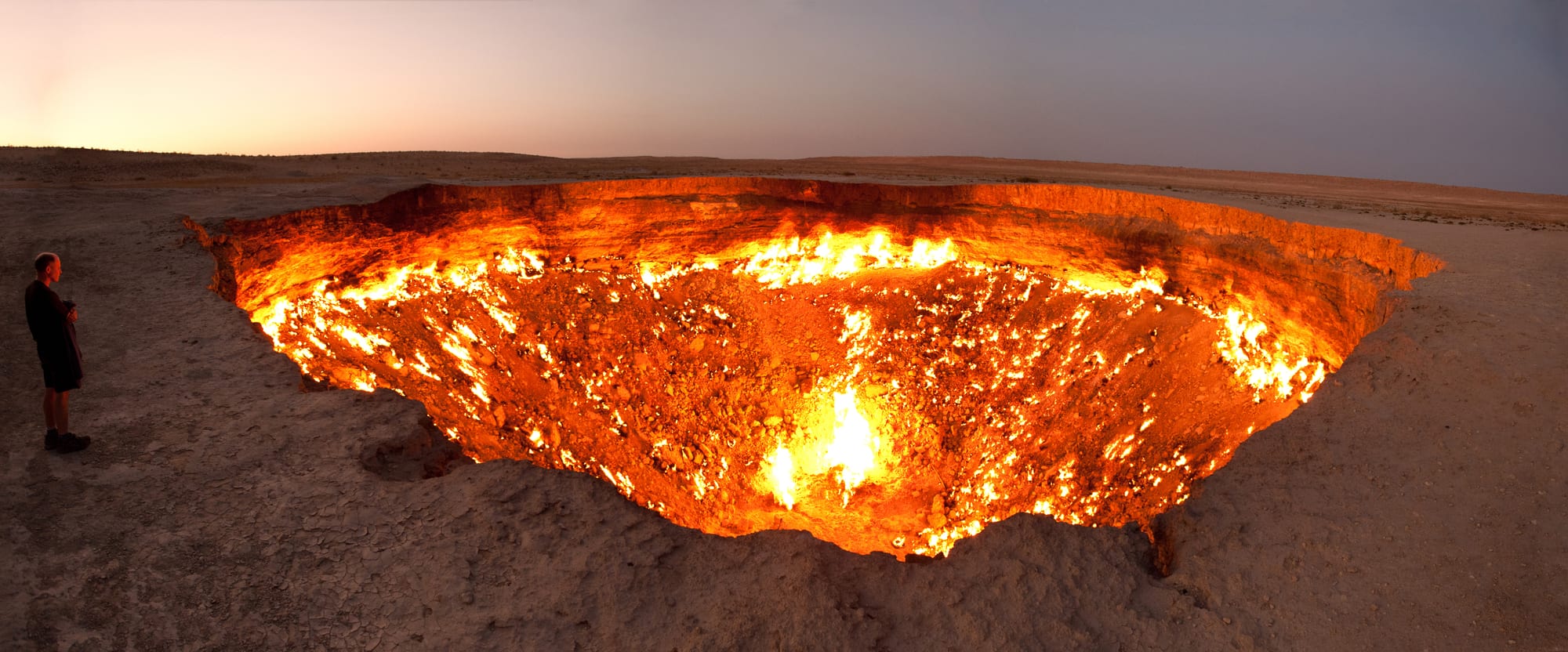
The Darvaza Gas Crater, nicknamed the "Door to Hell," formed when a Soviet drilling operation reportedly collapsed into an underground gas cavern in 1971; engineers set the escaping gas alight expecting it to burn out within days, but the crater has continued burning ever since, more than five decades later. Visiting at night, when the flames are most visible against the dark desert, has become the centrepiece of most Turkmenistan itineraries.
2. Ashgabat
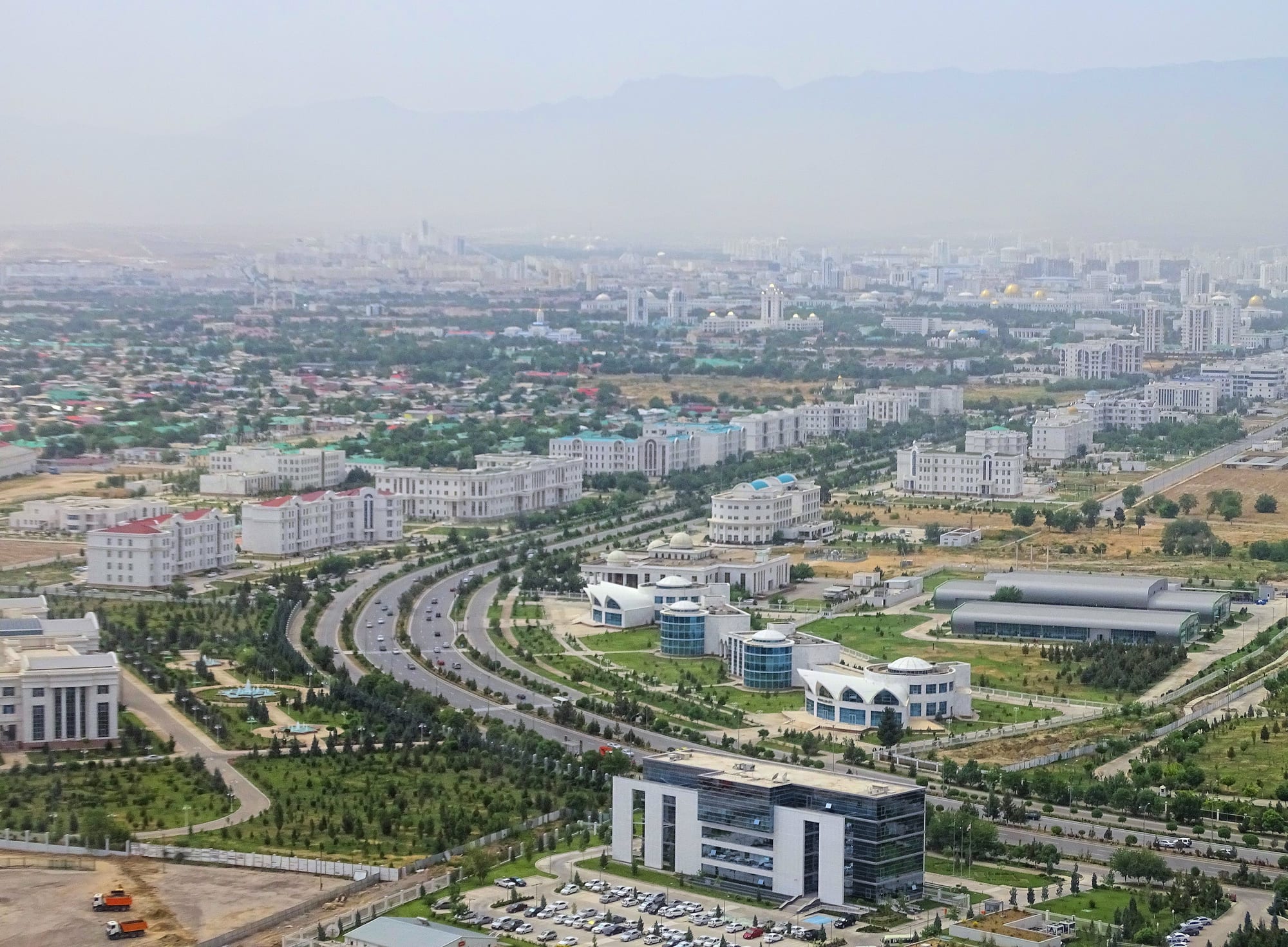
Ashgabat, Turkmenistan's capital, was rebuilt on a vast scale following a devastating 1948 earthquake and later, under independence, transformed again into a city of gleaming white marble buildings and monuments — the city holds a Guinness World Record for the highest concentration of white marble buildings anywhere on earth, giving it an unusually uniform, almost surreal architectural character.
3. Merv
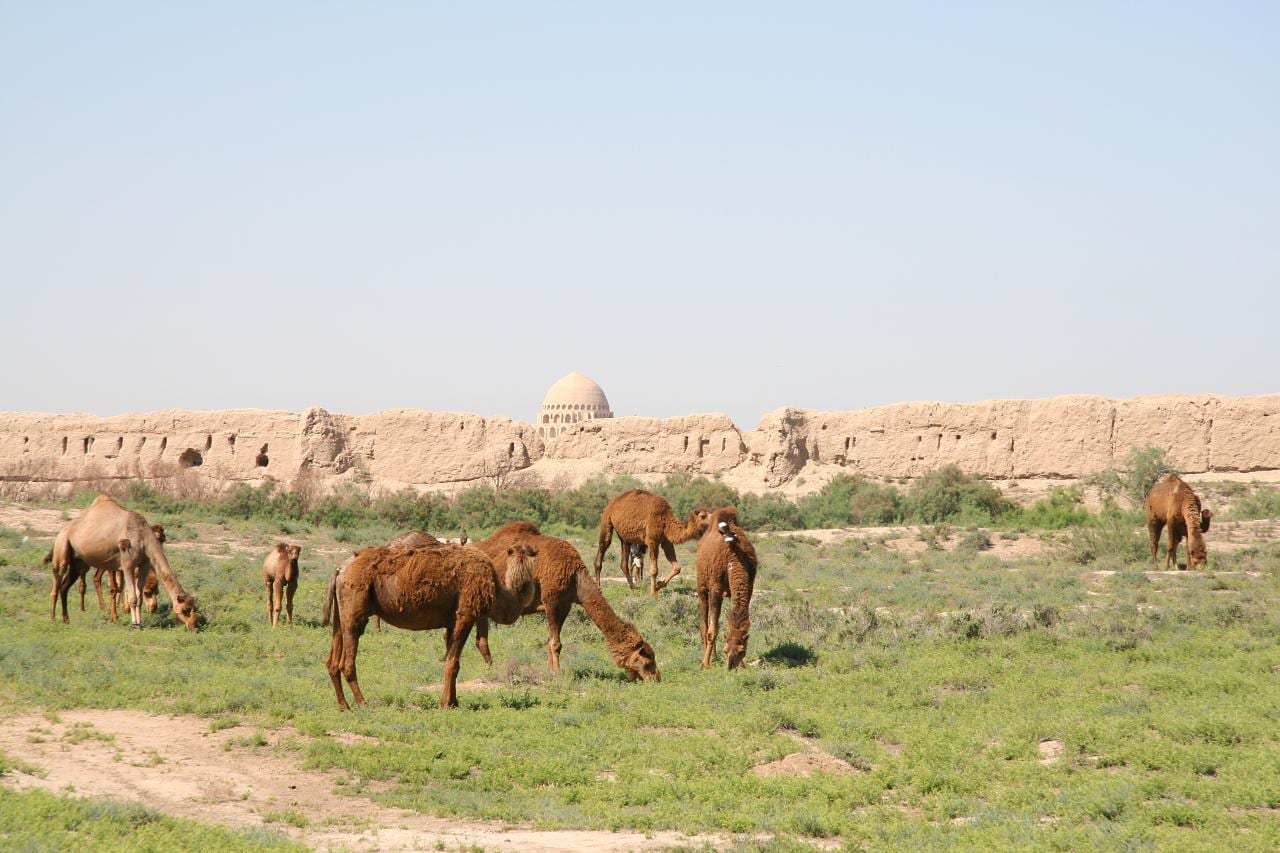
Merv, a UNESCO World Heritage Site, was once among the largest cities in the world and a major Silk Road trading hub before its devastating destruction by Mongol forces in the 13th century, an event that killed a substantial share of its population. Its extensive ruins, including fortress walls and mausoleums, remain one of Central Asia's most significant and least-visited archaeological sites.
4. Kow Ata underground lake
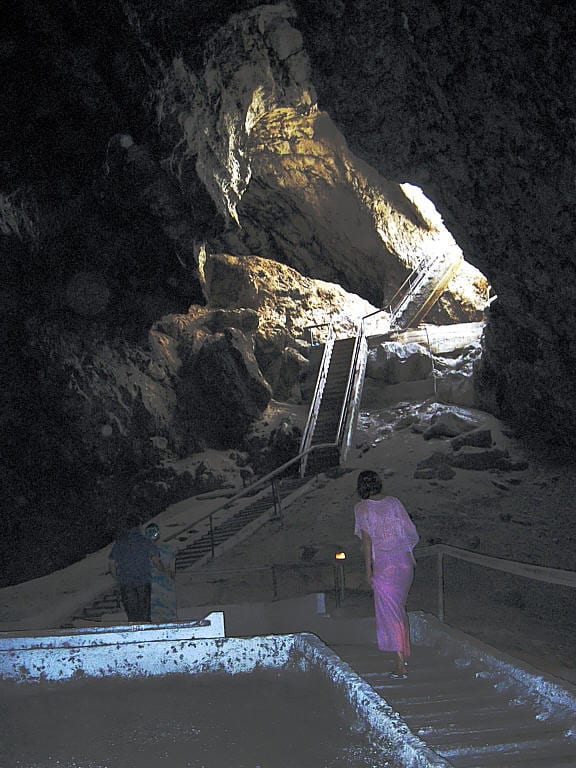
Kow Ata, a warm underground lake formed within a limestone cave roughly 60 metres below the surface, offers a genuinely unusual swimming experience — mineral-rich, naturally heated water in near-total darkness, reached by a long stairway descending into the cave. It remains one of the more accessible natural curiosities included on most organised Turkmenistan itineraries.
5. Nisa
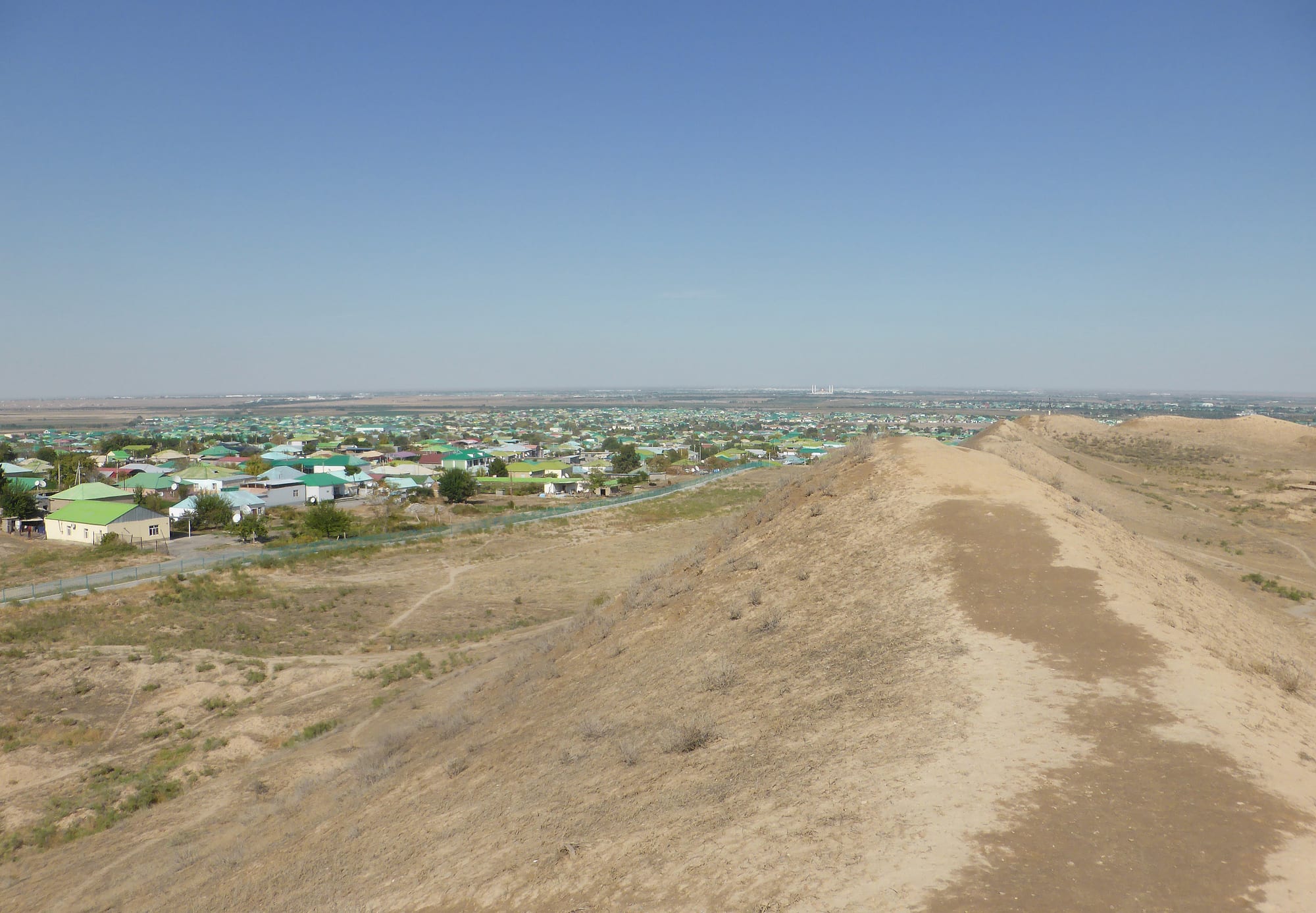
Nisa, just outside Ashgabat, was a royal fortress and treasury of the Parthian Empire around 2,000 years ago — now reduced to eroded earthen ramparts, but a UNESCO World Heritage Site whose excavations have yielded elaborate ivory drinking horns and other treasures now displayed in Ashgabat's National Museum.
The mounded ruins offer little in the way of standing architecture, but reward visitors with sweeping views over the surrounding plain.
6. The Akhal-Teke horse

The Akhal-Teke, Turkmenistan's national symbol and one of the oldest horse breeds in the world, is famous above all for a metallic, almost golden sheen to its coat, produced by a unique hair structure rather than colour alone. Bred for endurance across the Karakum for thousands of years, the breed appears on the national emblem and currency alike.
Visitors can see the horses at stud farms and the annual Turkmen Horse Day celebrations, one of the country's proudest national occasions.
Turkmenistan is realistically visited only through an organised tour given its restrictive visa system, with a trip typically combining Ashgabat, the Darvaza crater, and Merv over a week or so.