Daily Life · Turkey
Turkey: A Day Measured in Tea Glasses
Households that have shrunk to around three people in a generation, a working week that still leaves Sunday free, and a national habit of black tea, several small glasses at a time, that tops the world's per-person rankings
By Worldlore Editorial · 30 September 2026
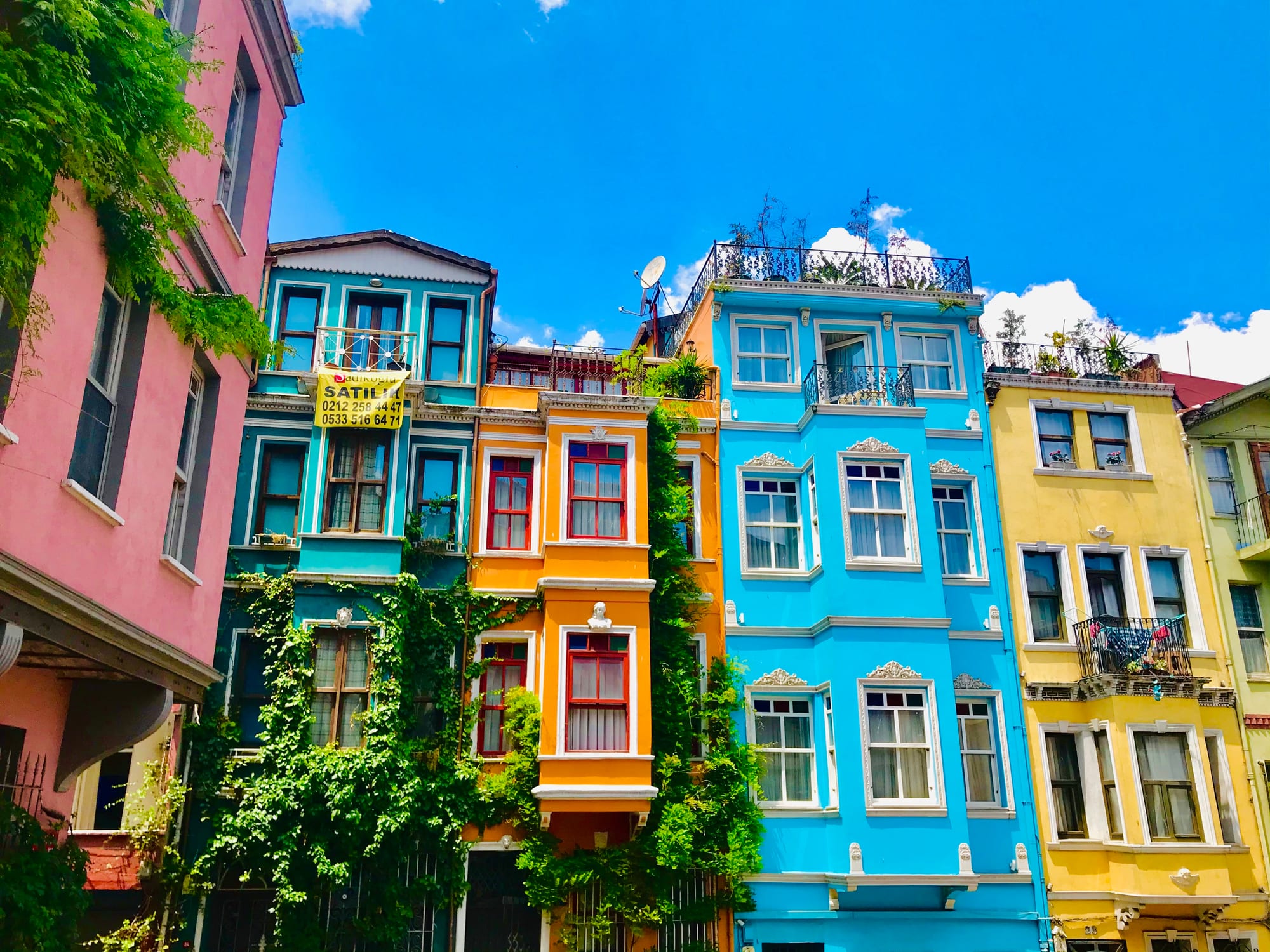
An ordinary day in Turkey runs on tea. Small tulip-shaped glasses of black çay appear at breakfast, in shops between customers, at work desks, and at any pause in the day, often refilled as soon as they are drained. Around that constant is a country of roughly 86 million people whose households have shrunk sharply in a single generation, whose working week still leaves Sunday off, and whose public life plays out as much in markets and tea houses as in any home.
Family and home life
The average Turkish household held four people in 2008; by 2025 it had fallen to about 3.1, according to the national statistics institute, TÜİK, as more people live alone, marry later or live in smaller households; single-person homes rose to about one in five by 2025. Extended families sharing one roof still exist and are more common in the countryside than in the big cities, but nationwide they have become a minority arrangement, at about 13.5 per cent of households in 2025, well behind the nuclear family. Many Turks live in apartment blocks rather than houses, a pattern especially visible in the cities, where a family flat can stay in the same hands for decades.
Work, school and the rhythm of the day
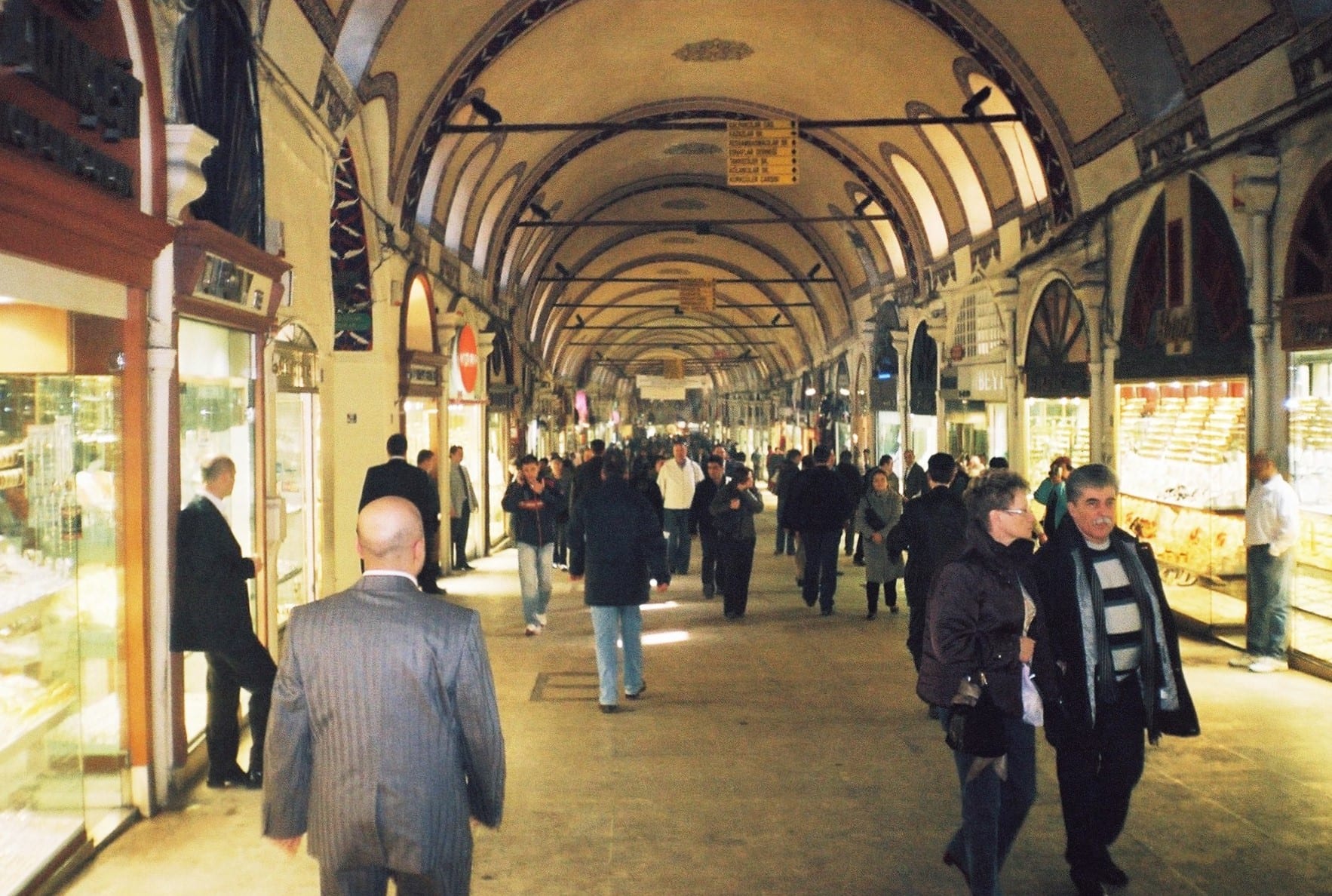
Turkish labour law sets the standard working week at 45 hours, with work beyond that paid as overtime. Offices generally keep a Monday-to-Friday week, but many shops and private businesses also open on Saturday, leaving Sunday as the main weekly day of rest. Small shops, market stalls and tea houses keep far longer and looser hours, often open from early morning into the evening and at weekends. The school week runs Monday to Friday, with the length of the school day varying by school and level.
Community life and public spaces
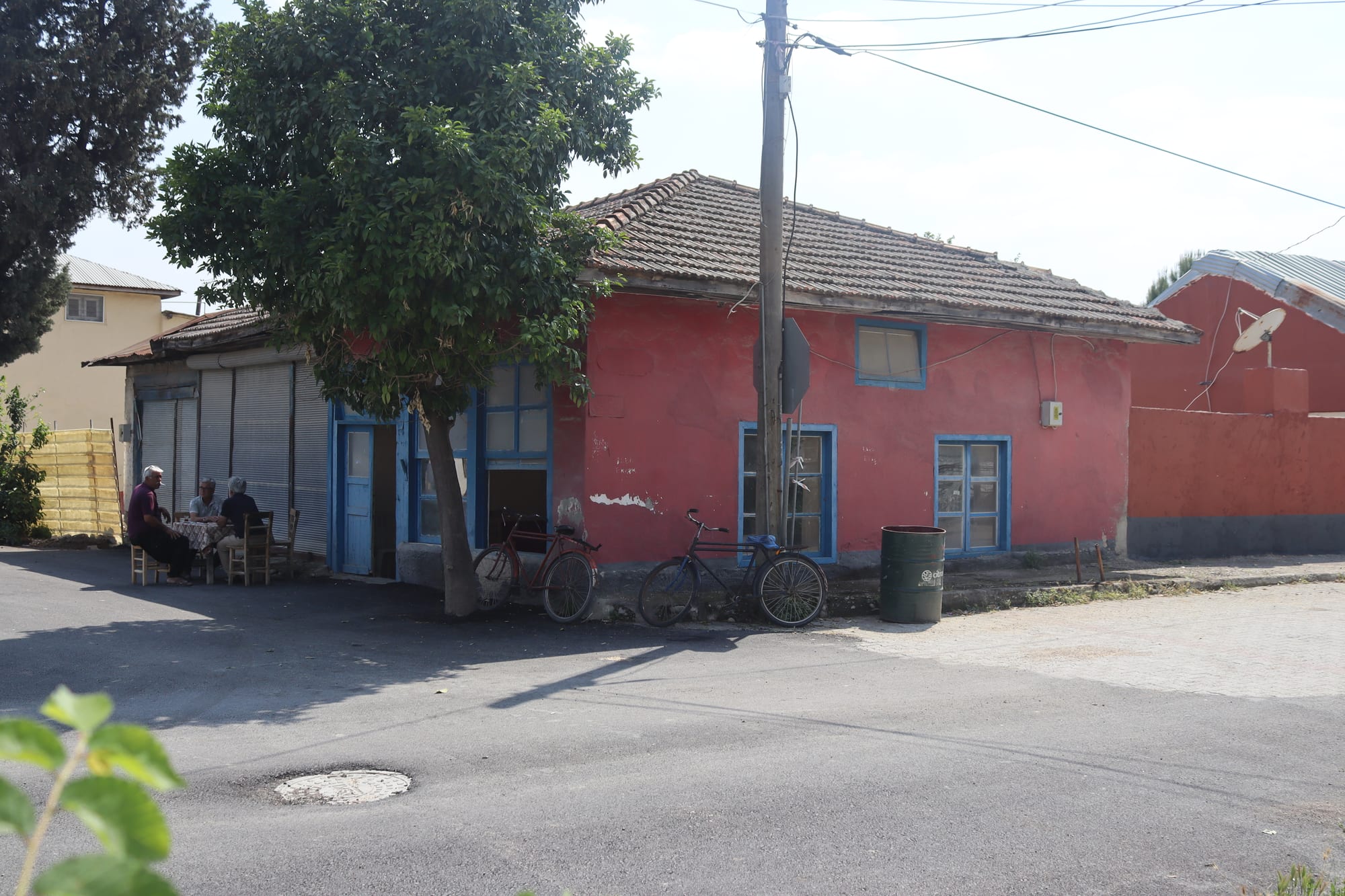
Markets and covered bazaars remain a genuine daily destination rather than a tourist backdrop: a weekly neighbourhood produce market (pazar) sets up in many towns and city districts on a fixed day, and permanent covered bazaars, the largest and most famous in Istanbul, do steady trade in textiles, jewellery, food and household goods on most days. Tea houses, kahvehanes, function as a kind of public living room, mostly for men in smaller towns, where regulars sit for hours over tea or coffee and games of backgammon or okey, a tile-based rummy game. Ferries remain an everyday form of transport as well as a place to be outdoors, carrying commuters across the Bosphorus and along the coasts of cities built on water.
Free time and weekends
With Sunday the main day off, weekends centre on extended family lunches, visits to relatives, and, for those within reach of it, the coast. Football, the most popular sport, commands enormous everyday attention, watched in cafés and tea houses as much as at home, and the rivalry between Istanbul's big three clubs, Galatasaray, Fenerbahçe and Beşiktaş, shapes conversation well beyond match days. Parks and waterfront promenades fill in the evenings and at weekends in cities, and where a family has a village connection, a weekend or summer trip back to it remains a common pattern even generations after the move to the city.
A visitor's ordinary day
Cards are widely accepted in cities and tourist areas, but small shops, market stalls and towns off the main tourist routes still favour cash in Turkish lira. Public transport in Istanbul mixes trams, a metro, buses and ferries, all usable with a single rechargeable transit card, while intercity travel relies on a dense network of long-distance buses, cheap domestic flights and high-speed trains linking Ankara with Istanbul, Konya and beyond. Flights across the Middle East have been disrupted by the regional war since February 2026, so international routings can change. Shops and bazaars typically open by mid-morning and stay open into the evening most days, with Sunday the quietest day outside tourist zones. Tea is the everyday drink when sitting down, and it is often offered unasked when doing business in a shop or waiting anywhere for any length of time.
What to take away
What holds an ordinary Turkish day together is less any single institution than a shared, constant backdrop: a shrinking but still tightly connected family, a working rhythm built around a Sunday off, and a glass of tea that turns up, unbidden, in almost every pause between them.