History · Timor-Leste
Timor-Leste: The Nation That Outlasted an Occupation
The eastern half of a small island, colonised by Portugal for four centuries — independent for nine days in 1975 before Indonesia invaded, then held for 24 years at the cost of perhaps a third of its people, and finally free in 2002
By Worldlore Editorial · 10 September 2026
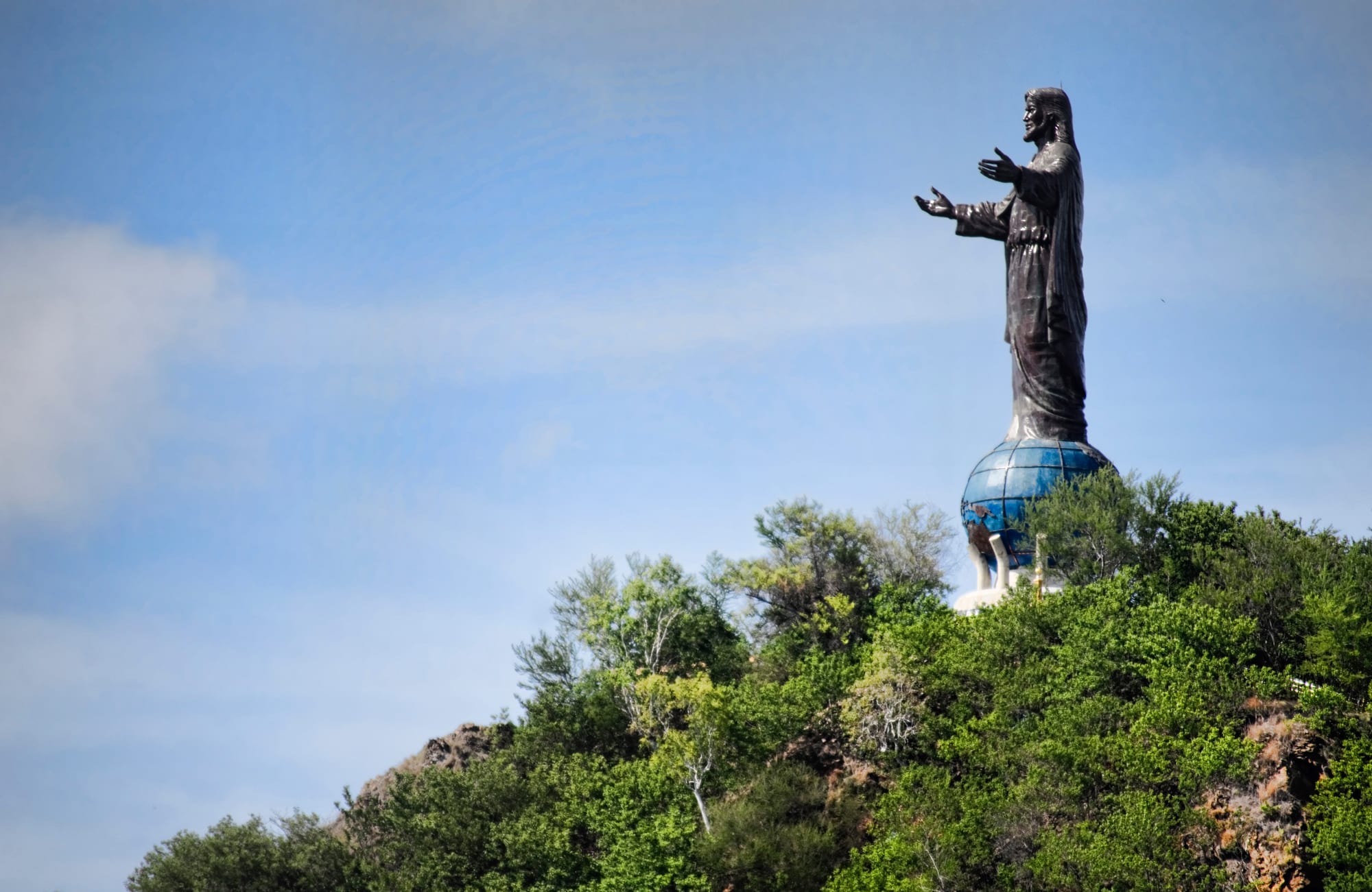
A small country with a long fight behind it
Timor-Leste (East Timor) occupies the eastern half of the island of Timor, plus a small enclave on the western, Indonesian side, and the islands of Atauro and Jaco — about 1.4 million people, most of them subsistence farmers, speaking Tetum and Portuguese along with a dozen other languages. It is one of the youngest countries in the world, fully sovereign only since 2002, and its national identity was forged in a 24-year resistance to Indonesian occupation that killed, by the truth commission's estimate, at least 100,000 people and possibly far more — a large share of the population.
A short history
- to 1500s
Timorese kingdoms
Small realms trade sandalwood, beeswax and honey.
- 1500s–1975
Portuguese Timor
Portugal claims the east; the Dutch take the west.
- 1942–1945
Japanese occupation
Fighting and reprisals kill tens of thousands of Timorese.
- 1974–1975
Decolonisation
Portugal's revolution opens the way; parties form; a brief civil war.
- 28 Nov 1975
Independence declared
Fretilin proclaims the Democratic Republic of East Timor.
- 7 Dec 1975
Indonesian invasion
Indonesia invades and, in 1976, annexes East Timor as its 27th province.
- 1975–1999
Occupation and resistance
Famine, mass killing, and a guerrilla and diplomatic struggle.
- 1991
The Santa Cruz massacre
Troops kill some 250 mourners in Dili; foreign footage shocks the world.
- 1999
The referendum
78.5% vote for independence; pro-Indonesia militias then devastate the territory.
- 2002
Independence
Timor-Leste becomes fully sovereign after UN administration.
Portuguese Timor
Timorese society was organised into dozens of small kingdoms whose prized export was sandalwood. Portuguese traders and Dominican friars arrived in the 16th century, and Portugal gradually asserted control over the eastern half of the island, agreeing a boundary with the Dutch (who held the west) in the 19th and early 20th centuries. Portuguese Timor was a remote, neglected colony — little infrastructure, minimal schooling, a coffee economy run through forced cultivation and labour, and periodic revolts, the largest crushed in 1912. In the Second World War, Australian commandos fought a guerrilla campaign against the Japanese occupiers with Timorese help, and Japanese reprisals and the fighting killed an estimated 40,000–70,000 Timorese.
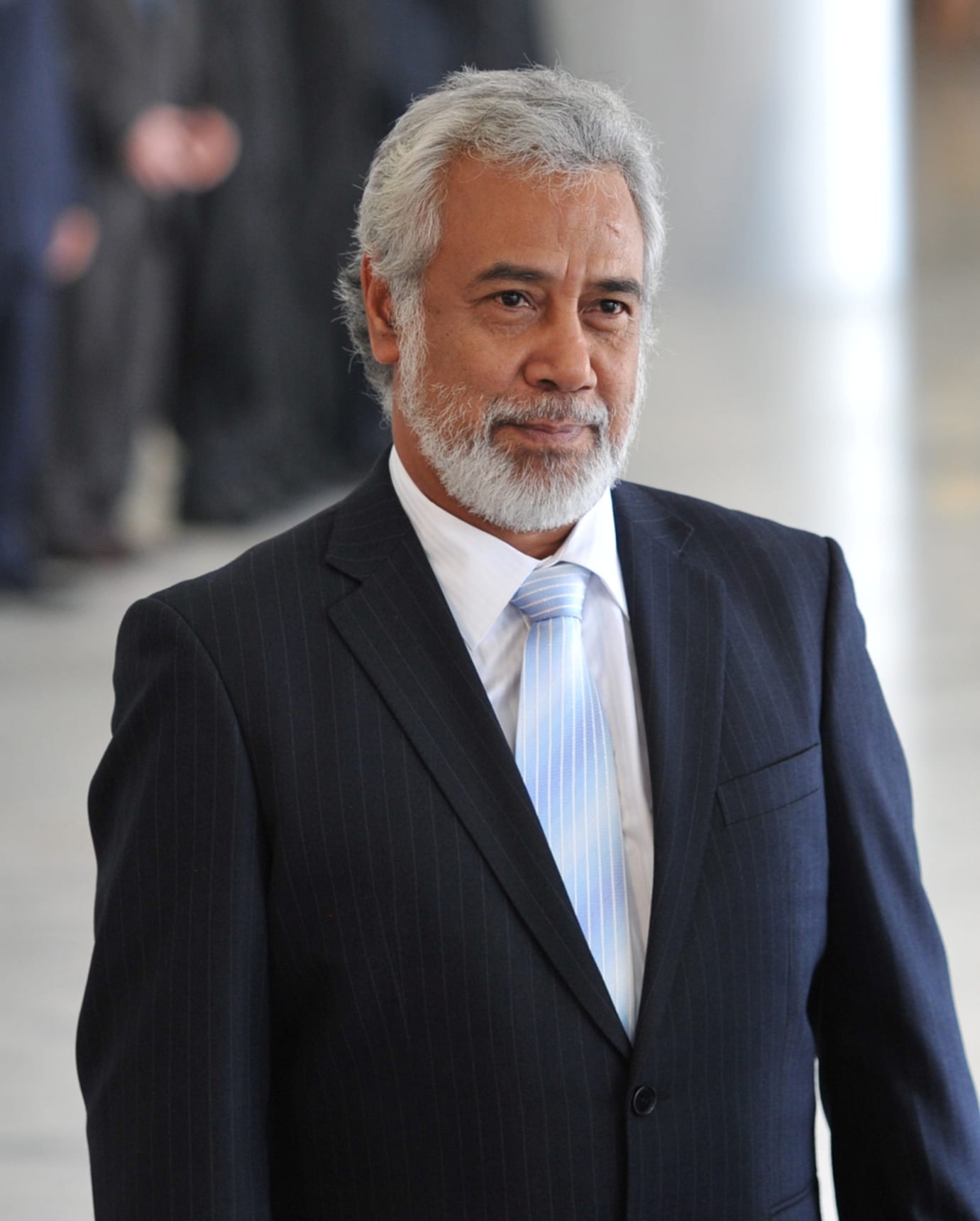
Nine days, then invasion
Portugal's 1974 Carnation Revolution triggered a rushed decolonisation. Timorese political parties formed — the pro-independence Fretilin, the more gradualist UDT, and a small pro-Indonesia party — and a brief civil war between Fretilin and UDT in August 1975 left Fretilin in control. On 28 November 1975 Fretilin declared an independent Democratic Republic of East Timor. Nine days later, on 7 December, Indonesia invaded by sea and air, with the tacit acceptance of the United States and Australia, who valued Suharto's anti-communist Indonesia. Indonesia annexed the territory in 1976 as its 27th province, a move the United Nations never recognised.
Occupation and resistance
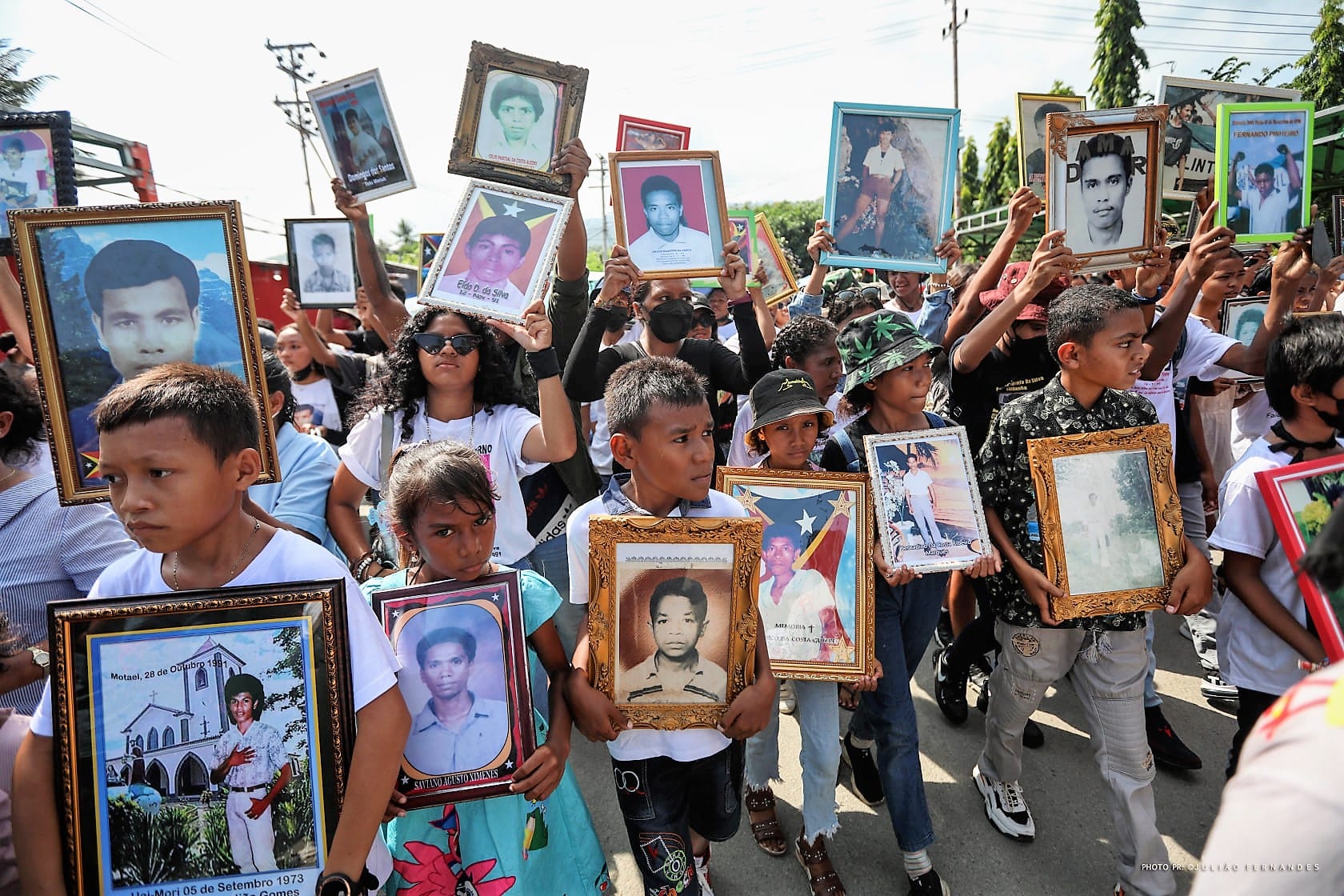
The occupation was brutal, especially in its first years: aerial bombing, forced resettlement, and the destruction of crops caused a famine in the late 1970s in which tens of thousands died. The armed resistance, Falintil, fought on from the interior under leaders including Xanana Gusmão, while a clandestine urban network and an exiled diplomatic effort — José Ramos-Horta prominent among them — kept the cause alive internationally. The turning point in world opinion came on 12 November 1991, when Indonesian troops opened fire on a funeral procession at the Santa Cruz cemetery in Dili, killing around 250 people; foreign journalists filmed it, and the footage broke through years of silence. Ramos-Horta and Bishop Carlos Belo shared the 1996 Nobel Peace Prize.
The referendum and independence
After Suharto fell in 1998, his successor B. J. Habibie unexpectedly offered East Timorese a vote on autonomy within Indonesia or separation. In the UN-run ballot of 30 August 1999, held amid militia intimidation, 78.5 per cent chose independence. Pro-Indonesian militias, organised and armed by elements of the Indonesian military, responded with a scorched-earth campaign: around 1,400 people were killed, most of the population was displaced, and roughly 70 per cent of buildings and infrastructure were destroyed. An Australian-led international force (INTERFET) deployed in September 1999 and Indonesia withdrew. The UN administered the territory for over two years, and Timor-Leste became fully independent on 20 May 2002, with Xanana Gusmão as president.
Timor-Leste now
The new state was desperately poor and institutionally thin, and in 2006 a dispute within the security forces spiralled into deadly factional violence in Dili that required another Australian-led intervention; Ramos-Horta was shot and badly wounded in a 2008 attack. Stability returned, and politics has since been competitive and peaceful, dominated by the independence generation. The economy depends almost entirely on revenue from offshore oil and gas in the Timor Sea, banked in a sovereign wealth fund that is being drawn down faster than it is replenished, making the development of other industries — and a long-disputed onshore gas project — an urgent question. Timor-Leste is set to join the ASEAN regional bloc.
What Timor-Leste carries
Timor-Leste is proof that an occupation can be outlasted: a tiny, poor, half-island territory held on to a national idea for 24 years against a vastly larger neighbour, at a cost measured in a large fraction of its people, and won. The state that emerged is stable and democratic but fragile and oil-dependent, and its central task now is to build an economy and institutions to match the nationhood the resistance created.