Daily Life · Timor-Leste
Timor-Leste: The Clan House and the Sunday Market
Subsistence farming that still feeds most households, a sacred clan house at the centre of family obligation, and one of the most devoutly Catholic populations on Earth living alongside older beliefs in ancestral spirits
By Worldlore Editorial · 30 September 2026
For most Timorese, an ordinary day still runs on the land. About two-thirds of families live at least partly on what they farm or fish themselves, growing maize, rice, cassava and vegetables on small plots worked by hand, and the rhythm of planting and harvest shapes daily and seasonal life far more than any office calendar does. Around this agricultural base sit two deep and, at first glance, quite different loyalties: near-universal Catholic observance, among the most devout in the world, and an older layer of belief in ancestral spirits and sacred houses that Catholicism has never fully displaced. Most Timorese hold both at once, treating them as complementary rather than contradictory parts of the same life.
Family and home life
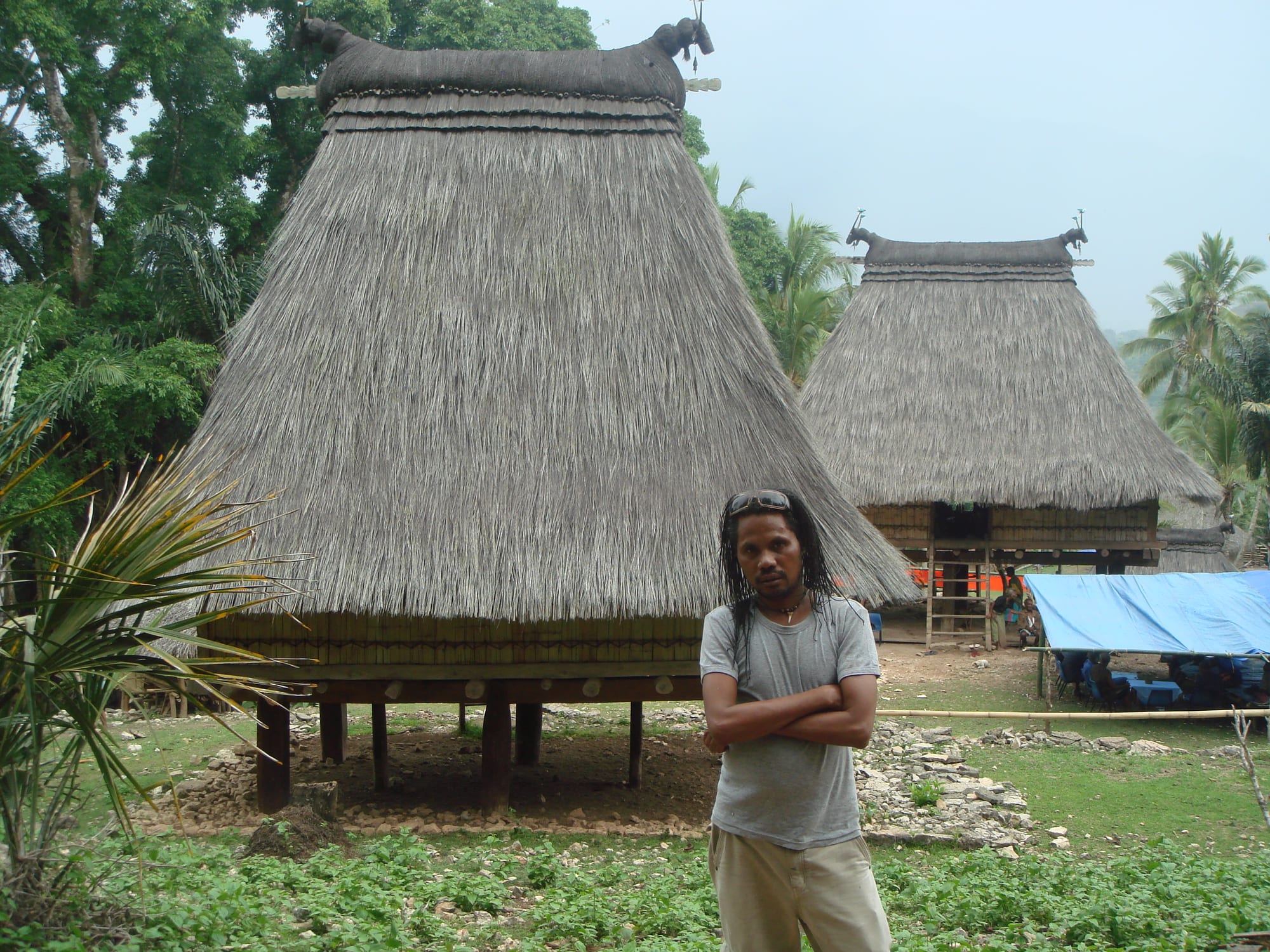
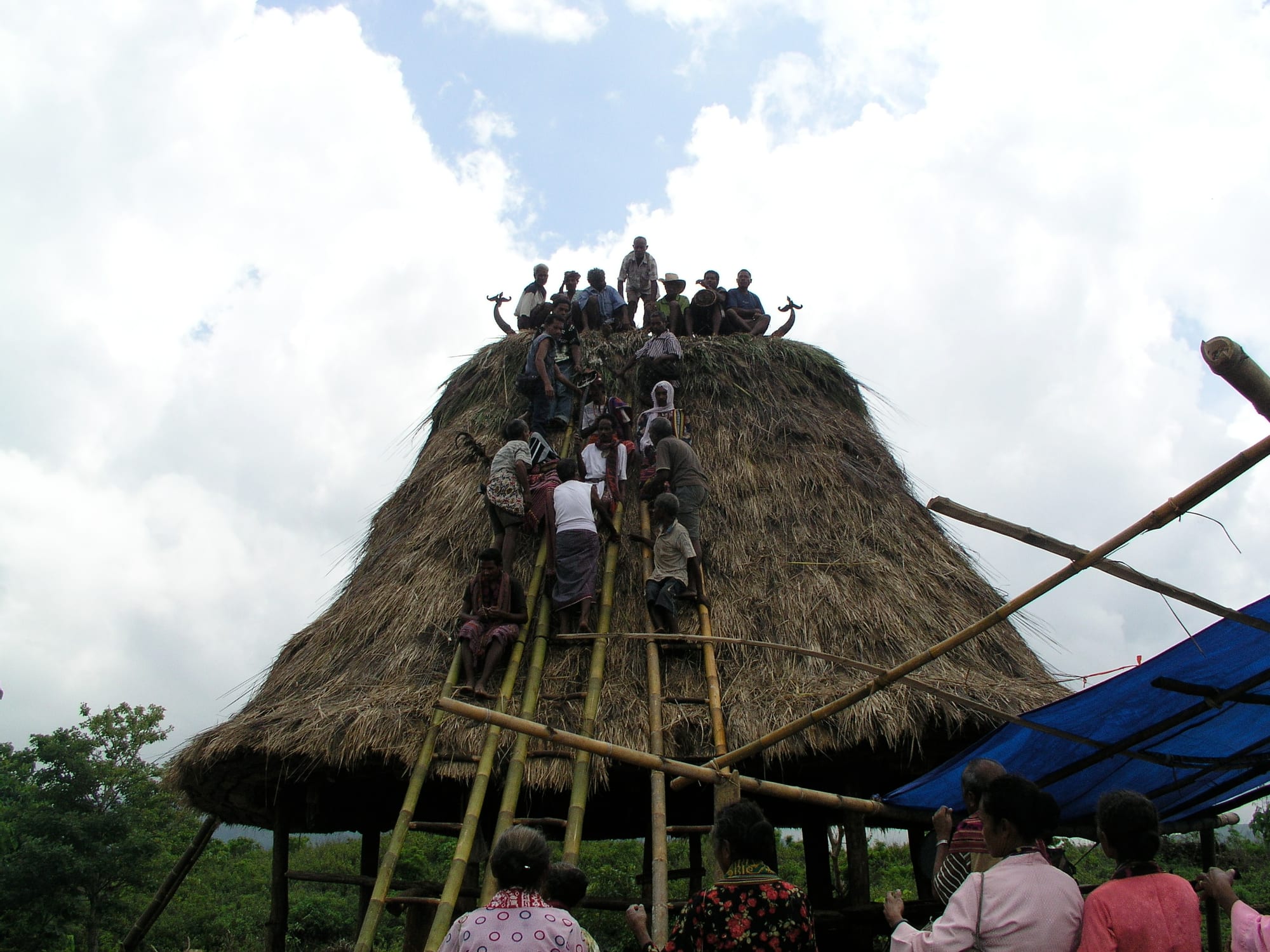
Households are built around the extended family, and in the rural villages where most of the population lives, several generations and related families often live within walking distance of one another, sharing farm work and obligations. Sitting above the ordinary household is the uma lulik, or sacred house, the ritual centre of a clan rather than a place anyone lives day to day, which holds heirlooms and anchors ceremonies around marriage, death and the house's own construction or repair. Building or rethatching an uma lulik is a genuinely communal undertaking, drawing in the wider clan to exchange buffalo, pigs, textiles and labour, and the tais, a handwoven cloth distinctive to each region, is given at many important family occasions, from births to funerals.
Work, school and the rhythm of the day
Farm work follows the wet and dry seasons rather than a fixed schedule, with the wet season, roughly December to May, heaviest for planting and also the hardest time for travel, since rain regularly cuts off district roads. Coffee, grown in the highlands around Ermera and Letefoho, is the main cash crop and a significant source of income for farming households beyond what they grow to eat. Around a quarter of the population lives in or near Dili, the capital and only real city, where formal jobs, government work and the small tourism and dive sector offer an alternative to farming, though unemployment and underemployment remain high nationally. Household income is often modest, and many younger Timorese leave to work abroad, particularly in Australia, the United Kingdom and South Korea, sending money home in a pattern that, while smaller in scale than in some countries, is a real part of many families' budgets.
Community life and public spaces
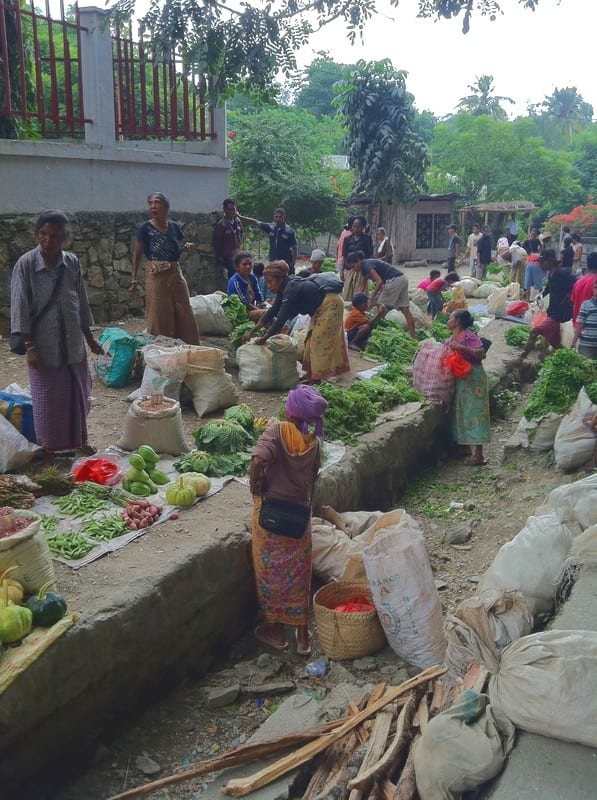
The market is the centre of public life in Dili and every district town, with vendors, mostly women, selling vegetables, fish and household goods from the ground or simple stalls rather than fixed shopfronts, and Sunday markets in particular drawing large crowds from the surrounding area. The Catholic Church anchors community life beyond commerce: nearly every village has its own church, Sunday Mass is very widely attended, and saints' days and processions are genuine community events rather than private observance. Microlets, the shared minibuses that serve Dili, and similar shared transport between towns, are the ordinary way most people get around, filling before they leave rather than running to a timetable.
Free time and weekends
Sunday centres on Mass and, afterward, extended family visits and a shared meal, often the week's most substantial one. Markets, especially Sunday markets, double as a social occasion as much as a shopping trip, and football is followed enthusiastically, played informally in villages and watched, often on a shared television, wherever one is available. National holidays tied to the independence struggle, such as Restoration of Independence Day on 20 May and Popular Consultation Day on 30 August, are marked with genuine public commemoration, reflecting how recent and central that history remains to national identity.
A visitor's ordinary day
Timor-Leste uses the US dollar, which makes cash straightforward, but ATMs are limited to Dili and a few district towns and are not always reliable, and cards are rarely accepted outside larger hotels, so carrying enough cash for a trip is essential. Getting between districts means hiring a sturdy vehicle with a driver or using shared transport, and mountain roads are slow, winding and frequently damaged, especially in the wet season, so journeys take far longer than the distance alone suggests. Markets are liveliest in the morning, and Sunday, given Mass attendance, is a quieter day for most other business outside Dili.
What to take away
What defines an ordinary day in Timor-Leste is the way farming, church and clan obligation all pull in the same direction rather than competing with each other, holding together a young country that is still, in very practical ways, close to its recent history.