Attractions & Natural Wonders · Switzerland
Switzerland: Ten Attractions and Natural Wonders
A near-perfect pyramid of rock and ice that has come to symbolise the Alps themselves, Europe's highest railway station, and the largest waterfall on the continent by volume
By Worldlore Editorial · 10 September 2026
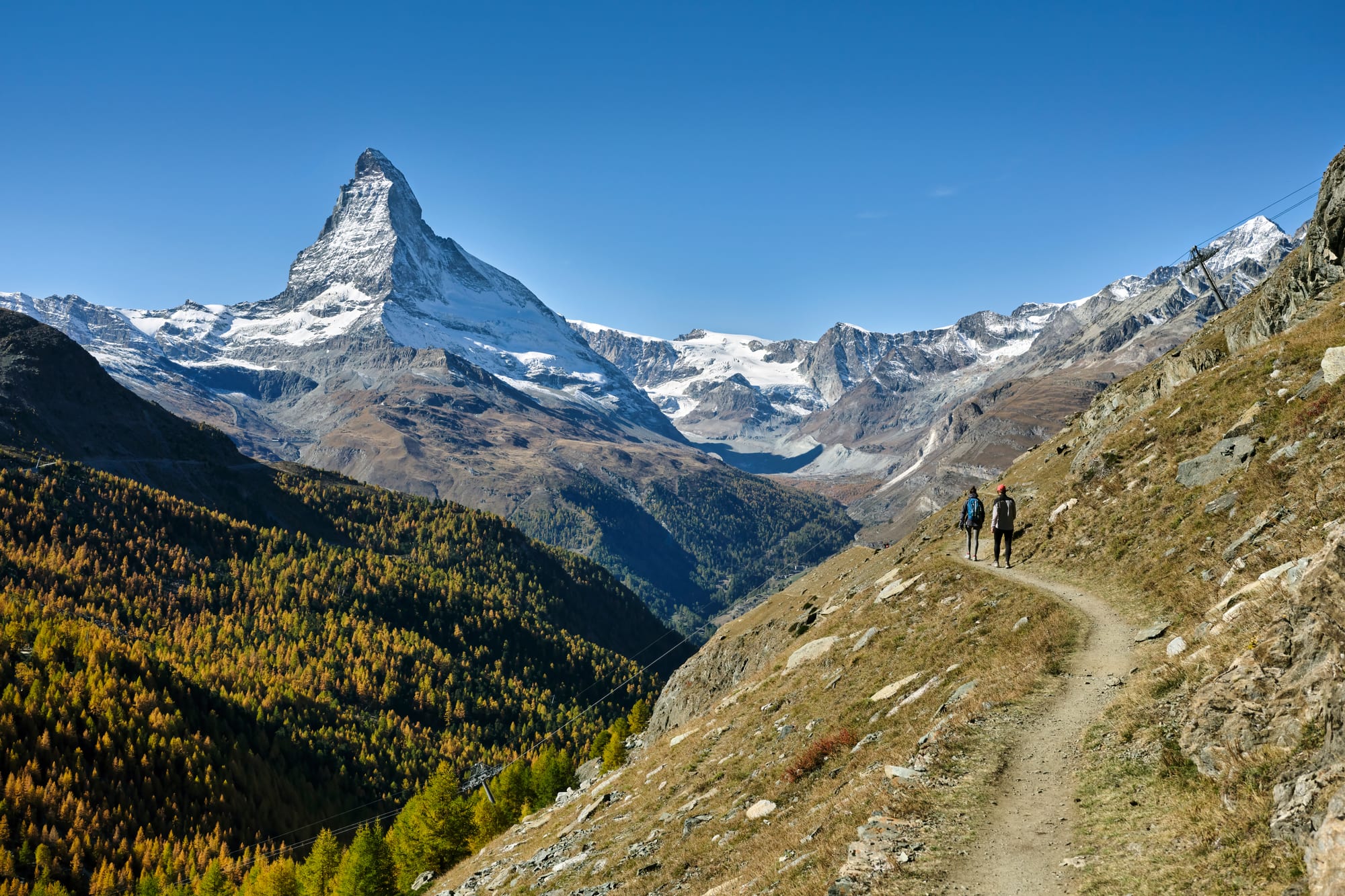
The Alps at their most iconic
Switzerland's compact size belies the range of alpine scenery, engineering feats, and lakeside cities packed within it — a mountain peak so distinctive it appears on a chocolate wrapper recognised worldwide, a rail network that climbs to Europe's highest station through solid rock, and cities built around some of the clearest lakes in Europe. Precision, efficiency, and a deep cultural relationship with the mountains run through nearly everything the country is known for.
The ten below run from the Matterhorn and Jungfrau region to Lucerne, Bern, Geneva, and the Rhine Falls. Summer suits hiking and lower-altitude sightseeing; winter brings the ski season to the high alpine resorts.
1. The Matterhorn
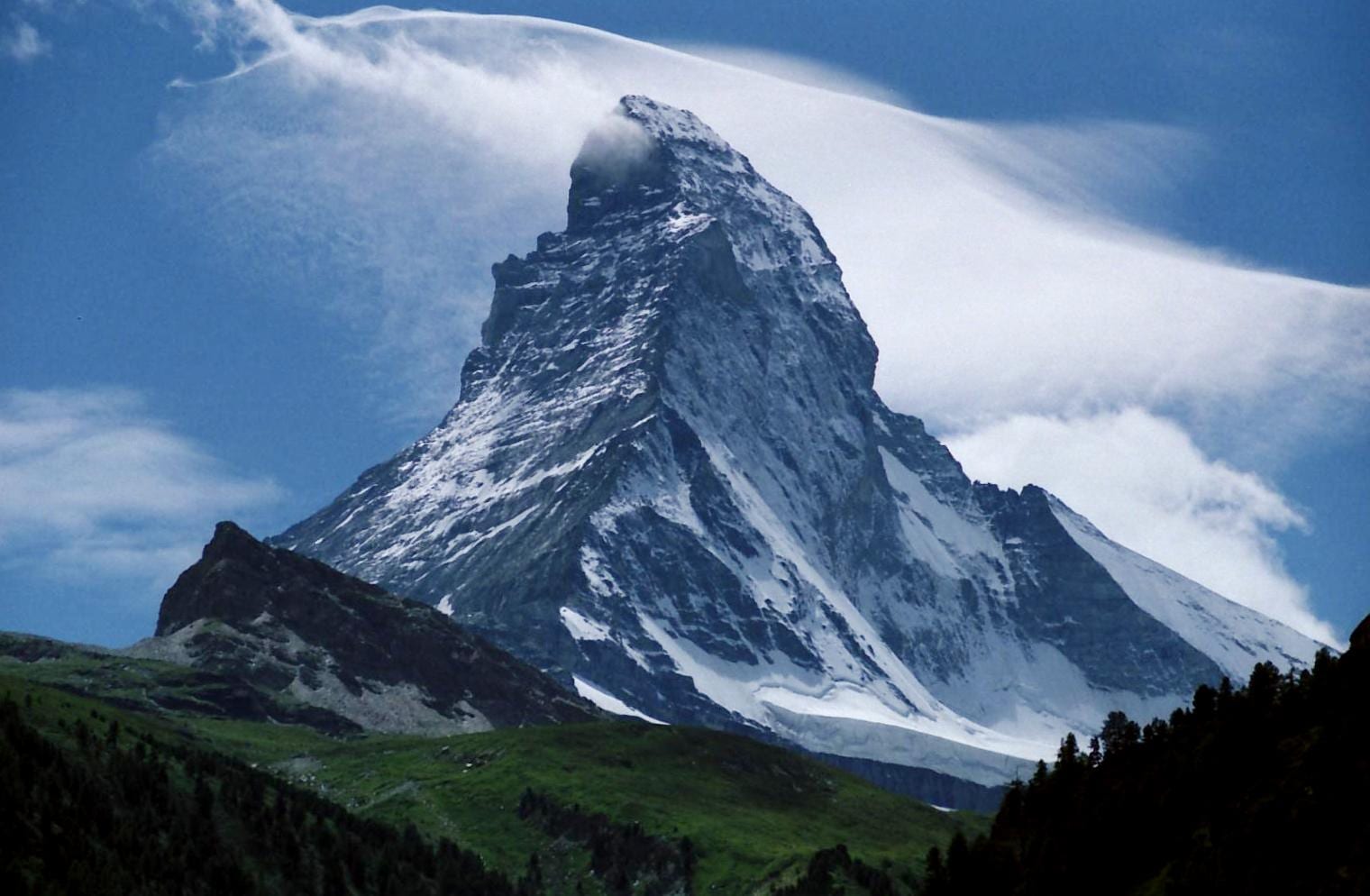
The Matterhorn, with its near-perfect pyramid shape, has become one of the most recognisable mountains on earth, its distinctive silhouette adopted as the logo of the Toblerone chocolate bar. Rising above the car-free resort town of Zermatt, it remains one of the most technically demanding and historically significant peaks in mountaineering, having claimed lives during its first successful 1865 ascent, an event still marked in local memory.
2. Jungfraujoch
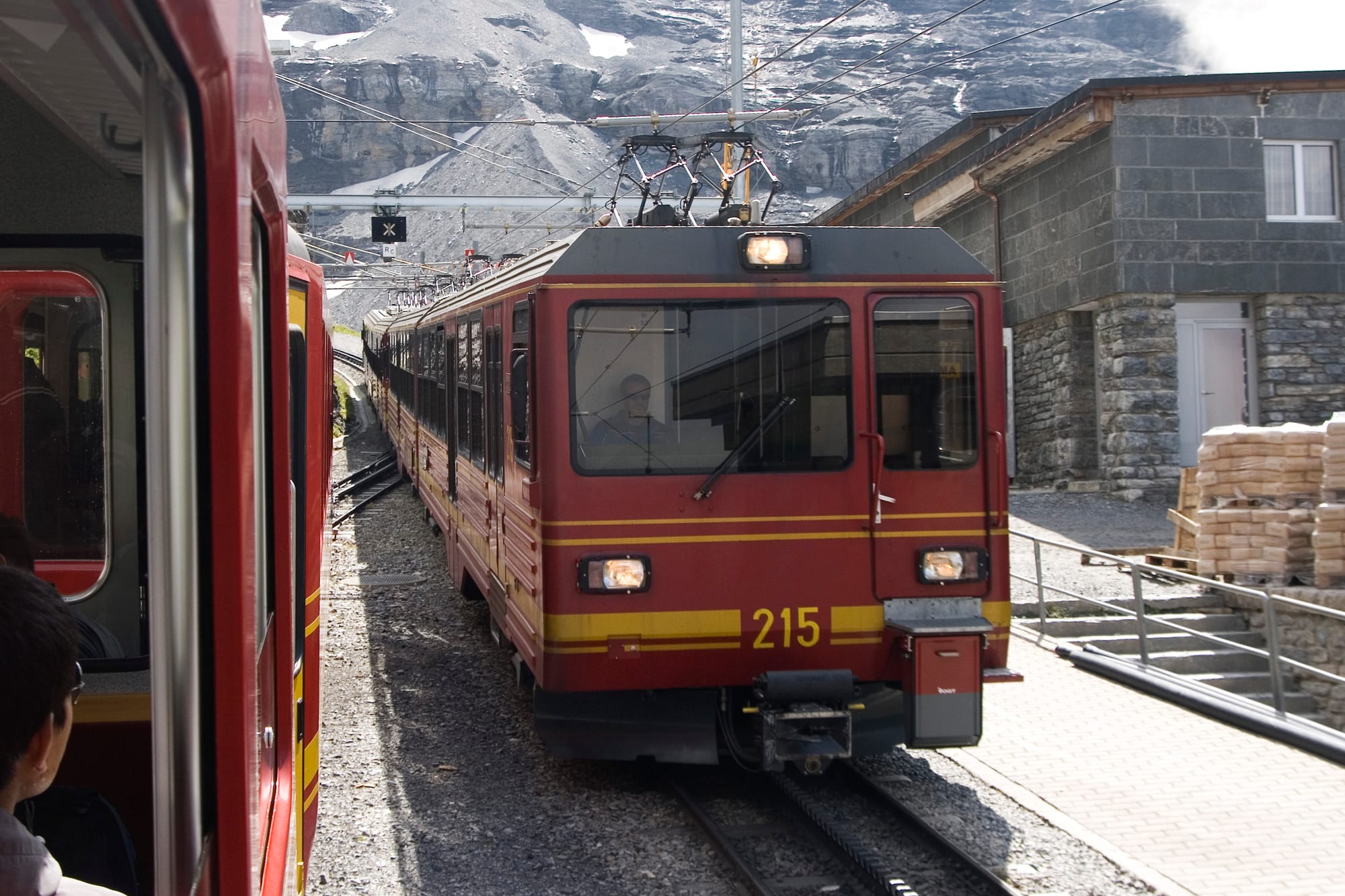
Jungfraujoch, nicknamed the "Top of Europe," is reached by a remarkable cog railway completed in 1912 that tunnels directly through the Eiger and Mönch mountains to reach Europe's highest railway station, at over 3,400 metres. An observation deck and ice palace carved into a glacier give visitors an alpine high-altitude experience without any climbing required.
3. Lake Lucerne and the Chapel Bridge
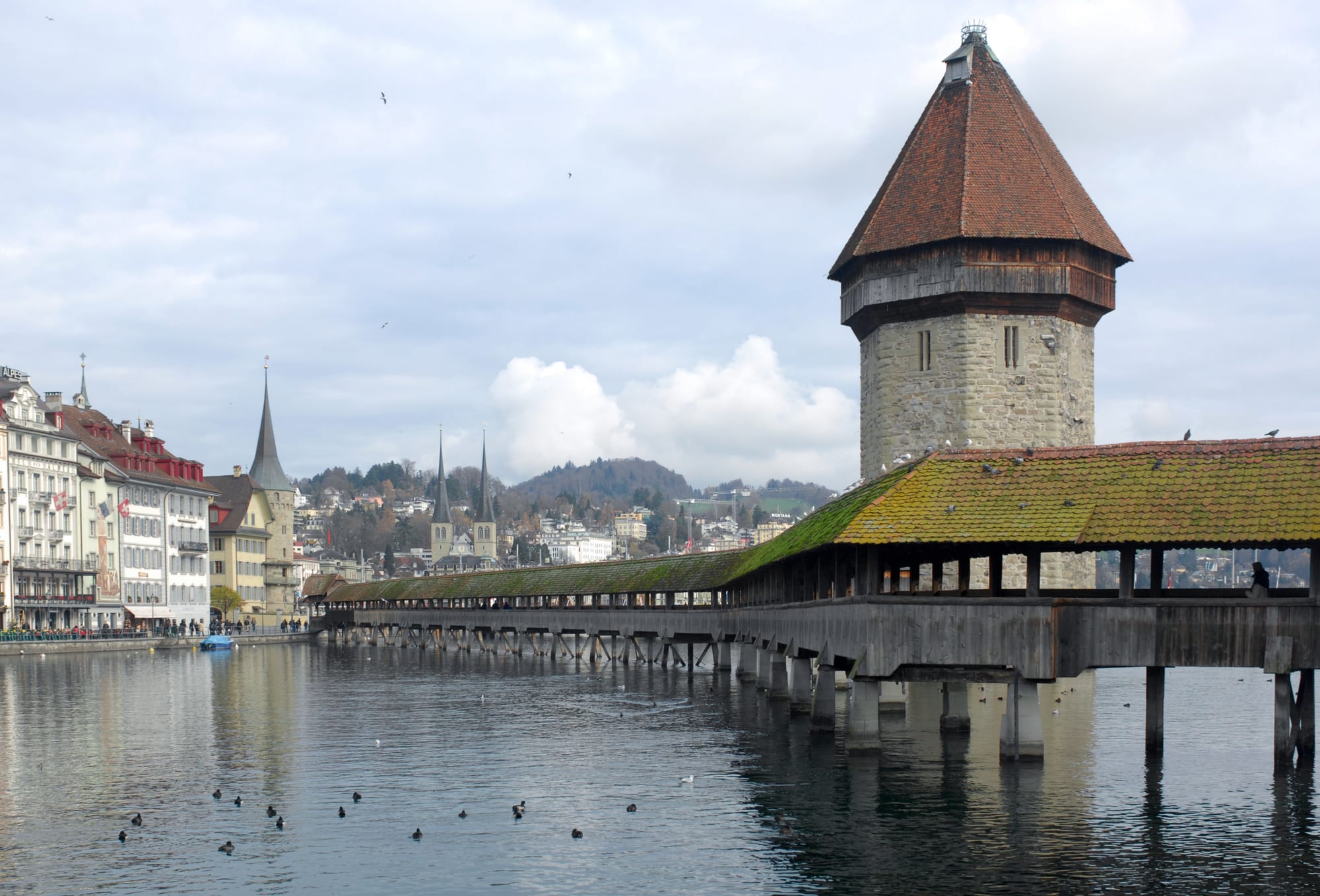
The Chapel Bridge, a covered wooden footbridge dating to the 14th century (largely rebuilt after a 1993 fire destroyed much of the original structure and its painted panels), remains the emblematic image of Lucerne, spanning the Reuss River where it flows out of Lake Lucerne. The lake itself, ringed by mountains including Mount Pilatus and Rigi, is one of the most scenic in Switzerland.
4. The Rhine Falls
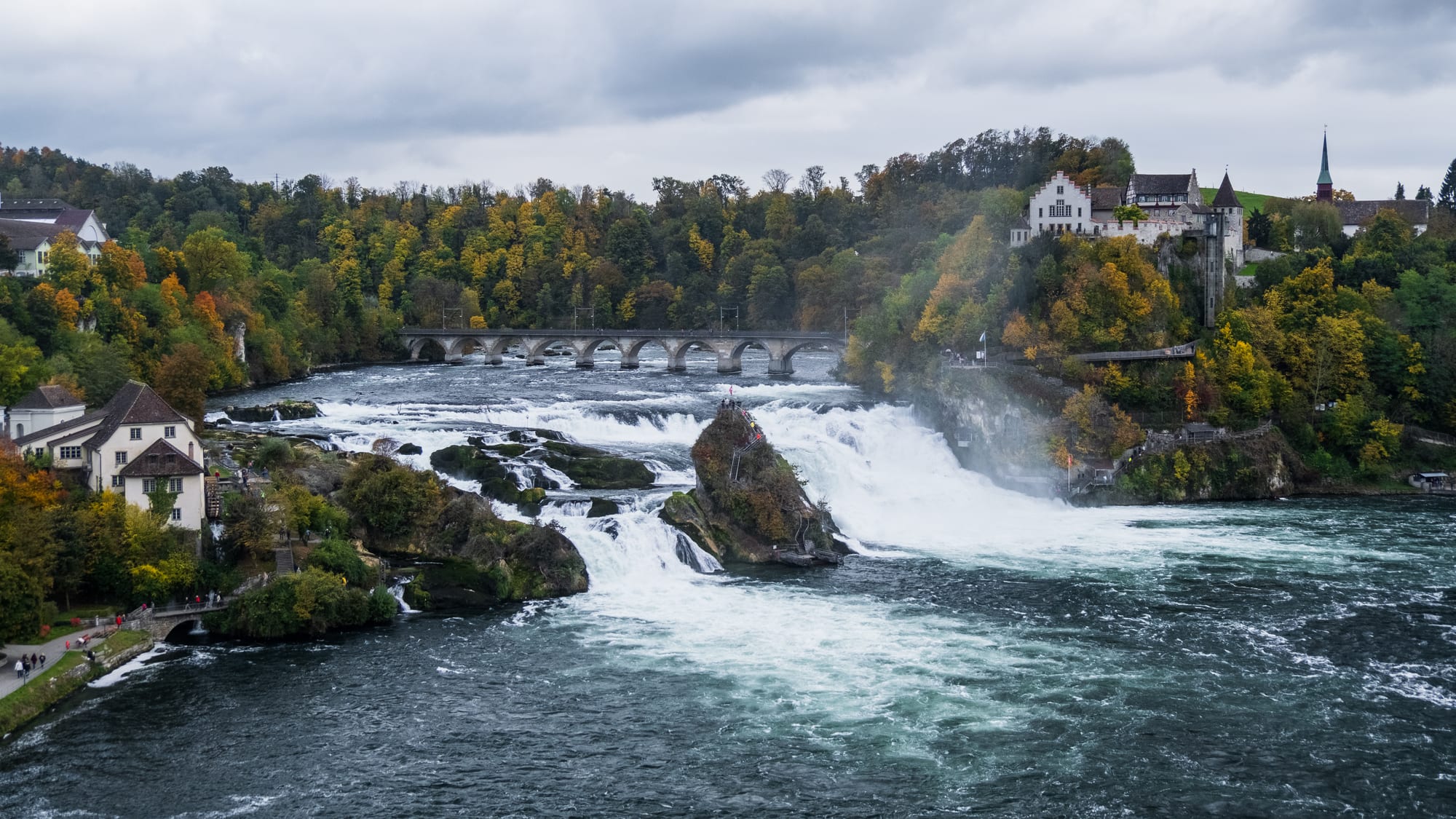
The Rhine Falls, near the town of Schaffhausen, is the largest waterfall in Europe by water volume, formed roughly 15,000 years ago at the end of the last ice age. Boat tours take visitors right up to the base of the falls, and a rock outcrop in the middle of the cascade can be reached and climbed for a close-up view of the crashing water.
5. Geneva's Jet d'Eau
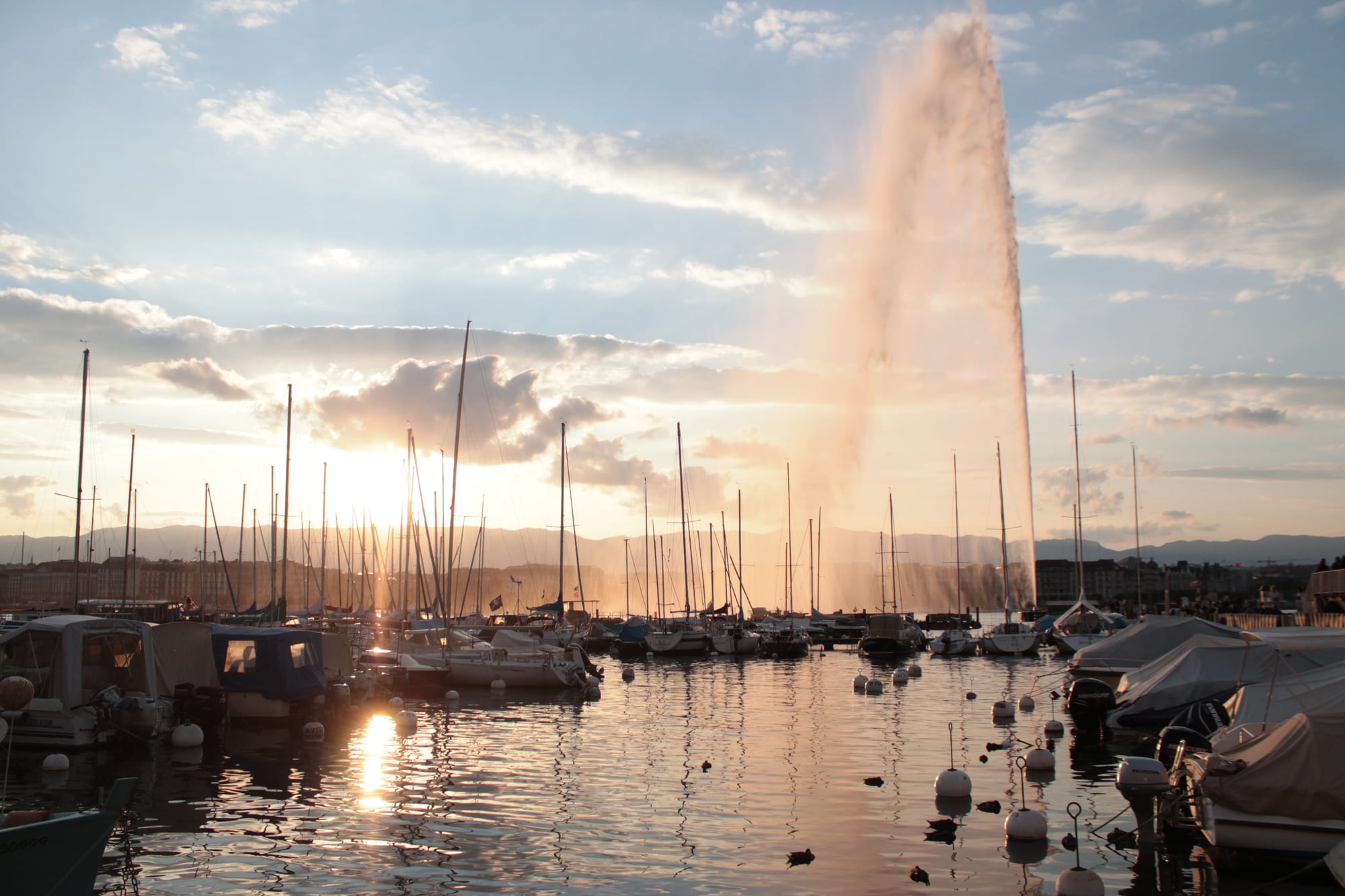
The Jet d'Eau, shooting a plume of water some 140 metres into the air above Lake Geneva, began in the 1880s as a safety valve for a hydraulic power network before becoming a deliberate civic landmark in its own right. Geneva, headquarters to numerous international organisations including the UN's European base, gives the city a notably cosmopolitan, diplomatic character distinct from the rest of Switzerland.
6. The Bernese Oberland
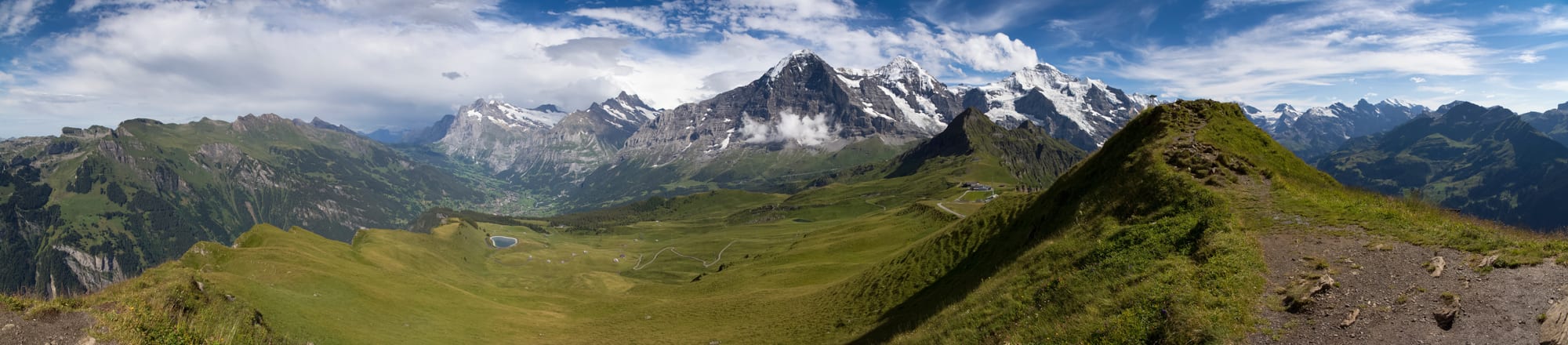
The Bernese Oberland, home to the Eiger, Mönch, and Jungfrau peaks, holds some of the most celebrated hiking terrain in the Alps, with the resort towns of Grindelwald, Wengen, and Mürren serving as bases for trails ranging from gentle valley walks to serious high-mountain routes, accompanied throughout by views of some of the most photographed peaks in the world.
7. The Lauterbrunnen Valley
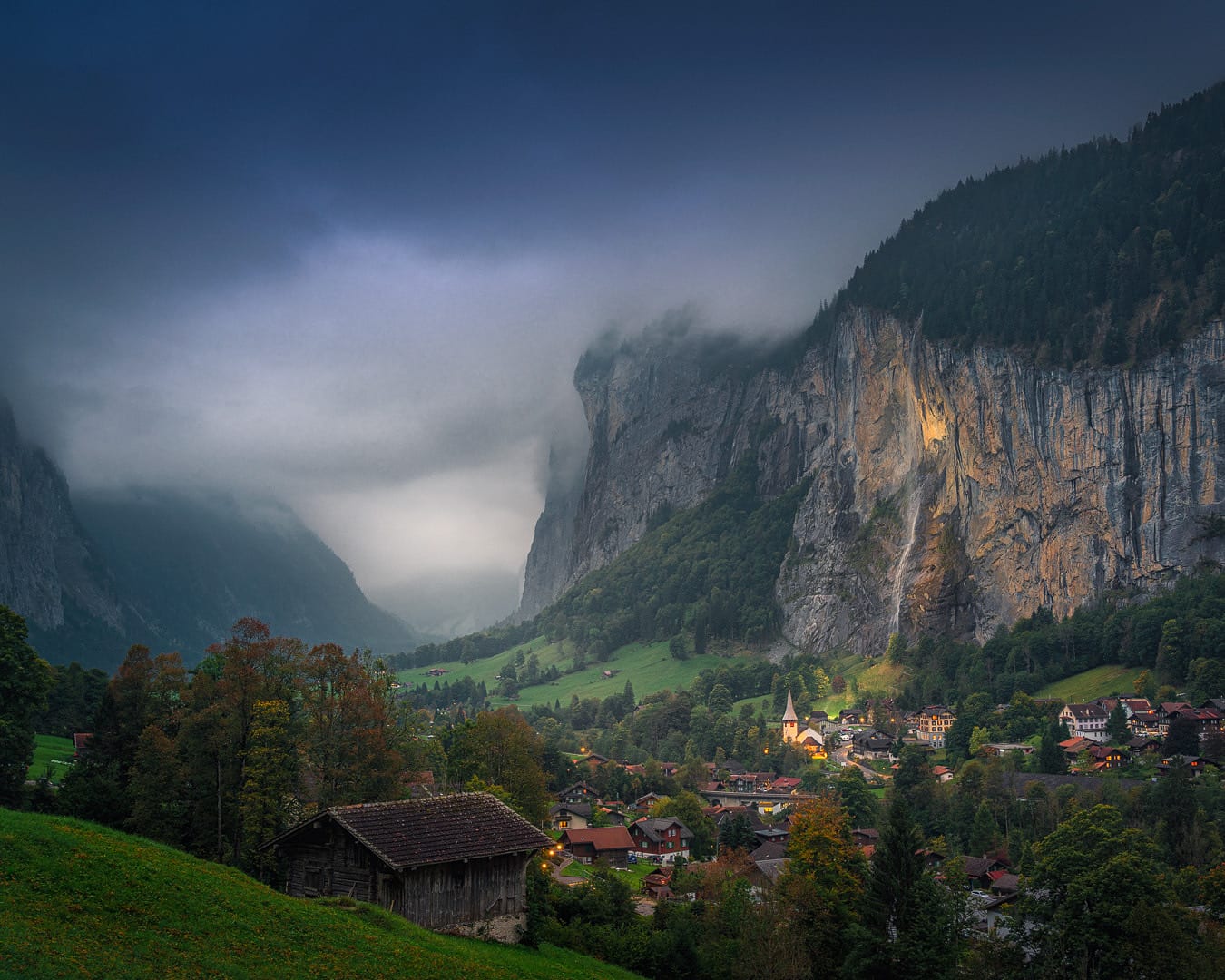
Lauterbrunnen, a glacially carved trench in the Bernese Oberland, is ringed by sheer 300-metre cliffs streaming with dozens of waterfalls, Staubbach Falls chief among them — a sight said to have inspired both Goethe and J.R.R. Tolkien. The valley floor's car-free villages, including Wengen and Mürren, are reached only by cable car or mountain railway.
The valley makes an easy, dramatic day trip from Interlaken and serves as the springboard for trails and cable cars up toward the Bernese Oberland's higher peaks.
8. Bern's Old Town
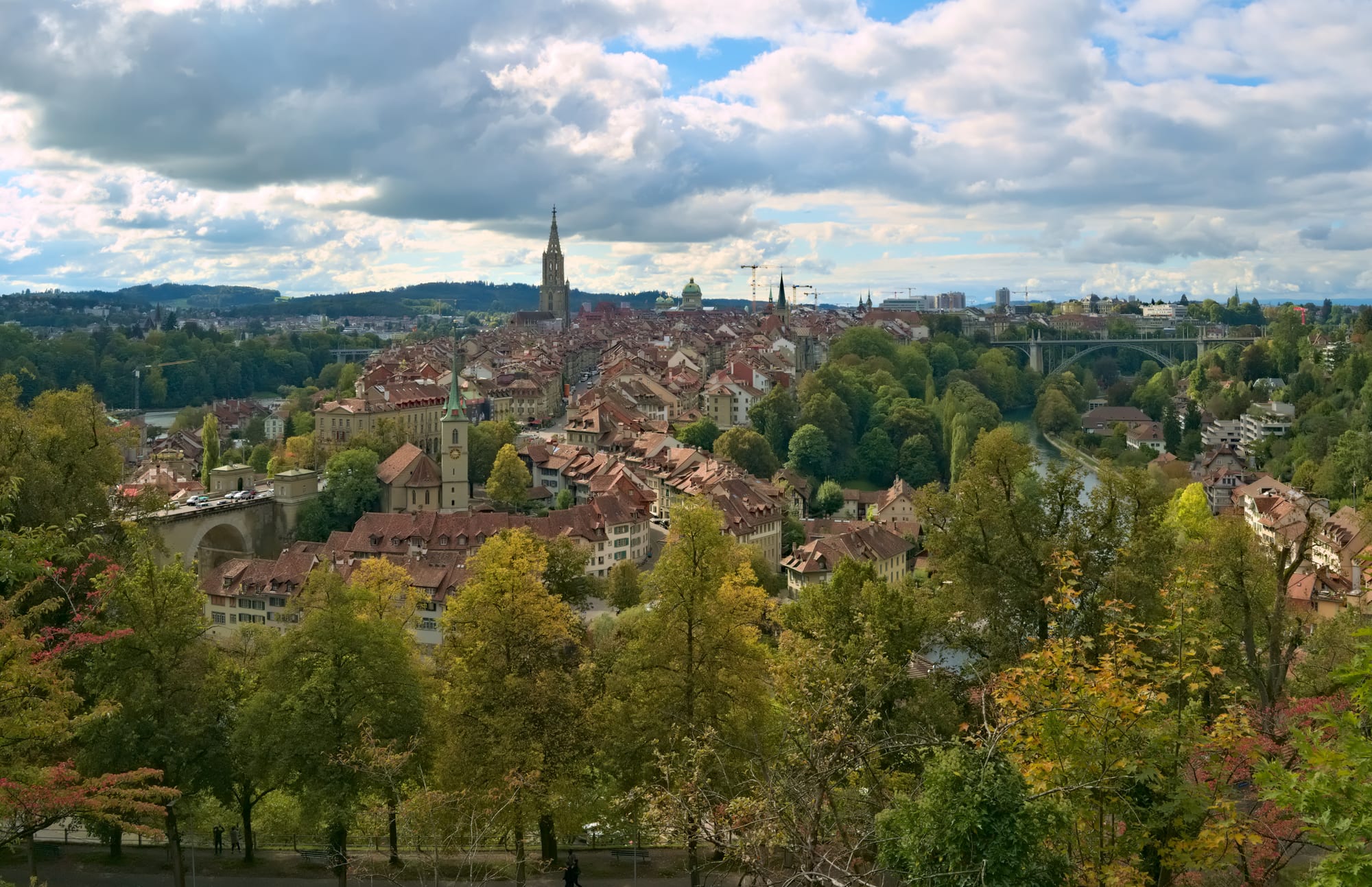
Bern, Switzerland's federal capital, preserves one of the best-maintained medieval town centres in Europe, its arcaded sandstone streets, ornate fountains, and famous astronomical Zytglogge clock tower largely unchanged since the 15th century. A UNESCO World Heritage Site, the Old Town sits almost entirely encircled by a dramatic bend in the Aare river.
Bears have been associated with the city since its founding legend, and a bear park along the riverbank continues the tradition today.
9. The Aletsch Glacier
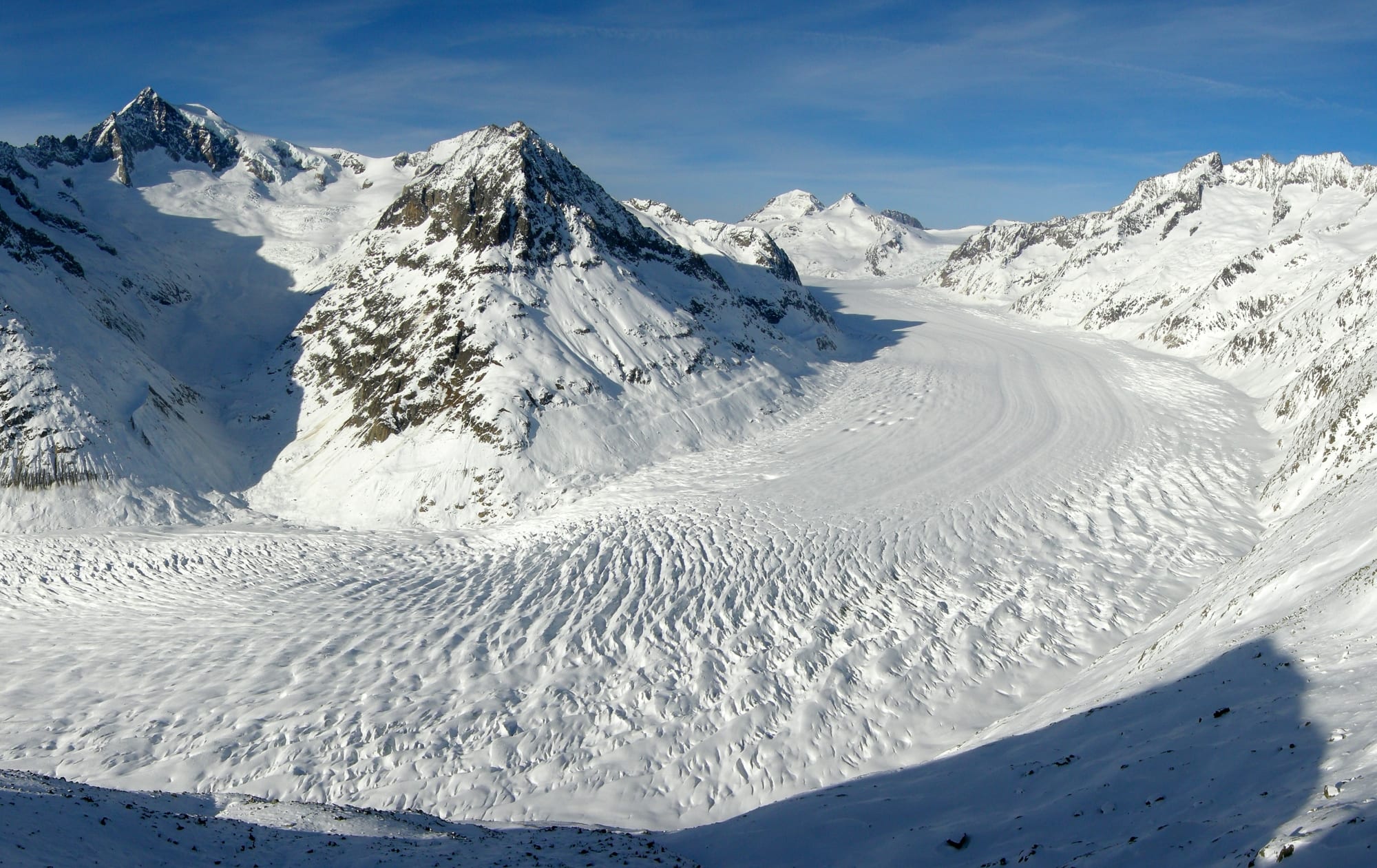
The Aletsch Glacier, stretching over 20 kilometres through the Bernese Alps, is the largest glacier in the Alps by both length and volume, its slowly retreating river of ice viewable from several cable-car-accessible viewpoints, including the Eggishorn and Bettmerhorn.
Part of the Jungfrau-Aletsch UNESCO World Heritage Site, the glacier has lost a significant share of its volume in recent decades, adding an urgency to visits many describe as witnessing a landscape in visible retreat.
10. Château de Chillon
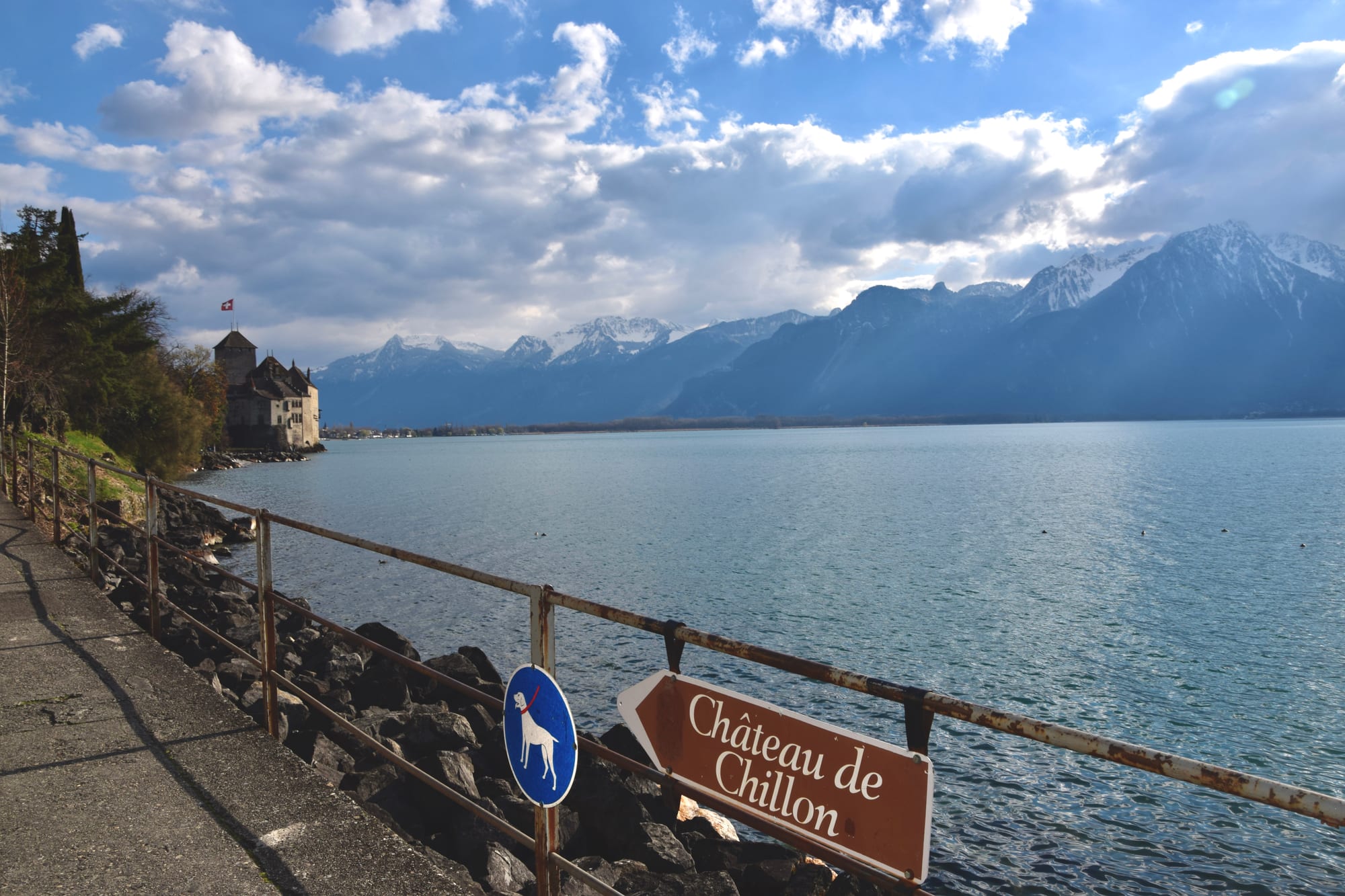
Château de Chillon, built on a small rocky island just offshore on Lake Geneva, is Switzerland's most visited historic monument, its moated towers and lakeside setting made famous by Lord Byron's poem "The Prisoner of Chillon," written after his own visit to its dungeon.
Over 800 years of continuous building by counts, dukes, and Bernese governors left the castle with an unusually well-preserved interior, including furnished halls and a Gothic great hall, easily reached by train or boat from Montreux.
Switzerland suits a week to ten days: Zermatt or the Bernese Oberland (including Lauterbrunnen and the Aletsch Glacier) for mountain scenery, combined with Lucerne, Bern, and one of Geneva (with Chillon nearby) or Zurich, with the country's excellent rail network making car-free travel throughout entirely practical.