Daily Life · Switzerland
Switzerland: A Country Run by the Timetable
A rail network so punctual it has become a point of national pride, a school system that routes most teenagers into paid apprenticeships rather than university, and a country where, unusually for one of the world's wealthiest, most people rent their home rather than own it
By Worldlore Editorial · 30 September 2026
Switzerland organises daily life around precision and consensus more than around any single custom. Trains run to a schedule reliable enough that a connection of a few minutes between platforms is treated as normal rather than risky, most teenagers move from school directly into paid, structured apprenticeships rather than continuing straight to university, and voters are asked to decide ballot questions, national and local, several times a year. Four languages and 26 largely self-governing cantons sit underneath all of it, yet the practical texture of an ordinary day, timed, orderly, and locally organised, is remarkably consistent from one language region to the next.
Family and home life
Around 9 million people live in Switzerland, more than a quarter of them foreign nationals, a high share reflecting a wealthy economy that draws workers from across Europe and beyond. Most people live on the Mittelland, the plateau between the Alps and the Jura, in and around Zurich, Geneva, Basel, Bern and Lausanne. Housing is unusual for a country this wealthy: most Swiss residents rent their home rather than own it, with only about 37 percent owning, one of the lowest ownership rates in Europe, a pattern driven by high property prices and a well-developed, tenant-protective rental market rather than by any lack of means. Healthcare is universal but delivered through compulsory private insurance that every resident is required to arrange individually.
Work, school and the rhythm of the day
A defining fact about growing up in Switzerland is the apprenticeship system: roughly two-thirds of young people, at around age fifteen or sixteen, choose a paid apprenticeship over an academic upper-secondary track, splitting their week between a workplace and vocational school across a wide range of recognised occupations, while a smaller share head into academic schools that lead to university. The standard working day runs conventional office hours, but daily commuting is built around a rail network that reported record punctuality in 2025, 94.1 percent of trains arriving within three minutes of schedule, reliable enough that tight cross-platform connections are planned as a matter of course rather than left to chance. Most shops keep standard weekday hours and close earlier on Saturdays, and the great majority close entirely on Sundays.
Community life and public spaces
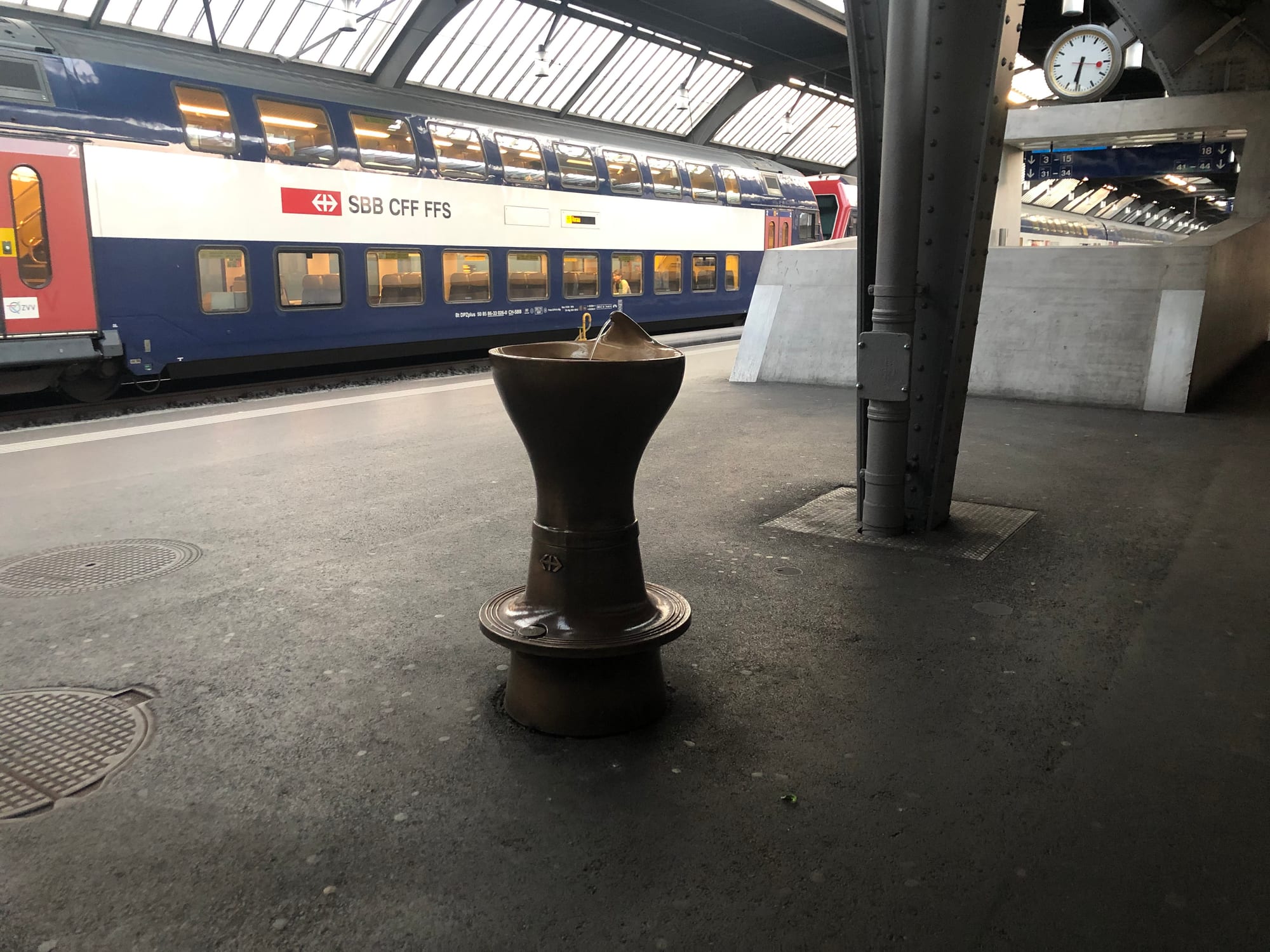
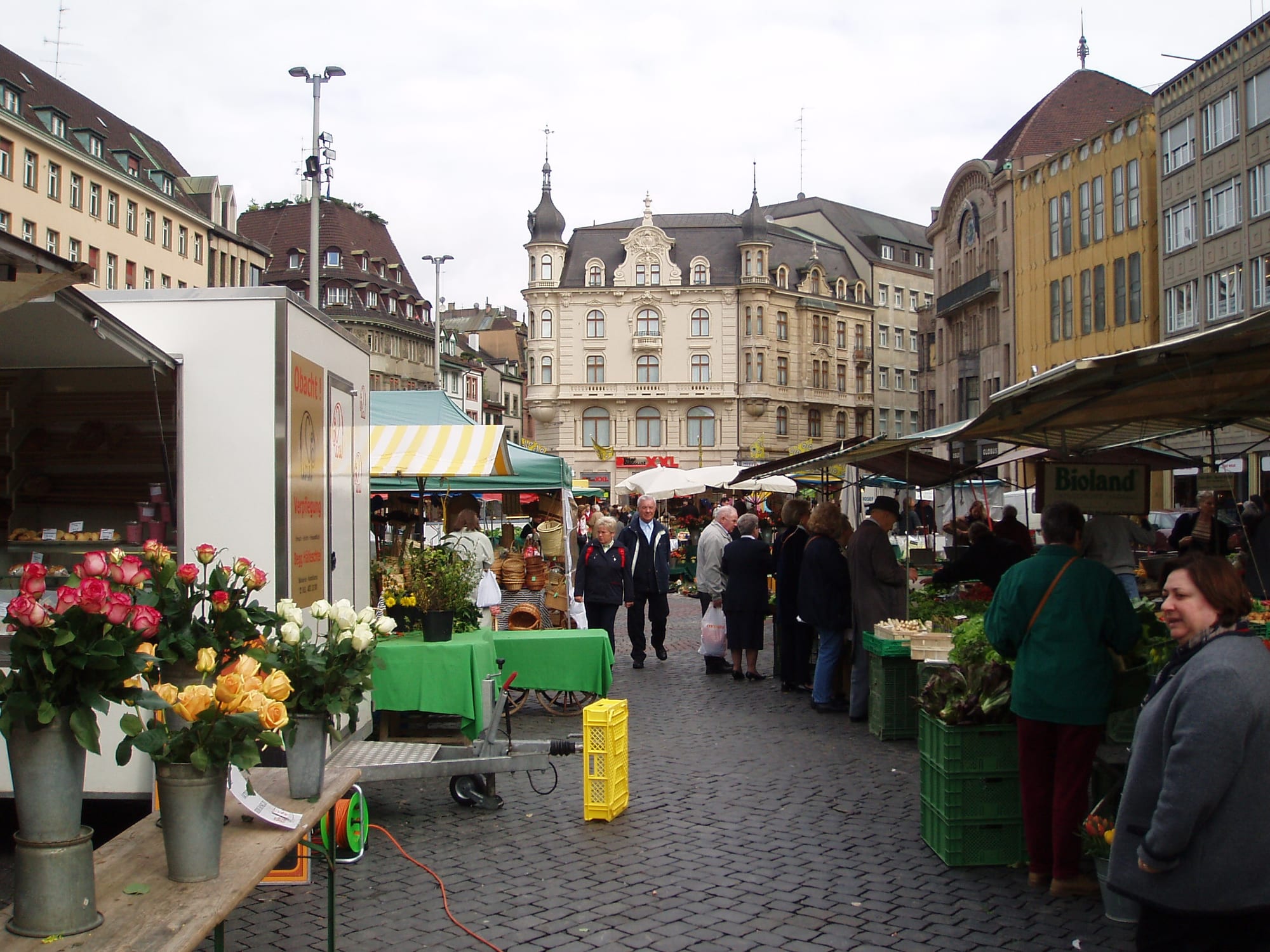
Weekly and seasonal markets remain a normal part of town life nationwide, selling produce, flowers, and local food in main squares from Basel to Solothurn, alongside the supermarkets that handle most everyday shopping. Public drinking fountains, found at many stations and in the centre of many towns and villages, are a genuinely everyday utility rather than a decoration, supplying water safe enough to drink straight from the tap. Public transport is dense and unusually integrated: trains, buses, boats and mountain railways connect on shared timetables, reaching villages that in most countries would have no scheduled transport at all.
Free time and weekends
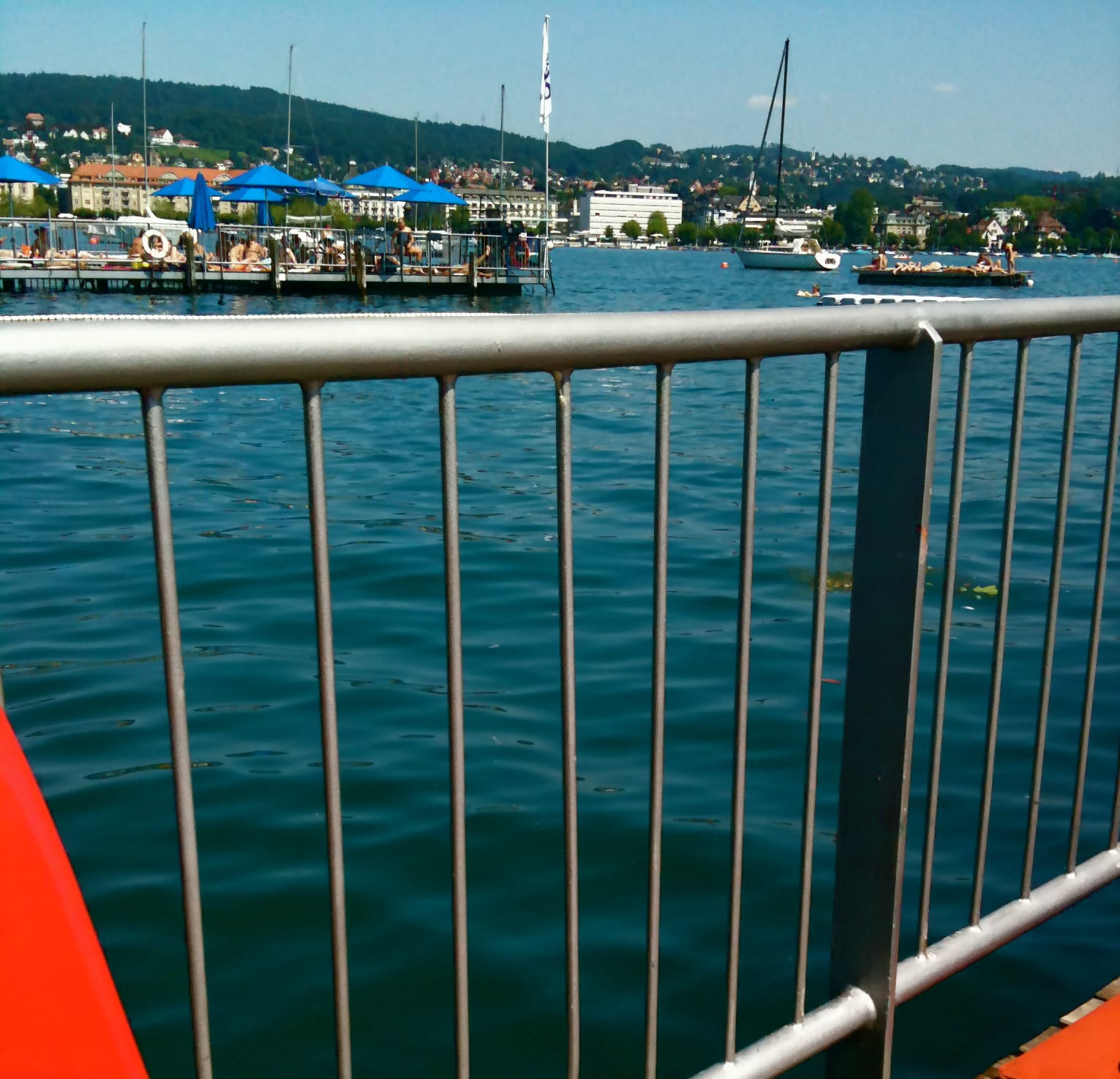
Hiking, cycling, and swimming in lakes and rivers are mainstream weekend pursuits rather than niche hobbies, and skiing fills the same role in winter. Public lake baths, known as Badis, combine a swimming spot with a small park and are a genuinely popular summer institution in cities on the water, drawing office workers and families alike after work and at weekends. Sundays are markedly quieter than the rest of the week: most shops are closed, and in many cantons rules discourage loud outdoor activity such as lawnmowing, so many people spend the day outdoors or at home rather than running errands.
A visitor's ordinary day
The train and postbus network reaches almost everywhere, and a Swiss Travel Pass or half-fare card is worth costing out in advance given how much scenic transport otherwise costs; a car is rarely necessary outside rural regions. Tap water is safe to drink, as is water from most village and station fountains unless marked otherwise, so bottled water is generally unnecessary. Expect most shops to be closed on Sundays, with train-station and airport shops the main exception, and expect connections, trains especially, to run close enough to schedule that a published transfer time can genuinely be trusted. Cards and mobile payments are accepted almost everywhere.
What to take away
What organises an ordinary day in Switzerland, more than language, canton, or custom, is a shared commitment to precision and reliability, most visible in a rail network run to the minute and a schooling system that routes most young people into structured, paid work rather than a lecture hall, in a country where, unusually, renting rather than owning the roof overhead is simply how most people live.