Food · Sudan
Sudan: Food and the National Dish
Slow-cooked fava beans eaten for breakfast nationwide, a dish shared across the Nile Valley and beyond
By Worldlore Editorial · 16 September 2026
A cuisine shaped by the Nile Valley
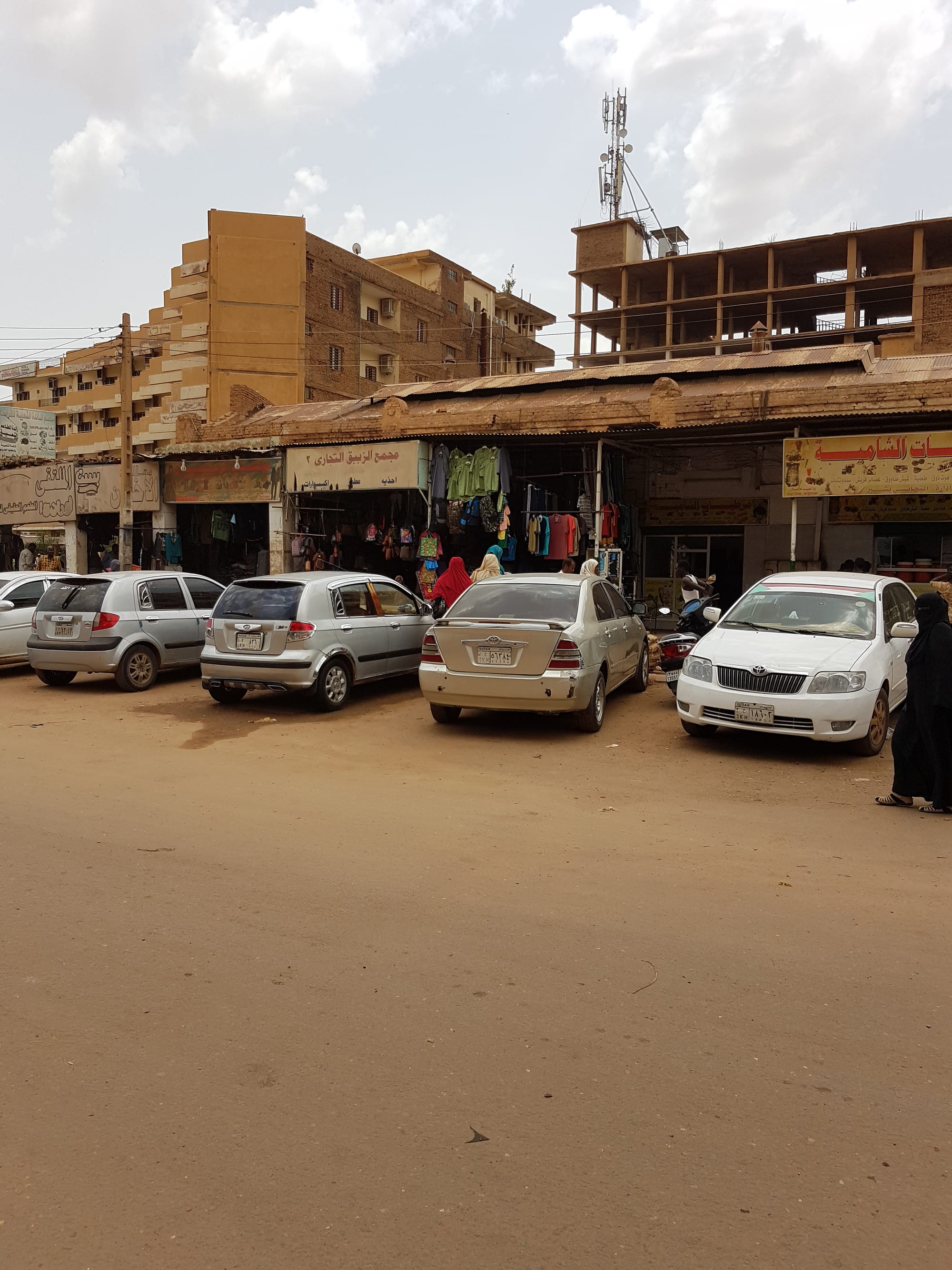
Sudanese food draws directly on the country's position along the Nile River, with fava beans, sorghum and dates forming the backbone of a cuisine genuinely shared across the wider Nile Valley rather than staying wholly distinct to Sudan alone.
The national dish: ful medames
Ful medames, fava beans slow-cooked until soft and mashed, then served with olive oil, lemon, garlic and sometimes egg or spices, is Sudan's national dish, eaten most commonly for breakfast though also enjoyed at other meals. Genuinely shared with Egypt and much of the wider Nile Valley and North Africa under the same or very similar names, ful medames is treated in Sudan as an everyday staple rather than a special-occasion dish.
Sorghum, fava beans and a genuinely Nile Valley pantry
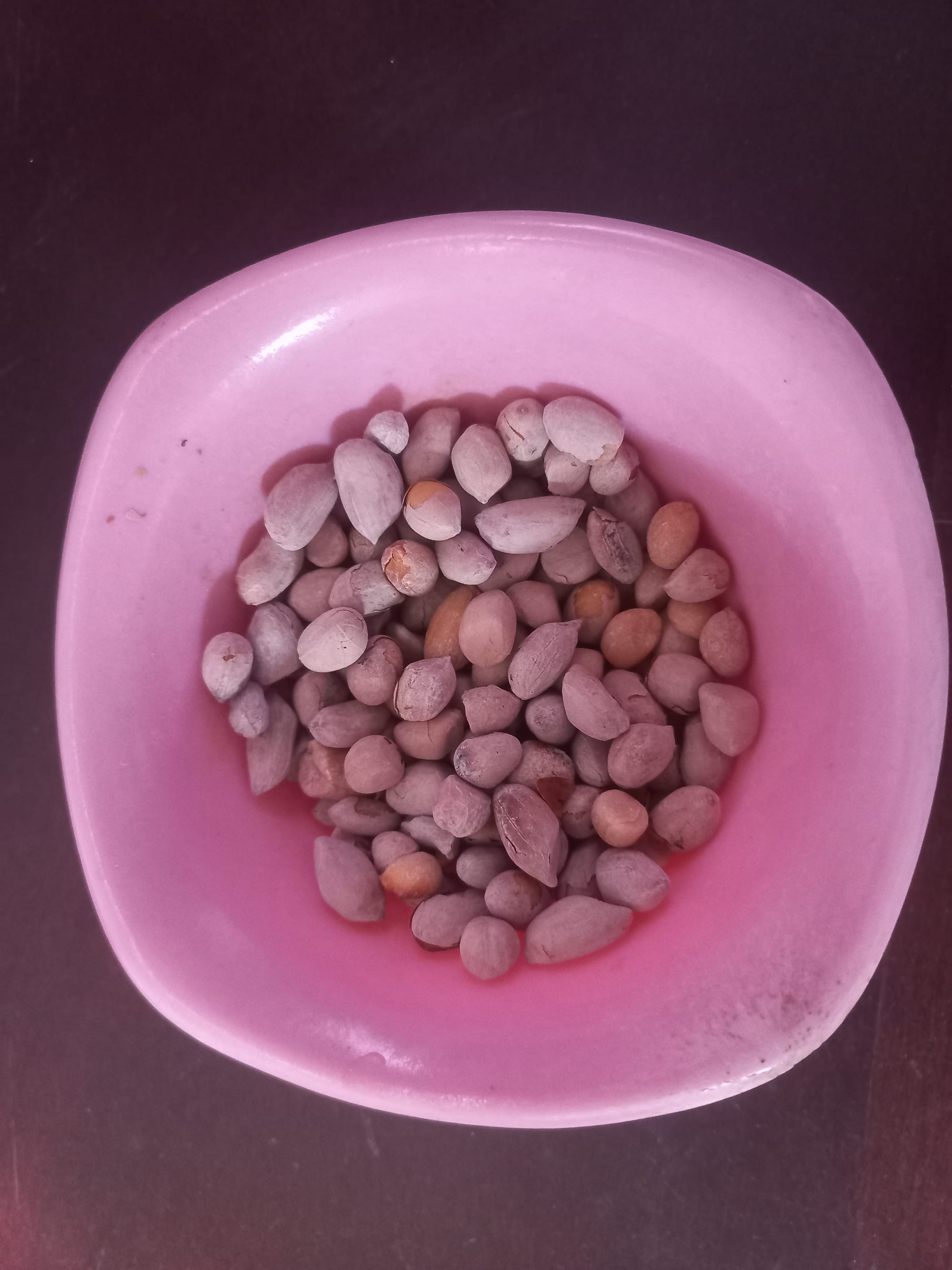
Sorghum, ground into flour for kisra, a fermented flatbread, and fava beans anchor much of everyday Sudanese cooking, alongside dates and peanuts. Okra, tomato and onion form the base of many Sudanese stews, reflecting a pantry shaped by the Nile's fertile floodplain agriculture more than by any distinctly Sudanese ingredient.
History behind the bean
Fava beans have been cultivated and eaten across the Nile Valley for thousands of years, with ful medames's slow-cooking method, historically left simmering overnight in a large pot, developing as a practical way to prepare a filling breakfast with minimal morning effort. That shared Nile Valley agricultural history, running through Sudan, Egypt and beyond, explains why the dish appears under nearly the same name and preparation across several countries along the river.
Dishes to know
Four more to recognise across Sudan:
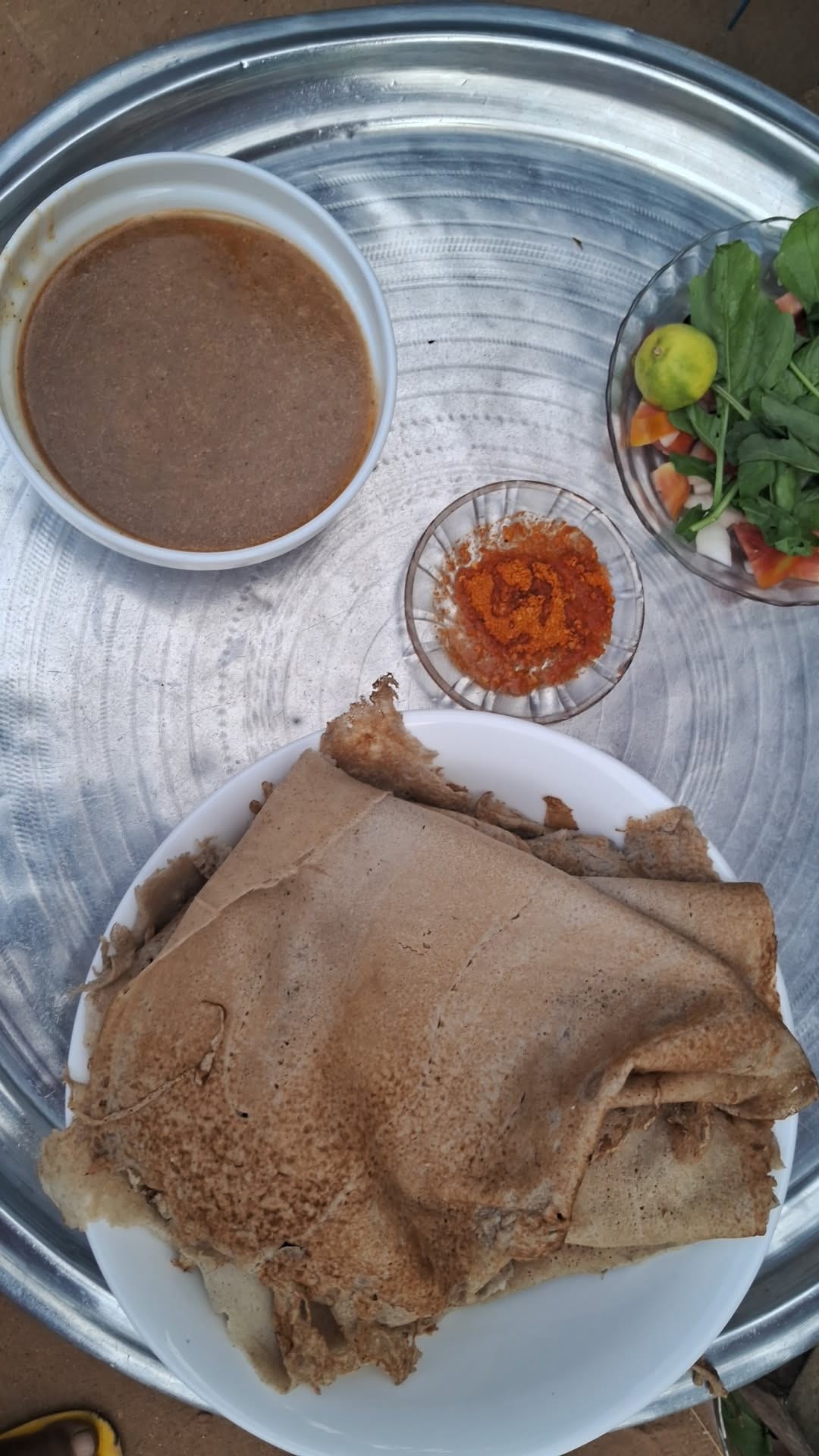
- Kisra — a thin, fermented sorghum flatbread, a genuine daily staple
used to scoop up stews and sauces.
- Mulah — a stew, often made with meat, okra or vegetables, served
alongside kisra.
- Asida — a thick sorghum or millet porridge, served with a savoury
sauce.
- Sudanese sweets — including basbousa and other semolina-based
desserts, common at celebrations.
Drinks
Hibiscus tea (karkade), made from dried hibiscus flowers and served hot or cold, is a genuine everyday drink across Sudan. Coffee, often spiced with ginger, and fresh fruit juices are also widely enjoyed.
Eating as a traveller
Vegetarians will find ful medames and other bean and vegetable-based dishes genuinely accessible given how central they are to everyday Sudanese eating. Tap water is not reliably safe outside major hotels; bottled water is the safer default. Trying ful medames for breakfast, the way it's traditionally eaten, offers a genuine taste of Sudan's national dish as most Sudanese actually eat it.
What to take from the table
Ful medames, slow-cooked and shared across the Nile Valley, captures Sudan's food story directly: a cuisine built on the river's ancient agricultural staples rather than on any one distinctly national ingredient.