Attractions & Natural Wonders · Sudan
Sudan: Five Attractions and Natural Wonders
More pyramids than Egypt itself, a sacred mountain once believed to be the dwelling place of a god, and the exact point where two great rivers become one — described here for reference amid a devastating ongoing civil war
By Worldlore Editorial · 10 September 2026
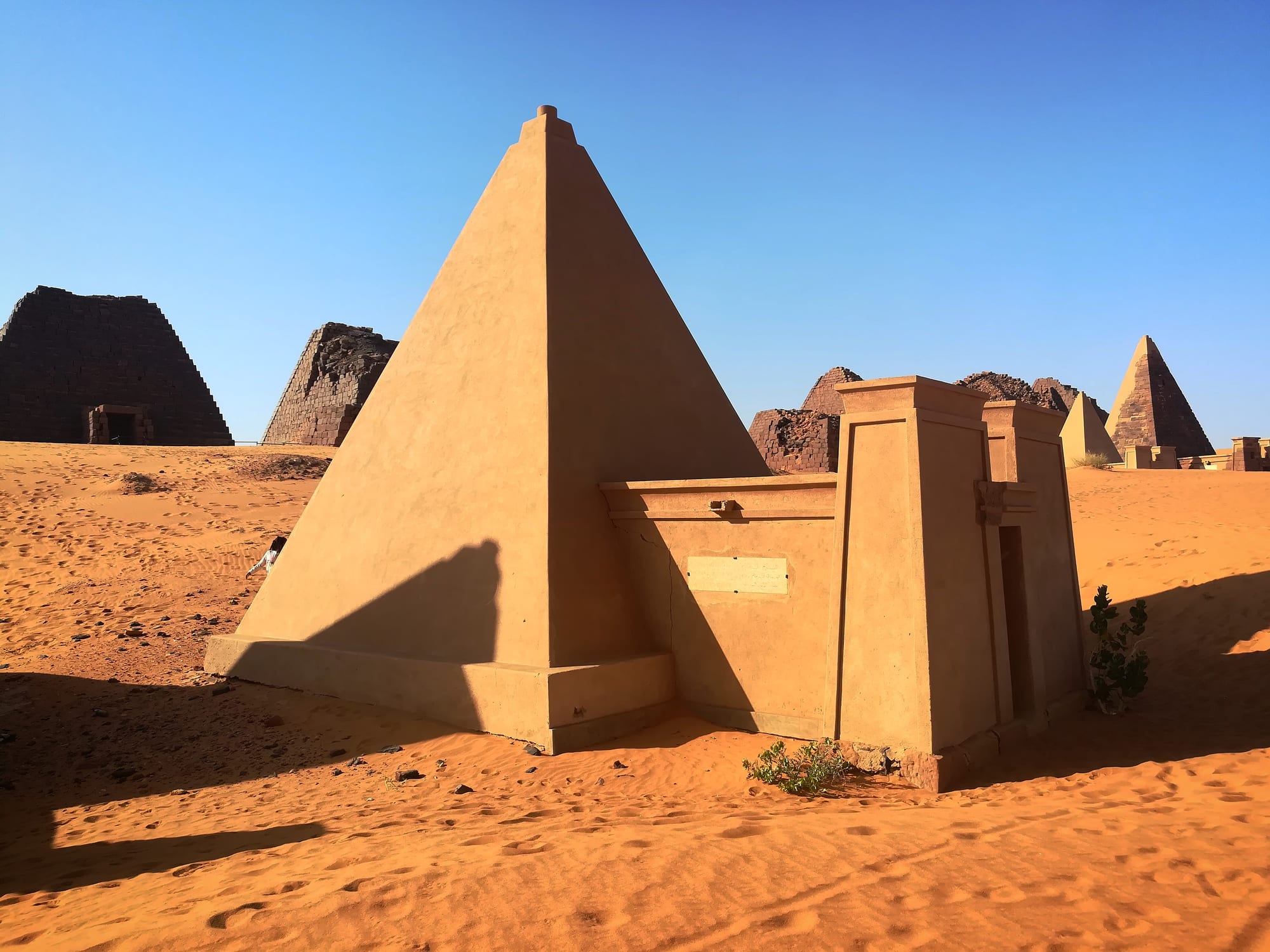
More pyramids than Egypt, and a country now at war
Sudan holds one of the least-known great civilisations of the ancient world — the Kingdom of Kush, whose rulers built more pyramids across the Nile Valley than Egypt itself, and at times conquered and ruled Egypt in turn. This deep history now sits alongside one of the most severe humanitarian crises on earth: since April 2023, Sudan has been engulfed in a brutal civil war between rival military factions that has killed tens of thousands of people and displaced millions, making it currently impossible to visit safely or responsibly.
The five sights below are described for reference and cultural context, not as a current travel recommendation — read the note at the end before treating any of this as a travel plan.
1. The Pyramids of Meroë
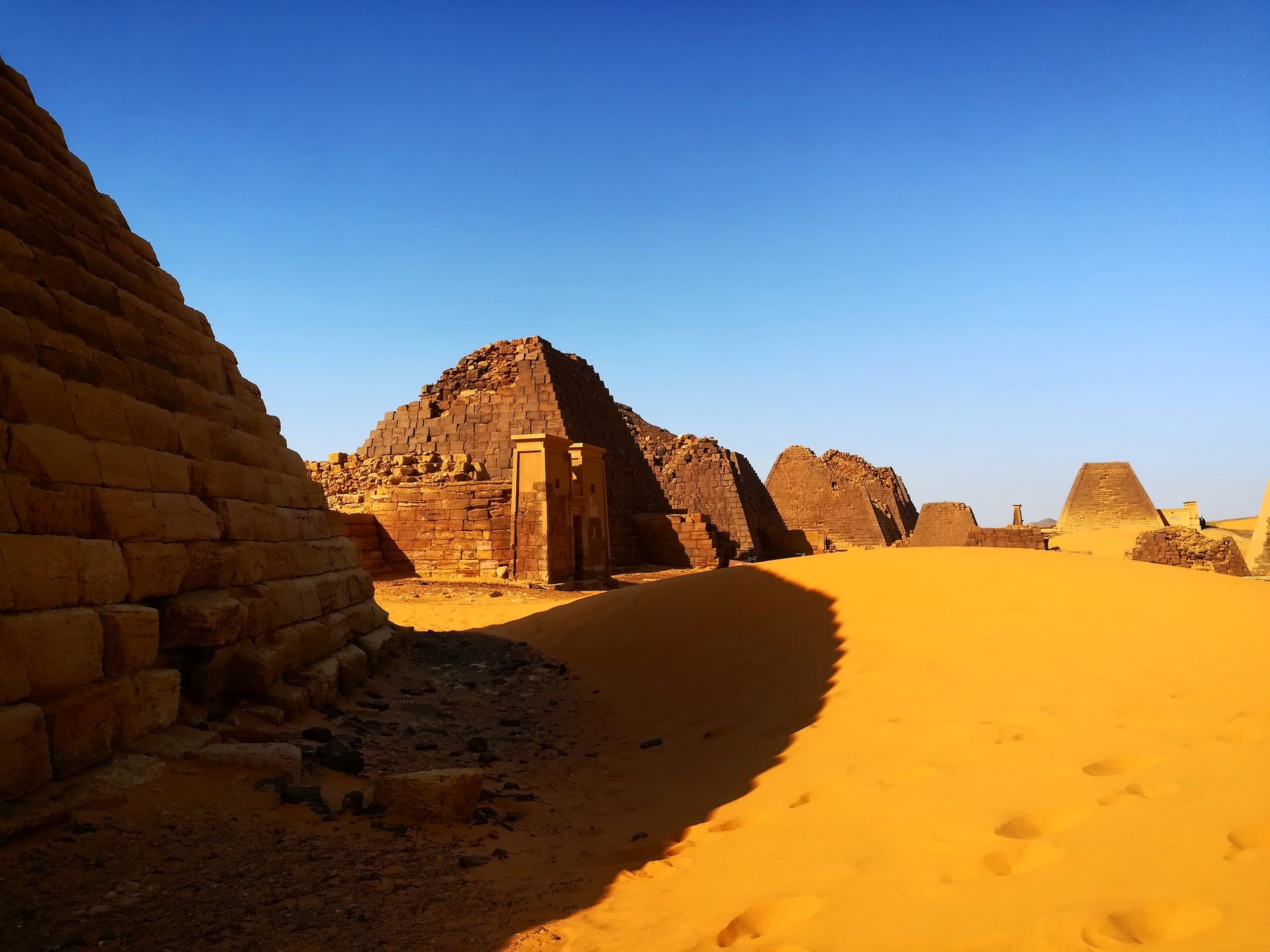
The Pyramids of Meroë, built as royal tombs for the rulers of the Kingdom of Kush between roughly 300 BC and 300 AD, are narrower and steeper than their Egyptian counterparts but considerably more numerous — Sudan holds well over two hundred known pyramids in total, more than Egypt itself, despite being far less internationally known. A UNESCO World Heritage Site, the ruins sit in open desert with none of the crowds or infrastructure found at Giza.
2. Jebel Barkal
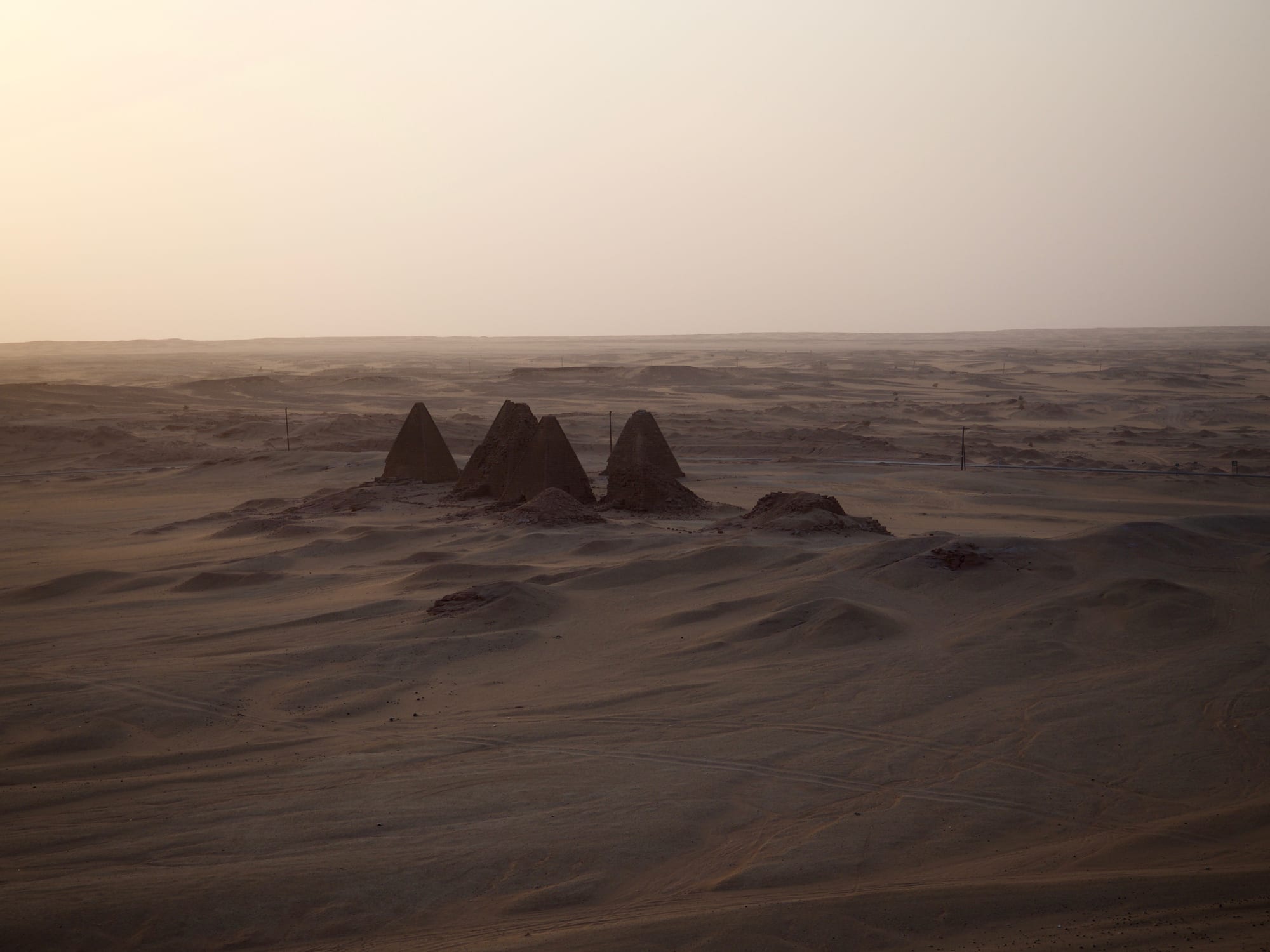
Jebel Barkal, a distinctive flat-topped sacred mountain near the Nile, was believed by both ancient Egyptians and Kushites to be the dwelling place of the god Amun, and its base holds an extensive complex of temples and smaller pyramids built over more than a thousand years by successive dynasties. It forms a UNESCO World Heritage Site alongside other related sites of the Napatan region.
3. The Nile confluence at Khartoum
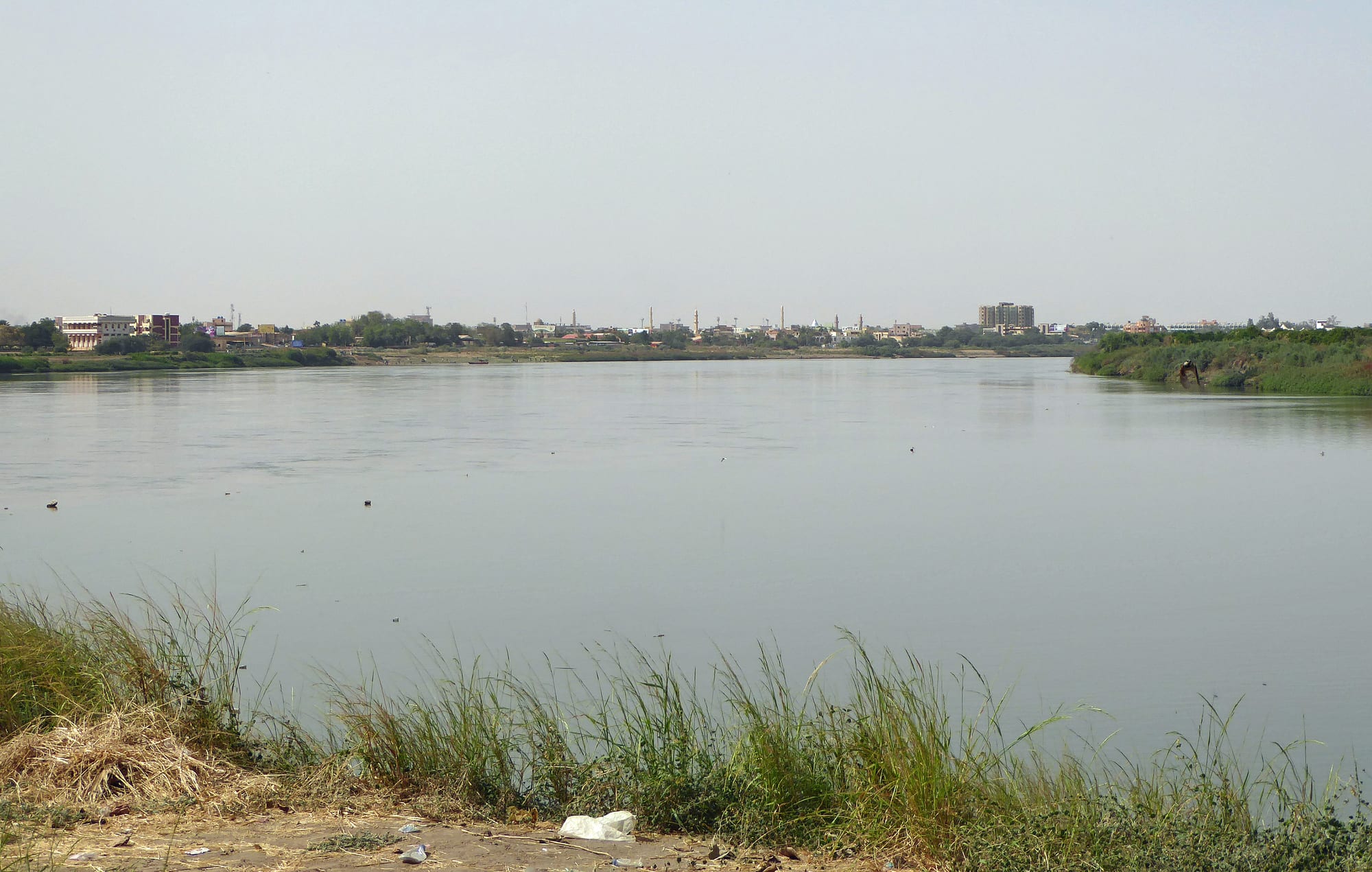
Khartoum, Sudan's capital, sits at the exact point where the Blue Nile (carrying silt-rich water from the Ethiopian highlands) meets the White Nile (flowing from the Great Lakes region), the two rivers visibly different in colour before merging into the single Nile that continues north through Sudan and Egypt to the Mediterranean.
4. Suakin and the Red Sea coast
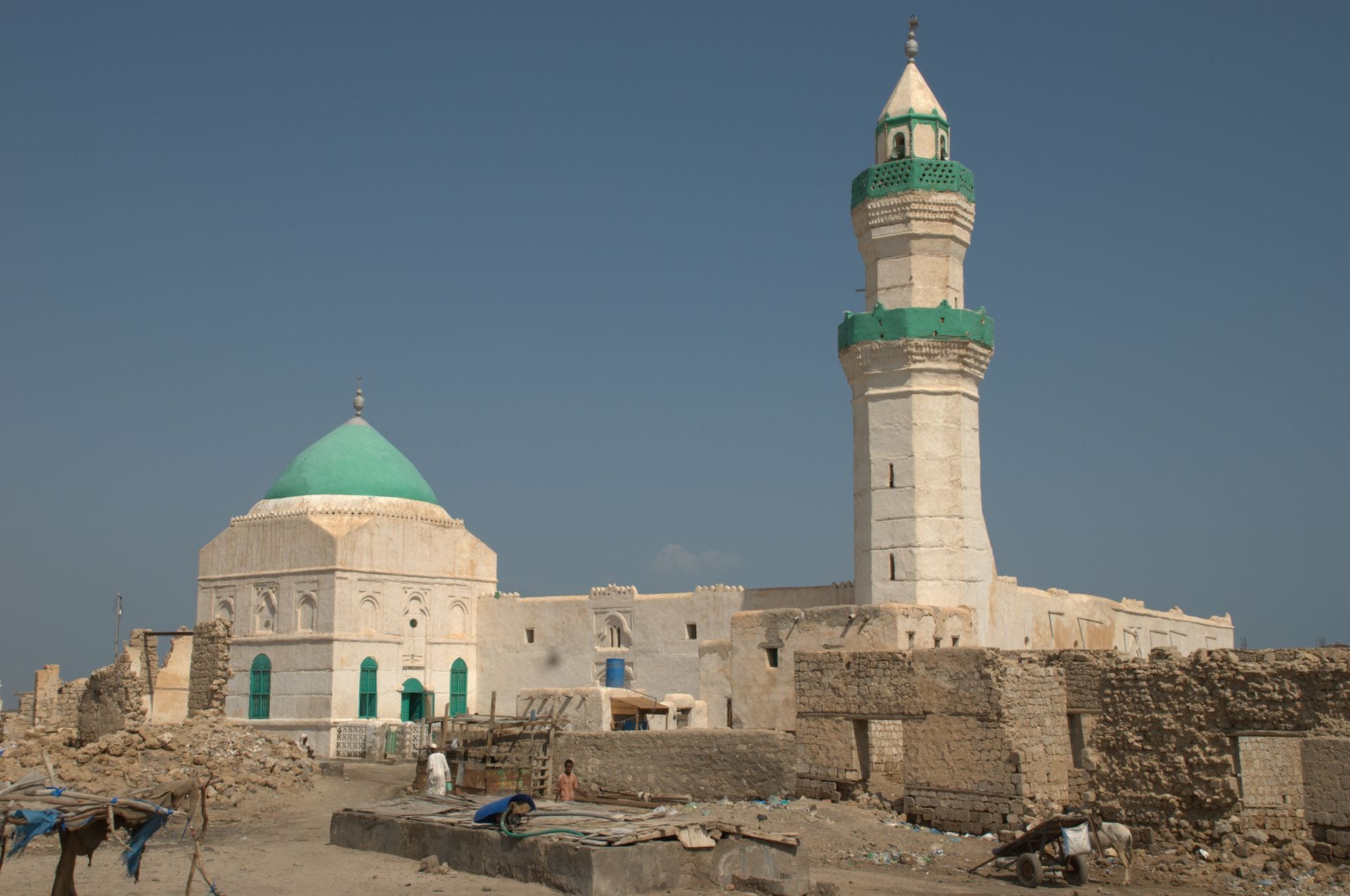
Suakin, for centuries the Red Sea's principal trading port and a historic gateway for Mecca-bound pilgrims, was built almost entirely from coral blocks quarried from the surrounding reefs — a striking building material now crumbling into picturesque ruin since the port's trade shifted to Port Sudan in the early 20th century. Offshore, Sudan's largely undived coral reef systems are considered by the divers who have visited them to rival or exceed those of neighbouring Egypt, seen by only a fraction of the visitors given far less developed tourism infrastructure and the country's ongoing instability.
5. The Nubian Desert
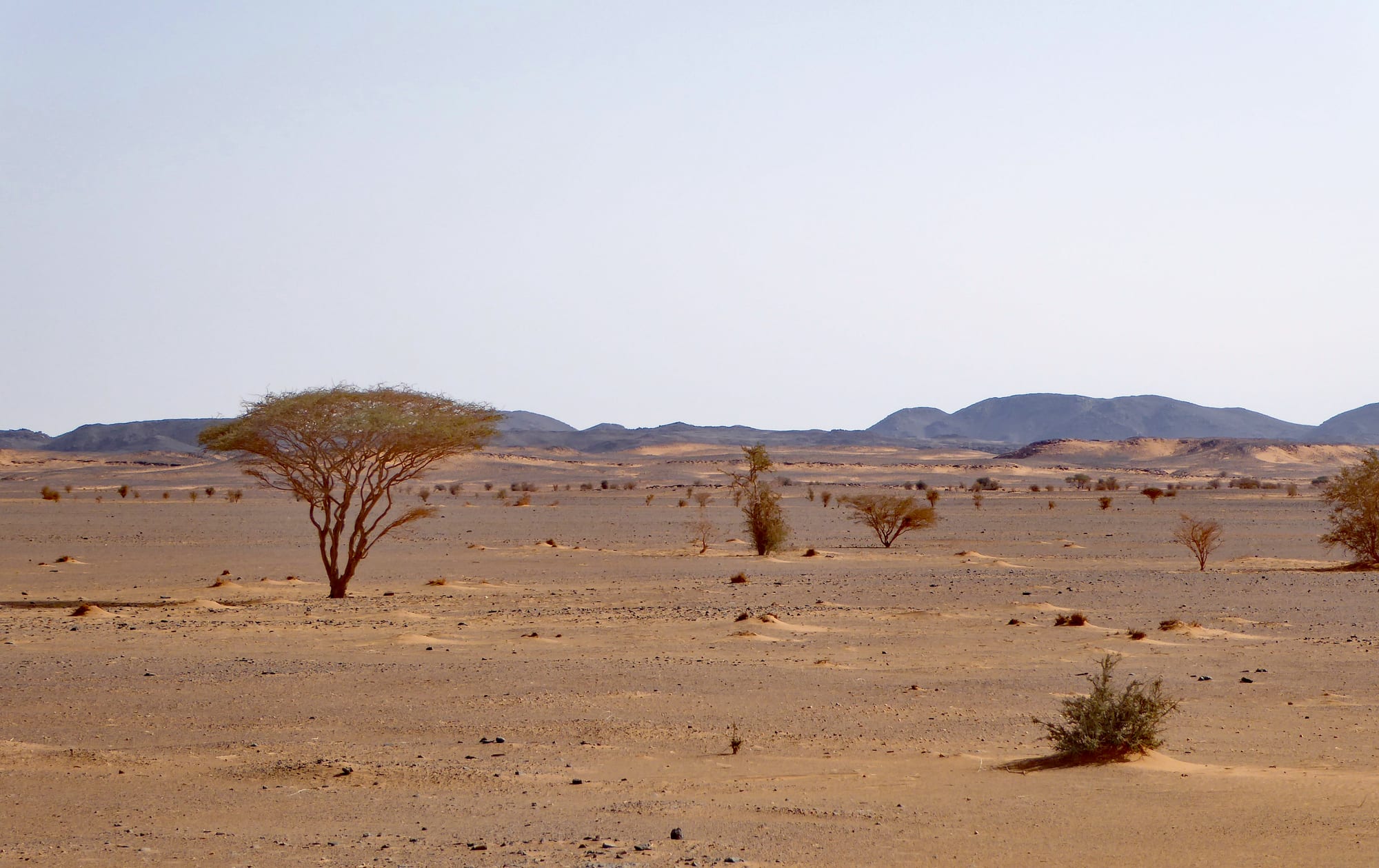
The Nubian Desert, part of the wider Sahara covering much of northern Sudan, holds not only the pyramid sites described above but also vast stretches of open desert scenery, historically crossed by camel caravan routes linking Sudan with Egypt to the north.
Before you go: a serious note
Since April 2023, Sudan has been engulfed in a devastating civil war between the Sudanese Armed Forces and the paramilitary Rapid Support Forces, causing what the United Nations has described as one of the world's largest humanitarian and displacement crises, with tens of thousands killed and millions displaced internally and across borders. All Western governments advise against all travel to Sudan, and normal tourism infrastructure has effectively ceased to function amid the conflict. This article describes sites of profound historical significance for reference; any actual travel decision must rest on current, detailed government advice, not on the description here, and no responsible visit to Sudan is currently possible given the scale and severity of the ongoing war.