Food · Sri Lanka
Sri Lanka: Food and the National Dish
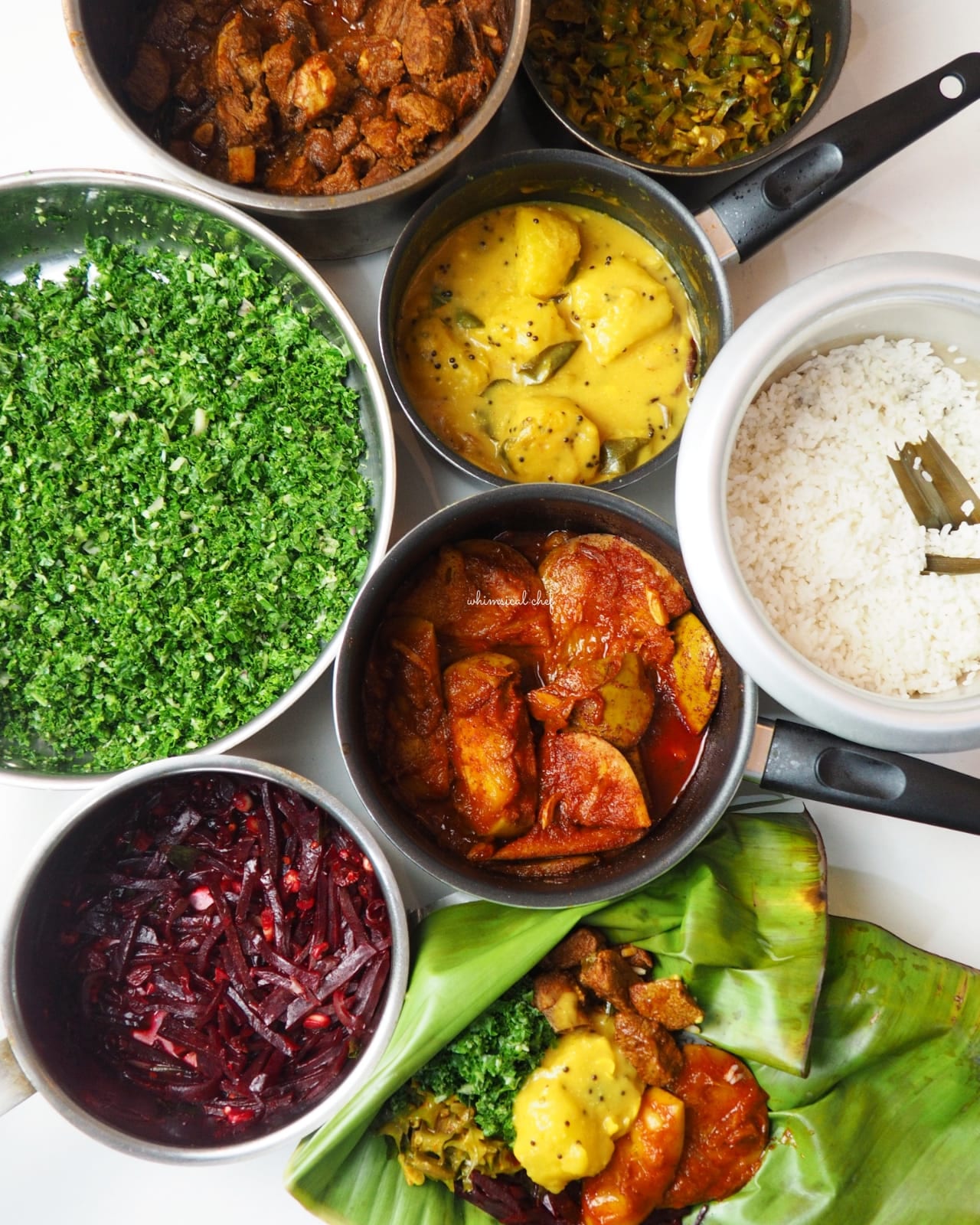
Rice served with an entire spread of curries, one plate showing off an island shaped by centuries of the spice trade
By Worldlore Editorial · 16 September 2026
A cuisine built from centuries at the centre of the spice trade
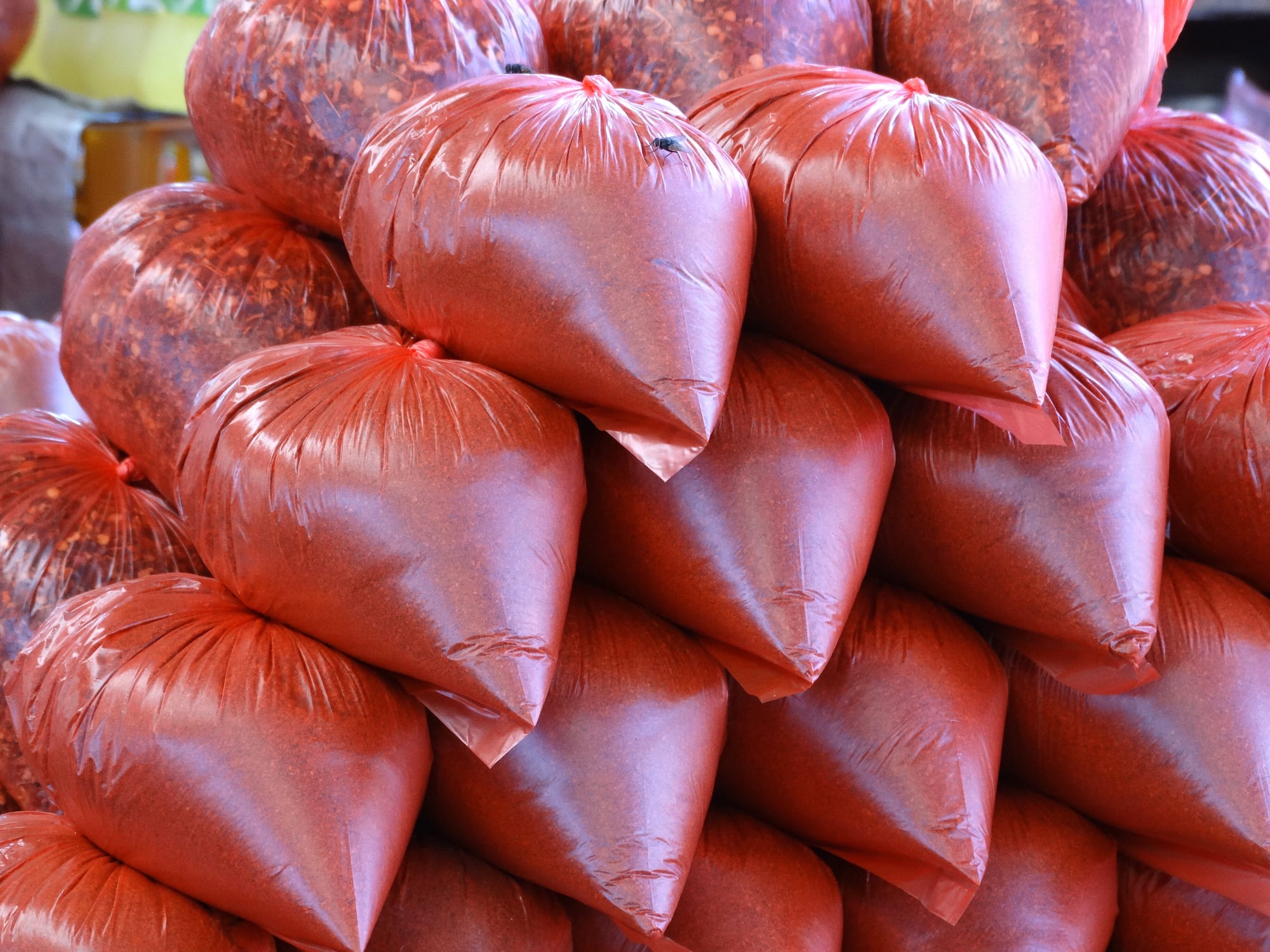
Sri Lanka's position along historic Indian Ocean trade routes made it a genuine centre of the global spice trade for centuries, particularly for cinnamon, and that history shows directly in a national meal built around an entire spread of dishes rather than any single plate.
The national dish: rice and curry
Rice and curry, a meal of rice served alongside multiple small curry dishes, typically including a meat or fish curry, several vegetable curries, sambol (a spicy condiment) and papadum, is Sri Lanka's national dish. Genuinely varying from household to household and meal to meal in exactly which curries appear, the format itself, rice paired with a rotating spread of dishes, is what defines Sri Lankan eating more than any fixed recipe.
Coconut, cinnamon and a genuinely spice-driven pantry
Coconut, in milk, grated and oil form, and rice anchor most Sri Lankan cooking, alongside a spice vocabulary including cinnamon, cardamom and curry leaves that reflects the island's historic dominance of the global spice trade. Fresh seafood along the coast and a wide range of vegetables round out a pantry shaped as much by trade history as by the island's own tropical produce.
History behind the spread
Sri Lanka, historically known as Ceylon, was for centuries one of the world's most important sources of cinnamon, drawing Arab, Portuguese, Dutch and British traders and colonisers to the island in succession. Each left some culinary mark, but the island's own curry tradition, built around rice served with a shifting spread of dishes rather than one fixed plate, remained the genuine centre of everyday Sri Lankan eating throughout.
Dishes to know
Five more to recognise across Sri Lanka:
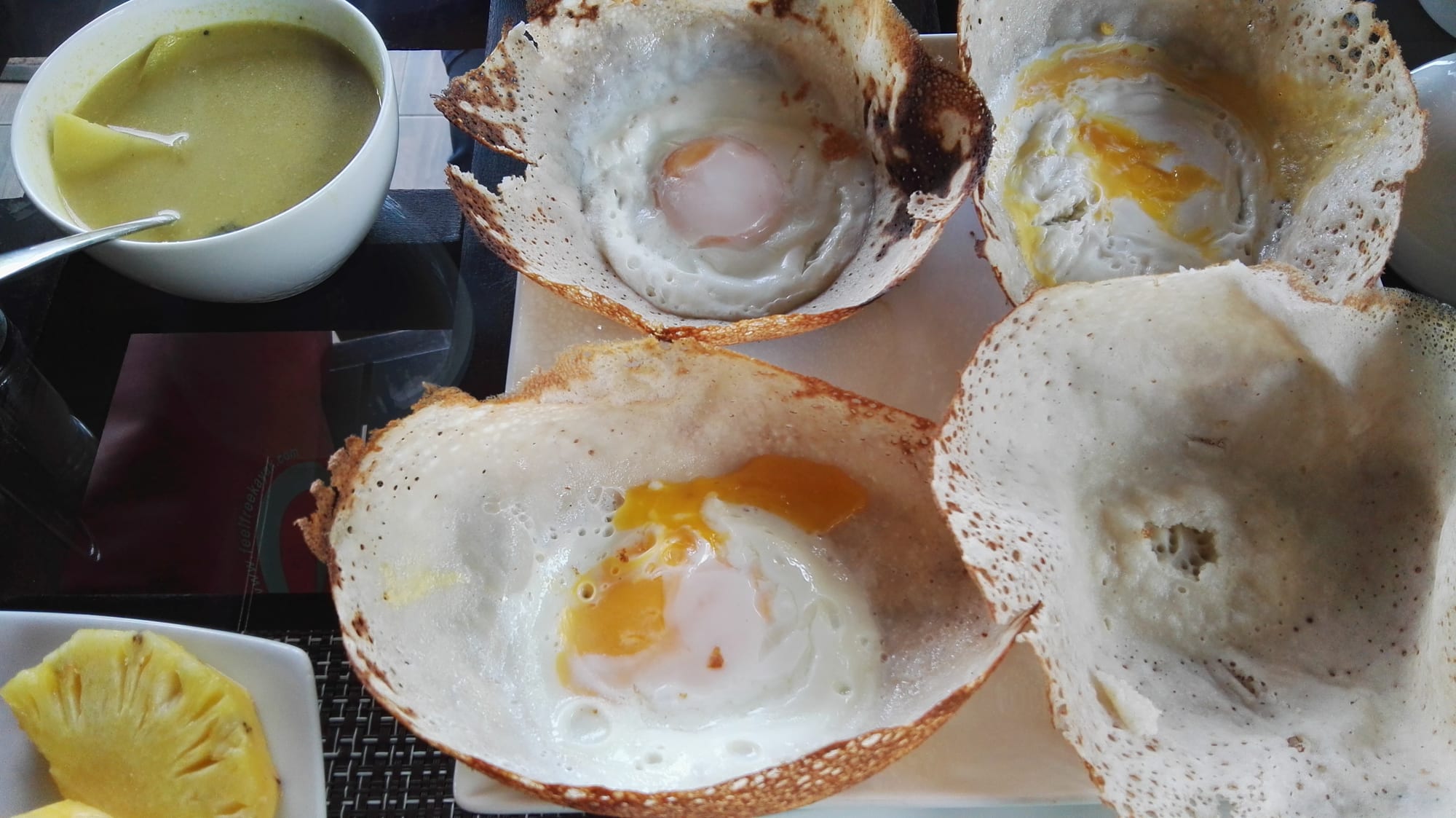
- Hoppers (appa) — bowl-shaped rice flour and coconut milk pancakes,
often served with a fried egg in the centre.
- Kottu roti — chopped flatbread stir-fried with vegetables, egg and
meat, a popular street-food dish.
- Sambol — a spicy condiment, often made from coconut, chilli and
lime, served alongside most meals.
- String hoppers (idiyappam) — steamed rice noodle nests, a common
breakfast staple.
- Wattalapam — a coconut and jaggery custard dessert, reflecting the
island's Malay culinary influence.
Drinks
Ceylon tea, grown in the island's central highlands, is a genuine point of national pride and one of Sri Lanka's most recognised exports worldwide. King coconut water, drunk straight from the fruit, and arrack, a spirit distilled from coconut flower sap, are also widely enjoyed.
Eating as a traveller
Vegetarians will find rice, vegetable curry and coconut-based dishes genuinely abundant given Sri Lanka's Buddhist and Hindu population. Tap water is not reliably safe to drink; bottled water is the standard default. Trying a full rice and curry spread at a local eatery, rather than a single curry dish, is a genuine way to experience the meal as most Sri Lankans actually eat it.
What to take from the table
Rice and curry, a shifting spread rather than one fixed recipe, is the dish that most fully reflects Sri Lanka's food story: an island shaped by centuries at the centre of the world's spice trade.