Attractions & Natural Wonders · Sri Lanka
Sri Lanka: Ten Attractions and Natural Wonders
A 5th-century rock fortress rising 200 metres above the jungle, a temple guarding what is venerated as the Buddha's own tooth, and the highest density of leopards recorded anywhere on earth
By Worldlore Editorial · 10 September 2026
A small island of extraordinary density
Sri Lanka packs an unusually dense concentration of history, wildlife, and landscape into a relatively small island — ancient rock fortresses and Buddhist temples, a wildlife reserve holding the highest recorded density of leopards anywhere on earth, and a colonial coastal fort still fully lived in. Its Buddhist, Hindu, Muslim, and Christian communities, along with a long Dutch, Portuguese, and British colonial history, have each left distinct marks across the island.
The ten below run from the ancient cities of the central plains to the hill country and the southern coast. December through March is generally the most popular season for the west and south coasts.
1. Sigiriya
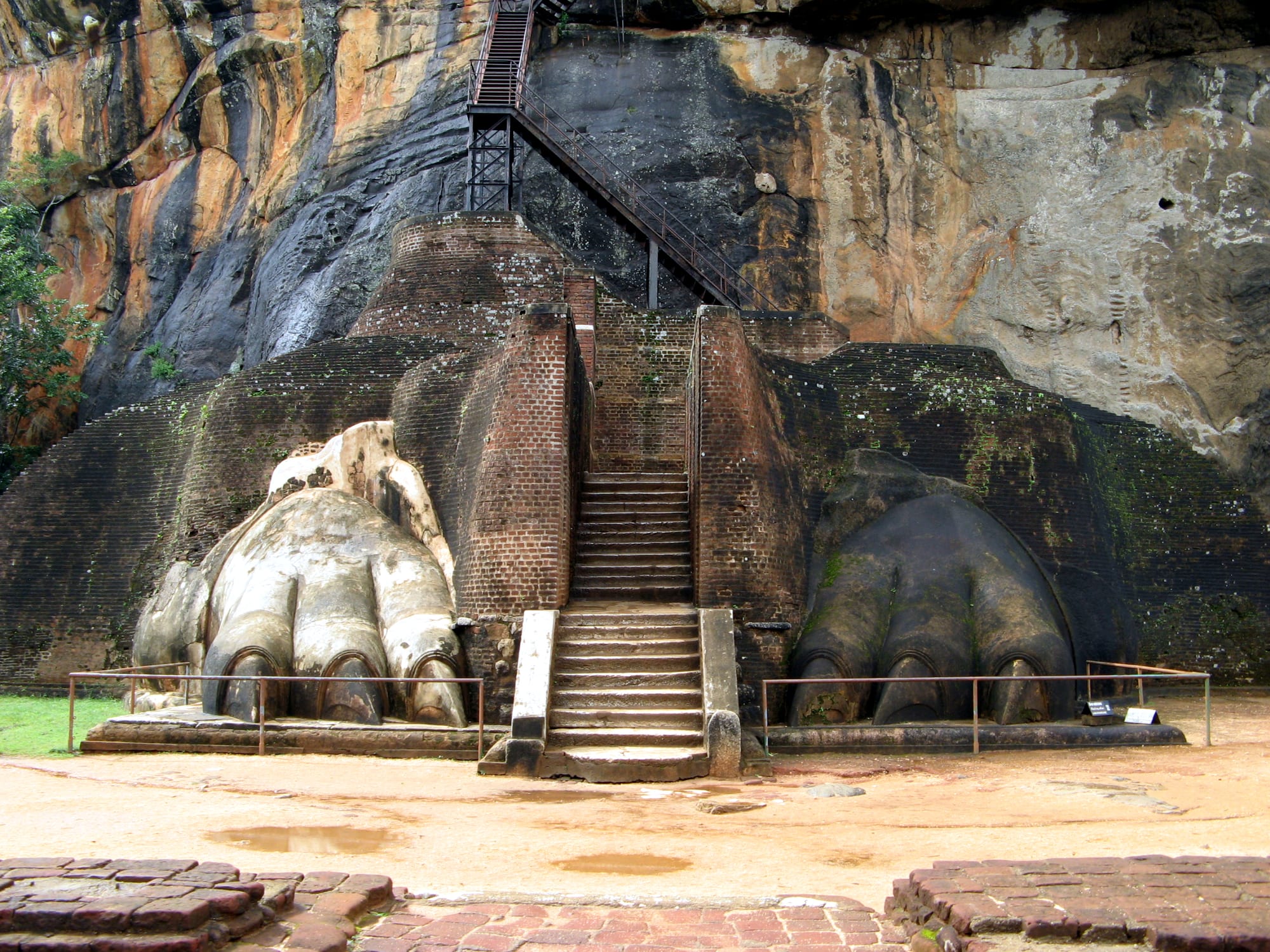
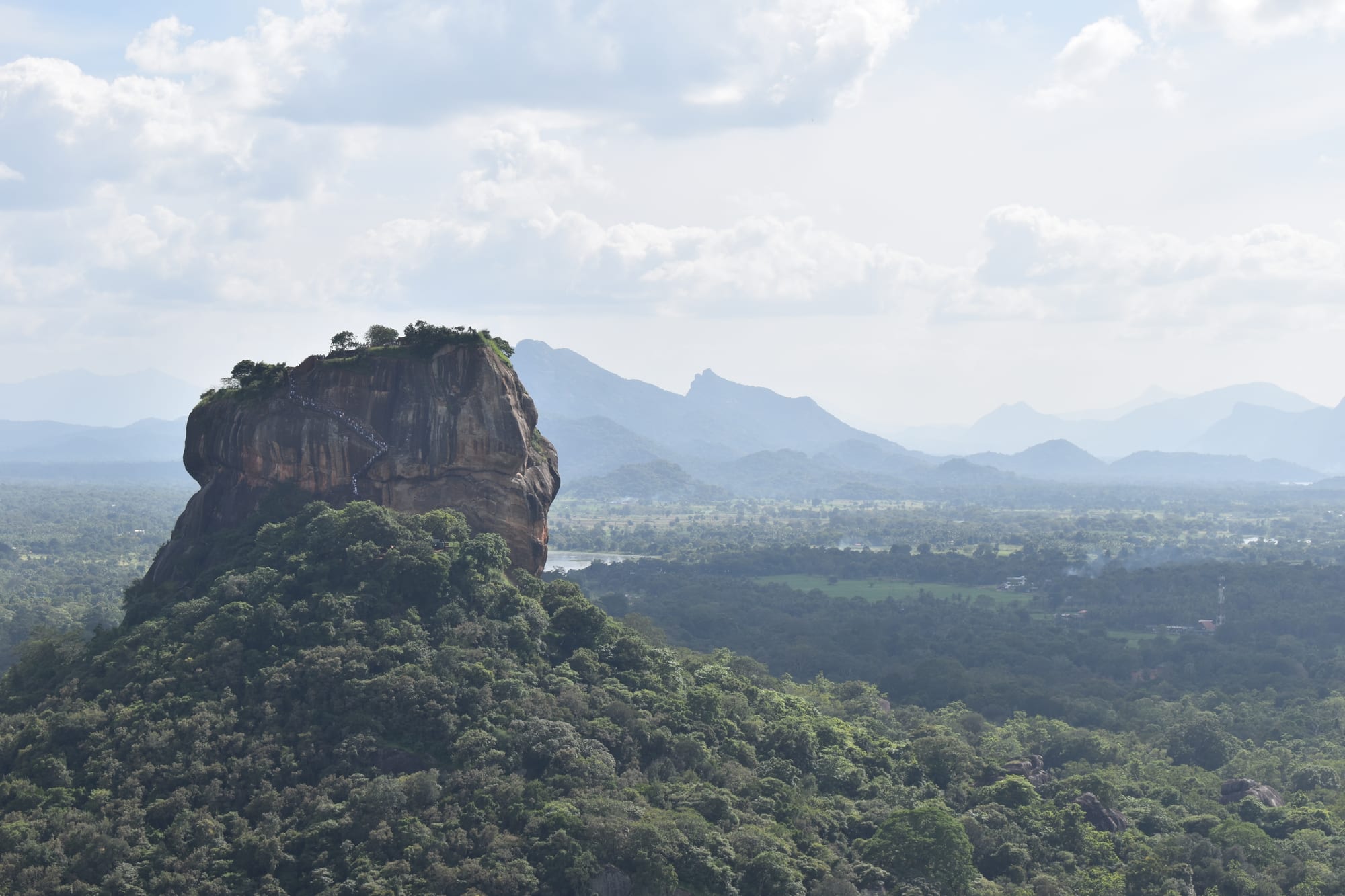
Sigiriya, a massive rock outcrop rising nearly 200 metres above the surrounding plain, held a 5th-century royal palace and fortress built by King Kashyapa, its approach lined with vividly preserved frescoes of celestial maidens and framed by giant carved lion's paws at the base of the final ascent. A UNESCO World Heritage Site, it remains one of the most remarkable feats of ancient engineering anywhere in South Asia.
2. The Temple of the Sacred Tooth Relic, Kandy
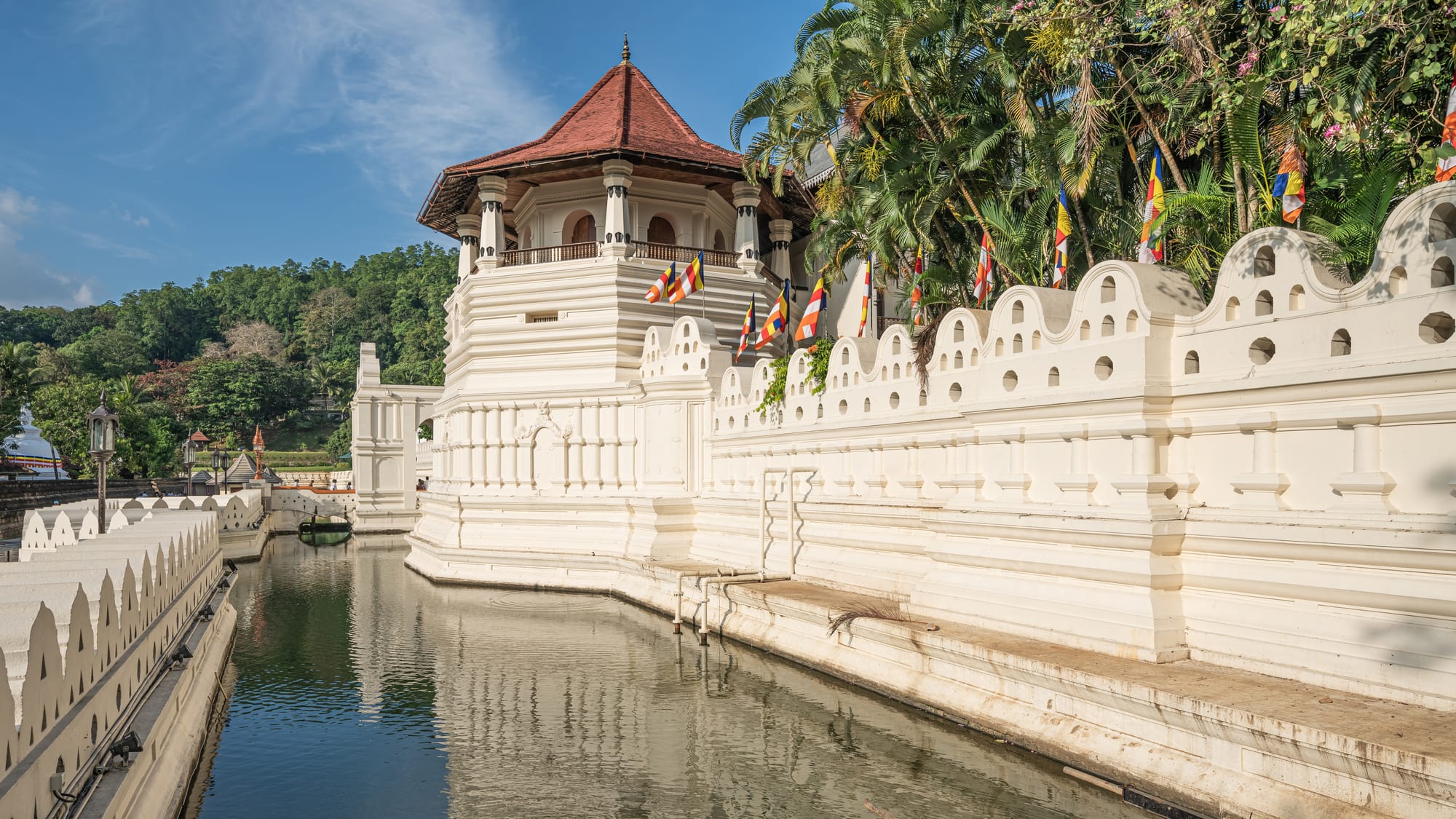
Kandy's Temple of the Sacred Tooth Relic holds what is venerated by Buddhists as a tooth of the Buddha himself, brought to Sri Lanka in the 4th century and now kept within a series of nested golden caskets, rarely displayed to the public. The annual Esala Perahera festival, featuring decorated elephants and traditional dancers parading through Kandy's streets, is one of the most significant Buddhist festivals in Asia.
3. Yala National Park
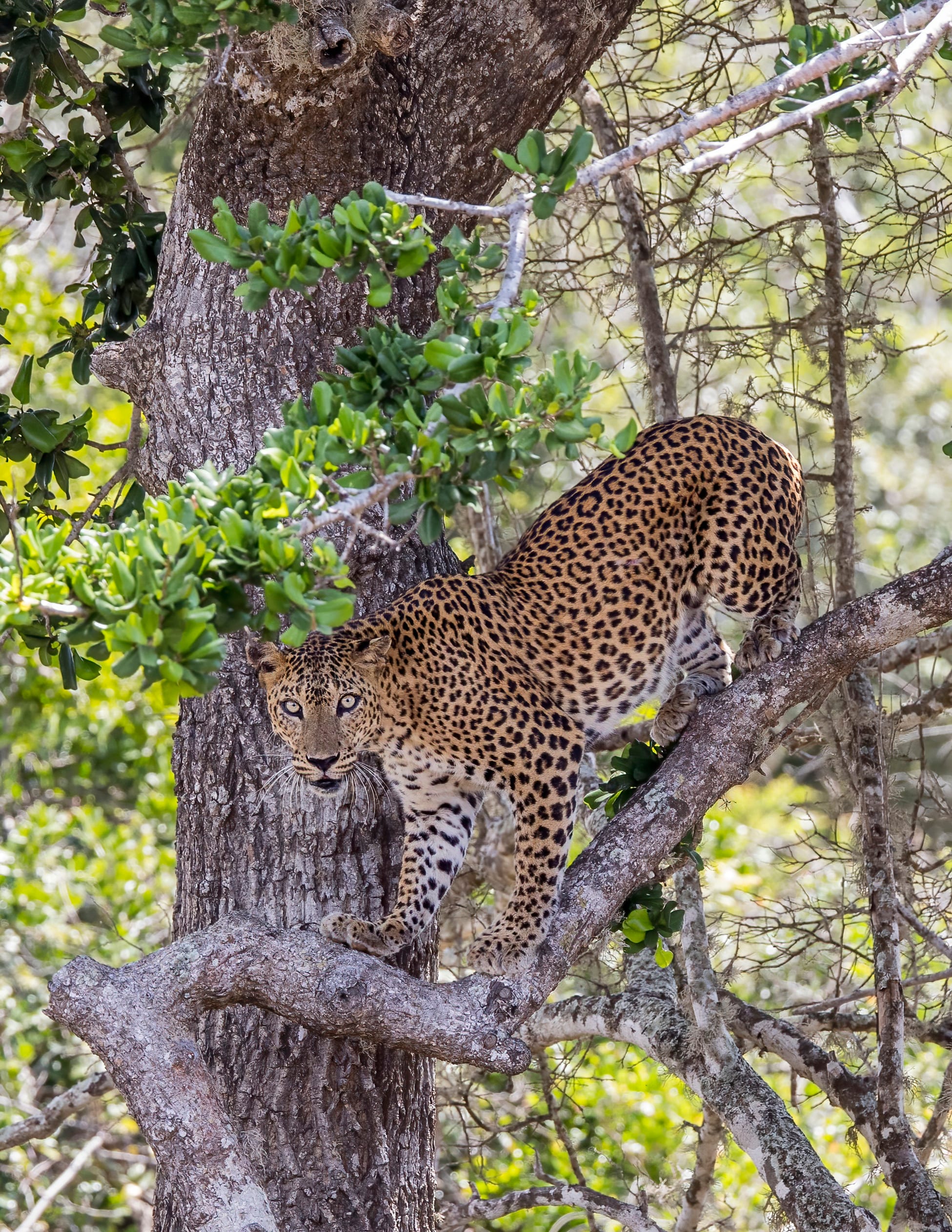
Yala National Park, on the island's southeast coast, holds the highest density of leopards recorded anywhere on earth, alongside elephants, sloth bears, and abundant birdlife, making it one of the most reliable places in the world to see wild leopards on a standard game drive. Its combination of scrub jungle, lagoons, and coastline gives varied habitat within a relatively compact and accessible park.
4. The Nine Arch Bridge, Ella
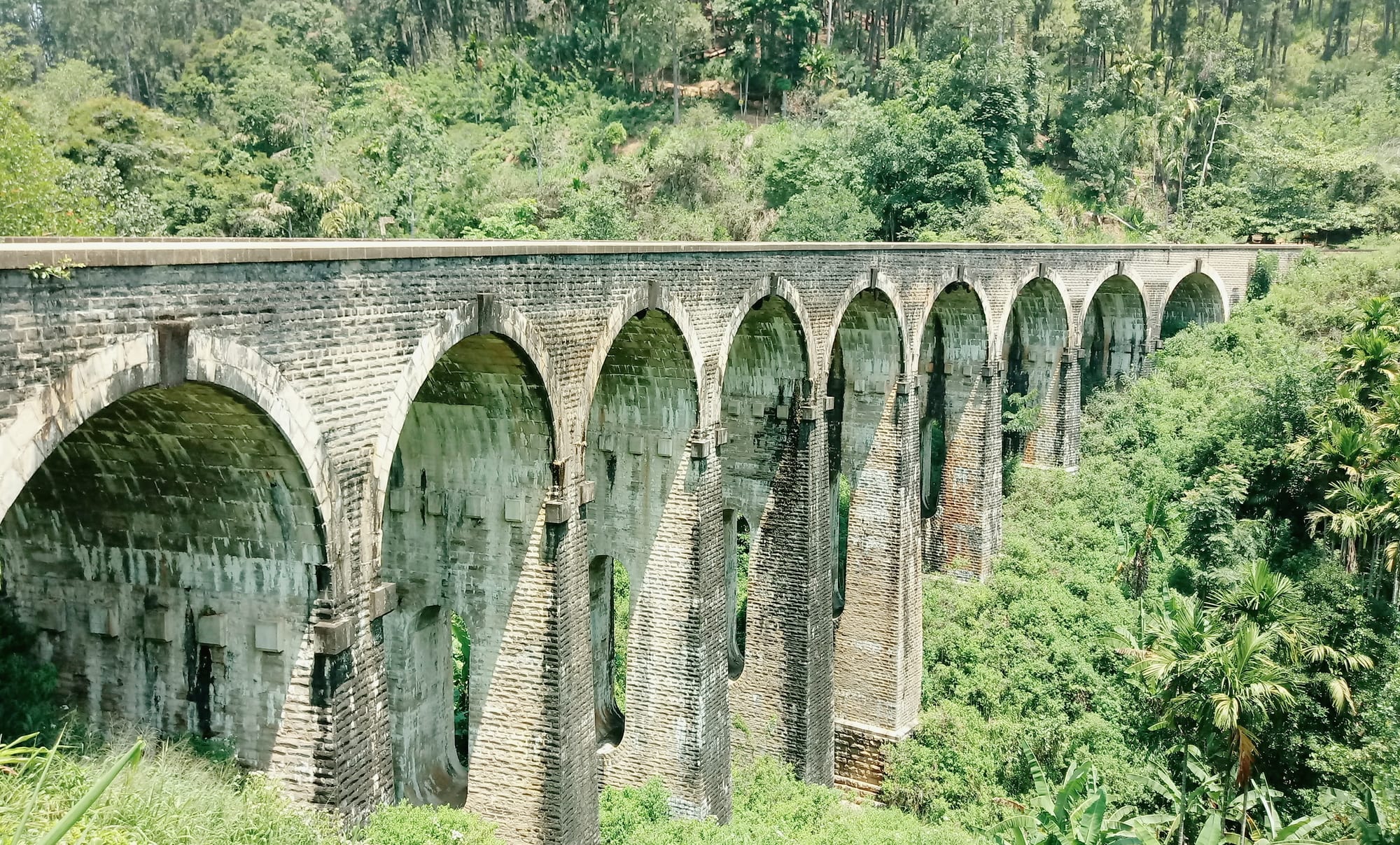
The Nine Arch Bridge, built during British colonial rule and, according to local lore, constructed without steel due to wartime shortages, spans a lush green valley near the hill-country town of Ella and is one of the most photographed spots on Sri Lanka's scenic hill-country railway line, timed by many visitors to coincide with a train crossing.
5. Galle Fort
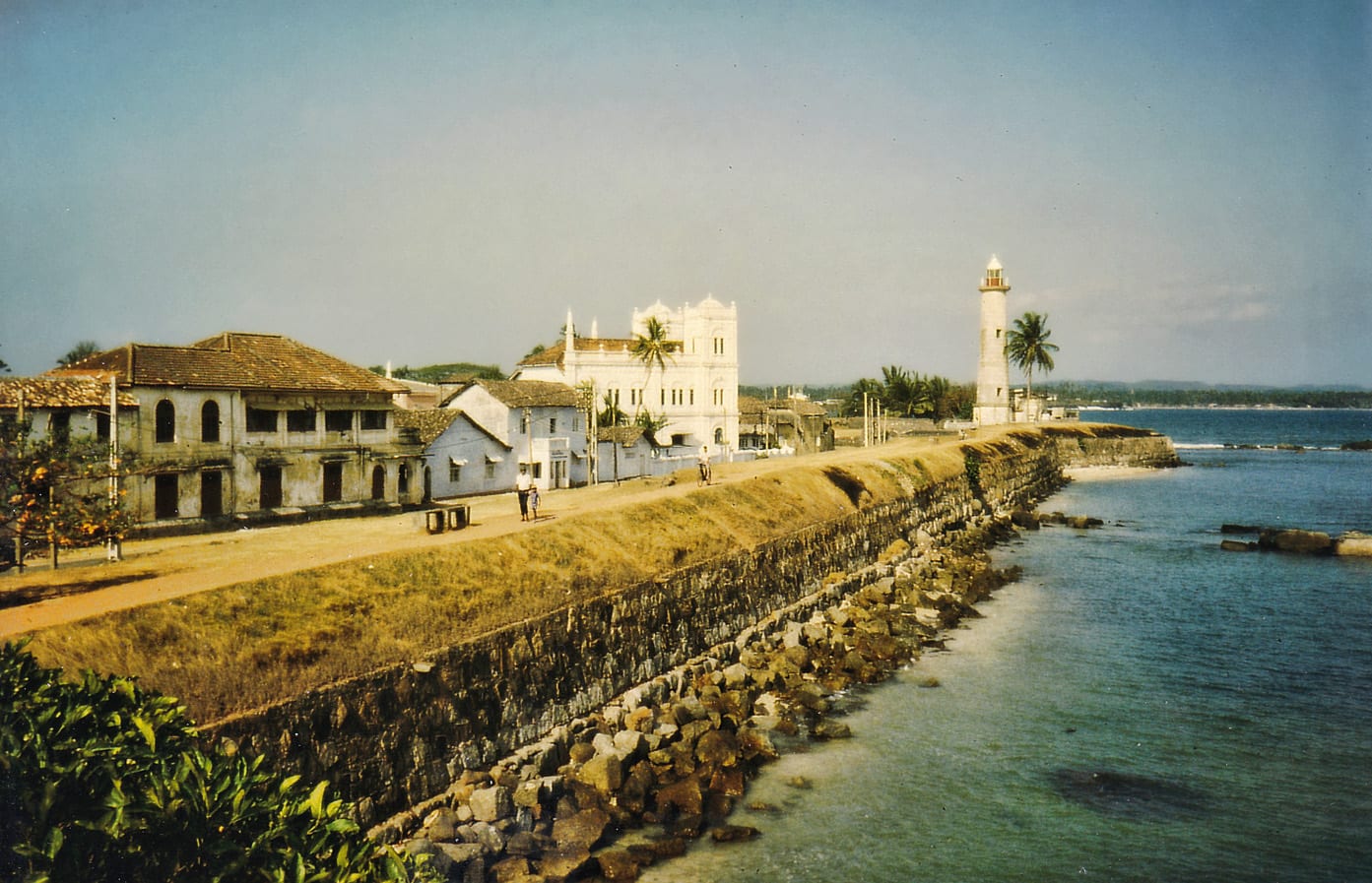
Galle Fort, built originally by the Portuguese and substantially expanded by the Dutch in the 17th century, remains one of the best-preserved colonial- era fortified towns in Asia, its ramparts enclosing a still-inhabited neighbourhood of boutique shops, cafés, and churches. A UNESCO World Heritage Site, it largely survived the devastating 2004 Indian Ocean tsunami thanks to its sturdy old fortifications.
6. The tea country around Nuwara Eliya
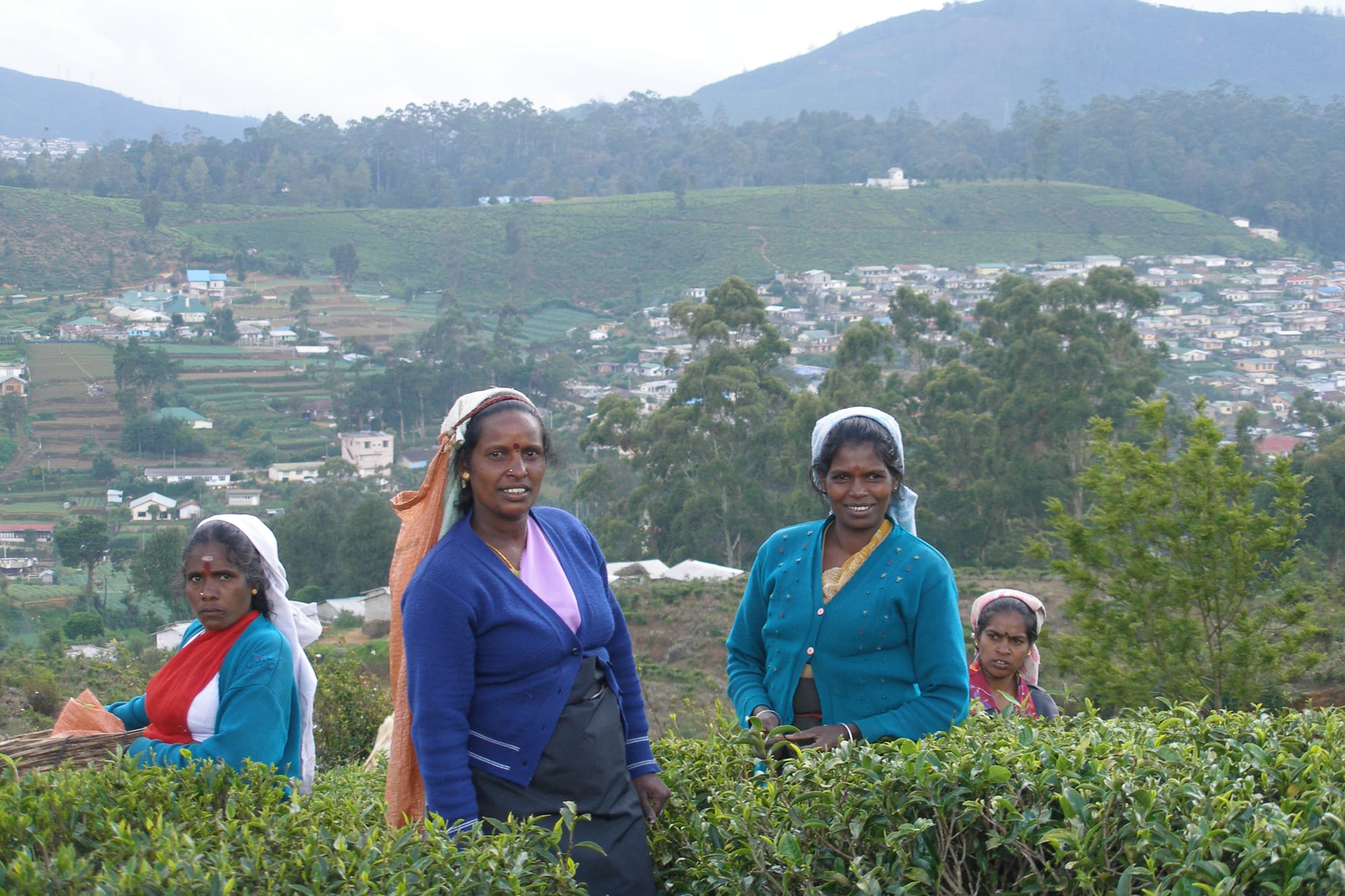
Nuwara Eliya, in Sri Lanka's cool central highlands, sits amid rolling Ceylon tea plantations established under British colonial rule, its noticeably cooler climate and Tudor-style architecture earning it the nickname "Little England." Tea factory tours here explain the processing of one of Sri Lanka's most significant exports, alongside sweeping views over the plantation hillsides.
7. The Dambulla Cave Temple
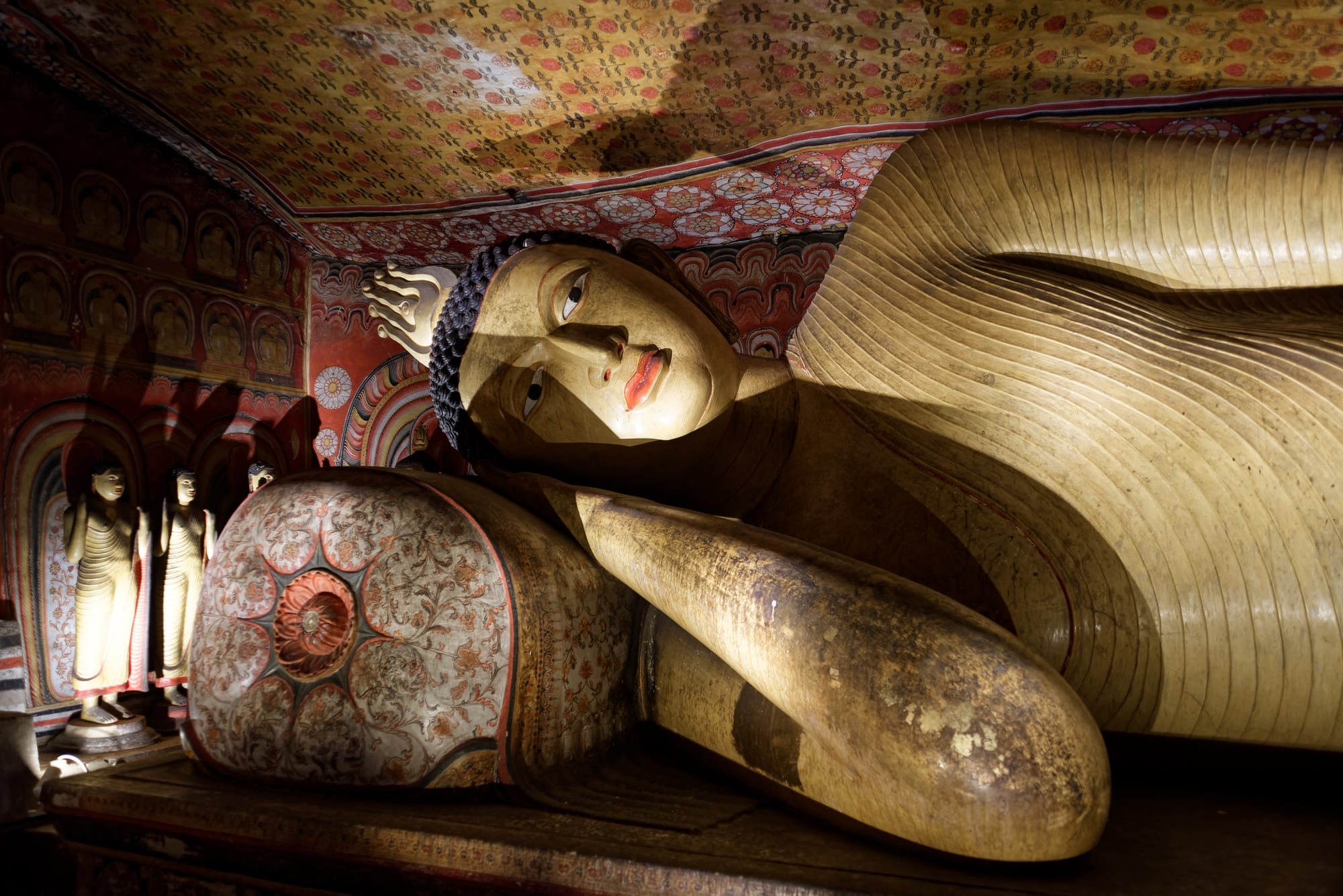
The Dambulla Cave Temple, Sri Lanka's largest and best-preserved cave temple complex, holds five caves packed with more than 150 Buddha statues and ceilings entirely covered in painted murals, some dating back over 2,000 years. A UNESCO World Heritage Site perched on a rock above the surrounding plain, it remains an active site of worship rather than a purely historical monument.
The climb up is shorter and easier than Sigiriya's, making it a practical pairing on the same day.
8. Polonnaruwa
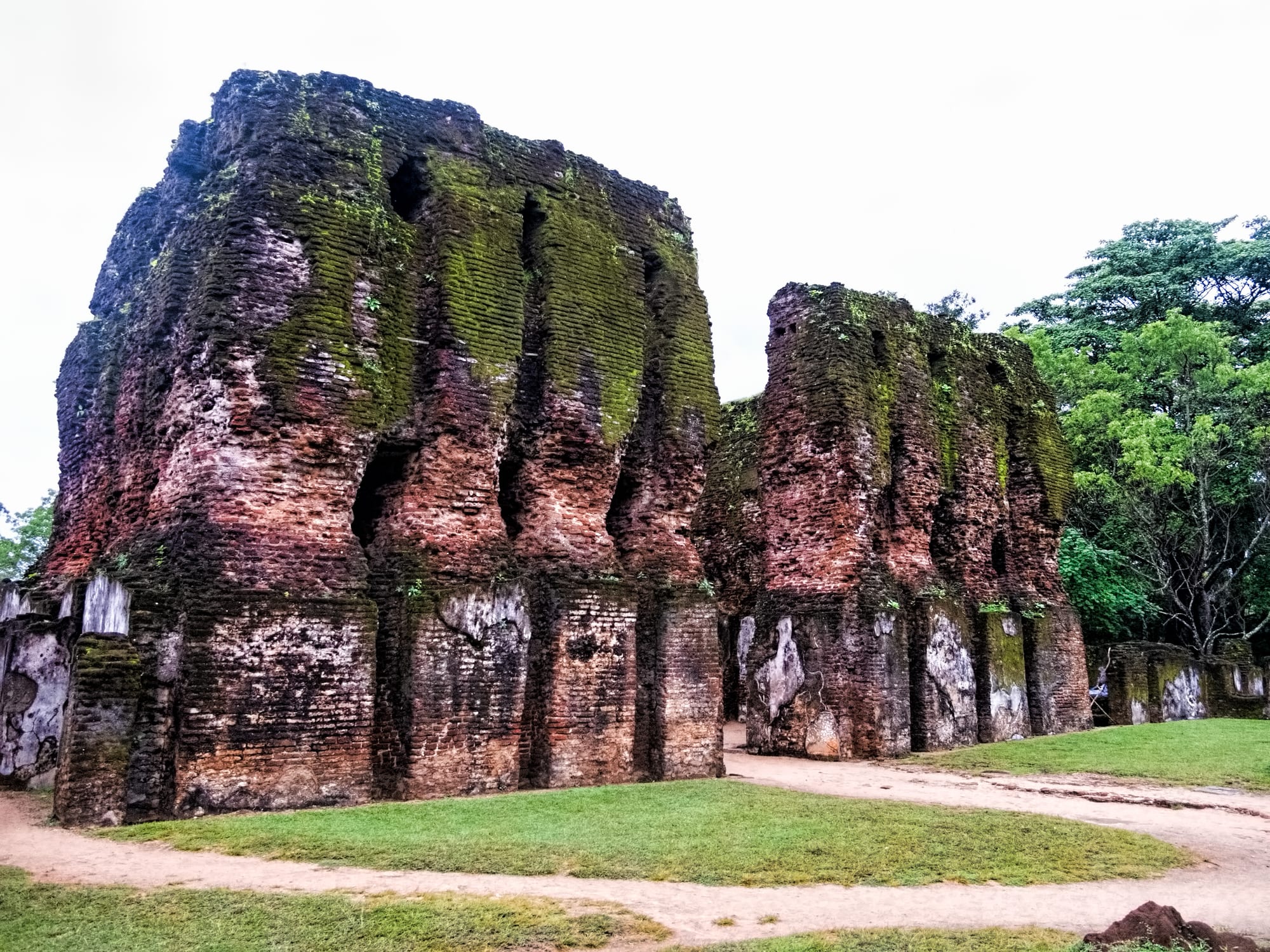
Polonnaruwa, Sri Lanka's second ancient capital after Anuradhapura, flourished from the 11th to 13th centuries and preserves a more compact, walkable core of ruined palaces, moated temples, and giant rock-carved Buddha statues than its older, more sprawling predecessor. A UNESCO World Heritage Site, it is often visited by bicycle, threading between ruins scattered across parkland.
Its relatively small size makes it an easier half-day introduction to Sri Lanka's ancient cities than Anuradhapura's much larger site.
9. Adam's Peak (Sri Pada)
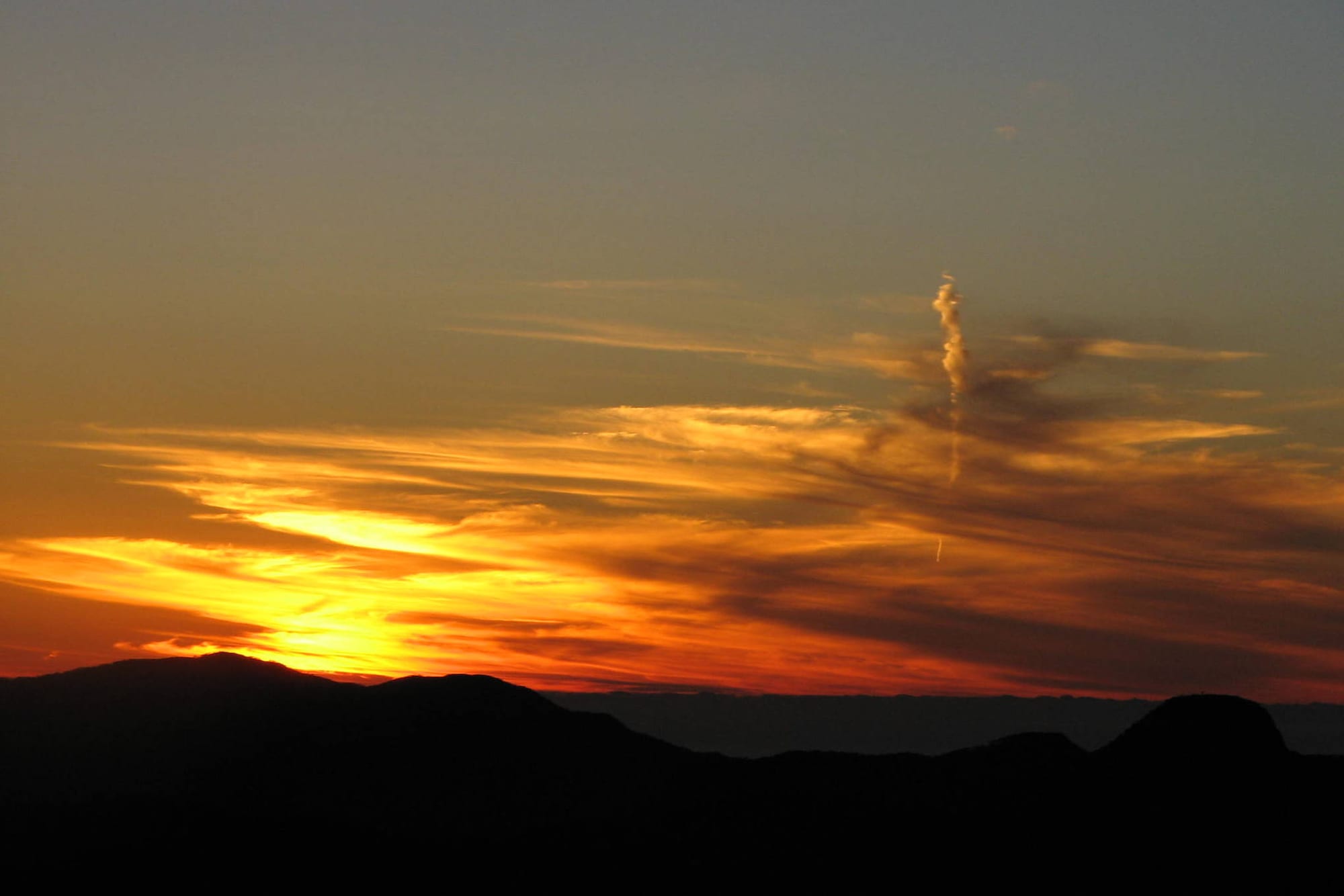
Adam's Peak, a sharply conical 2,243-metre mountain venerated by Buddhists, Hindus, Muslims, and Christians alike for a rock formation near the summit said to be a footprint, draws pilgrims up a floodlit stairway through the night, timed to reach the top for sunrise. The peak famously casts a perfect triangular shadow across the surrounding hills as the sun rises.
The pilgrimage season runs December to May; the climb, though long, is made accessible by tea shops and rest stops lining the route.
10. Mirissa and the south coast
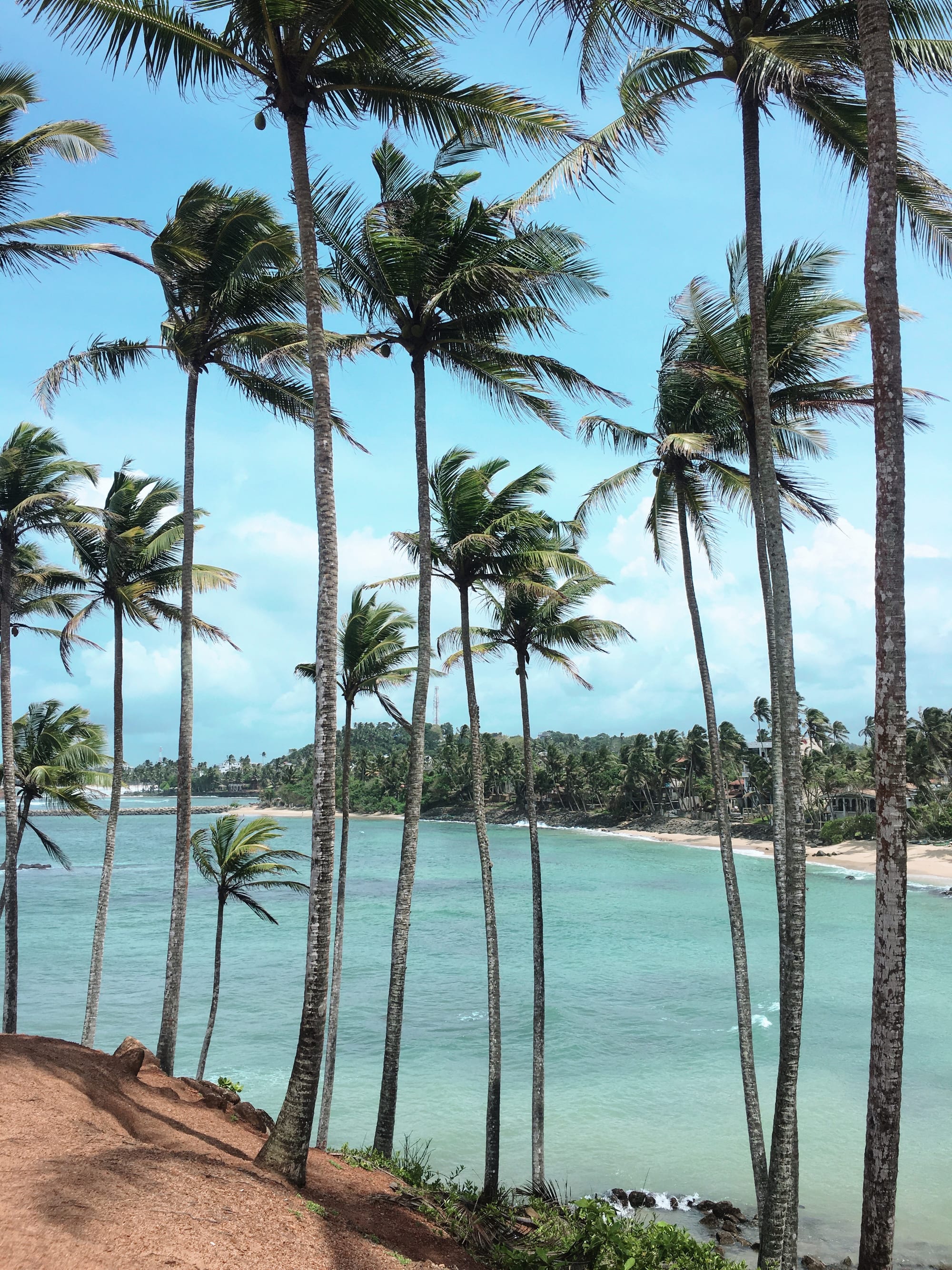
Mirissa, on Sri Lanka's south coast, has grown from a sleepy fishing village into the country's main base for whale watching — blue whales, the largest animals on earth, are seen with unusual reliability offshore between November and April, alongside sperm whales and dolphins. The town's beaches and a small cluster of coconut palms on a headland (Coconut Tree Hill) have also made it a laid-back beach base.
Boat trips leave early morning for the calmest seas and best chance of sightings.
Sri Lanka suits a well-rounded two-week trip combining the ancient cities, hill country, and south coast, with the country's compact size and extensive rail network making overland travel between regions relatively straightforward.