Daily Life · Sri Lanka
Sri Lanka: A Day Marked by the Full Moon
Extended families under one roof, a working day split between paddy fields, tea slopes and the coast, and a monthly full-moon holiday that quietly shuts down the sale of alcohol and meat nationwide
By Worldlore Editorial · 30 September 2026
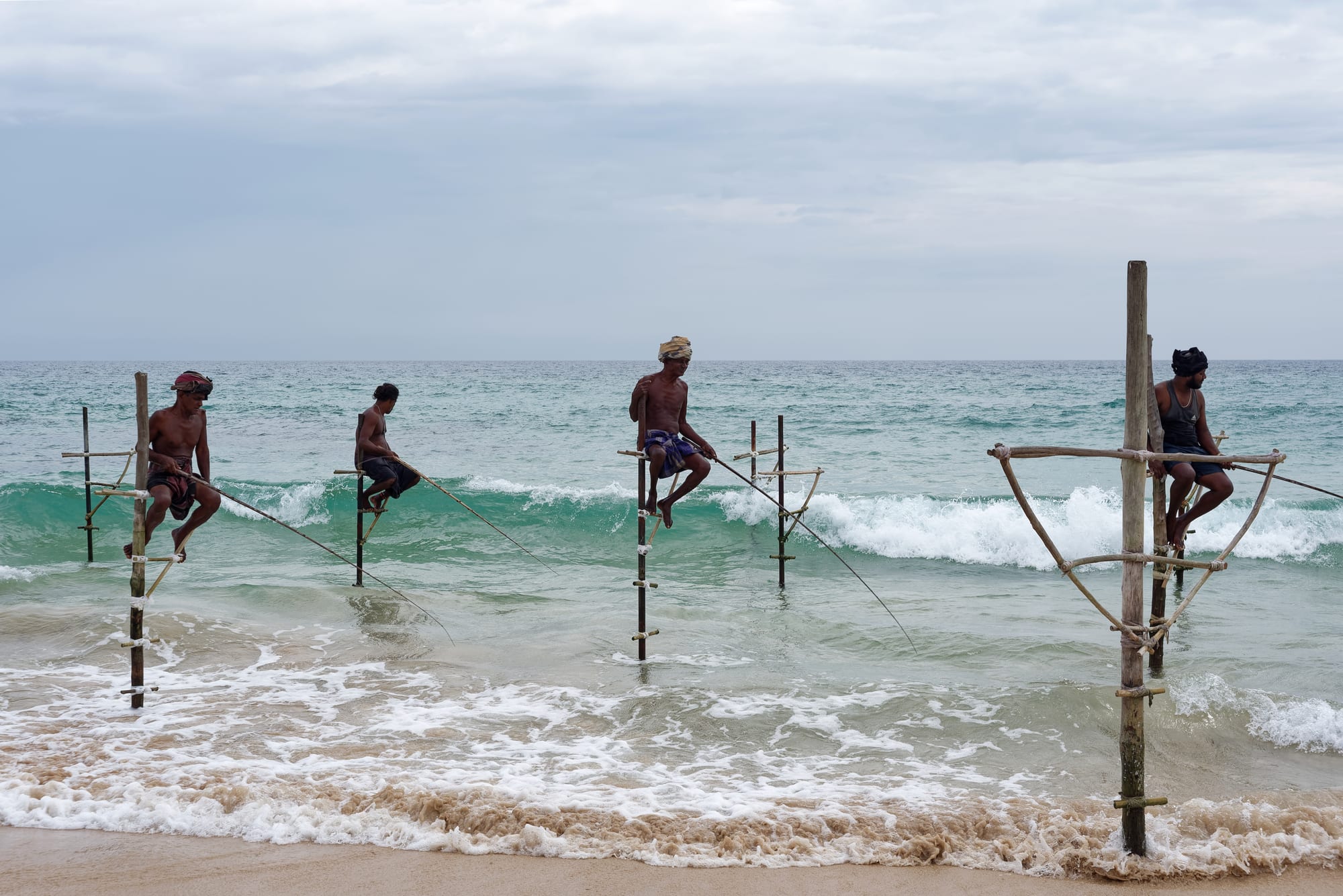
An ordinary day in Sri Lanka runs on two calendars at once: the working week, and the lunar month. Rice and curry anchors both main meals nationwide, households tend to hold several generations under one roof, and the economy still leans heavily on paddy fields, tea slopes and the coast rather than any single city. Threaded through all of it is poya, the monthly full-moon Buddhist holiday, which brings a nationwide pause roughly once every four weeks, whatever else the calendar has planned.
Family and home life
Sri Lankan households have grown smaller over the past generation but remain notably close-knit: the average household held 3.7 people in 2019, down from 3.8 in 2016, and it is still common for grandparents to live with their adult children and take an active role raising grandchildren, particularly outside the largest towns. Marriages continue to be arranged or family-guided for a significant share of the population, alongside a growing share of self-arranged matches, and a child's marriage is often treated as a matter for the wider family. Many homes keep a small shrine or devotional space, Buddhist, Hindu, Muslim or Christian depending on the household, reflecting the country's religious makeup.
Work, school and the rhythm of the day
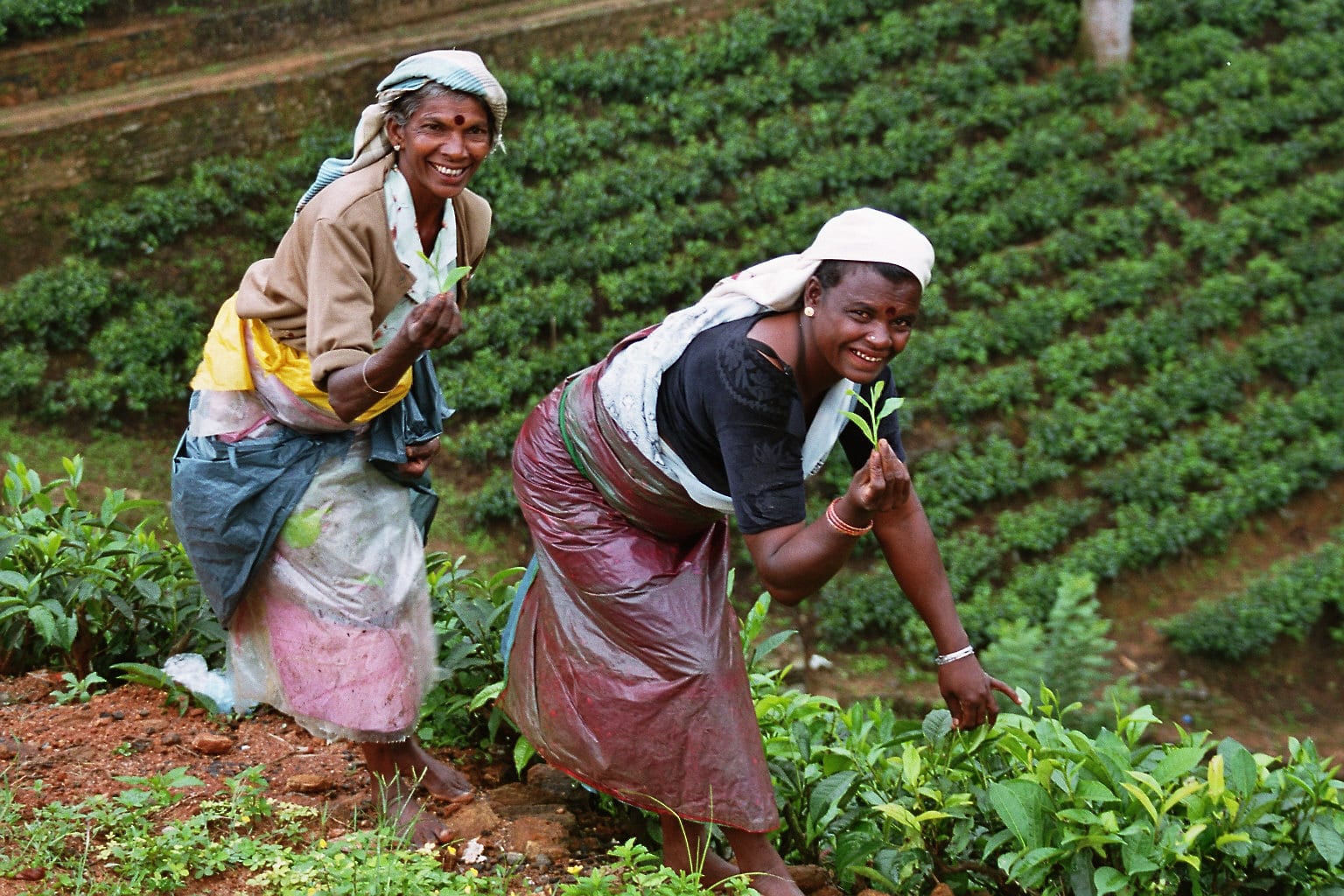
Office workers in the commercial sector generally keep conventional weekday hours, but a large share of the workforce still works the land: paddy farming, tea and rubber estates, and coastal fishing between them employ a substantial share of the country. On tea estates, pluckers, many of them Hill Country Tamil women, work long days picking to a daily quota, for wages that remain low even after recent pay rises, according to reporting on the industry. The school day generally begins in the morning and runs into early afternoon. Once a month, the poya holiday interrupts the working week entirely: it is a public and bank holiday, and the sale of alcohol and meat is restricted nationwide for the day, a rhythm that repeats roughly twelve or thirteen times a year.
Community life and public spaces
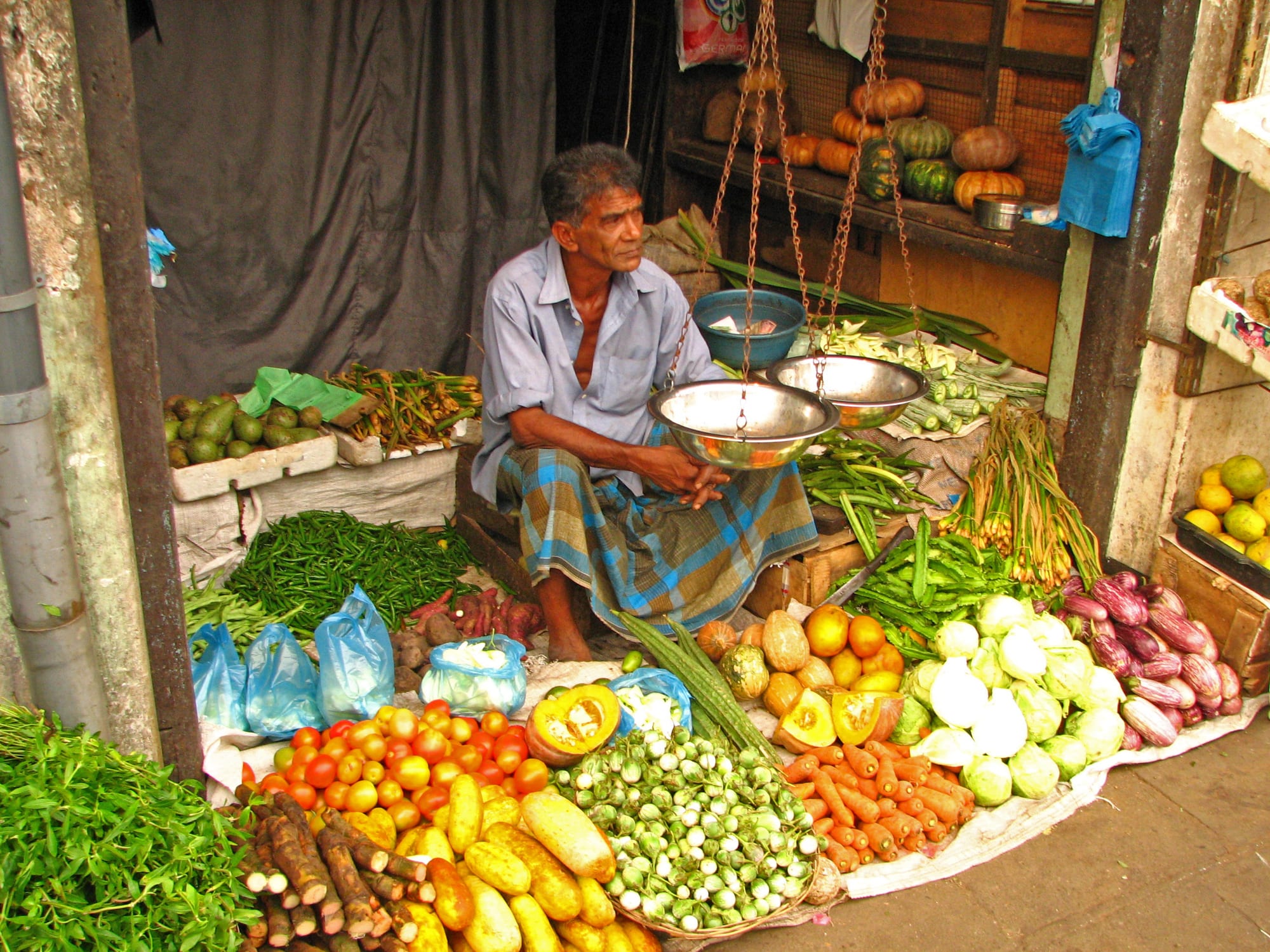
The local market, whether a daily row of stalls or a weekly pola that sets up on a fixed day, remains the main errand for fresh produce in towns and villages nationwide, alongside a growing number of supermarkets in larger towns. Small roadside tea shops, known as kadé, function as informal gathering points through the day, serving tea and short eats to anyone passing. Buddhist temples anchor neighbourhood life beyond religious observance, drawing people especially on poya days, while Hindu kovils, mosques and churches play the same role for their own communities. Trains are slow but carry real daily traffic on some routes, while buses, often crowded, are the more typical way most people actually get around.
Free time and weekends
Cricket draws the widest and most consistent following of any sport, and matches, especially involving the national team, are followed as a shared national event rather than a niche interest. Weekends are built around extended family visits and, on poya specifically, temple visits that combine religious observance with time spent among relatives and neighbours. For those near the coast, a swim or a walk on the beach is a routine weekend outing rather than an occasion, and market squares that serve as a daily errand during the week often turn into a slower, more social stop at the weekend.
A visitor's ordinary day
Most visitors need an Electronic Travel Authorisation arranged online before arrival. Cash remains useful outside hotels and larger restaurants, and a hired car with driver, common and affordable, is how many visitors cover ground between towns. Poya days are worth checking against travel plans: alcohol sales stop nationwide, and some shops, government offices and attractions close or run reduced hours. Sections of the scenic hill-country train line were closed by landslides after Cyclone Ditwah in late 2025 and have been reopening in stages, so the current service is worth checking, and seats are worth booking in advance, while buses and tuk-tuks or ride-hailing apps cover most other journeys. Mosquito repellent is worth carrying nationwide given the risk of dengue, and tap water is not safe to drink without filtering or boiling.
What to take away
What organises an ordinary day in Sri Lanka is not only the household, still close-knit across generations, or the land most people's work still runs through, but a calendar that resets itself every full moon, pausing the whole country roughly once a month whether the working week is ready for it or not.