Daily Life · Seychelles
Seychelles: Life Spread Across Three Islands
A household built around the women who run it, a working day split between tourism and the tuna cannery, and an ordinary commute that, for many, means a ferry or a bicycle rather than a road
By Worldlore Editorial · 30 September 2026
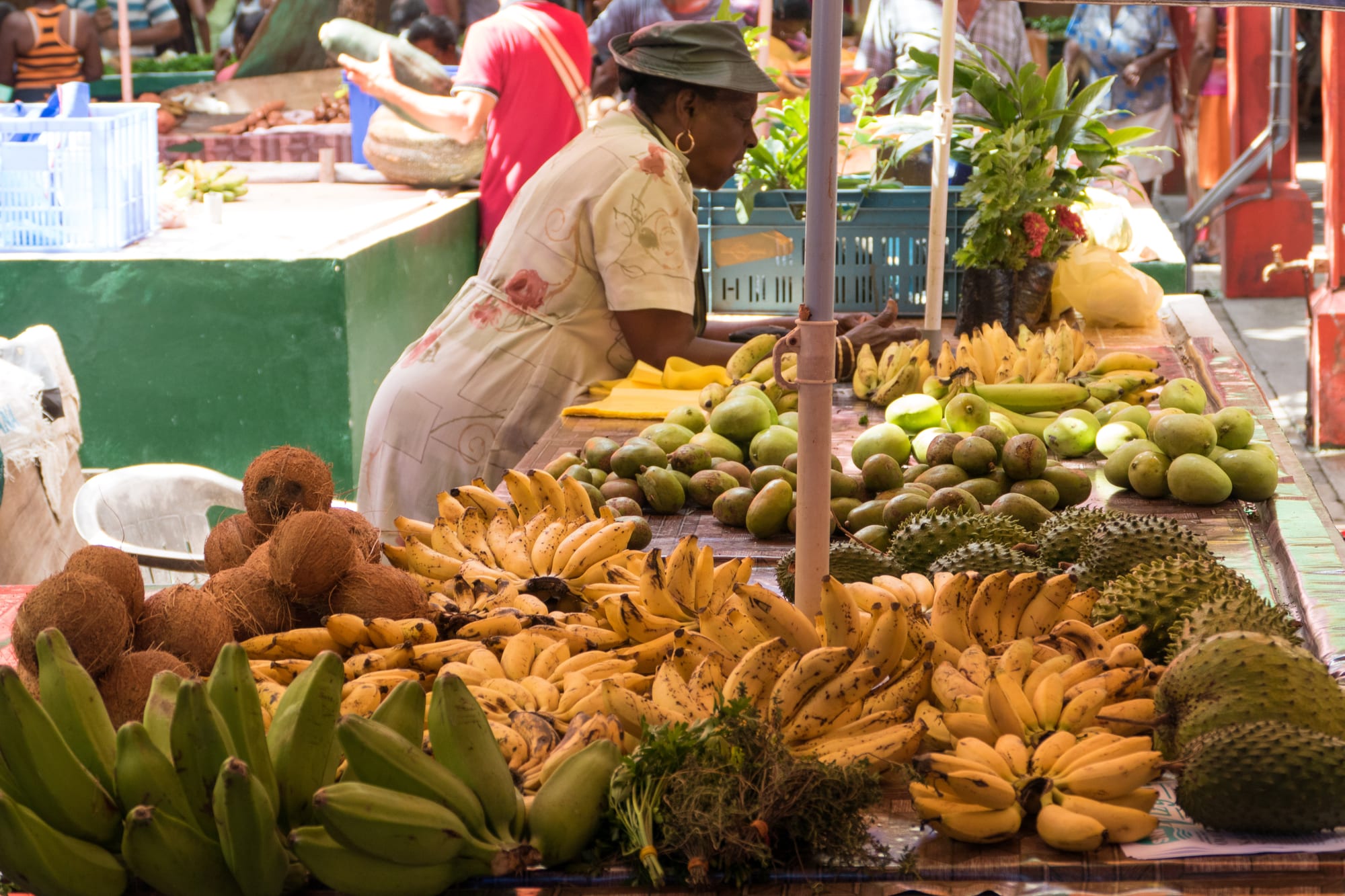
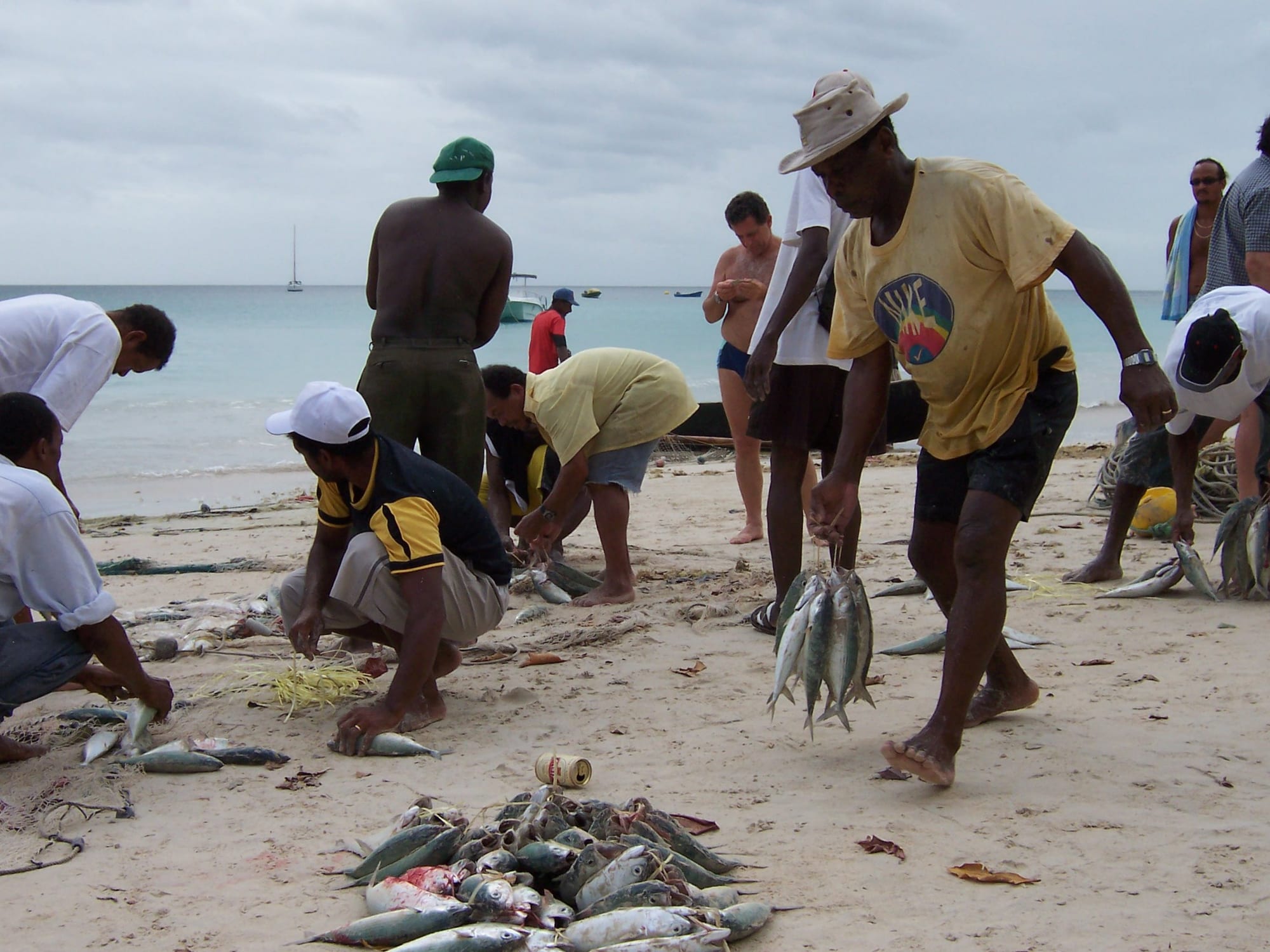
Almost the entire population of Seychelles lives on just three of its 115 islands, and that geography shapes an ordinary day as much as anything else does. Mornings on Mahé, Praslin and La Digue tend to start early, ahead of the heat, with fishing boats going out early and market stalls setting up in Victoria not long after. Livelihoods here run on two things the country cannot avoid depending on: tourism, which brings more than three times as many visitors a year as there are residents, and tuna, landed and processed at the big cannery in Port Victoria. Getting from one island to the next, for work, school or a family visit, is a routine part of life rather than a special trip.
Family and home life
In Seychellois households mothers tend to be dominant, controlling most of the spending and looking after the children's interests, and several generations often live under one roof or close by. Many children are raised by their mother with support from her own mother and wider family rather than always by a resident father. Grandparents and aunts often play an active, everyday role in childcare, and many elderly relatives live with or near their families.
Work, school and the rhythm of the day
Tourism employs about three in ten workers, and many others work in the fishing and tuna-canning industry, in the large public sector, or in a small amount of agriculture. School is compulsory to 16 and free to 18; Seychellois Creole, the first language of almost everyone, is the language of teaching in the early years, after which English gradually takes over and French is taught as a foreign language. Away from the resorts, daily life is shadowed by a serious domestic drug problem: Seychelles has one of the highest rates of heroin use per head in the world, and it touches far more households than tourists tend to see.
Community life and public spaces
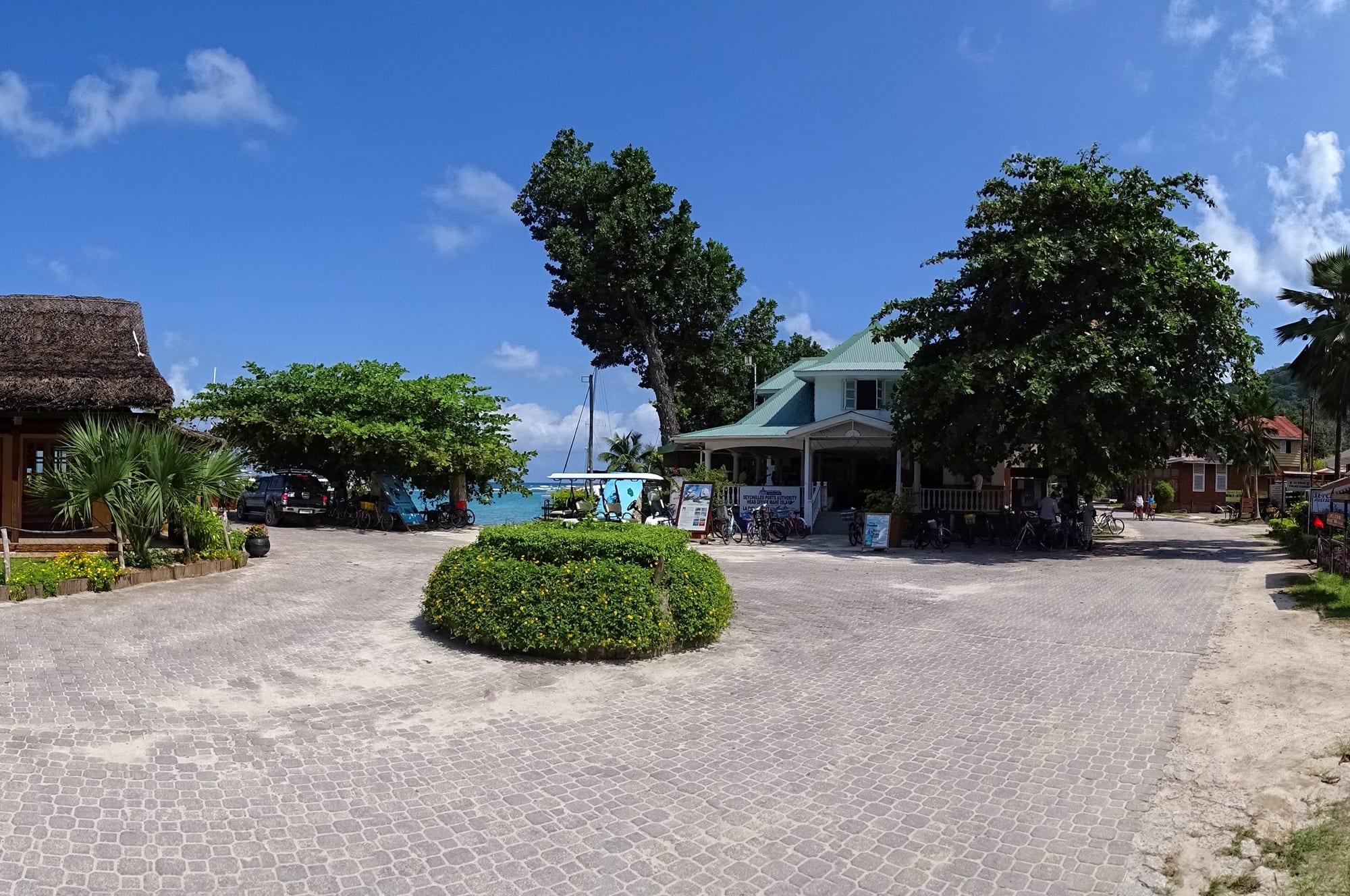
Victoria, the small capital on Mahé, is the country's only city, and its produce market, temporarily housed in a nearby building during renovations since 2025, is the closest thing Seychelles has to a national public square, drawing shoppers for fresh fish, tropical fruit and spices most mornings of the week. Outside Victoria, daily life is far more dispersed: villages are strung along the coast roads of Mahé and Praslin, and on La Digue there are few private cars, with bicycles and the odd slow-moving ox-cart still doing the work a road full of traffic would elsewhere. Between the three main islands, a fast catamaran ferry, and short flights between Mahé and Praslin, carry commuters, schoolchildren and family visitors as a matter of routine, not an occasion.
Free time and weekends
Weekends tend to mean the beach, whether for swimming, a family picnic or recreational fishing, and boat trips between islands double as both transport and a day out. Many families keep a small garden or grow some of their own fruit and vegetables, and an annual highlight nationwide is the Festival Kreol, the International Creole Festival, when Creole music, dance and food draw crowds. With most of the interior of the larger islands taken up by forested, granite hills, walking trails in Mahé's Morne Seychellois National Park are a popular free day out for residents as well as visitors.
A visitor's ordinary day
The currency is the Seychellois rupee, though many hotels and tour operators quote prices in euros; cards are widely accepted at hotels, restaurants and dive shops, but cash is more useful for buses, markets and small guesthouses. Getting between islands means booking the Mahé-Praslin-La Digue ferry or, for Praslin, a short flight rather than driving, and on La Digue itself, renting a bicycle at the ferry pier is the normal way to get around rather than hiring a buggy. Buses on Mahé and Praslin are cheap and run a fixed network, useful for reaching beaches and villages away from a hotel shuttle.
What to take away
What defines an ordinary day in Seychelles is distance as much as anything else: a country of well over a hundred islands where daily life is really lived on three of them, and where getting from home to work, school or family often means a ferry crossing rather than a road.