Attractions & Natural Wonders · Seychelles
Seychelles: Seven Attractions and Natural Wonders
Giant granite boulders shaping one of the most photographed beaches on earth, a palm forest holding the world's largest seed, and giant tortoises that can live well past a century
By Worldlore Editorial · 10 September 2026
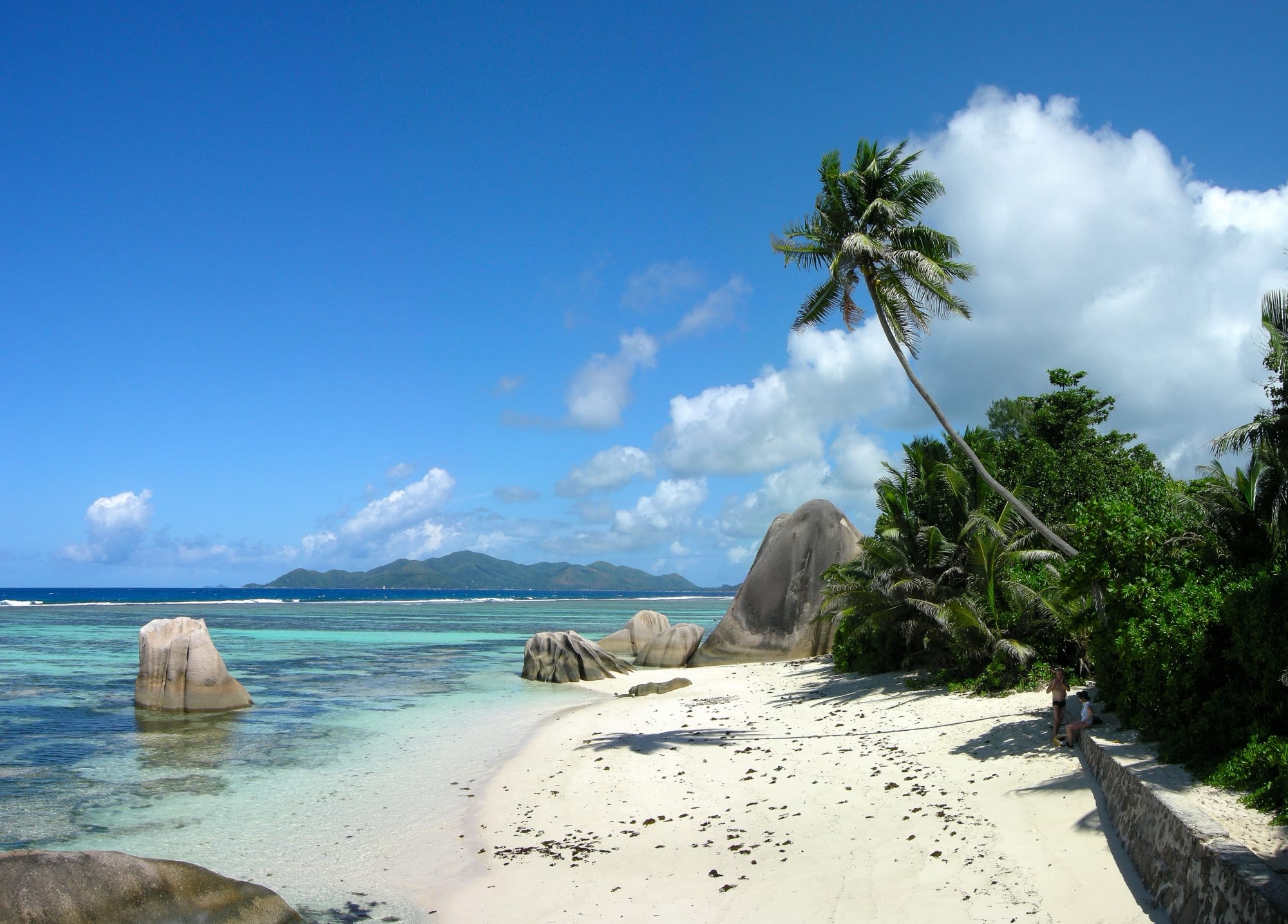
115 islands scattered in the Indian Ocean
Seychelles, an archipelago of 115 islands in the Indian Ocean, combines some of the most photographed beaches in the world with an unusual geology — unlike most tropical islands, many of the inner Seychelles are granite rather than coral, producing giant, smoothly weathered boulders that give its beaches a distinctive look found almost nowhere else. Its isolation has also produced a striking level of unique wildlife, including the world's largest seed and some of its longest-lived tortoises.
The seven below span the main islands of Mahé, Praslin, and La Digue. The islands are a year-round destination, with the calmest seas typically from April to May and October to November.
1. Anse Source d'Argent
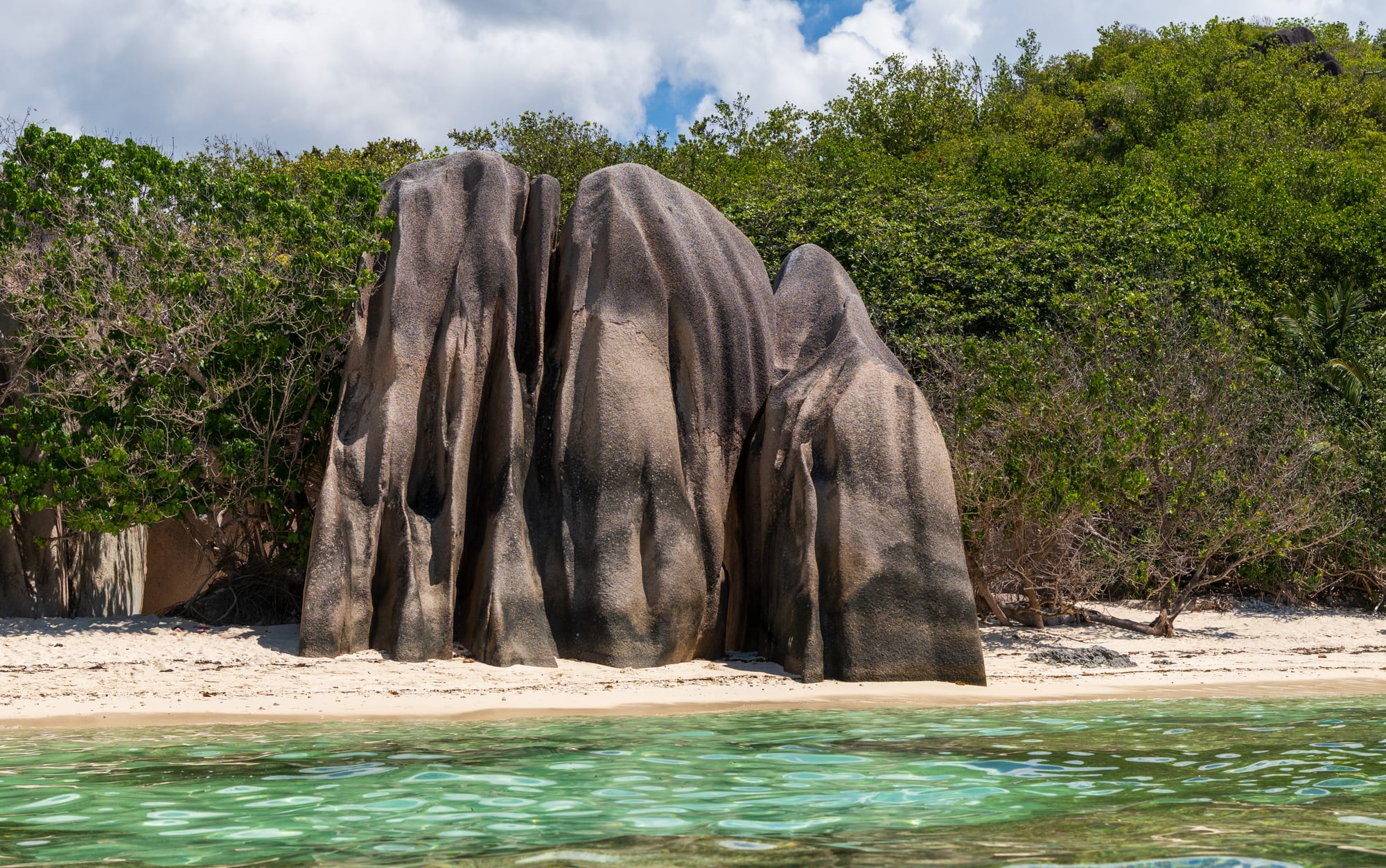
Anse Source d'Argent, on the small island of La Digue, is regularly ranked among the most beautiful beaches in the world — a shallow, reef-sheltered lagoon framed by massive, smoothly weathered pink granite boulders that give the beach its unmistakable, widely photographed silhouette. La Digue itself remains largely car-free, explored mainly by bicycle or ox cart.
2. The Vallée de Mai
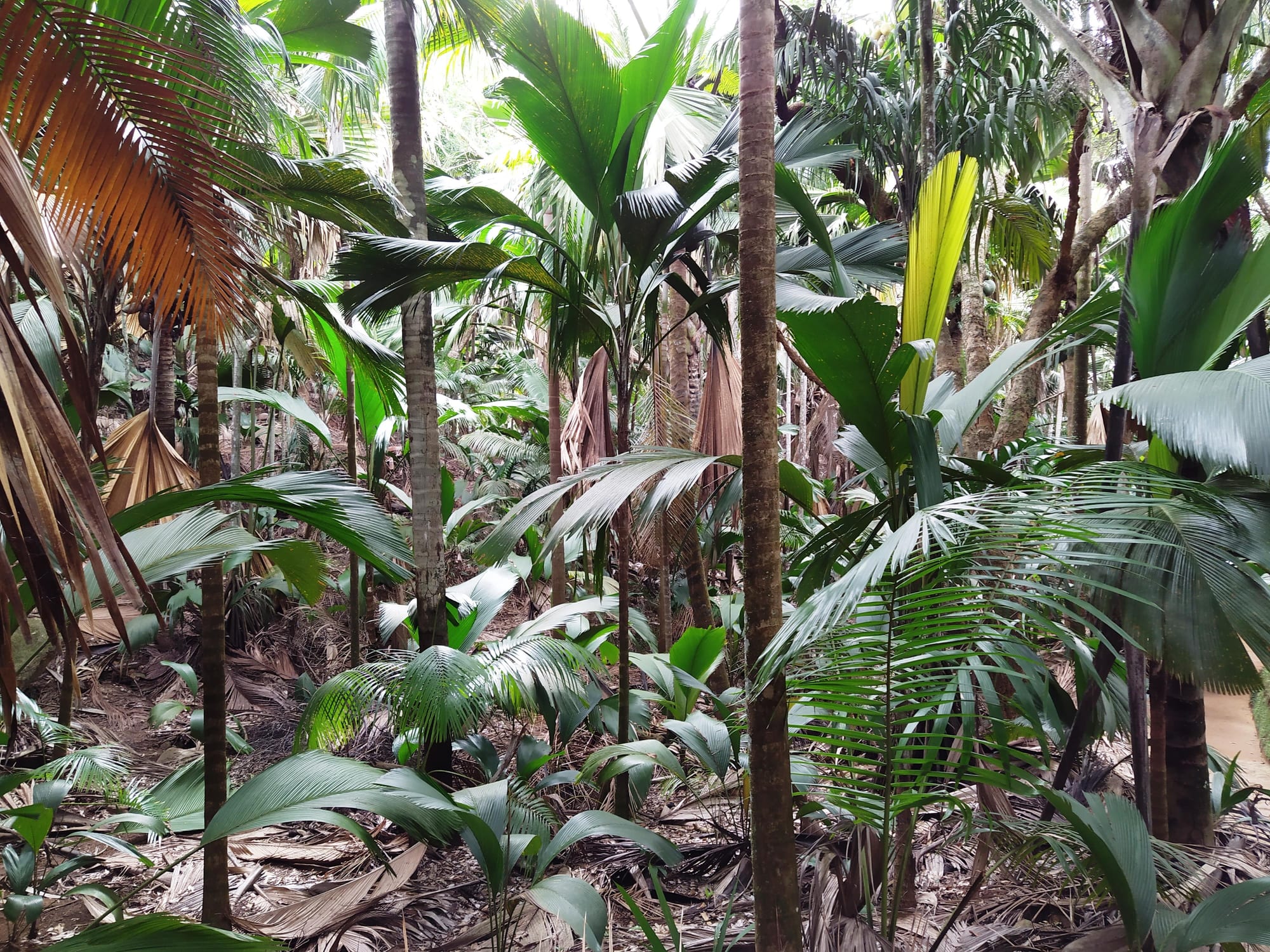
The Vallée de Mai, a UNESCO World Heritage Site on Praslin island, protects an ancient palm forest home to the coco de mer, a palm tree that produces the largest and heaviest seed of any plant on earth, weighing up to 25 kilograms and famously shaped in a way that has long fuelled local legend and folklore. The reserve's largely untouched forest gives a rare sense of what these islands looked like before human settlement.
3. Aldabra giant tortoises
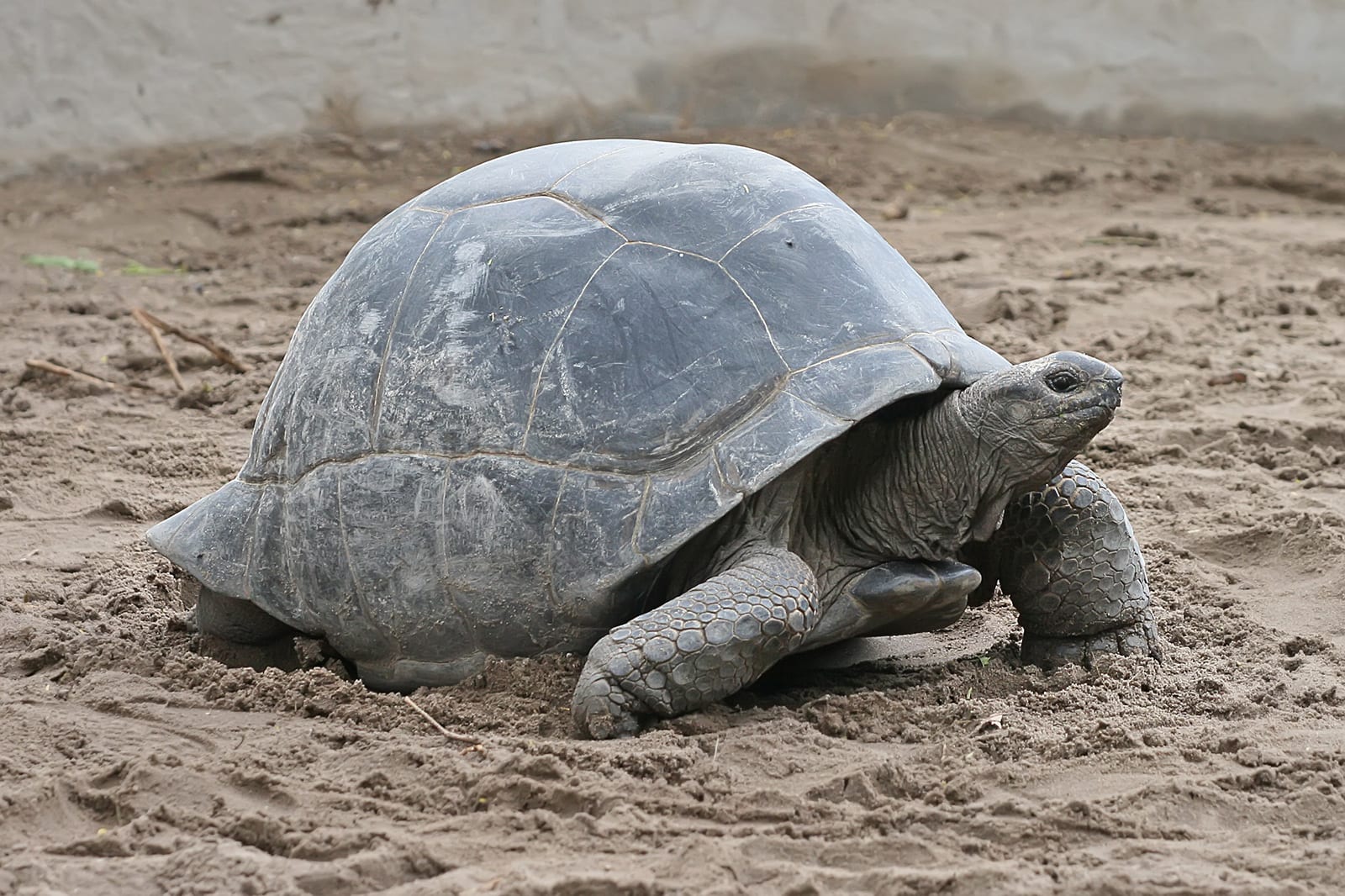
Aldabra Atoll, one of the largest raised coral atolls in the world and a UNESCO World Heritage Site in its own right, is home to the largest population of giant tortoises on earth, some individuals verified to have lived well past 150 years. While Aldabra itself is extremely remote and rarely visited, descendants of its tortoises can be seen on several of the more accessible inner islands, including protected populations on Curieuse and in private reserves.
4. Victoria
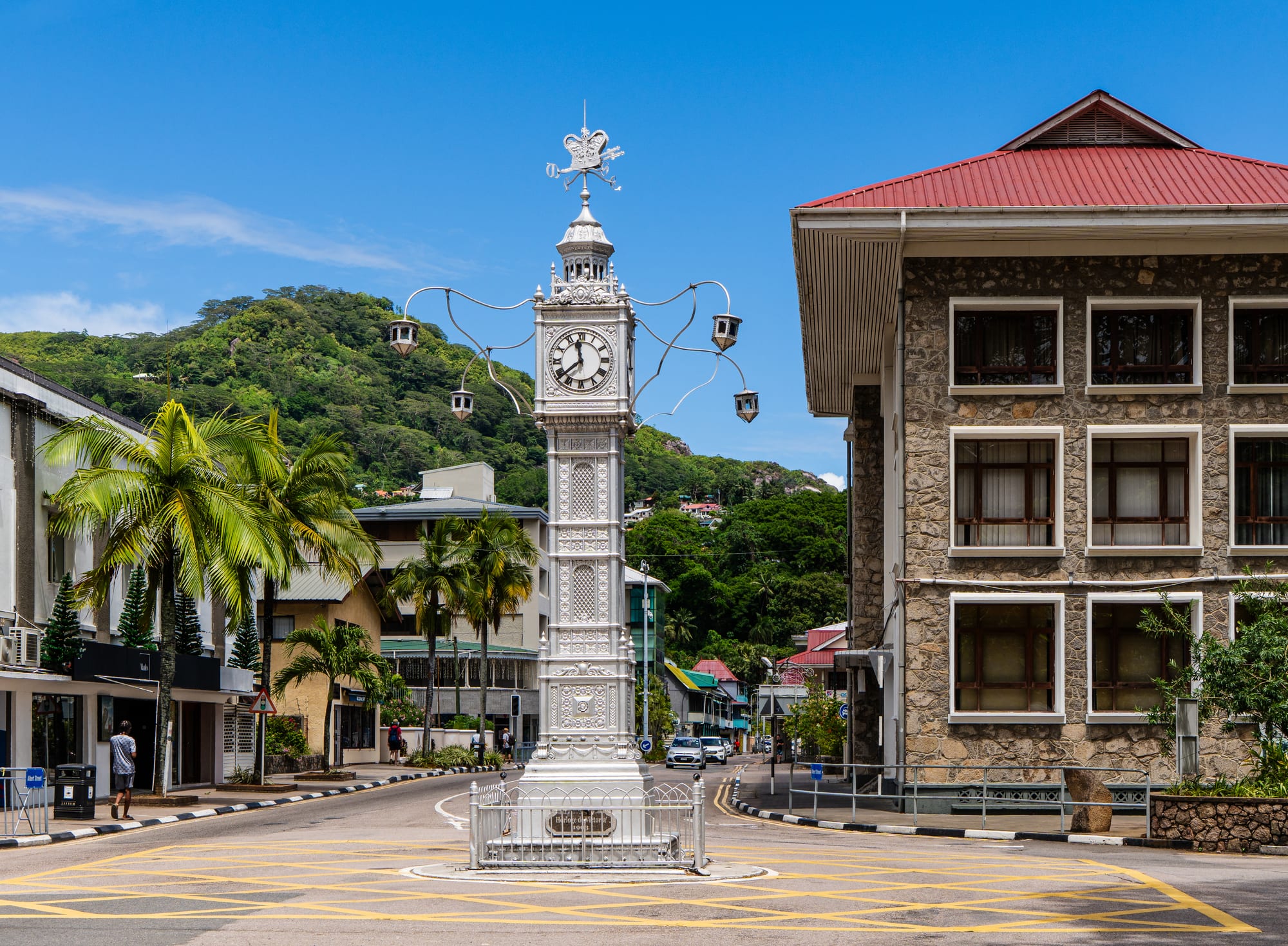
Victoria, on the main island of Mahé, is among the smallest national capitals in the world, centred on a miniature clock tower modelled after London's Little Ben. Its compact size and relaxed pace, along with a busy produce and craft market, give a low-key introduction to Seychellois urban life before heading out to the islands' beaches and nature reserves.
5. Anse Lazio
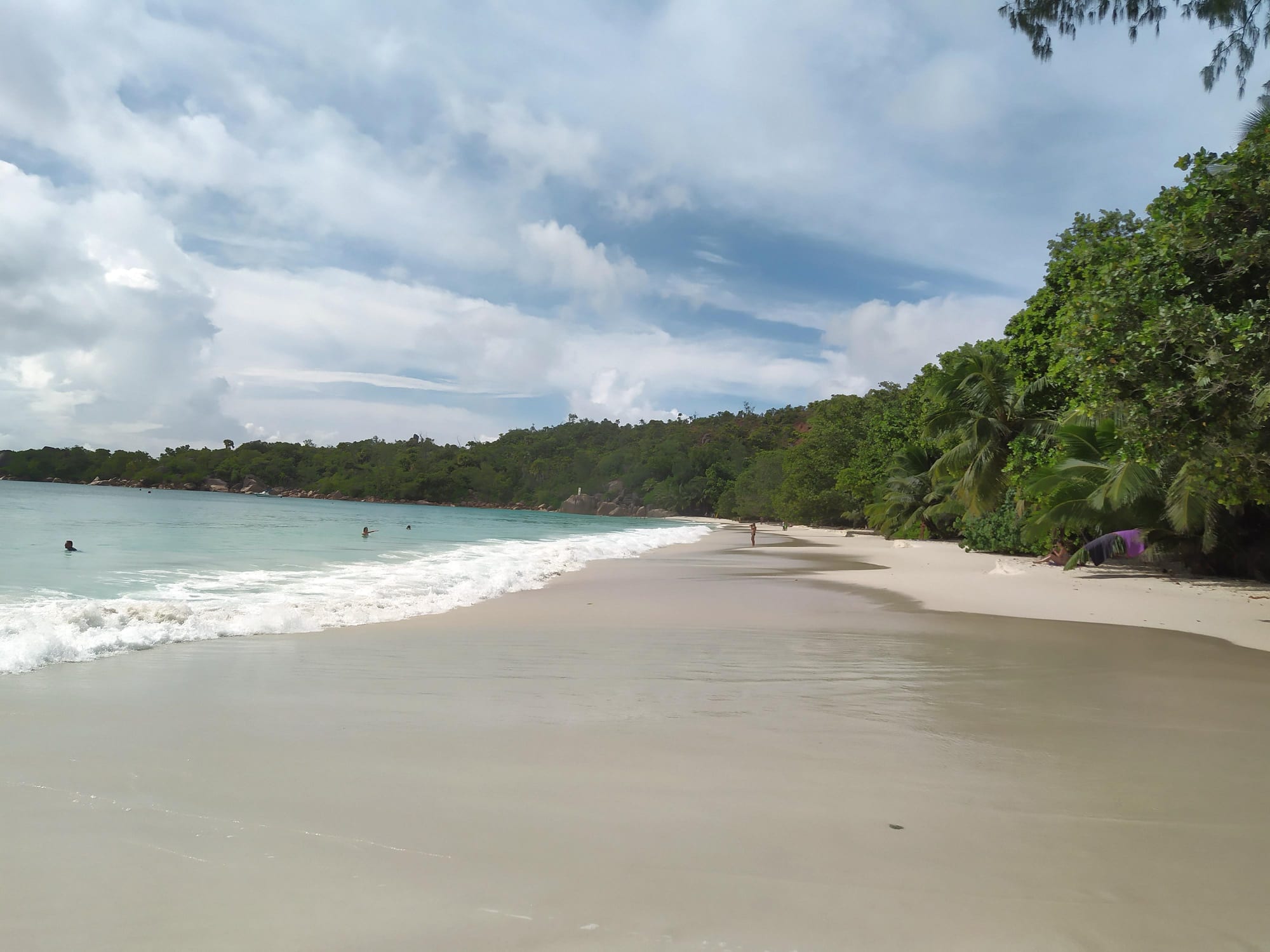
Anse Lazio, on Praslin, is consistently rated among the finest beaches in the world, its powder-fine sand, granite boulder headlands, and clear water combining much of what draws visitors to Seychelles in the first place. Unlike some of the more secluded coves nearby, it has good road access, making it one of the more easily reached of the islands' celebrated beaches.
6. Morne Seychellois National Park
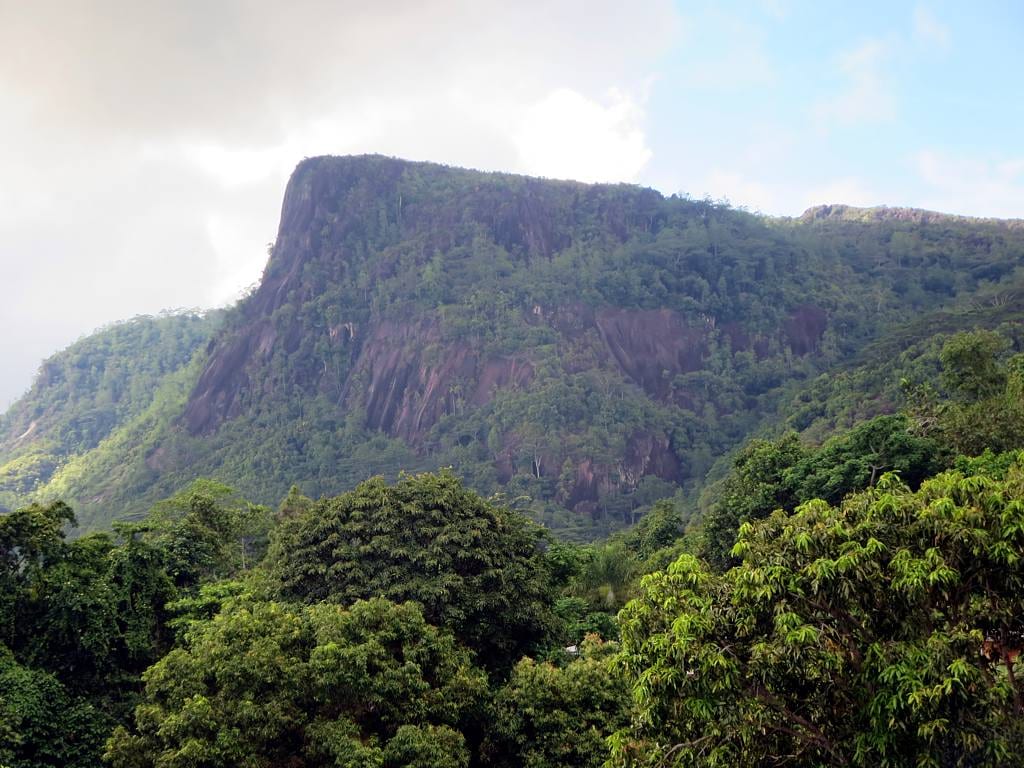
Morne Seychellois National Park covers nearly a fifth of Mahé, the main island, rising from the outskirts of Victoria to the country's highest peak at 905 metres — a mountainous interior of mist forest, endemic palms found nowhere else on earth, and hiking trails that feel a world away from the beaches just a short drive below.
The Trois Frères and Copolia trails, both reachable from Victoria, give sweeping views back over the capital and the sea.
7. Silhouette Island
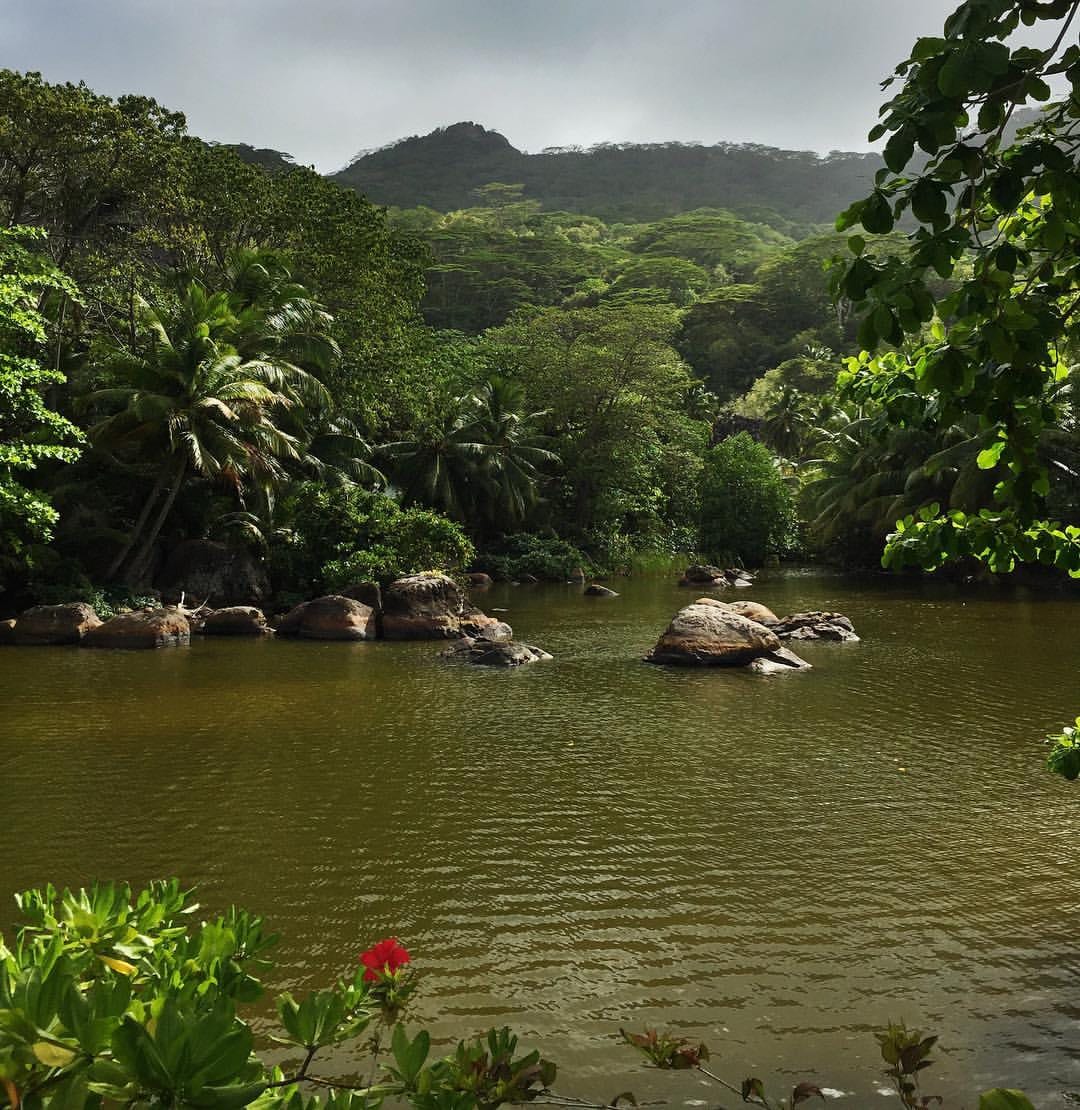
Silhouette Island, the third-largest in the archipelago, remained so isolated by its steep terrain that it kept one of the most intact native ecosystems in Seychelles well into the 20th century — now a national park reachable only by boat, with a single small resort and granite peaks rising straight from dense, largely untouched forest.
It is a favoured destination for hikers and naturalists seeking a quieter, wilder alternative to Mahé and Praslin.
Seychelles suits a week to ten days spread across Mahé, Praslin, and La Digue, with short ferry or small-plane connections making an island-hopping itinerary the standard way to see the archipelago's range.